3855 Old Canoe Creek Road, Saint Cloud, FL 34769
For more information about senior living options: (866) 208-4318
Overall Review of Terrace Of St Cloud
Pros
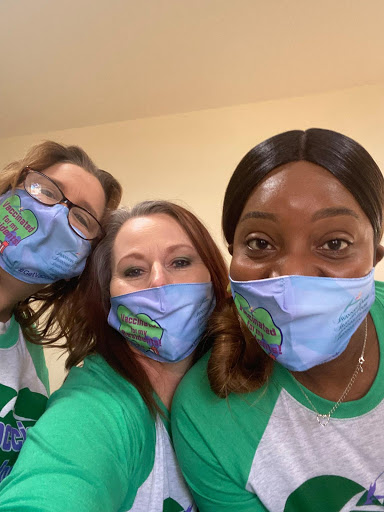
 The staff are friendly, welcoming, and caring.
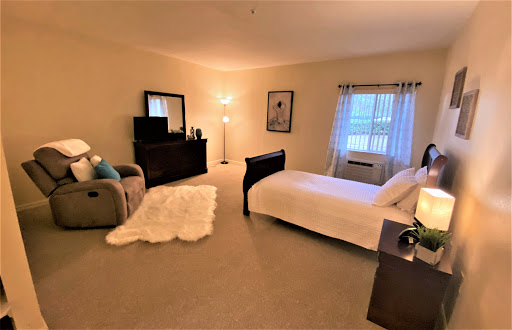
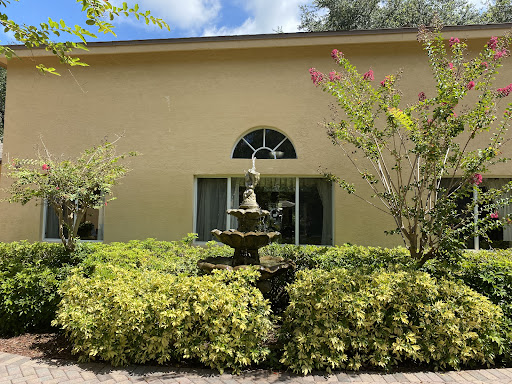
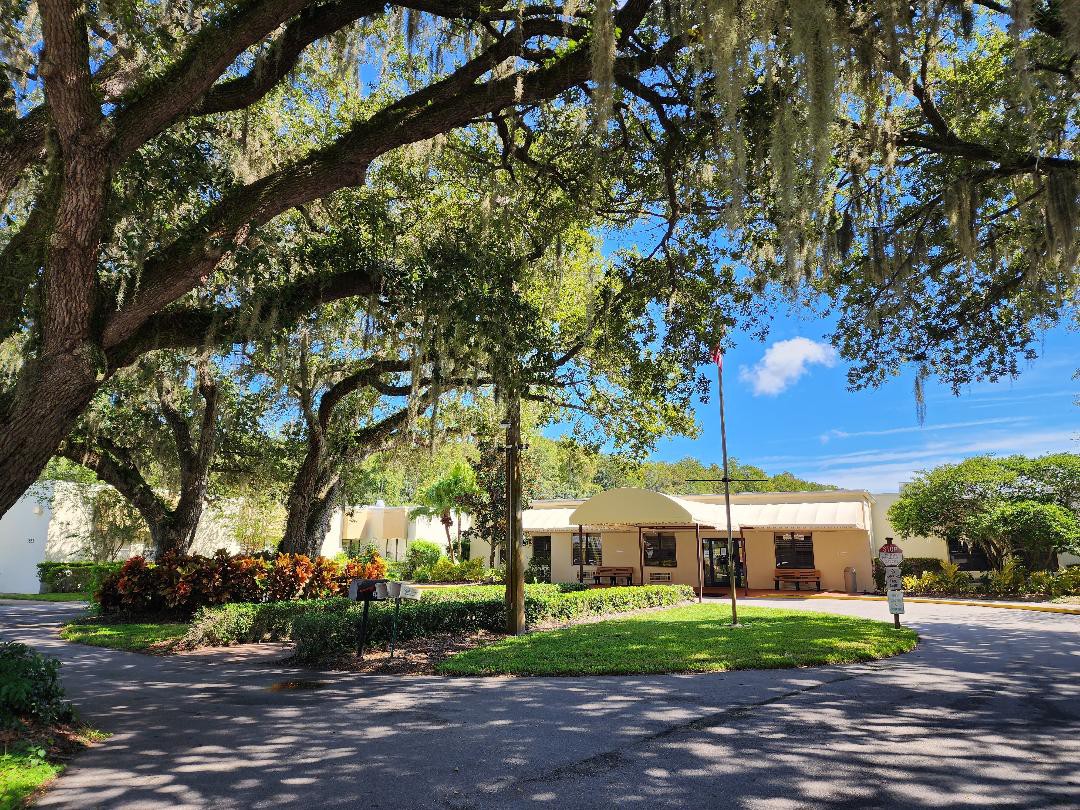
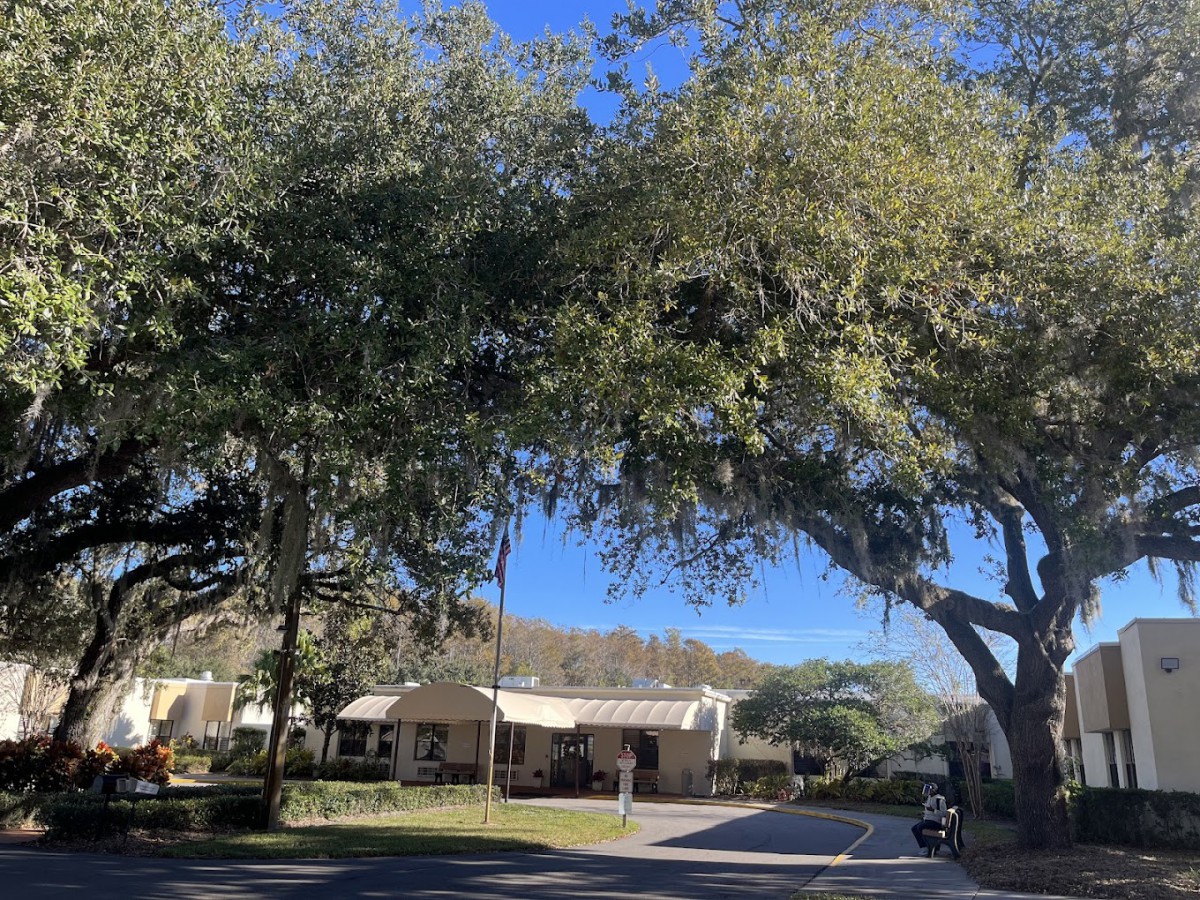
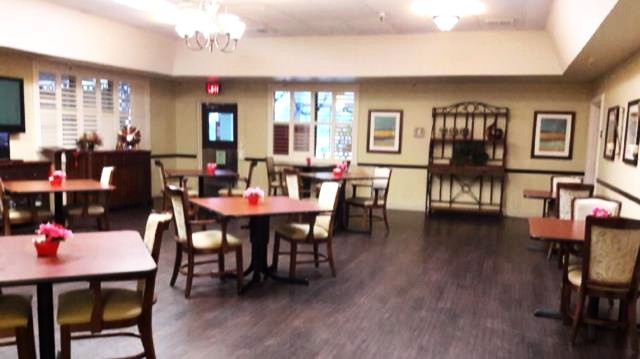
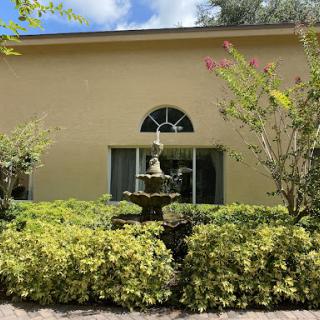
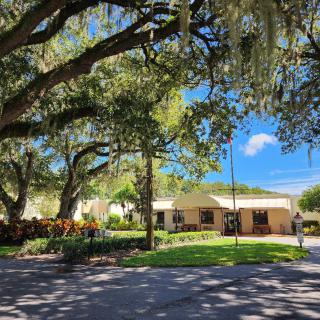
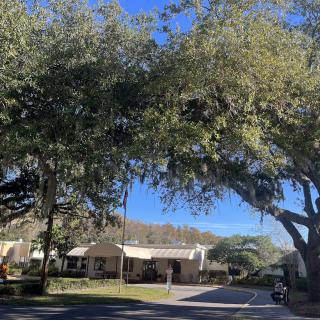
- The facility is clean, well kept, and bright.
- The therapy department is fantastic and provides meaningful progress.
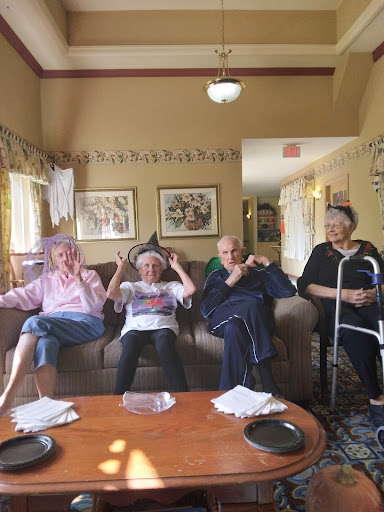
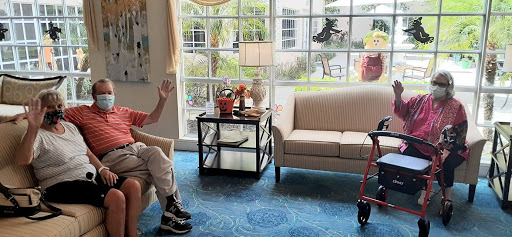
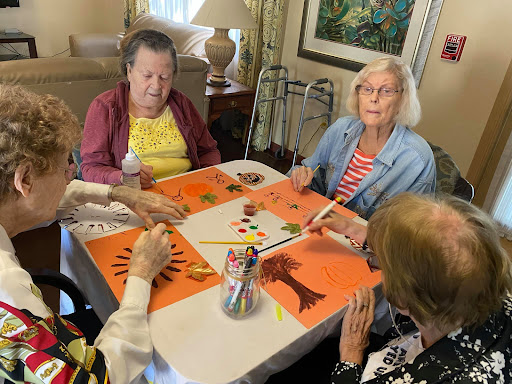
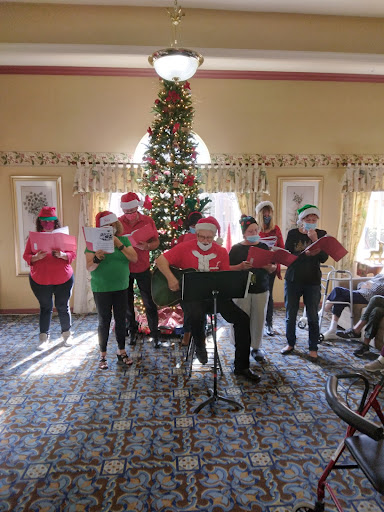
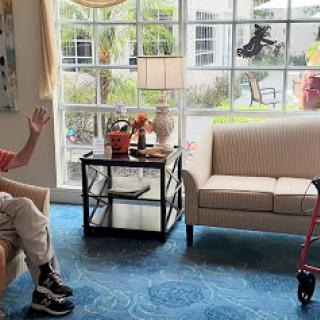
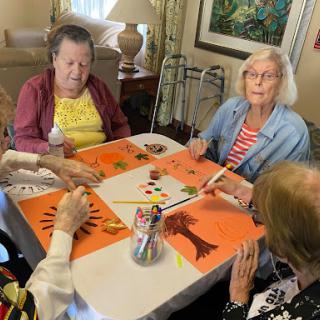
- The activities are amazing and engaging for residents.
- The front-office staff are nice and helpful, and the nursing team is professional and informative.
- The DON is involved in residents' care and families are kept well informed.
- The atmosphere is cheerful, upbeat, and pleasant for both residents and visitors.
Cons
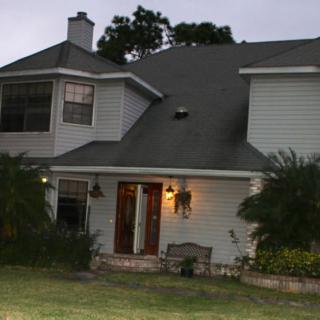
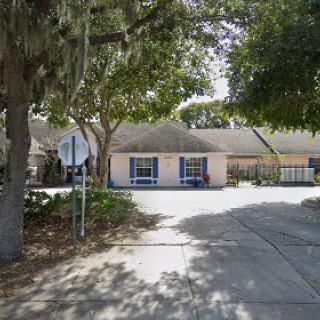
 The Terrace of St. Cloud looked like an asylum, gray and depressing, and was not inviting.
- There were no activities for residents.
- The food was awful—almost everything fried and unappetizing, leaving patients hungry.
- There was a serious lack of communication among caregivers, nurses, and doctors.
- Residents were overmedicated as a solution, sometimes resulting in a babbling, shaking patient.
- The facility smelled and was not clean; clothes, hair, nails, and linens were dirty or missing.
- One reviewer warned never to place a loved one there, citing a nurse-caused hip fracture and the subsequent death.
- There was a closed area for some patients that felt like a prison.
Review
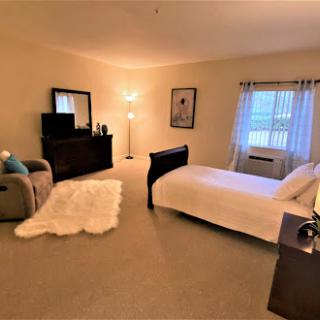
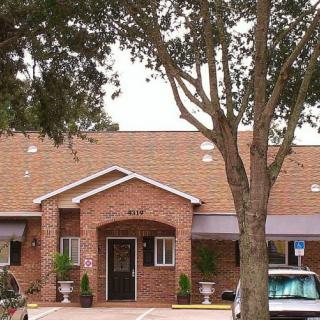
Terrace of St. Cloud in Saint Cloud, FL, is best suited for families seeking a rehab-driven option where measurable mobility gains, a clean environment, and engaged leadership are the anchors. The strongest case rests with short-term post-hospital rehabilitation, where residents can benefit from a focused therapy regimen and regular, informative communication from a staff structure that includes a involved DON. The building presents a bright, well-kept impression, and rooms tend to feel adequately sized for semi-private setups. Prospective residents should recognize that the atmosphere isn’t cozy or home-like in the traditional sense; it reads as institutional. For families prioritizing practical outcomes over ambiance, this facility can deliver meaningful progress.
That said, there are clear reasons why alternatives merit consideration. Several reviews raise red flags about consistency of communication among caregivers, nurses, and families, with reports of difficulty getting timely updates on medical changes or concerns. A number of accounts allege lapses around medication decisions, and at least one long-term case describes a concerning delay in notification and an adverse turn in condition. Items as personal as clothing or belongings going missing surface in some histories, and there are claims of dirty conditions or uneven assistance with daily needs. While not every family will encounter these issues, the pattern warrants serious scrutiny and careful, fact-based due diligence before committing.
The core strengths of Terrace of St. Cloud, therapy quality, staff accessibility, and cleanliness, are not mere frills; they set meaningful expectations for outcomes. An hour of daily physical and occupational therapy is repeatedly tied to tangible mobility improvements, particularly for patients transitioning from hospital rehab. The nursing and rehab teams are repeatedly praised for responsiveness, and the direct involvement of the DON in care planning is a reassuring signal for families seeking accountability. Cleanliness and atmosphere consistently emerge as positive anchors, with visitors noting a bright environment free of pervasive odors. When these elements align, they can substantially offset concerns about occasional communication gaps, because real progress and reliable clinician engagement provide a credible counterweight to imperfect information flow.
Yet the experience described by residents and families remains uneven. Positive voices emphasize kindness, openness, and opportunities to get residents outdoors or engaged in social activities and meals. On the flip side, other narratives question whether daily routines and resources keep pace with needs, especially during night shifts or periods of high demand. The tension between a rehab-centric model and the day-to-day quality of care creates a cautious risk profile: therapy gains do not automatically translate into flawless daily oversight or absolute safety, and that gap is critical for decision-making.
From a practical standpoint, the path to a confident choice is anchored in diligence. Prospective families should arrange multiple visits at different times, speak directly with the administrator and the DON, and demand a written, itemized care plan that clearly maps therapy schedules, medication reviews, and fall-prevention strategies. Nutrition quality and monitoring deserve close scrutiny, ask to sample menus, understand how weight changes are tracked, and verify the process for addressing dehydration or malnutrition. The cadence and format of family updates matter too: determine whether daily calls, portal access, or in-person rounds will be the norm, and confirm escalation protocols for concerns. Finally, inspect room layouts, availability of private space if preferred, and the consistency of hygiene and bathing routines.
Bottom line: Terrace of St. Cloud can be a solid choice for families prioritizing a robust rehab track, a clean, orderly setting, and active leadership oversight, so long as there is a willingness to monitor care closely and demand clear, ongoing communication. It is less suitable for those who require unwavering day-to-day transparency, a uniformly high safety record, or a consistently home-like environment. If those higher-standards criteria are non-negotiable, explore multiple options in the Saint Cloud area, compare therapy intensity and staffing patterns, and gather direct feedback from current residents and their families. The decision should hinge on concrete visits, frank conversations about daily care, and a candid appraisal of whether therapy outcomes will truly align with long-term daily quality of life.
 120 resident community capacity
 Skilled Nursing Facility
 Air-conditioning
 Beauty salon
 Cable or satellite TV
 Computer center
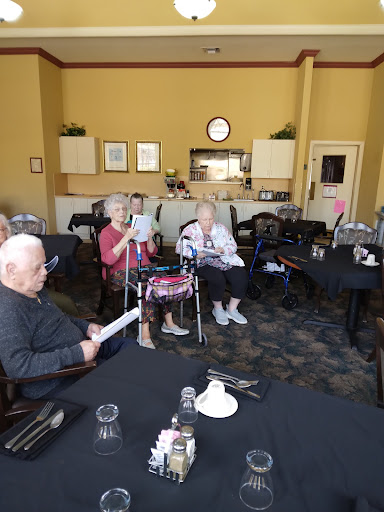
 Dining room
 Fitness room
 Fully furnished
 Gaming room
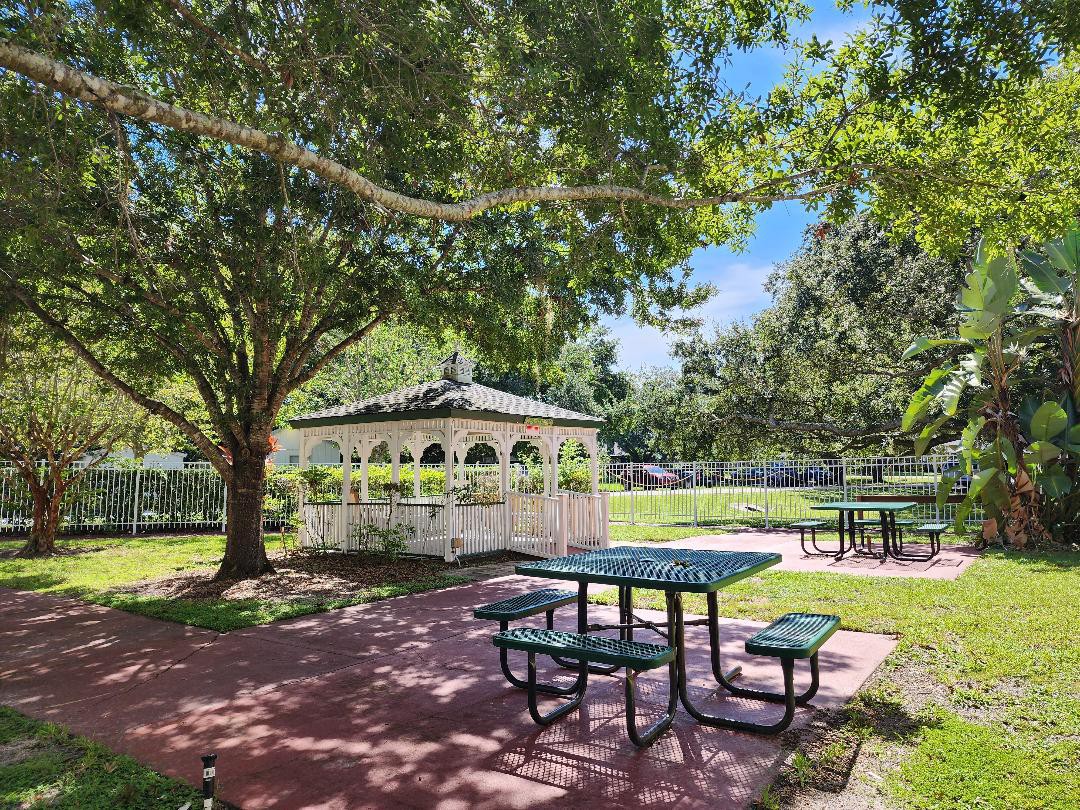
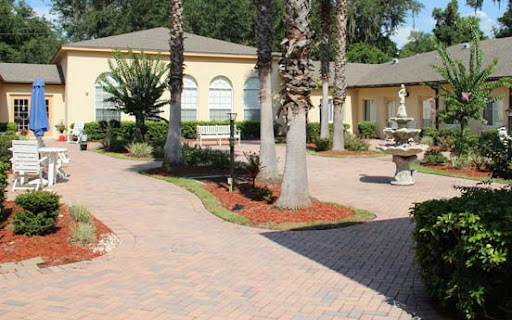
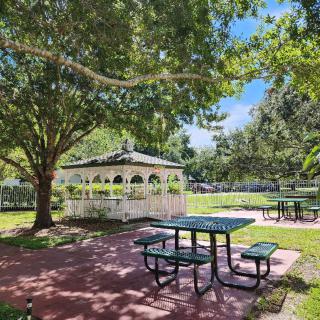
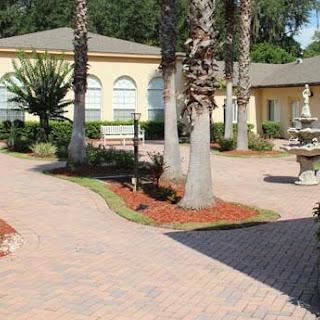
 Garden
 Housekeeping services
 Kitchenette
 Move-in coordination
 Outdoor space
 Private bathrooms
 Restaurant-style dining
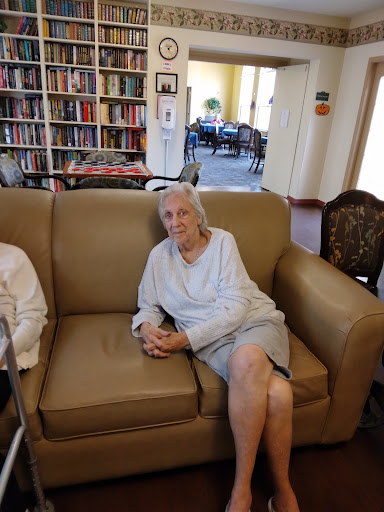
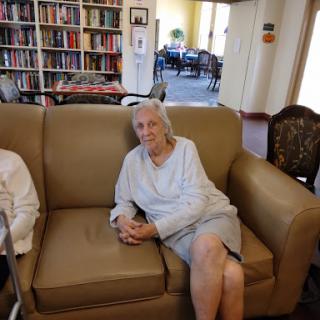
 Small library
 Telephone
 Wellness center
 Wi-Fi/high-speed internet available
 Orlando International (13 miles away)
 Community operated transportation
 12-16 hour nursing
 24-hour call system
 Activities of daily living assistance
 Assistance with bathing
 Assistance with dressing
 Assistance with transfers
 Diabetes diet
 Medication management
 Mental wellness program
 Special dietary restrictions
 Concierge services
 Planned day trips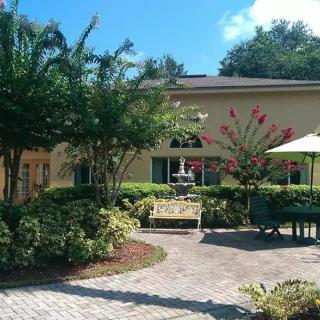

 Comprehensive Exploration of Living Wills and Other Advance Directives
 A Detailed Exploration of Living Wills and Advance Directives
 Comprehensive Guide to Medicare Coverage for Hospice Care