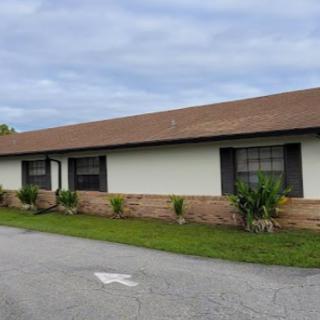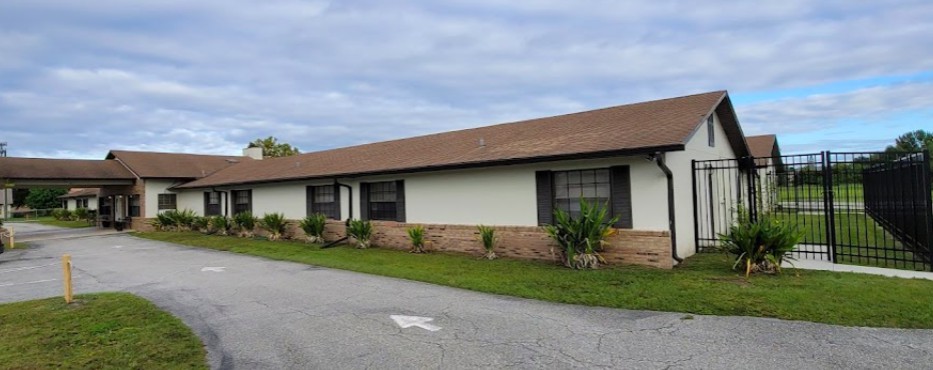
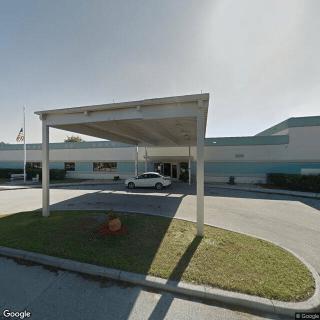
2411 Fortune Road, Kissimmee, FL 34744
For more information about senior living options: (866) 208-4318
Amber Lake Assisted Living Facility Costs & Pricing
Amber Lake Assisted Living Facility offers competitive pricing compared to the broader market in Osceola County and throughout Florida. For those seeking semi-private accommodations, the facility's monthly cost is $1,500, significantly lower than the county average of $2,833 and the state average of $3,009. When it comes to one-bedroom units, Amber Lake's price of $4,000 aligns closely with Osceola County's average of $3,423 but remains slightly above Florida's overall average of $3,864. This pricing structure positions Amber Lake as an attractive option for individuals and families considering assisted living solutions, particularly for those prioritizing affordability without compromising on quality care.
| Floor plans | Amber Lake Assisted Living Facility | Osceola County | Florida |
|---|---|---|---|
| Semi-Private | $1,500 | $2,833 | $3,009 |
| 1 Bedroom | $4,000 | $3,423 | $3,864 |
Memory care communities with a similar price nearby
-
from +$100 / mo
Aasbury Manor Alf
$1,600 to $2,500 / month21.3 miles away -
About the same
Baker AFCH
$1,500 to $2,100 / month16.0 miles away -
About the same

Harmony Retirement Living
$1,500 to $2,300 / month15.3 miles away -
from -$100 / mo
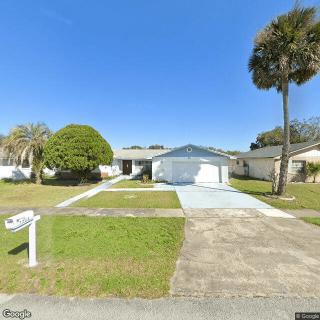
Blessed Heart Happy Home
$1,400 to $3,050 / month19.9 miles away
Overall Review of Amber Lake Assisted Living Facility
Pros
 The facility is kept clean and well maintained.
- The building has been renovated and is among the cleanest facilities visited.
- The staff are friendly, knowledgeable, and attentive to residents’ needs.
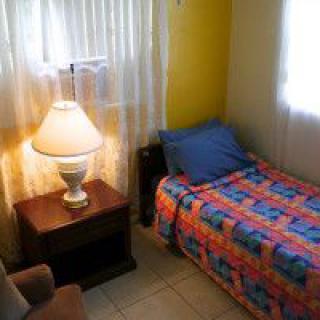
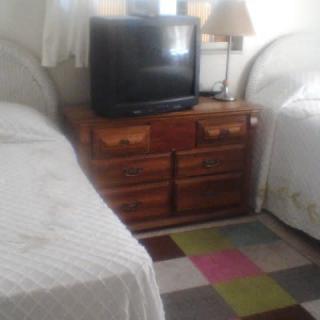
- The rooms are nice and offered in shared or private options at a good price.
- Three meals a day are provided, and the facility accommodates special diets.
- The dining area is pleasant, and the Activities Coordinator keeps residents engaged, with entertainment like the Piano Man.
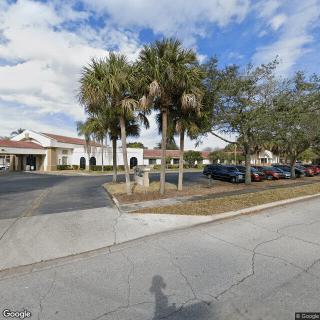
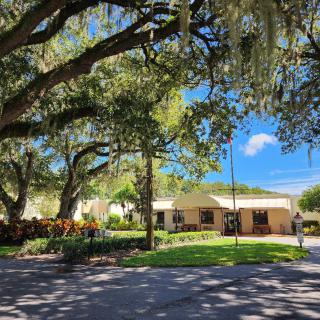
- The front yard is well kept and includes a garden, creating a welcoming environment.
- The management is on-site, responsive, and easy to reach.
Cons
 The reviewer describes Amberlake as feeling like a cheap motel.
 - There is no place for visitors to sit; they must sit among the residents, which is annoying.
- The food menu for breakfast, lunch, and dinner is scant.
- There are no activities for residents besides a TV with the same game show every day.
- A staff member spoke to visitors in a belligerent manner and told them to get off the table.
- The reviewer warns that if one has to place a loved one there, it should be their last resort.
- The overall experience is described as absolutely awful.
- The staff is perceived as understaffed and unable to handle the resident load.
- The rooms are smaller and not semiprivate.
- There are too many residents for the number of employees, making it hard for staff to do their jobs well.
Review
Amber Lake Assisted Living is best suited for families seeking a clean, modestly priced, smaller community in Kissimmee where daily routines are predictable, meals are available, and management is approachable. This facility works for residents who don’t demand a bustling social calendar or expansive private space, but who want reliable oversight, decent dining, and a quiet, serviceable environment. It is especially fitting for seniors who value safety features (locked access, contained grounds) and a straightforward, everyday caregiving rhythm over trendy amenities or high-energy programming. For a loved one who thrives on structured support with personal attention from a smaller team, Amber Lake can be a sensible fit.
Those who may want to consider alternatives are clear: the family prioritizing robust activity calendars and abundant social engagement might find Amber Lake’s offerings too light. Residents who require extensive assistance or specialized memory care, or whose dementia symptoms demand a higher nurse-to-resident ratio, may do better in larger communities with dedicated memory-care wings and more staff on hand throughout the day. Families who insist on very spacious private rooms or a more modern, resort-like feel will likely be disappointed by Amber Lake’s smaller rooms and older-building vibe. A busy street setting and occasional dining or service gaps are also deal-breakers for some who need a more seamless, high-energy environment.
On the plus side, several core strengths consistently surface in praise: a consistently clean, well-kept facility with functional, orderly operations; front-line staff who can be friendly, knowledgeable, and responsive; and a management presence that residents and families can reach. The three meals a day, with the ability to accommodate special diets, add tangible value for families looking for predictable nutrition without micromanaging every bite. An on-site chef and a dedicated activities coordinator help counter some of the “smaller community” drawbacks by delivering a degree of culinary attention, occasional in-house entertainment, and group activities that keep residents clocked into a routine. The security-conscious design, recessed entry, locked doors, garden space, also matters for families prioritizing safety and a contained environment.
The downsides, while variable by shift and week, are real enough to factor into a decision. Several reviews flag understaffing as a persistent concern in a small facility, which translates into slower responses and limited one-on-one time for residents needing more help. Private rooms are scarce, and many residents end up in smaller accommodations or shared spaces, which can feel cramped for families used to larger living quarters. Activity levels can be inconsistent, with some days lacking obvious engagement beyond a TV or a short exercise session; other days feature a friendly concert pianist or a well-paced activity hour, but the schedule isn’t reliably robust. Food quality and snack frequency appear variable as well, with some families noting adequate meals and others feeling the dining experience could be more generous or varied.
Despite the caveats, the pros do offset the cons for a specific profile. Cleanliness, staff kindness in practice, and accessible management create a trustworthy baseline for daily life. The emphasis on structured meals, diet accommodations, therapy services, and routine medical supports (including medication management) helps ensure that practical caregiving needs are met without constant family monitoring. The intimate scale can translate into a welcoming, less overwhelming atmosphere for residents who find larger campuses exhausting or impersonal. For families where budget realism and predictable routines trump architectural novelty, Amber Lake offers meaningful value, with caveats about activity depth and room size that should be weighed against personal goals for quality of life and engagement.
Ultimately, the decision hinges on priorities: if the goal is steady caregiving at a fair price within a smaller, safer footprint, Amber Lake is a credible, pragmatic choice. If, however, a loved one requires frequent, varied programming, more spacious living arrangements, or a stronger emphasis on dementia-specific care, it is prudent to explore alternatives with larger staff pools and richer activity calendars. Visit with a list of non-negotiables, room size, activity density, meal variety, and staff responsiveness, and test drive the place during mealtimes and activity hours. Amber Lake can satisfy many families, but the fit will be strongest where expectations align with the facility’s practical strengths and acknowledged limits.
 55 resident community capacity
 Studio apartments
 Assisted Living
 Memory Care
 Respite Care
 Activities off-site
 Air-conditioning
 Bath tubs
 Beautician on-site
 Cable or satellite TV
 Computer center
 Devotional services off-site
 Dining room
 Fitness room
 Fully furnished
 Gaming room
 Garden
 Housekeeping services
 Indoor common areas
 Kitchenette
 Move-in coordination
 Outdoor common areas
 Private bathrooms
 Restaurant-style dining
 Small library
 Telephone
 Wellness center
 Wheelchair accessible showers
 Wi-Fi/high-speed internet available
 Orlando International (9 miles away)
 Community operated transportation
 24-hour call system
 Ambulatory care
 Assistance with bathing
 Assistance with dressing
 Assistance with transfers
 Diabetes diet
 Diabetic care
 Incontinence care
 Medication management
 Mental wellness program
 Special dietary restrictions
 Concierge services
 Planned day trips
 Nourishing the Mind: Essential Dietary Approaches for Dementia
 Understanding Dementia Behaviors: Practical Insights and Strategies for Caregivers
 When Dementia Sparks Anger and Aggression: Understanding the Connection and Ways to Cope