Overall Review of University Plaza Rehabilitation And Nursing Center
common30 reviews mention this
Caring, professional staff experience
Residents and families consistently describe attentive, professional caregivers.
Across many reviews, people thank the nursing team and broader staff for showing compassion, professionalism, and respect toward patients and families. Several reviewers call out specific supervisors, nurses, CNAs, and therapists by name and describe them as responsive and thorough. A few reviews also mention quick help during urgent moments, with staff taking action and providing first aid or explaining what was happening to families.
common18 reviews mention this
Clean, organized facilities
Multiple reviews mention a consistently clean, well-kept setting.
Cleaning and upkeep show up repeatedly, with reviewers describing the center as clean, bright, and organized. Several people also mention bedsheets being changed regularly or the facility feeling calm and comfortable for visitors and patients. Even among critical reviews, cleanliness is not the primary focus of the complaints compared with staffing and communication problems.
common16 reviews mention this
Therapy and activities help recovery
Reviews frequently connect physical therapy and activities to steady improvement.
Many reviewers describe rehabilitation as a strength, pointing to physical therapy teams and coordinated care focused on progress. Some families mention patients being stimulated through activities and note that their loved ones started therapy or engaged in treatment plans with support. A few reviews also describe the team working with families when a patient is reluctant to participate, including adjustments to help the patient engage.
caveat6 reviews mention this
Food quality varies by review
Dining gets mixed feedback, from praised meals to complaints about repetition.
Some residents and families say the food is good and highlight favorites like soups. Others describe the menu as repetitive and suggest improvements, including comments that the food quality did not meet expectations. Where food is discussed, it appears alongside concerns about patient comfort and day-to-day experience.
caveat4 reviews mention this
Call responsiveness and staffing
A subset of reviews raise concerns about staffing attention and phone responsiveness.
While many reviews emphasize responsiveness, a few report difficulty reaching staff by phone and getting help in a timely way. One review specifically discusses a high patient load for CNAs and suggests that it can affect how quickly patients receive attention. Another critical review points to medication and care-process failures, contrasting with more positive experiences described in other reviews.
common2 reviews mention this
Close to major medical care
The location is near multiple hospital options for families.
Nearby places include hospital services within about a half mile, which can matter for families managing rehab stays and medical follow-ups. The nearby list also includes additional dining and transit options that make visits more convenient.
How we summarize
Counts show how many written reviews mention each theme; a review can touch several themes, and only frequently mentioned themes are displayed.
Features
Housing
148 resident community capacity
Types of Care
Skilled Nursing Facility
Amenities
Air-conditioning
Beauty salon
Cable or satellite TV
Computer center
Dining room
Fitness room
Fully furnished
Gaming room
Garden
Housekeeping services
Kitchenette
Move-in coordination
Outdoor space
Private bathrooms
Restaurant-style dining
Small library
Telephone
Wellness center
Wi-Fi/high-speed internet available
Transportation
Miami International (5 miles away)
Fort Lauderdale-Hollywood International (20 miles away)
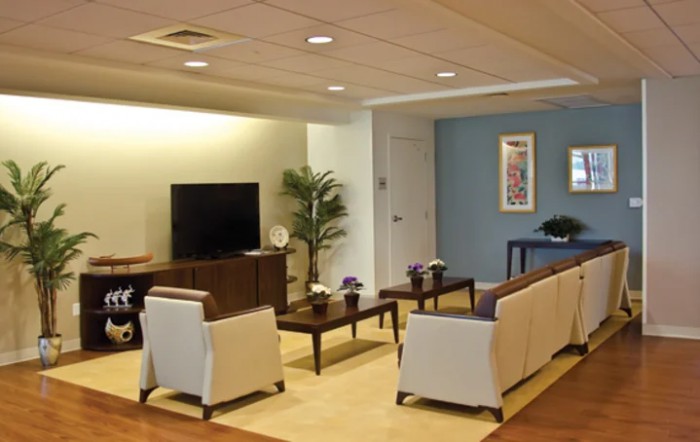
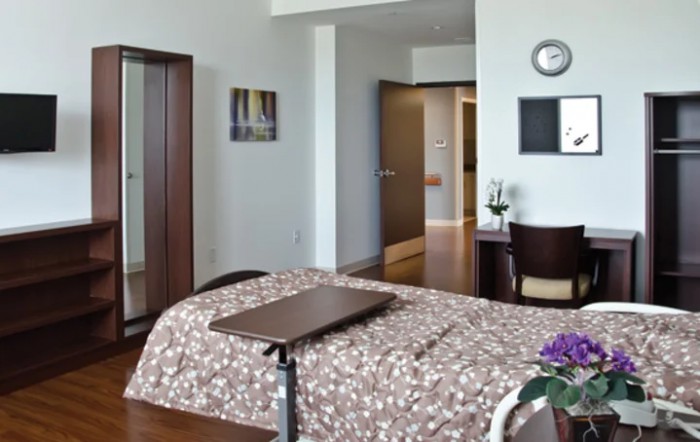
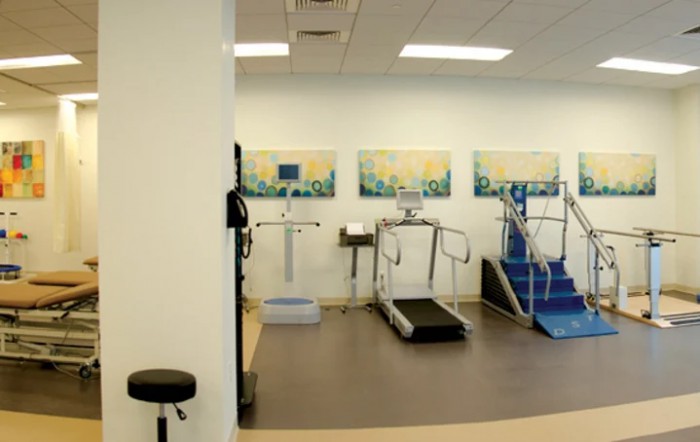
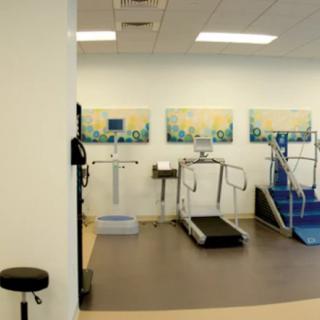
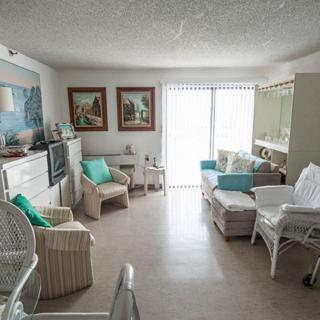
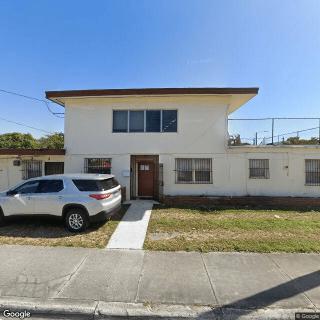
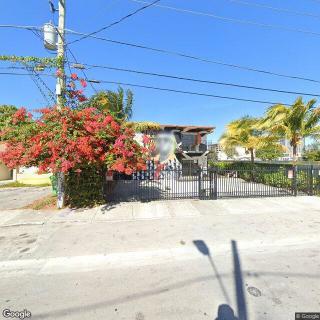
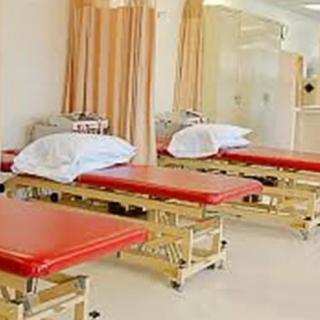
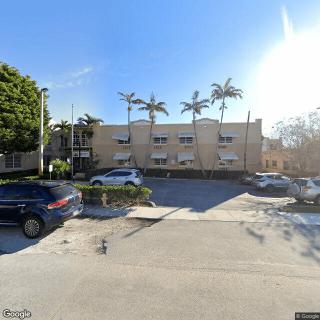
University Plaza Rehabilitation And Nursing Center on seniors.fyi includes 5 photos including images showing interior, decor, bedroom, palm trees, windows, exterior, office, lobby, and more.
Nearby Communities
Jackson Plaza Nursing And Rehabilitation Center
Miami, FL
Extensive amenities and comprehensive senior care services.
Washington Square Apartments
Miami, FL
4.6 from 18 reviews
Helen M. Sawyer Assisted Living
Miami, FL
3.5 from 11 reviews
Comprehensive on-site amenities and 24/7 care (dining, wellness, activities).
Fecal incontinence, prevalent among older adults, arises from factors like weakened pelvic muscles and nerve damage, significantly affecting well-being and social interactions. Diagnosis involves clinical evaluation and tests to inform tailored treatments, while caregivers and preventive measures can aid in managing the condition effectively.
Anticipatory grief is an emotional response to the impending loss of a loved one, characterized by complex emotions such as sadness and anger, and involves navigating stages similar to those identified by Kübler-Ross. Coping strategies are vital for managing this process, emphasizing compassionate communication, self-care, and support groups while recognizing the cultural influences on grieving.
Adult day care programs offer essential support and activities for older adults, yet many hesitate to participate due to concerns about independence and stigma. To alleviate these apprehensions, families should facilitate open discussions, explore financial resources, suggest trial visits, and collaborate with healthcare providers to highlight the benefits of such services for both the participants and their caregivers.
University Plaza Rehabilitation And Nursing Center photos
×
Interior
Decor
Living Room
Architecture
Exercise Equipment
Interior
Decor
Bedroom
Living Room, Television, and Seating Area
Windows, Architecture, Exterior, Palm Trees, and Urban
Lobby and Office
Exercise Equipment, Rehabilitation, Physical Therapy, Treadmill, and Therapy Room
Get PricingAsk A QuestionSchedule A TourContact Senior Advisor
By clicking submit, you agree to our Partner's Terms of Use. You
also consent to receive calls and texts, which may be autodialed, from our Partner. Your consent is not a condition to
using our Partner's service. Please visit our Partner's Privacy Policy for information about their privacy practices.



 148 resident community capacity
 Skilled Nursing Facility
 Air-conditioning
 Beauty salon
 Cable or satellite TV
 Computer center
 Dining room
 Fitness room
 Fully furnished
 Gaming room
 Garden
 Housekeeping services
 Kitchenette
 Move-in coordination
 Outdoor space
 Private bathrooms
 Restaurant-style dining
 Small library
 Telephone
 Wellness center
 Wi-Fi/high-speed internet available
 Miami International (5 miles away)
 Community operated transportation
 12-16 hour nursing
 24-hour call system
 Activities of daily living assistance
 Assistance with bathing
 Assistance with dressing
 Assistance with transfers
 Diabetes diet
 Medication management
 Mental wellness program
 Special dietary restrictions
 Concierge services
 Planned day trips
 Extensive amenities and comprehensive senior care services.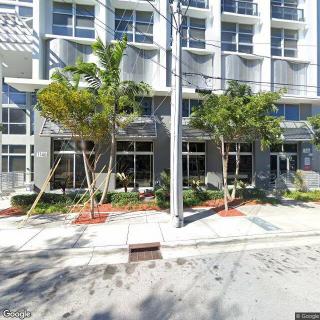


 Fecal Incontinence in Older Adults: A Comprehensive Guide
 Recognizing the Journey: Understanding and Navigating Anticipatory Grief
 Encouraging Participation in Adult Day Care: A Guide to Supporting a Hesitant Parent