
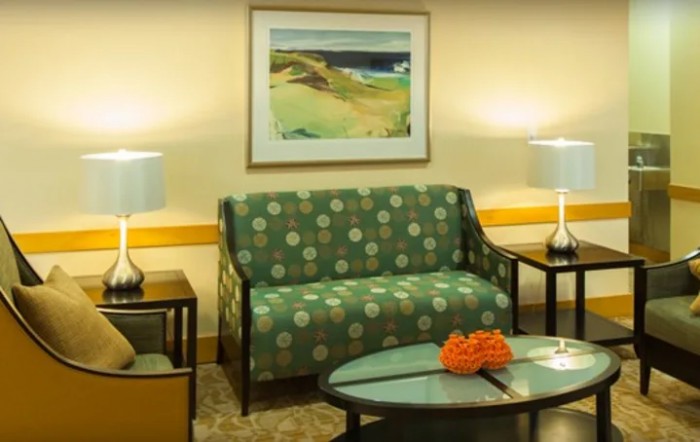
5200 North East 2Nd Avenue, Miami, FL 33137
For more information about senior living options: (866) 208-4318
Overall Review of Miami Jewish Health Systems
Pros
 The rooms and the activities are great.
- The facility looks nice, is clean, and the food is pretty good.
- The staff are incredibly attentive and caring, with residents' safety as a top priority.
- The medical staff addresses issues promptly and communicates with families to decide the best care route.
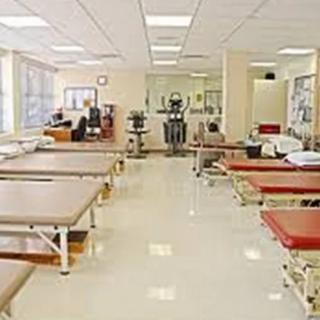
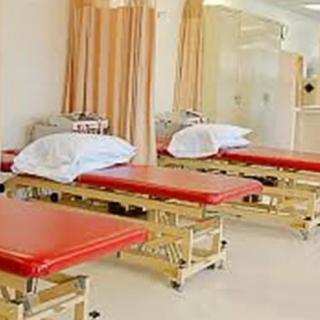
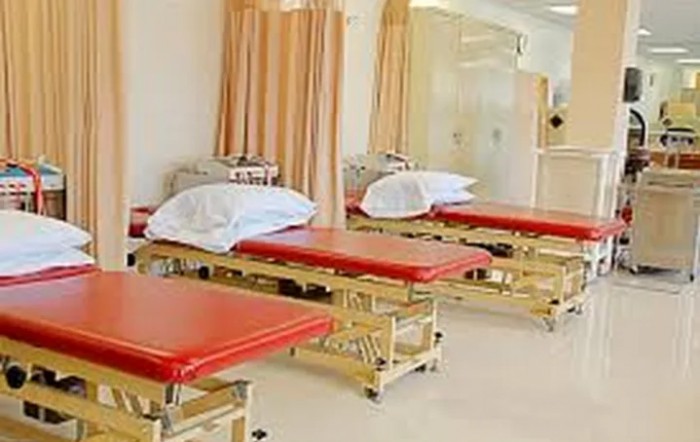
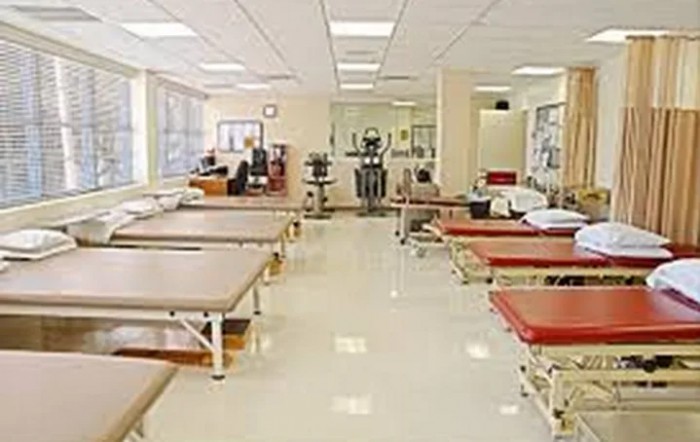
- The physical therapy team is amazing and the nurses are caring, professional, and kind.
- The activities team does an amazing job of offering diverse activities that engage residents.
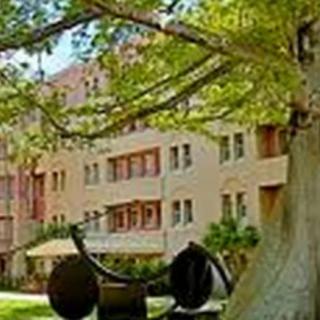
- The facility is excellent, the grounds are well-maintained and attractive, and families would recommend it.
- The staff are friendly and engaging, and residents are known by name.
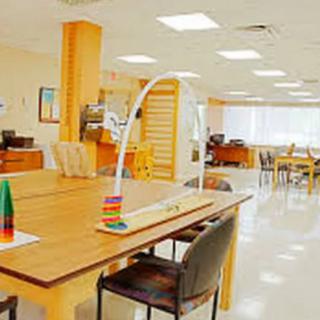
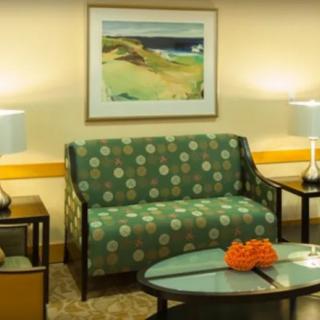
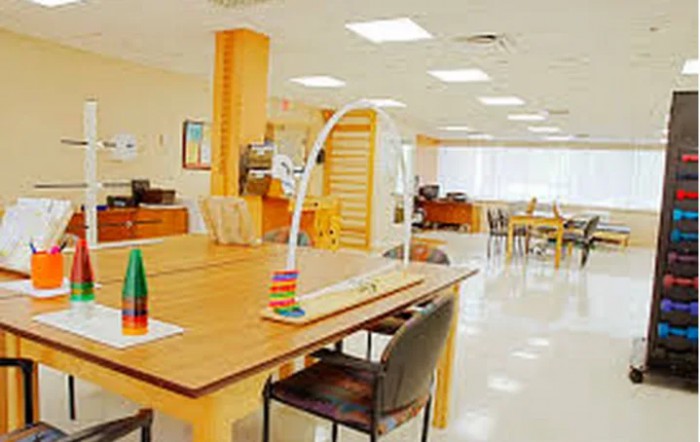
- The facility provides a home-like atmosphere with amenities like a library, gardens, game room, and various classes.
- The building feels secure, with a 24-hour guard, contributing to residents' peace of mind.
Cons
 The staff were not caring, and the physicians did not supervise to ensure patients were properly cared for.
- She was left as a fall risk in a wheelchair because there was not enough staff to supervise, and they couldn’t restrain her to bed.
- They observed the nursing staff being mean to other patients.
- The nursing staff showed no compassion toward the mother who was dying, nor toward family members.
- The administrative staff were not friendly and did not keep track of residents, causing anxiety for families.
- The facility looked beautiful on the outside but was ugly on the inside, with a lack of compassion and care.
- The rehab unit’s phone line rang continuously and was unacceptable.
Review
Miami Jewish Health Systems is best suited for seniors who need a genuine continuum of care on a single campus, from assisted living and rehab to dementia care and hospice support, backed by on-site medical oversight and a consistent care team. The strongest fit is for families prioritizing safety, predictable routines, and coordinated treatment from nurses, therapists, social workers, and physicians who communicate and collaborate. It works well for residents with significant medical needs, including Alzheimer’s or other forms of dementia, stroke recovery, and complex conditions where multiple specialists are involved. For families seeking reassurance that care will stay on one campus as needs evolve, this setting provides a practical, long-range solution.
Those who may want alternatives are families who prize uniformly warm, individualized daily caregiving across every shift, or who cannot tolerate reports of inconsistent compassion from staff. If private rooms and higher-end dining are critical, or if costs must be constrained, there are options with smaller footprints or different pricing models that may align more closely with those expectations. For residents with lighter care needs or those who prefer a more intimate, less sprawling environment, a smaller operator could offer a more personal day-to-day experience. The campus scale can feel overwhelming for some, and not every unit delivers the same day-to-day warmth or responsiveness.
Key strengths include a deep, integrated care framework that reduces disruptive moves and keeps families tethered to a familiar care network. The rehabilitation and therapy programs receive frequent praise, with clinicians on staff who push for functional gains and recovery. Nursing care is generally reliable, and the social work team acts as a steady liaison, helping families navigate transitions, hospitalizations, and care planning. The setting itself supports safety and cleanliness, with well-maintained grounds and clear security measures. For families coordinating multiple services, therapy, medical consults, and end-of-life care, the ability to access hospice and specialty clinics on one campus is a concrete, time-saving advantage.
Nevertheless, certain reviews highlight real drawbacks that can affect a loved one’s experience. Reports of perceived indifference or overwhelmed staff in some shifts remind that staffing levels and consistency matter, especially during peak periods or high-acuity days. There are specific concerns about fall-prevention practices and how mobility restrictions are applied, underscoring that attentive supervision must be ongoing. Communication gaps persist in some units, and administrative responsiveness can vary, which elevates anxiety for families seeking timely updates. Food quality and dining experiences are not uniformly praised, and some residents note crowded private rooms and costs that rise with room upgrades. Parking and wayfinding on a large campus can also pose practical headaches.
The pros offset the cons when viewed through the lens of long-term care needs that require medical oversight, rehabilitation momentum, and stable, multidisciplinary coordination. The value lies in having a full spectrum of care on one campus, reducing the stress of coordinating multiple facilities and providers. When staff demonstrate consistency, timely communication, and a proactive approach to safety, the daily experience often feels far more positive than the occasional negative anecdote might suggest. For families facing complex medical trajectories, the ability to pivot from rehab to long-term care, with ongoing physician involvement and a dedicated social worker, translates into peace of mind and measurable progress for loved ones.
Practical decision steps: schedule a focused tour of the unit your loved one would inhabit, and ask about current nurse-to-resident ratios, fall-prevention protocols, and how quickly family inquiries are answered. Confirm the exact mix of care levels available on campus and obtain a clear picture of room options, private-pay versus insurer coverage, and the true cost of care over time. Probe dementia-care training for staff, the cadence of physical therapy, and the process for updating families after hospitalizations or incidents. If safety, continuity of care, and an active, accountable care team are non-negotiables, this campus is a compelling match. If pristine dining, intimate settings, or consistently uniform day-to-day warmth are the top criteria, compare alternatives to avoid footing the bill for expectations that may not be met.
 438 resident community capacity
 Memory Care
 Skilled Nursing Facility
 Air-conditioning
 Beauty salon
 Cable or satellite TV
 Computer center
 Dining room
 Fitness room
 Fully furnished
 Gaming room
 Garden
 Housekeeping services
 Kitchenette
 Move-in coordination
 Outdoor space
 Private bathrooms
 Restaurant-style dining
 Small library
 Telephone
 Wellness center
 Wi-Fi/high-speed internet available
 Miami International (6 miles away)
 Community operated transportation
 12-16 hour nursing
 24-hour call system
 Activities of daily living assistance
 Assistance with bathing
 Assistance with dressing
 Assistance with transfers
 Diabetes diet
 Hospice care
 Medication management
 Mental wellness program
 Special dietary restrictions
 Concierge services
 Planned day trips





 A Detailed Exploration of Assisted Living Medicaid Waivers Across the United States
 Exploring the Contrasts Between Assisted Living and Skilled Nursing
 Vibrant Senior Living: A Comprehensive Guide for Active Older Adults