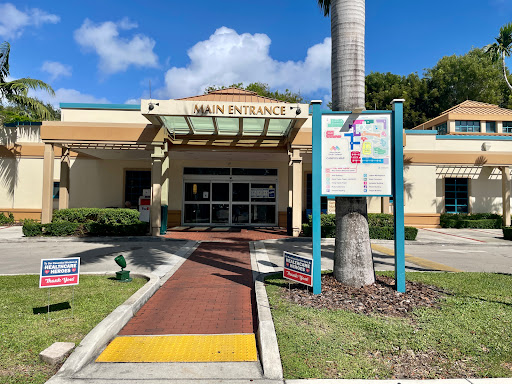








5200 NE 2nd Ave, Miami, FL 33137
To contact a resident: (305) 751-8626
For more information about senior living options: (866) 208-4318
Miami Jewish Home & Hospital for the Aged Costs & Pricing
At the Miami Jewish Home & Hospital for the Aged, the costs for various room types reflect a competitive pricing strategy when compared to both Miami-Dade County and broader state averages. For instance, a studio at this facility is priced at $2,220, significantly lower than the county's average of $3,886 and Florida's average of $3,823. Similarly, a one-bedroom unit costs $2,560, which is again more affordable than the county and state rates that hover around $3,775 and $3,864 respectively. However, in the semi-private category, the cost of $3,400 exceeds Miami-Dade's average of $2,250 but remains lower than Florida's average of $3,009. The two-bedroom option stands at $5,300 - slightly below Miami-Dade's average of $5,390 yet higher than Florida's average of $4,711. Finally, the private room rate is set at $7,500; here it diverges substantially from local and state averages of approximately $3,304 and $3,699 respectively. Overall, while many options provide significant savings for residents compared to market standards in the area and state levels - as reflected in studios and one-bedrooms - the pricing structure demonstrates a mix that balances affordability with premium offerings in certain room types.
| Floor plans | Miami Jewish Home & Hospital for the Aged | Miami-Dade County | Florida |
|---|---|---|---|
| Studio | $2,220 | $3,886 | $3,823 |
| 1 Bedroom | $2,560 | $3,775 | $3,864 |
| Semi-Private | $3,400 | $2,250 | $3,009 |
| 2 Bedrooms | $5,300 | $5,390 | $4,711 |
| Private | $7,500 | $3,304 | $3,699 |
Assisted Living communities with a similar price nearby
-
from +$180 / mo
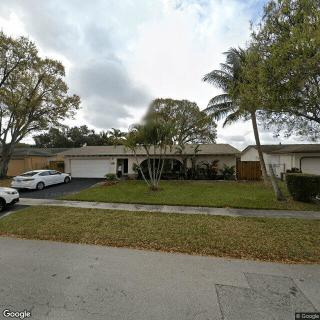
Ana's Assisted Living Facility
$2,400 / month14.0 miles away -
from -$220 / mo
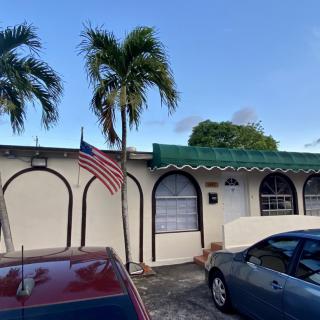
Care and Love Retirement Home
$2,000 to $2,500 / month5.0 miles away -
from -$220 / mo
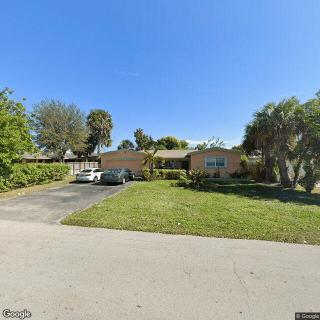
Tender Touch Home Care
$2,000 to $3,000 / month12.0 miles away -
from +$280 / mo
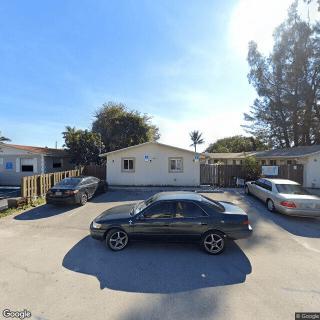
Home Sweet Home of Oakland Park
$2,500 to $3,000 / month24.5 miles away -
About the same
Pacifica Senior Living Sunrise
$2,195 to $3,195 / month24.9 miles away
Overall Review of Miami Jewish Home & Hospital for the Aged
Pros
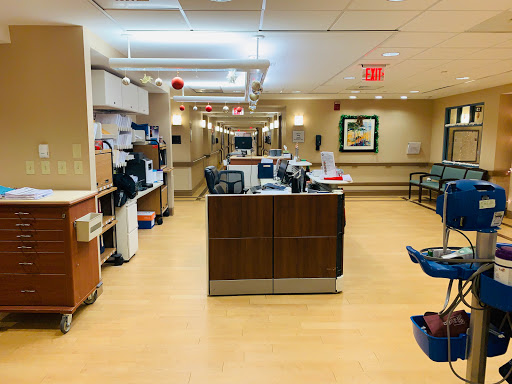
 The facility is clean, safe, and well maintained.
- The staff are caring, professional, and attentive to residents' needs.
- The rehabilitation program features outstanding therapists and comprehensive care.
- The rooms are spacious and comfortable, with home-like amenities.
- Families receive clear, proactive communication about their loved ones' progress.
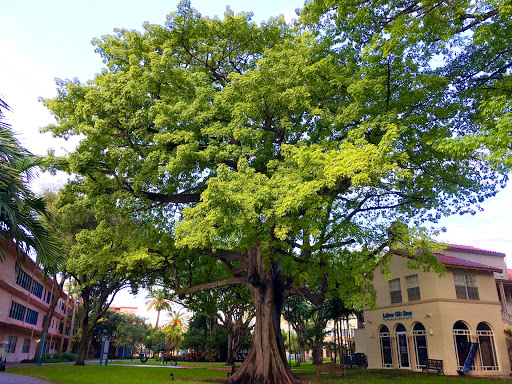
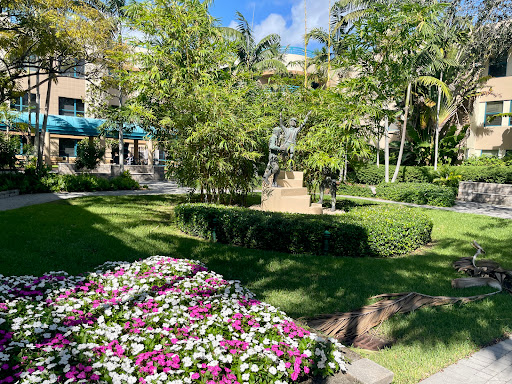
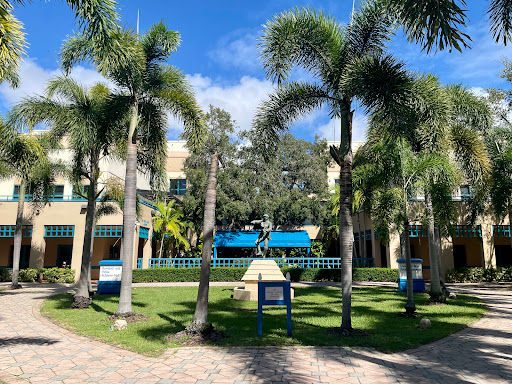
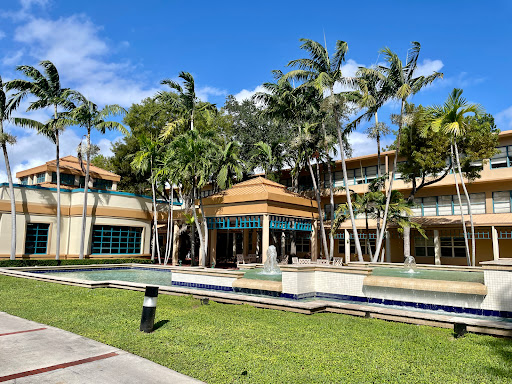
- The campus is beautiful, with gardens and welcoming spaces that feel like a community.
- The care prioritizes residents' quality of life and safety.
- The reviews consistently recommend this facility to others.
Cons
 The neighborhood isn’t great.
- The reviewer found the experience to be scary.
- It is very hard to find a place that actually cares for the elderly.
Review
Miami Jewish Home & Hospital for the Aged is best suited for seniors who need robust, hands-on rehabilitation followed by structured, compassionate long-term care in a secure, homelike setting. The reviews consistently crown the rehabilitation program as the facility’s strongest asset, with standout physical therapy, attentive nurses, and a social-work-forward approach that keeps families in the loop. The campus delivers clean, well-maintained spaces, spacious one-person rooms, and a security framework that creates a tangible sense of safety and belonging. In short, this community excels when the primary need is high-quality rehab paired with ongoing support that honors quality of life and family involvement.
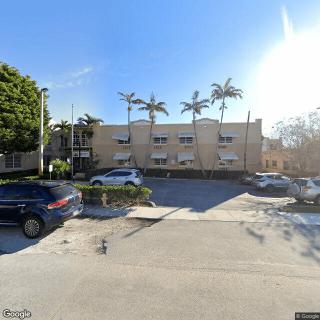
Those for whom this may not be the best fit are families prioritizing location above all else, or those seeking a more hospital-like, clinical setting, more urban convenience, or a facility with different cultural or social programming. The neighborhood around the campus is noted as less favorable, though once inside the security gates the environment is described as very safe and well cared-for. For families seeking lighter rehab or shorter-term stays, it may be prudent to compare with facilities that emphasize rapid discharge pathways or more aggressive post-acute networks. Additionally, a few reviews flag the need for stronger coordination between rehab teams and families; prospective residents should confirm clear, regular communication as part of the care plan.
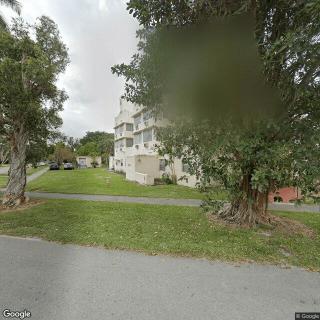
On balance, the most compelling advantages are the rehab results and the people delivering care. A broad group of reviewers praise the physical therapy, nursing care, and patient-facing staff as outstanding, with professionals who treat residents as individuals and maintain high standards of courtesy and competence. The campus itself reinforces these strengths: beautifully kept grounds, generous spaces, and, critically, a security presence that reassures families. The culture comes through in comments about staff who genuinely care, not just follow procedures, and in the way admissions, doctors, CNAs, and social workers collaborate to keep families informed. For families seeking a place that looks and feels like a caring community while delivering serious rehabilitation, this facility is hard to surpass.
Yet, a couple of caveats deserve attention. While most reviews celebrate open communication, one note calls for better alignment between the rehabilitation team and family updates. That is not universal, but it’s worth validating during a tour: ask how progress reports are delivered, who initiates them, and what triggers family check-ins. The location drawback is real for those who must balance travel time or prefer neighborhoods with different ambience, even though security and indoor care are top-tier. These factors don’t erase the core strengths, but they do define who should walk away convinced versus who should keep exploring alternatives in parallel.
When evaluating options, the critical questions here center on rehab outcomes, pace, and ongoing quality of life after discharge. Prospective residents should probe the rehab program’s typical length of stay, success rates, and post-acute support pathways, as well as the social and spiritual life that emerges from a facility with a strong community feel. This campus earns trust through consistent staff presence across shifts, continuity of caregivers, and visible devotion to residents. Security, gardens, and accessible spaces add to daily life for residents with mobility challenges. For families prioritizing a proven rehab environment that also offers comfortable long-term care, this setting meaningfully reduces uncertainty about a loved one’s safety and progress.
In practical terms, Miami Jewish Home & Hospital for the Aged stands out as a premier choice for rehab-forward seniors who also require reliable long-term care and a supportive community. It is especially well-suited for families who value clinical excellence in therapy, attentive general care, and a sense of belonging that extends from the entrance to the bedside. Those for whom location, neighborhood context, or a different balance of acute and post-acute services is non-negotiable should consider alternatives with stronger emphasis in those areas, but for most families confronting post-hospital recovery or ongoing skilled nursing, MJH delivers against the core criteria: care, competence, and a humane, resident-centered approach.
 Assisted Living
 Independent Living
 Memory Care
 Skilled Nursing Facility
 Activities off-site
 Beautician on-site
 Devotional services off-site
 Indoor common areas
 Outdoor common areas
 Private
 Respite or short term stays offered
 Swimming pool / hot tub
 Wheelchair accessible showers
 Miami International (7 miles away)
 Ambulatory care
 Diabetic care
 High acuity care
 Hospice care
 Incontinence care
 Kosher




 A Holistic Dementia Care Guide: Effective Strategies for Memory Support
 Memory Care Pathways: A Holistic Guide to Dementia Support
 Comprehending Evening Confusion in Dementia: Causes, Manifestations, and Support