
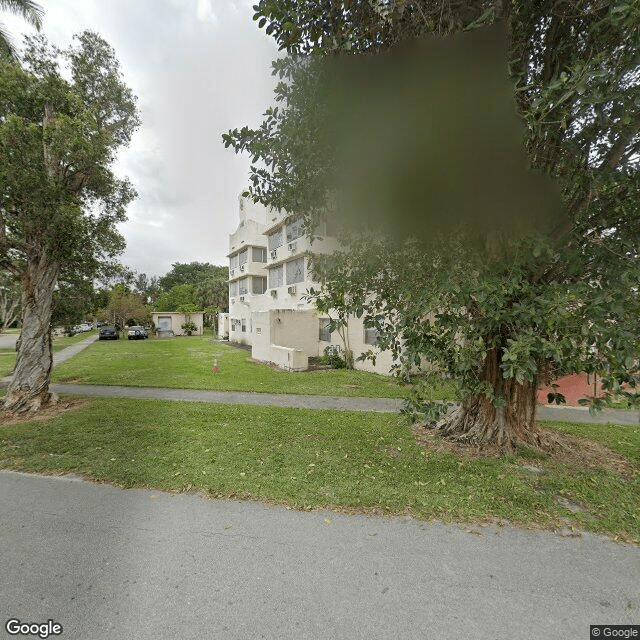
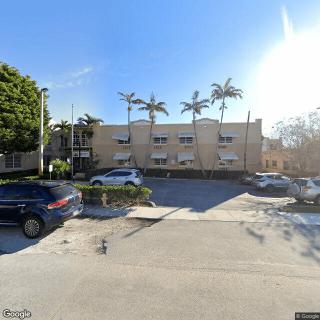
201 Curtiss Parkway, Miami Springs, FL 33166
For more information about senior living options: (866) 208-4318
Overall Review of Fair Havens Center
Pros
 The facility is clean and the rooms are well kept.
- The staff is on point and treats patients with respect and dignity, with professional care.
- The reviewer feels blessed to have found this place for her mother.
- The therapy department is valued and helpful.
- The staff is very pleasant and goes out of their way to assist residents.
- The meals are excellent and can be tailored to dietary preferences.
- The facility offers many useful amenities and activities for residents.
- Nurses are very nice and responsive to concerns.
Cons
 The facility is described as resembling an asylum, with beds, equipment, and rooms that are disgusting, outdated, and unsafe.
- Monitoring is inadequate, as patients are checked only every 1–2 hours.
- Staff allegedly failed to monitor a patient with a dialysis port, risking serious harm.
- An older patient was reportedly told to "shut up" and then drugged to quiet him.
- Patients feel they are not a priority, experiencing long waits for pain relief and limited access to the PCP.
- The center offers minimal rehab with little to no meaningful activities and limited English-speaking staff.
- Maintenance and administration are criticized as poor, with questions deflected and elderly welfare not prioritized.
- A patient was left in stool for too long, causing burns, with directors lacking empathy and complaints being rewritten to fit their words.
Review
Fair Havens Center in Miami Springs is best suited for families seeking a traditional, resident-focused environment where staff are consistently described as attentive, respectful, and professional, and where cleanliness and daily care routines are the baseline. The facility often stands out in reviews for well-kept rooms in the areas that have been renovated, a Spanish-speaking staff presence with translation support, and a therapy department that some families find valuable for recovery needs. For residents who are comfortable in an older building that is undergoing upgrades, and who prioritize personal interactions and routine daily care over high-intensity rehab or cutting-edge equipment, this community can feel like a reassuring, home-like choice.
Those weighing alternatives should pay close attention to the facility’s notable downsides. Several reviews highlight serious concerns about staffing levels, after-hours responsiveness, and overall medical oversight, including examples of delays in answering call bells and perceived gaps in monitoring. Rehab services, when they are required, have been described by some families as insufficient, with claims of minimal or absent physical therapy and limited objective progress. Language and communication barriers, maintenance issues, and a sense that administration does not consistently address complaints or coordinate records promptly further complicate the decision for residents with higher acuity or complex medical needs.
The strongest positives, cleanliness, respectful treatment, and a focus on dignity, do mitigate certain risks but not all. When staffed well, the team can provide steady daily assistance, routine bathing, meal service, and social activities that contribute to a sense of stability and familiarity. The therapy department, where present, offers a potential pathway to functional gains for some residents, and the ongoing renovations may gradually improve living conditions. However, these benefits become less meaningful for a resident who requires robust rehabilitation, 24/7 skilled nursing oversight, or rapid escalation of medical concerns, given the recurrent reports of under-staffing and inconsistent clinical responsiveness.
In practical terms, families should weigh the trade-offs carefully. If a loved one has moderate to low acuity and values a warm, language-accessible environment with reliable daily support, Fair Havens Center can be a workable fit, especially as parts of the building are updated and staff remain approachable. On the other hand, for those prioritizing aggressive rehabilitation, urgent medical oversight, or a facility with consistently prompt responses to emergencies, the cons significantly undermine confidence that needs will be met in a timely, predictable fashion. The risk of neglectful episodes or insufficient monitoring, even if not universal, is enough to justify exploring other options before committing.
To evaluate suitability, a deliberate, multi-visit approach is essential. Families should observe operations during multiple shifts, request to speak with the current therapy team, and verify whether a dedicated rehabilitation plan exists for the incoming resident. Directly inquire about after-hours staffing, the process for recording and sharing medical changes, and the facility’s track record with pressure ulcers and hydration issues. Translation capabilities, meal customization beyond basic options, and the ability to adjust activities to individual interests should be confirmed in writing. Such due diligence helps separate favorable impressions from systemic gaps.
Ultimately, Fair Havens Center represents a pragmatic choice for caregivers who value personal attention and a familiar, home-like atmosphere, while acknowledging substantial concerns around rehab intensity, staffing consistency, and administrative responsiveness. For families prioritizing robust rehabilitation, rapid access to skilled nursing care, or modernized facilities with proven, high-volume therapy programs, alternatives in the area are strongly advisable. If the decision is to proceed here, proceed with a concrete care plan, clear escalation pathways, and close, ongoing oversight from the family to ensure care remains aligned with the resident’s evolving needs.
 60 resident community capacity
 Assisted Living
 Skilled Nursing Facility
 Activities on-site
 Air-conditioning
 Beauty salon
 Cable or satellite TV
 Computer center
 Devotional services off-site
 Dining room
 Fitness room
 Fully furnished
 Gaming room
 Garden
 Housekeeping services
 Indoor common areas
 Kitchenette
 Move-in coordination
 Outdoor space
 Private bathrooms
 Restaurant-style dining
 Small library
 Telephone
 Wellness center
 Wi-Fi/high-speed internet available
 Miami International (2 miles away)
 Community operated transportation
 24-hour call system
 Ambulatory care
 Assistance with bathing
 Assistance with dressing
 Assistance with transfers
 Diabetes diet
 Diabetic care
 Medication management
 Special dietary restrictions
 Concierge services
 Planned day trips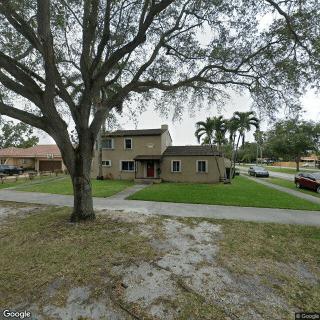




 8 Key Indicators That Suggest It May Be Time to Transition from Assisted Living to Skilled Nursing Care
 Vibrant Senior Living: A Comprehensive Guide for Active Older Adults
 When to Transition from Assisted Living to Memory Care: Key Indicators, Steps, and Finding the Right Community