
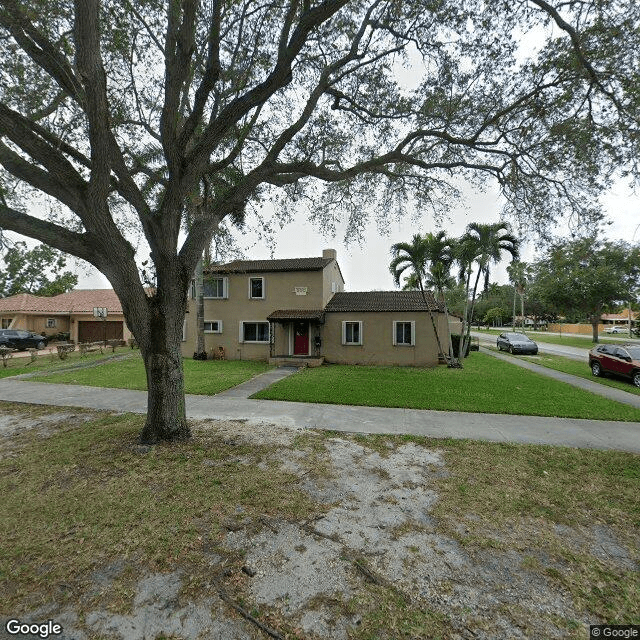
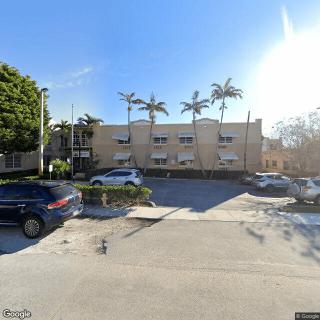
200 South Drive, Miami, FL 33166
For more information about senior living options: (866) 208-4318
Morningside Manor & Villa Adult Care Corp. Costs & Pricing
Morningside Manor & Villa Adult Care Corp. offers competitive pricing in comparison to both Miami-Dade County and the broader state of Florida for its residential care options. For semi-private accommodations, the monthly cost at Morningside Manor is $4,200, significantly higher than the county average of $2,250 and the state average of $3,009. When it comes to private rooms, residents can expect to pay $4,800, which also exceeds Miami-Dade's average of $3,304 and Florida's average of $3,699. These figures suggest that while Morningside Manor provides a higher-end service, prospective residents should carefully consider their budget in relation to the more affordable options available within both the county and state.
| Floor plans | Morningside Manor & Villa Adult Care Corp. | Miami-Dade County | Florida |
|---|---|---|---|
| Semi-Private | $4,200 | $2,250 | $3,009 |
| Private | $4,800 | $3,304 | $3,699 |
Assisted Living communities with a similar price nearby
-
from +$645 / mo

The Sheridan At Cooper City
$4,845 to $6,100 / month15.0 miles away -
from +$300 / mo

Bay Oaks
$4,500 to $7,000 / month5.8 miles away -
from +$240 / mo

Vi at Aventura, a CCRC
$4,440 to $7,638 / month13.0 miles away -
from -$800 / mo
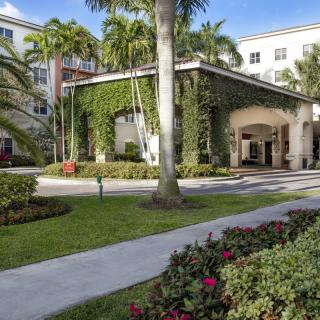
Palace At Kendall
$3,400 to $5,750 / month10.6 miles away -
from +$300 / mo
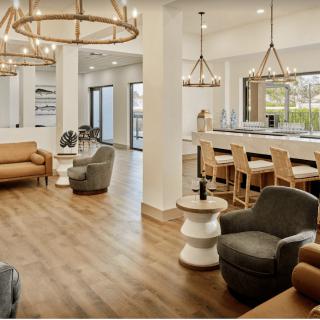
The Oasis at Coral Reef
$4,500 to $5,700 / month13.6 miles away
Overall Review of Morningside Manor & Villa Adult Care Corp.
Pros
 He is a super professional doctor, very kind and respectful.
- He cares deeply about each of his patients.
- The mother thrives in this ALF.
- The compassionate care is unequaled.
- The home is very clean, spacious, and feels like a home rather than a facility.
- The owner is meticulous about care, and the staff treats residents like family.
- The mother is very happy there and truly well cared for.
- Because of Morningside Manor, the family can enjoy time with their mom without the constant worry about safety.
- The family highly recommends this ALF.
Review
Morningside Manor & Villa Adult Care Corp. in Miami is best suited for families seeking a warm, home-like assisted living option where daily life centers on personal connection, cleanliness, and attentive, hands-on care. It serves seniors who thrive in smaller, family-style settings and who value a caregiving team that treats residents as family members rather than a row of anonymous occupants. For an elder who wants to stay in a residence that feels like home while receiving steady, compassionate support, this community checks those boxes and offers reassurance to relatives wishing to minimize daily worry about safety and well-being.
However, it may not be the right fit for those with high-acuity medical needs or a requirement for a formal memory-care program. Families needing constant, on-site clinical oversight, sophisticated wound care, or specialized dementia care services across a broad continuum may prefer larger campuses with dedicated medical teams. Similarly, if the priority is a highly structured activity calendar, expansive common spaces, or robust transportation and external programming, alternatives could deliver more extensive options.
On the upside, the standout pros are substantial. A homey environment is paired with meticulous attention to care, and staff who genuinely treat residents as family. The facility is described as very clean and spacious, reinforcing a sense of safety and dignity. The caregiver culture, courtesy, respect, and genuine affection, translates into noticeable improvements in quality of life, with a resident described as thriving. This combination of environment and personal attention helps families rest easier, freeing them to focus on meaningful time with their loved one rather than constant worry about daily needs.
Medical oversight is another clear strength. A highly professional doctor who is kind and respectful adds credibility and confidence to the care plan, reinforcing trust between families, residents, and the staff. When residents are known and cared for individually, and when the day-to-day rhythm feels like a well-run home rather than a clinical facility, the benefits compound: fewer hospital runs, more consistent routines, and greater emotional stability for seniors who respond to familiar faces and predictable schedules.
That said, prospective residents should acknowledge the invisible trade-offs. The intimate setting and smaller scale, while desirable, may limit the breadth of specialized services available on-site. Verification of staffing levels, the availability of 24/7 medical backup, and access to physician visits is prudent. For memory care, inquiries about staff training, secure design features, and programming tailored to memory impairment, even if not branded as a dedicated dementia unit, will clarify how well needs are met. Understanding transportation options and activity variety will also illuminate how well daily routines align with individual interests.
In the end, Morningside Manor offers a compelling choice for families prioritizing warmth, cleanliness, and hands-on, compassionate care delivered in a homey atmosphere. It is well suited for seniors who value consistent daily support and for relatives who want to minimize constant worry while staying connected to loved ones. For those whose expectations center on intensive medical management or broad, specialized programming, alternatives may be preferable. To decide, schedule a visit, meet the owner and care team, observe interactions with residents, and request a transparent care plan that includes medical oversight, emergency procedures, and a sample week of activities.
 6 resident community capacity
 Assisted Living
 Board and Care Home
 Cable or satellite TV
 Devotional services off-site
 Dining room
 Fully furnished
 Garden
 Housekeeping services
 Move-in coordination
 Outdoor space
 Private
 Respite or short term stays offered
 Telephone
 Wi-Fi/high-speed internet available
 Miami International (2 miles away)
 24-hour supervision
 Activities of daily living assistance
 Ambulatory care
 Assistance with bathing
 Assistance with dressing
 Assistance with transfers
 Diabetes diet
 High acuity care
 Incontinence care
 Meal preparation and service
 Medication management
 Special dietary restrictions
 Transportation arrangement (medical)
 Transportation to doctors appointments
 Visiting Rabbi
 Visiting chaplain or priest


 Beyond the Bingo Hall: 50+ Enriching Activities for Seniors in Assisted Living
 Understanding the Distinctions: Assisted Living and Memory Care Explained
 Guiding Elderly Parents Who Refuse Assisted Living: 6 Practical Steps