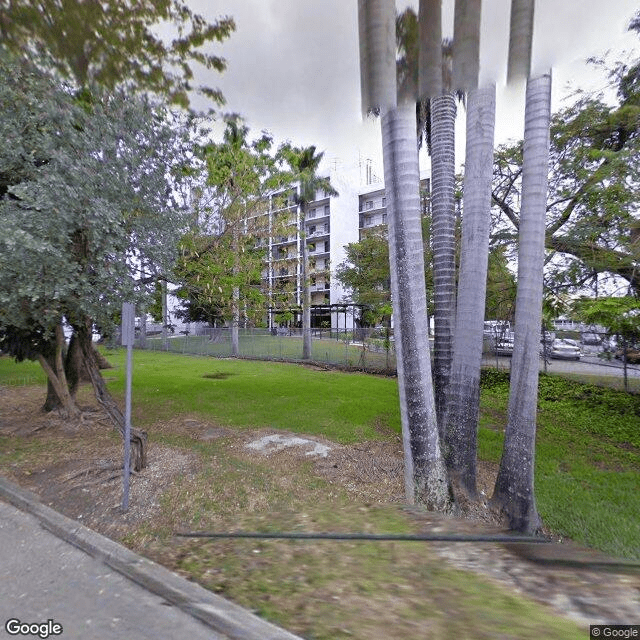
1150 North West 11 Street Road, Miami, FL 33136
To contact a resident: (305) 545-3410
For more information about senior living options: (866) 208-4318
Overall Review of Helen M. Sawyer Assisted Living
Pros
 The staff are very attentive.
- They are excellent and professional.
- They are always friendly and respectful.
- The staff are friendly and caring, and residents have privacy and dignity.
- It is a good option for elderly people who need affordable care.
Cons
 The facility is abandoned by maintenance workers and is very dirty, leaving the elderly with no space to enjoy.
- The facility lacks adequate government funding.
- The place is described as hell by a resident who lived there, with no entertainment or amenities for residents.
- The food is very unhealthy for the elderly, greasy, high in carbs, and contains rotten vegetables.
- There are many smoker residents who smoke everywhere, showing no respect for non-smokers.
- The resident was sick all the time (allergies, colds, and diarrhea) while living there.
- This is not a good place for elderly people; that place is just to wait for death.
Review
This community is best suited for aging adults who want affordable assisted living with reliable staff support and the practical benefit of being near family. It suits residents who place a premium on respectful, clearly attentive care and privacy over flashy amenities, and for families willing to participate in oversight to keep everyday life steady. Those who prioritize robust programming, a gourmet or well-balanced menu, and pristine common areas should look elsewhere. The reality is that the strongest selling points here are the people: a staff that residents and families describe as caring, attentive, and professional, combined with an environment where privacy and dignity are preserved even when budgets are tight. If proximity to loved ones and affordable care are the top filters, this community can be a good match.
On the positive side, multiple voices highlight staff as the backbone of the experience. Residents and families alike emphasize attentiveness, friendliness, and respect from caregivers, noting that the team remains professional and compassionate in daily interactions. This is not a cold, impersonal setting; it is a place where residents feel seen and treated with courtesy. For families who need steady, personal oversight, especially when distance or schedules limit in-person involvement, the dedication of the staff provides meaningful reassurance. When the day-to-day care is consistently humane, it buys time and reduces anxiety for families navigating transitions.
Yet the disadvantages are persistent and consequential. A critical thread across experiences is maintenance neglect and cleanliness concerns, with reviews recounting a sense of abandonment by maintenance staff and spaces that feel dirty or incomplete. In an environment designed for vulnerable adults, visible deferred upkeep translates into real worries about safety, dignity, and daily comfort. Amenities and entertainment offerings appear limited, and several accounts describe a lack of meaningful activities or social stimulation. When the environment fails to invite engagement, even well-meaning caregivers struggle to compensate, and that friction bleeds into overall well-being and satisfaction.
Diet and health-related remarks amplify the tensions. One account blames the menu for unhealthy weight and metabolic strain, citing greasy fare, high carbs, and rot regarding vegetables, with a corresponding uptick in cholesterol and related health concerns. The presence of residents who smoke indoors without clear non-smoker protections adds another layer of risk and dissatisfaction for non-smokers and those with respiratory sensitivities. These factors matter because the dining quality and air quality in a community directly influence appetite, energy, and health trajectories, especially for older adults with delicate self-management needs.
Despite the drawbacks, the strongest offsets come from the people and the practicality of the price point. For families prioritizing affordability and ease of access to loved ones, the combination of supportive staff and dignified treatment can soften the impact of a less polished physical environment. The perception of privacy and personal space remains a meaningful benefit, and the capacity to stay connected with family can be a significant quality-of-life factor that some alternatives fail to deliver at a comparable cost. In short, the trade-off is real: solid human care within a basic, unevenly maintained facility.
If this community is on the shortlist, approach it with a clear checklist and a candid value judgment. Schedule a thorough tour focusing on cleanliness, maintenance responsiveness, and the cadence of enrichment activities. Probe the dining program: request a sample menu, discuss portion quality, and ask how dietary restrictions are managed. Verify the smoking policy and the effectiveness of any non-smoker zones, and observe current resident engagement during peak hours to gauge the level of daily stimulation. Speak with several residents and families about incident reports, if any, and request a walk-through of safety features in common areas. For families weighing alternatives, consider options that deliver stronger programming and fresher meals, then compare real-world experiences against the cost delta. Helen M. Sawyer Assisted Living can be a prudent choice for the right combination of affordability, proximity, and compassionate care, but it requires a discerning, proactive buyer who is ready to supervise and decide what trade-offs are acceptable.
 104 resident community capacity
 Assisted Living
 Activities on-site
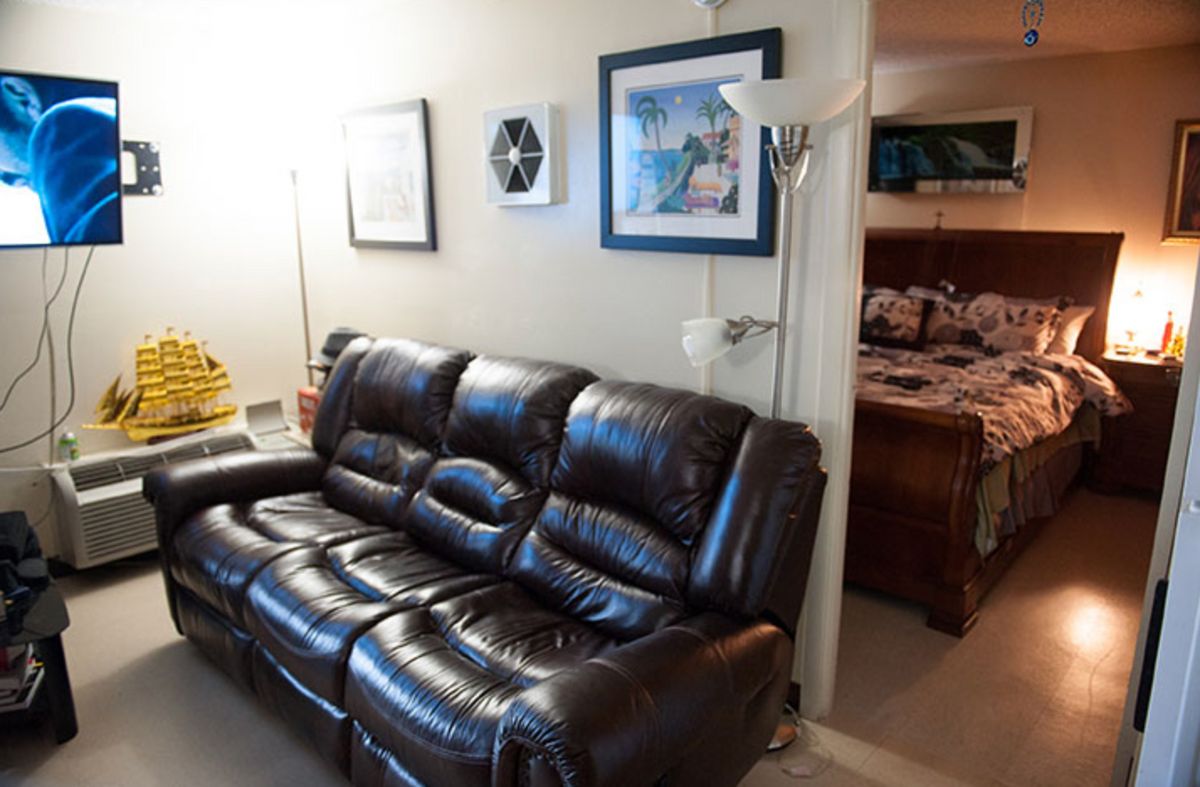
 Air-conditioning
 Beauty salon
 Cable or satellite TV
 Computer center
 Devotional services off-site
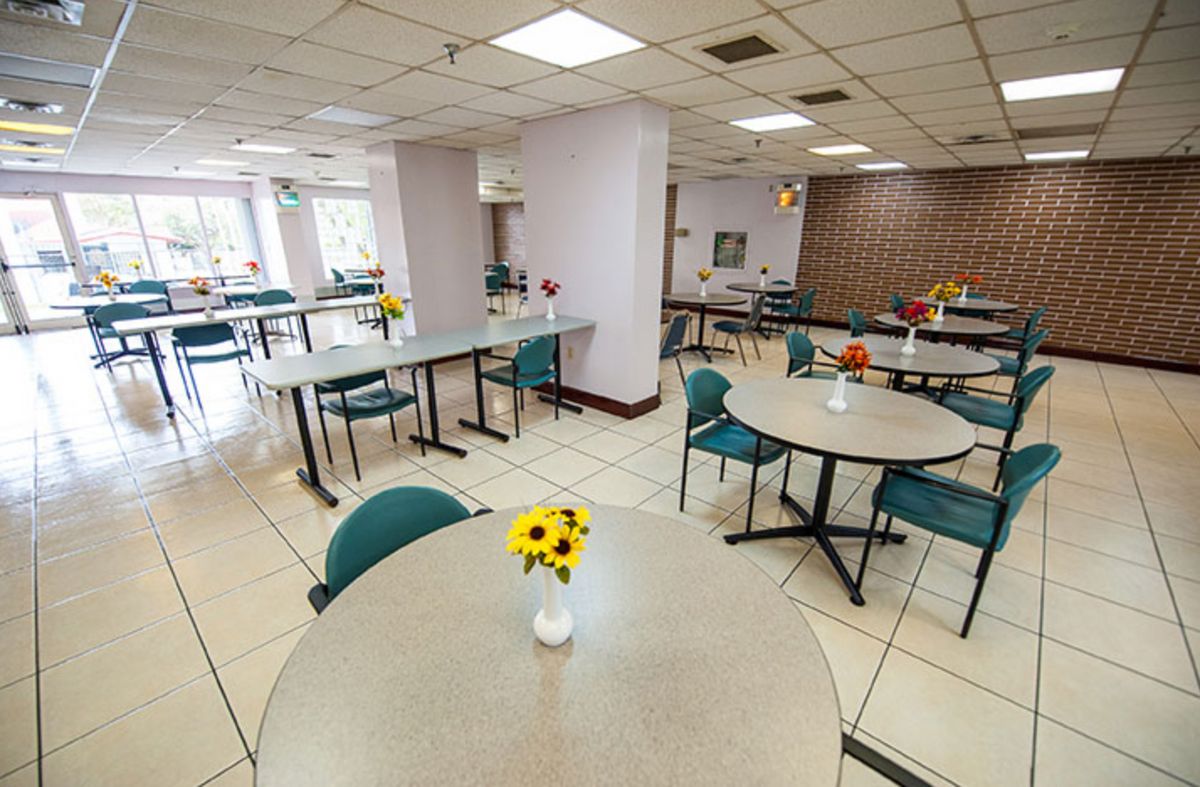
 Dining room
 Fitness room
 Fully furnished
 Gaming room
 Garden
 Housekeeping services
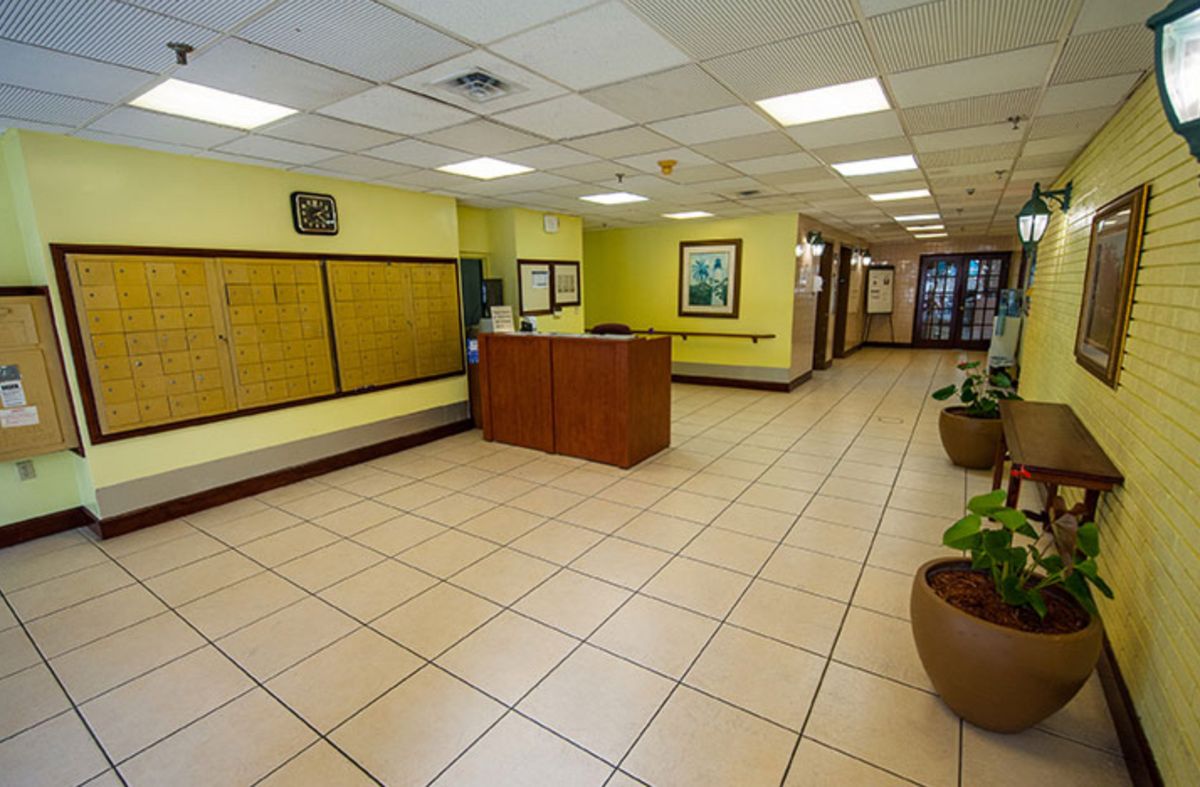
 Indoor common areas
 Kitchenette
 Move-in coordination
 Outdoor space
 Private bathrooms
 Restaurant-style dining
 Small library
 Telephone
 Wellness center
 Wi-Fi/high-speed internet available
 Miami International (5 miles away)
 Community operated transportation
 12-16 hour nursing
 24-hour call system
 Ambulatory care
 Assistance with bathing
 Assistance with dressing
 Assistance with transfers
 Diabetes diet
 Diabetic care
 Medication management
 Mental wellness program
 Special dietary restrictions
 Concierge services
 Planned day trips





 Comprehensive Residential Support and Assisted Living Solutions for Individuals with Disabilities
 Comprehensive Supportive Living Arrangements for Adults with Disabilities
 Funding and Affording Assisted Living: A Thorough Overview