Residents and families describe staff who are attentive and genuinely supportive.
Many reviewers say the nursing and CNA teams are helpful, caring, and responsive when they need assistance. Several families also highlight specific staff members as knowledgeable, friendly, and focused on comfort during rehab or longer stays. A few reviews note staffing can feel strained at times, but even those include praise for certain nurses or aides and that they get the job done.
caveat7 reviews mention this
Communication can be difficult
Communication problems come up, including trouble reaching staff.
Some reviewers report difficulty getting through by phone or reaching staff in a timely way. Others describe delays with call bells or situations where no one was available at the front desk to help when someone was waiting. A separate set of comments asks for better follow-through on medical needs and clearer communication, suggesting the experience can vary.
caveat9 reviews mention this
Facility condition and odors
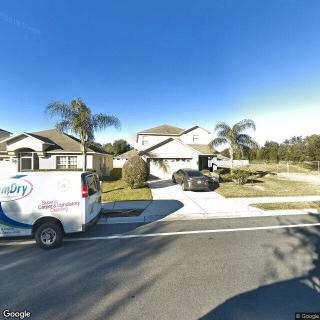
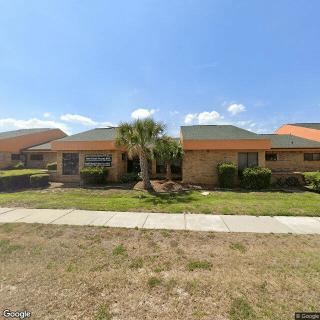
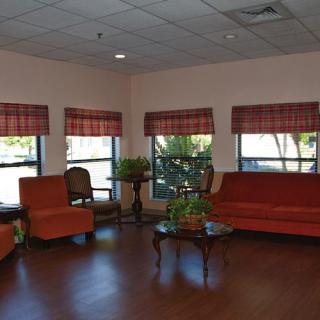
Several reviews criticize the facility’s condition and cleanliness beyond individual rooms.
Alongside positive cleanliness feedback, multiple reviewers describe strong negative impressions such as bad smells, a run-down feel, or unclean areas. Some comments also mention issues with basic upkeep and cleanliness details in bathrooms and common areas. There are also a few very severe reports about neglect-related cleanliness concerns.
caveat5 reviews mention this
Food quality seems inconsistent
Dining gets mixed feedback, with some calling it subpar.
Some residents and families praise meals, saying the food is good, delicious, or something their loved one looks forward to. Others describe food as subpar or note problems such as getting the food that was listed for the day. A few comments connect recent improvements in food services with better experiences.
common8 reviews mention this
Therapy support during rehab
Rehabilitation and physical therapy are a frequent bright spot in reviews.
Several reviewers describe strong therapy outcomes and dedication from the physical therapy team, including helping residents make progress after injuries or surgeries. Families also mention nursing and therapy working together during short-term rehab and longer stays. A small number of comments temper this praise by citing concerns about equipment being outdated and needing more training for some staff.
common2 reviews mention this
Memory care unit receives praise
Residents in the memory care unit are described warmly by families.
At least one reviewer specifically praises the memory care unit for a caring, attentive atmosphere and ongoing staff presence. Another mentions that care and changes in that unit have been for the better, with meaningful engagement described during visits.
How we summarize
Counts show how many written reviews mention each theme; a review can touch several themes, and only frequently mentioned themes are displayed.
Caregiving for an aging parent entails emotional and financial responsibilities accompanied by significant tax implications, including potential benefits from claiming them as dependents and deductions for medical expenses and caregiving costs. Caregivers must understand eligibility requirements, maintain thorough documentation, and consider consulting a tax professional to navigate these complexities effectively.
Low-impact exercises are vital for seniors as they promote health, independence, and social interaction while reducing joint strain. These adaptable activities, guided by healthcare professionals, enhance strength, flexibility, and emotional well-being.
The guide details the tax deductibility of in-home healthcare expenses according to IRS guidelines, differentiating between medically necessary services and non-medical assistance, while emphasizing the need for proper documentation and itemization requirements. It also highlights state-level variations, the importance of record-keeping, and encourages seeking professional tax help to understand evolving regulations.
Get PricingAsk A QuestionSchedule A TourContact Senior Advisor
By clicking submit, you agree to our Partner's Terms of Use. You
also consent to receive calls and texts, which may be autodialed, from our Partner. Your consent is not a condition to
using our Partner's service. Please visit our Partner's Privacy Policy for information about their privacy practices.

 Skilled Nursing Facility
 Friendly, organized staff; engaging activities; on-site medical support.


 Navigating the Tax Landscape of Caregiving: Credits, Deductions, and Beyond
 Highly Beneficial Low-Impact Exercises for Senior Living Residents
 Is In-Home Healthcare Tax Deductible? Your Comprehensive Guide