
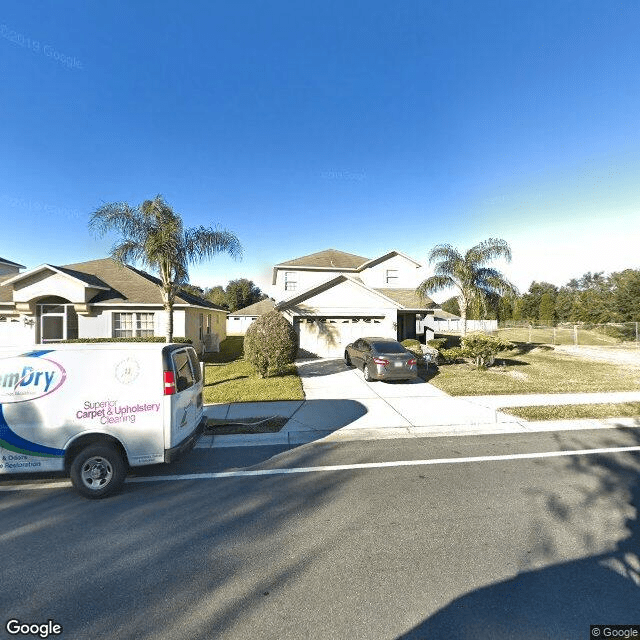
3988 Hampton Hill Drive, Lakeland, FL 33810
To contact a resident: (410) 245-8685
For more information about senior living options: (866) 208-4318
Judith Barrett Douglas AFCH Costs & Pricing
Judith Barrett Douglas AFCH offers competitive pricing for both semi-private and private room accommodations compared to the broader market in Polk County and throughout Florida. With semi-private rooms priced at $2,000 per month, Judith Barrett Douglas AFCH stands out as a more affordable option when contrasted with the county average of $2,935 and the state average of $3,009. For those seeking private room accommodations, the monthly cost is set at $3,500, which still reflects a notable saving compared to Polk County's average of $4,063 - though it's slightly above the state benchmark of $3,699. This positioning not only underscores Judith Barrett Douglas AFCH's commitment to providing cost-effective care but also highlights its appeal for families looking for quality assisted living solutions without straining their budgets.
| Floor plans | Judith Barrett Douglas AFCH | Polk County | Florida |
|---|---|---|---|
| Semi-Private | $2,000 | $2,935 | $3,009 |
| Private | $3,500 | $4,063 | $3,699 |
Senior living communities with a similar price nearby
-
from -$200 / mo
Benrac Home Alf
$1,800 to $4,263 / month19.8 miles away -
About the same
Elderly Pride Assisted Living
$2,000 to $2,500 / month19.7 miles away -
About the same
Kindhearted Assisted Living Facility
$2,000 / month6.0 miles away -
About the same
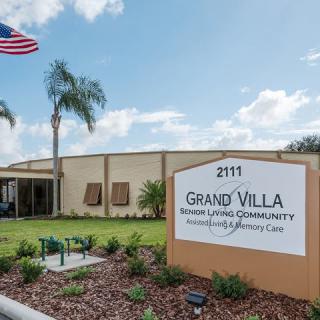
Grand Villa of Lakeland
$1,995 to $2,695 / month2.4 miles away -
About the same
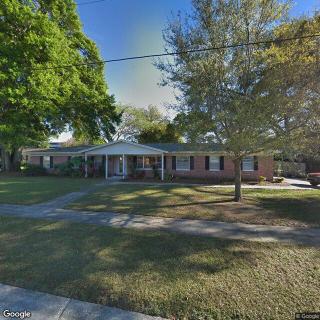
Ava Cares VII
$2,000 to $2,500 / month21.6 miles away
Overall Review of Judith Barrett Douglas AFCH
Pros
 The home is very nice, newer, clean, and warm.
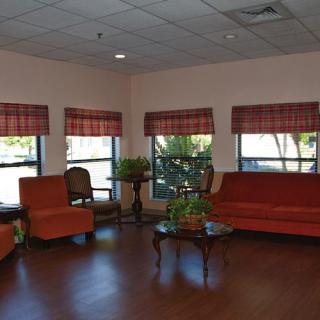
- It features nice common areas.
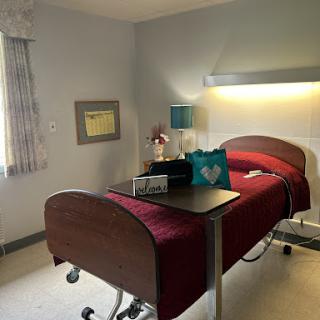
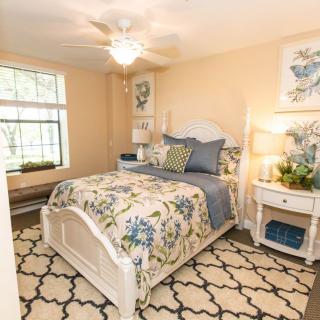
- The bedrooms are a decent size.
- The warm, friendly lady owner adds a welcoming touch.
- It is worth a look for someone able to walk upstairs.
Review
Judith Barrett Douglas AFCH in Lakeland is best suited for families seeking a compact, home-like assisted living option that delivers on cleanliness, a modern feel, and a hands-on, personable caregiving presence. The home reads as newer and well maintained, with warm, welcoming common areas and bedrooms that offer comfortable space for a resident who can manage stairs. The setting favors a private, neighborly atmosphere over a large campus, which can translate into more individualized attention and quicker adjustments to routine. For families prioritizing a tidy, low-key environment where staff relationships feel direct and dependable, this option checks important boxes.
However, attention should be paid to mobility realities. The reviewer’s note that “someone able to walk upstairs” is a prerequisite flags this community as less suitable for residents who require mobility aids, fall-prevention safeguards, or substantial assistance with daily tasks. Alternatives with single-level floor plans, elevator access, or a broader spectrum of on-site services may be preferable for those facing limited ambulation or ongoing health needs. The small size and intimate scope of this AFCH likely means a quieter calendar of activities and fewer on-site therapies or nursing resources than larger facilities. Families evaluating advanced care requirements will want to compare that gap against other options.
On the upside, the strongest appeal lies in the environment itself. A newer, clean home with attractive common areas invites natural socialization without the bustle of a large campus. Bedrooms of decent size provide practical living space for mobility aids and daily routines, while a warm, personable operator helps forge a predictable, reassuring daily rhythm. The quality of care in such settings often translates into reliable routines, meal times, transitions, and companionship, that can ease the stress of transitioning from a private home. The advantage of intimate ownership is less bureaucratic friction and more straightforward communication, which matters when health or routine changes occur.
Still, the main drawback is the stairs. The caveat about needing someone who can walk upstairs is not a minor footnote; it’s a gating factor that influences safety, independence, and the ability to receive certain supports assumed in assisted living. Prospective residents must assess whether the facility can accommodate a decline in mobility over time or whether a stair-free alternative would prove safer. The limited scale of an AFCH can also mean fewer on-site therapies, medication management options, or structured activity programs that larger campuses routinely provide. These potential gaps should shape the decision alongside warmth, cleanliness, and personal attention.
When weighed against the positives, the decision narrows to a clear profile: a resident who values a tidy, home-like environment, appreciates direct access to caregivers in a small setting, and can safely navigate stairs. For such individuals, the pros, newness, cleanliness, welcoming common areas, decently sized bedrooms, and a personable operator, often offset the stair constraint by delivering a sense of security and routine that larger communities may lack. For residents needing extensive mobility assistance, complex medical management, or rigorous fall-prevention support, the stairs become a decisive liability. In those cases, expanding the search to facilities offering level access and broader clinical services is prudent.
Practical next steps center on a targeted tour and a candid questions list. Determine whether stairs are a temporary hurdle or a long-term limitation, and ask about possible accommodations, such as ground-floor options within the same home or transfer plans if mobility declines. Inquire about staff ratios, care planning, meal quality, and what services are included in the monthly rate. Confirm the availability of visiting healthcare professionals, medication administration support, and procedures if health needs escalate. If independence with some mobility is the shared goal and a home-like, clean, empathetic environment is valued, Judith Barrett Douglas AFCH stands out as a strong contender. If not, broaden the search to ensure alignment with the long-term care trajectory.
 Board and Care Home
 Activities off-site
 Bath tubs
 Indoor common areas
 Outdoor common areas
 Private
 Ambulatory care
 Diabetic care
 Incontinence care
 Medication management
 Kosher



 Comprehensive Guide to Qualifying for Home Health Care Services
 Powerful Realities of Elder Abuse and the Most Effective Ways to Report It
 Ten Vital Duties of a Senior Caregiver: A Comprehensive Guide