
1010 Carpenters Way, Lakeland, FL 33809
For more information about senior living options: (866) 208-4318
Overall Review of Wedgewood Healthcare Center
Pros
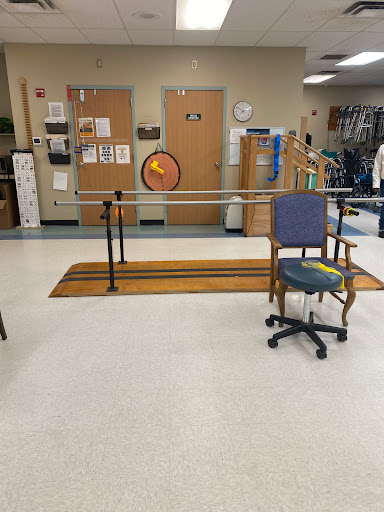
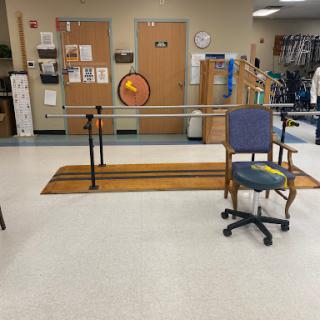
 He liked the rehab staff.
- The therapy is great.
- The staff were nice and good.
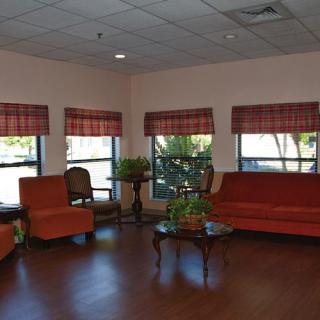
- The facility is probably one of the better nursing facilities in town, and they maintain the grounds fairly well.
- It is clean and the people are friendly.
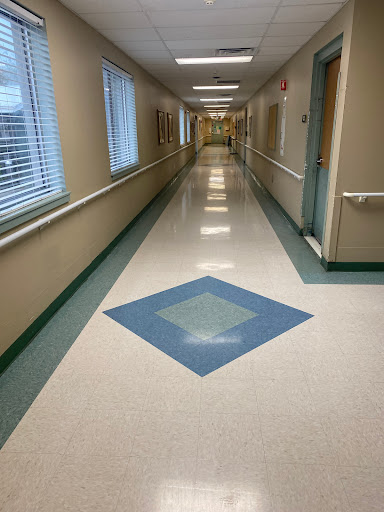
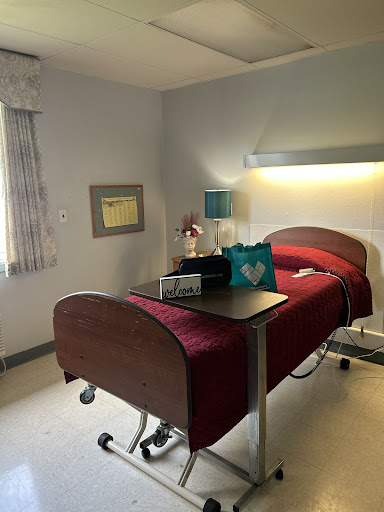
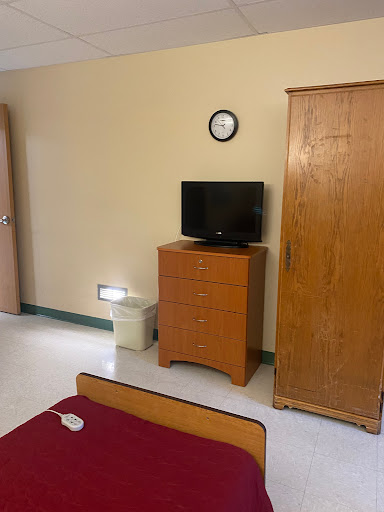
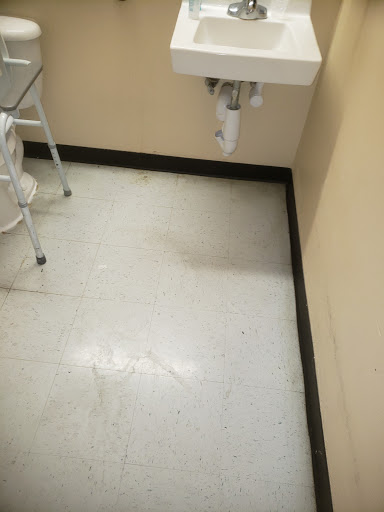
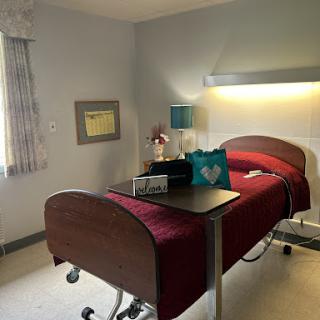
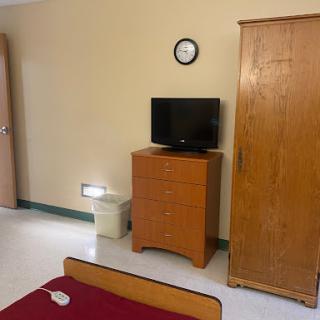
- The floors are clean, the rooms are a good size and very nice, and the staff are very nice.
- They have a chef who tries very hard to plan good meals.
Cons
 The facility’s nursing staff, food, and overall care were unacceptable and disgraceful.
 - The reviewer called it the absolute worst facility, noting CNAs ignored residents and staff were lazy and spoke to patients like dogs.
- The food was served slop, there were no menus, and the staff behaved disrespectfully; the facility should be shut down.
- There were 2–3 hour wait times for therapy, lights were left off, and no help was provided for 30–60 minutes.
- The center relied on temporary staff almost entirely, leading to inconsistent care and a lack of amenities.
- Nurses and CNAs failed to keep patients clean, leaving them in soiled diapers for hours.
- A COVID-19 incident occurred, with a patient moving from negative to positive, and care was minimal beyond Tylenol.
- A patient died due to staff inadequacy and lack of compassion, including a nurse who walked away during respiratory distress.
- The facility was filthy, with patients in hallways and lost clothes, and staff training appeared inadequate.
- The financial department mishandled insurance, causing unnecessary worry and mistrust.
Review
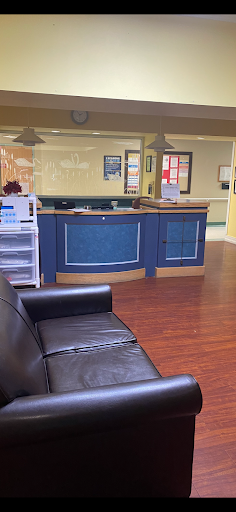
Wedgewood Healthcare Center in Lakeland, Florida is best suited for seniors who need short-term rehabilitation and can tolerate uneven staffing and variable day-to-day care, provided there is active family or surrogate advocacy. The community offers decently sized rooms and some pleasant touchpoints, such as friendly front-desk interactions and a serviceable dining effort when available. It is not the right choice for someone who depends on consistently attentive nursing, rigorous cleanliness, and steady, high-quality meals or for families unwilling to supervise care closely. In short, the facility can support rehabilitation goals in a pinch, but it requires vigilance and a willingness to intervene when care slips.
Families should consider alternatives if a loved one requires reliable, around-the-clock nursing oversight, prompt response to call bells, or a consistently clean and well-run environment. Several reviews flag chronic gaps in basic care, delays in assistance, inadequate hygiene, and limited staff continuity, alongside frequent meals arriving cold or without clear menu planning. For residents with higher medical needs, complex pain management, or a sensitivity to inconsistent staffing, other local options are likely to deliver greater predictability and safer daily operations.
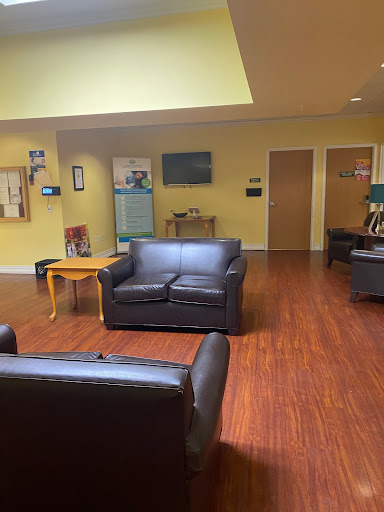
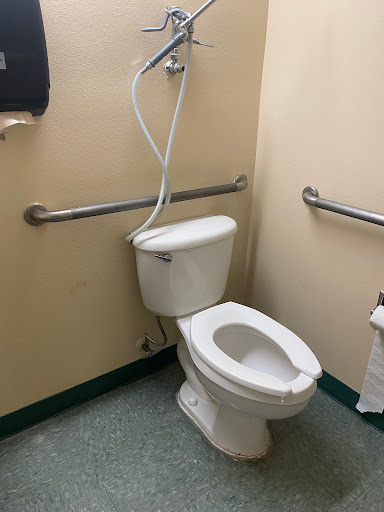
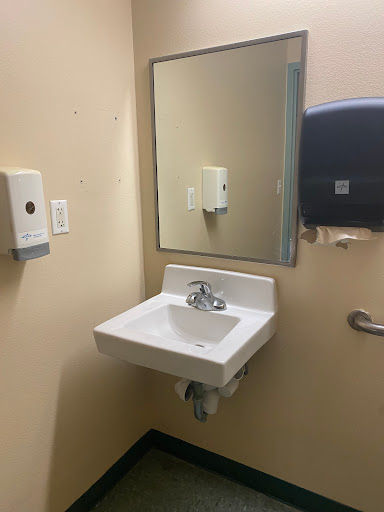
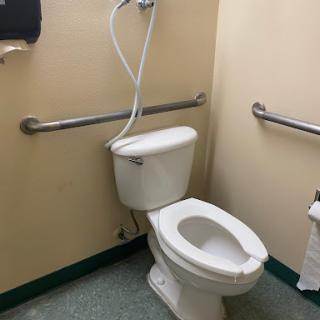
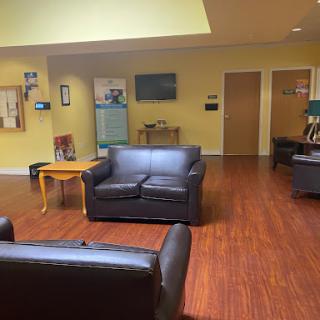
On the upside, there are tangible positives that can support recovery when they occur. Therapy services are cited as the most credible caregiver strength in some experiences, and the facility’s physical layout includes two-bed rooms with private baths and a generally workable room size. A number of reviewers also describe cordial, approachable interactions from staff and front-desk personnel, which can ease the emotional burden of rehab. The presence of a chef pursuing thoughtful meal planning appears as a silver lining in certain stays, and there are mentions of quiet moments when care staff demonstrate competence and kindness.
Yet the main cons dominate the decision calculus. Systemic gaps in nursing and CNA coverage translate to long wait times and infrequent assistance, with reports of lights left on for extended periods or needs unmet for hours. Food quality and consistency emerge as a persistent gripe, with meals described as cold or poorly prepared and without dependable menus. Staff turnover and heavy reliance on agency workers yield inconsistent care teams from day to day, undermining continuity of rehabilitation. Cleanliness and odor concerns, occasional lapses in room upkeep, and moments of perceived indifference toward patients and families further erode confidence in the overall safety and comfort of the environment.
How the pros stack up against the cons is pivotal for decision-making. When therapy is a primary objective, and when a resident can benefit from a friendly face and a reasonably comfortable room, Wedgewood can provide a workable pathway to strength-building and functional improvement. However, these advantages do not reliably offset the pervasive risks associated with delayed assistance, unreliable day-to-day care, poor meal service, and inconsistent staffing. For families seeking a predictable, high-quality rehabilitation experience, the balance tends to tilt toward facilities with stronger nursing oversight, more consistent staffing patterns, and a proven track record of cleanliness and responsive care.
In the end, a practical choice requires clear, outcome-focused conversations and a frank on-site evaluation. Prospective residents and their families should demand close access to therapy schedules, staff-to-patient ratios, and recent inspection or survey results; request direct conversations with the nursing supervisor and the administrator; and observe meal service, housekeeping routines, and how quickly lights or call-bells are answered during a firsthand visit. If Wedgewood is chosen, establish concrete goals for recovery, designate a dedicated point person to track daily progress, and prepare a robust backup plan, because the realities reported by multiple families point to uneven quality and the risk that expectations may outpace what the facility consistently delivers.
 120 resident community capacity
 Skilled Nursing Facility
 Air-conditioning
 Beauty salon
 Cable or satellite TV
 Computer center
 Dining room
 Fitness room
 Fully furnished
 Gaming room
 Garden
 Housekeeping services
 Kitchenette
 Move-in coordination
 Outdoor space
 Private bathrooms
 Restaurant-style dining
 Small library
 Telephone
 Wellness center
 Wi-Fi/high-speed internet available
 Community operated transportation
 12-16 hour nursing
 24-hour call system
 Activities of daily living assistance
 Assistance with bathing
 Assistance with dressing
 Assistance with transfers
 Diabetes diet
 Medication management
 Mental wellness program
 Special dietary restrictions
 Concierge services
 Planned day trips





 Is a Geriatric Care Manager the Right Choice for Your Family?
 Compassionate Conversations: How to Comfort Someone Who Is Grieving
 Home Health Care Aides: Understanding Their Role and Supporting Your Family