Overall Review of Highline Rehabilitation And Care Community
differentiator14 reviews mention this
Rehab and therapy helped residents
Physical and occupational therapy is repeatedly credited for meaningful recovery progress.
A large number of residents and family members describe PT/OT as the part of the stay that moved progress forward, including getting up to stand, walking again, and regaining daily independence. Several reviews also mention therapy teams that plan treatment carefully and push residents with “reality checks” or challenging, progressive work. Even some critical reviews reference therapy schedules and whether sessions occurred as expected. Overall, rehab performance is the strongest through-line in how people explain what the community did for them.
common20 reviews mention this
Staff kindness is a major theme
Many residents describe caregivers who are patient, attentive, and respectful.
Across the reviews, residents and families frequently talk about staff being kind, responsive, and willing to help, from nursing and CNAs to housekeeping and admissions support. Multiple people describe a welcoming, respectful tone and note that communication is often supportive or reassuring during a stressful time. A smaller set of reviews take the opposite view, describing neglect, poor responsiveness, or unkind behavior. Taken together, the staff experience is central to why people feel comforted during care, even though not every review is positive.
common10 reviews mention this
Food receives mixed feedback
Residents split on meal quality and consistency during the stay.
Some reviews say the food is good, varied, or includes choices like side items, fruit, or alternate options. Others describe meals as deplorable or disgusting, and a few mention issues like wrong meals or delays. Several comments connect dining with overall day-to-day comfort, while negatives connect it with frustration during recovery. The picture that emerges is that dining works well for some families but not for everyone.
caveat8 reviews mention this
Care responsiveness and call lights
Some reviews describe delayed help when call buttons are used.
Several family members report problems getting timely assistance, including not answering calls, not checking call buttons promptly, or waiting a long time for help during the night. One review describes a multi-hour delay after signaling via the call button, while others mention staff taking calls or not returning them. There are also reviews that mention quick response and attentive checking, which suggests experiences may vary by time of day or staffing levels. This responsiveness gap is one of the main drivers of the most serious complaints.
caveat6 reviews mention this
Cleanliness and room condition vary
Reviews mention both clean, comfortable spaces and instances of dirty rooms.
Positive reviews describe the facility as clean and organized, with a comfortable environment and well-kept rooms. Other reviews are much more negative, citing filthy rooms, unpleasant odors, visible grime, and concerns about not cleaning items or hygiene properly. In addition, at least one review notes the building and common areas need updates like painting and replacing furnishings. Because both ends of the spectrum show up, cleanliness appears to be a recurring point of difference between resident experiences.
How we summarize
Counts show how many written reviews mention each theme; a review can touch several themes, and only frequently mentioned themes are displayed.
Caregiver exhaustion, or burnout, stems from the relentless demands of caregiving, leading to emotional and physical depletion characterized by stress, frustration, and neglect of personal needs. Addressing this burden is essential to prevent long-term consequences, with early recognition and support being crucial for caregivers to maintain balance and implement self-care.
Hospice care at home provides specialized end-of-life support that focuses on comfort and dignity for individuals with life-limiting illnesses, offering a range of services including medical management, emotional and spiritual support, and logistical assistance tailored to the family's needs. It involves collaboration to create individualized care plans and extends to bereavement support after a loved one's passing.
The guide outlines the rising costs of 24/7 in-home care, ranging from $10,000 to over $20,000 monthly, driven by factors such as location and caregiver qualifications. It discusses the limited coverage by Medicare and private insurance, potential Medicaid support, and the emotional and living condition considerations influencing families' decisions on care arrangements.
Get PricingAsk A QuestionSchedule A TourContact Senior Advisor
By clicking submit, you agree to our Partner's Terms of Use. You
also consent to receive calls and texts, which may be autodialed, from our Partner. Your consent is not a condition to
using our Partner's service. Please visit our Partner's Privacy Policy for information about their privacy practices.



 135 resident community capacity
 Skilled Nursing Facility
 Air-conditioning
 Beauty salon
 Cable or satellite TV
 Computer center
 Dining room
 Fitness room
 Fully furnished
 Gaming room
 Garden
 Housekeeping services
 Kitchenette
 Move-in coordination
 Outdoor space
 Private bathrooms
 Restaurant-style dining
 Small library
 Telephone
 Wellness center
 Wi-Fi/high-speed internet available
 Denver International (18 miles away)
 Community operated transportation
 12-16 hour nursing
 24-hour call system
 Activities of daily living assistance
 Assistance with bathing
 Assistance with dressing
 Assistance with transfers
 Diabetes diet
 Medication management
 Mental wellness program
 Special dietary restrictions
 Concierge services
 Planned day trips
 Vibrant, well-situated community with convenient access to dining, parks, pharmacies, doctors, and hospitals.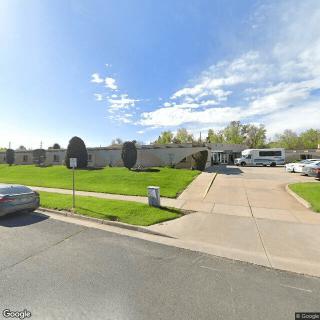





 Caregiver Exhaustion: Recognizing the Signs and Restoring Your Well-Being
 Understanding Hospice Care at Home: Comprehensive Services, Key Benefits, and Eligibility
 Understanding the Full Cost of 24/7 In-Home Care: A Detailed Overview