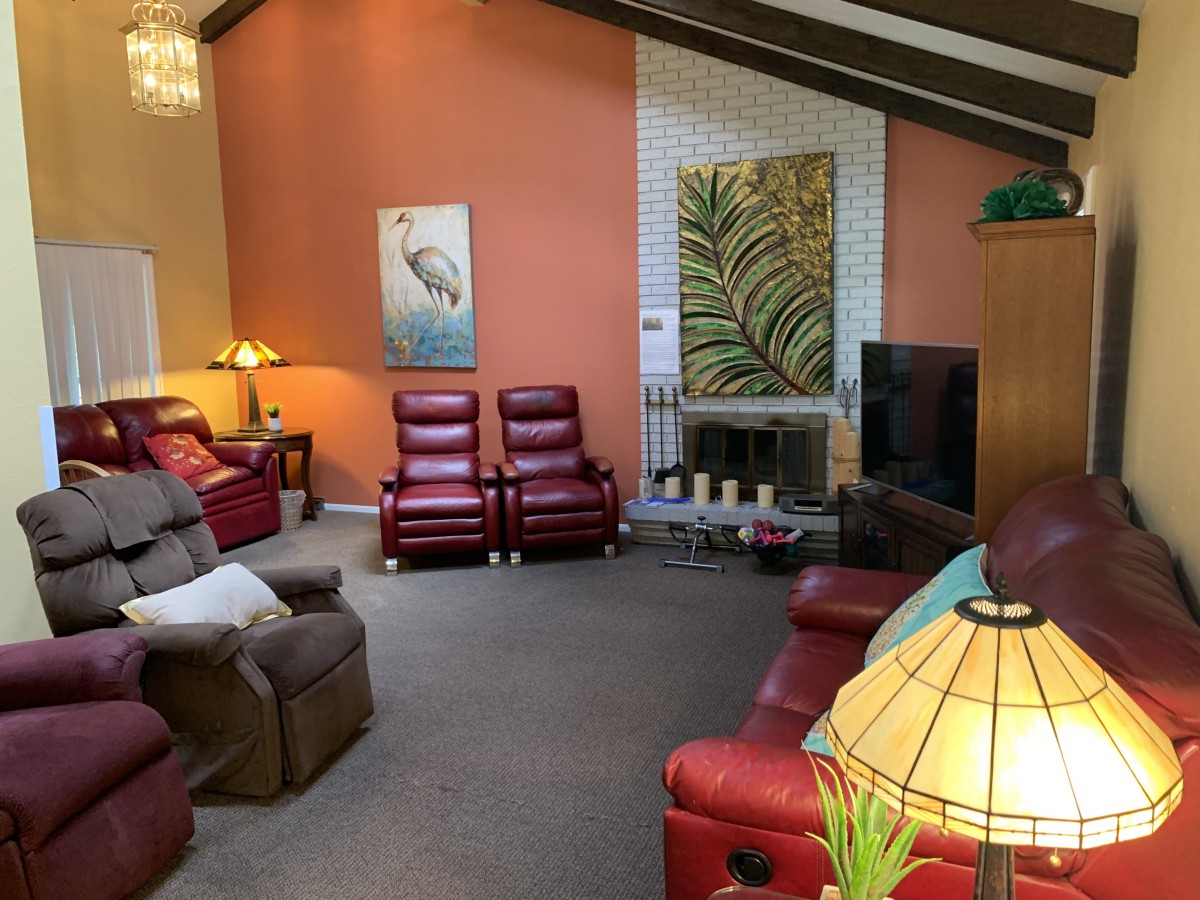
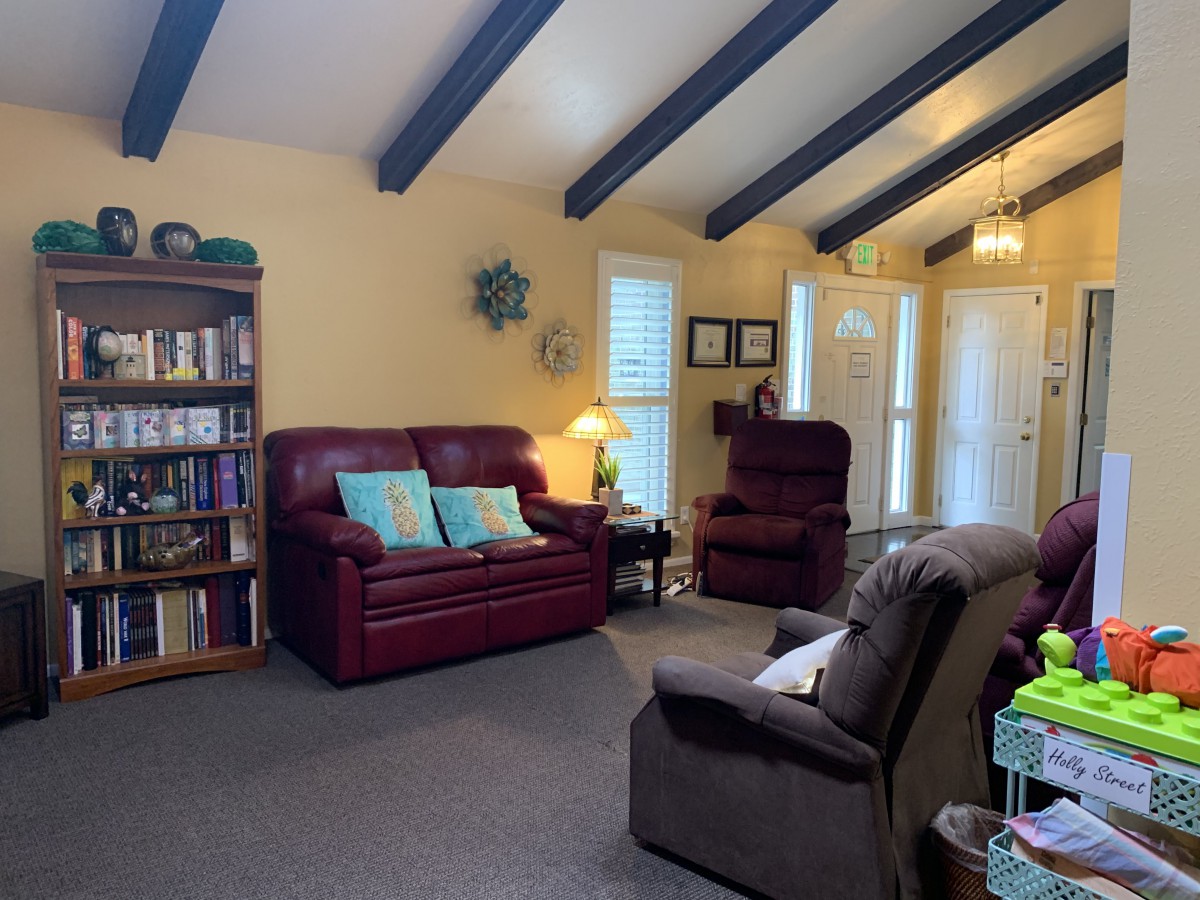
2480 S. Holly Street, Denver, CO 80222
To contact a resident: (303) 584-8926
For more information about senior living options: (866) 208-4318
Serenity House III Costs & Pricing
Serenity House III offers competitive pricing for its accommodations, particularly when compared to both Denver County and the broader state of Colorado. For those interested in semi-private rooms, Serenity House III is priced at $5,200 per month, which is notably higher than the county average of $3,950 and the state average of $4,009. Private rooms at Serenity House III are available for $6,200, again surpassing the county's rate of $4,178 and the state figure of $4,142. The one-bedroom option is slightly above market rates as well, listed at $6,500 compared to Denver County's more affordable average of $3,768 and the state's average of $4,119. These figures suggest that while Serenity House III may be positioned at a premium price point within the local market, it reflects a commitment to quality care and services that may appeal to residents seeking a distinguished living experience.
| Floor plans | Serenity House III | Denver County | Colorado |
|---|---|---|---|
| Semi-Private | $5,200 | $3,950 | $4,008 |
| Private | $6,200 | $4,178 | $4,142 |
| 1 Bedroom | $6,500 | $3,768 | $4,118 |
Memory care communities with a similar price nearby
-
About the same
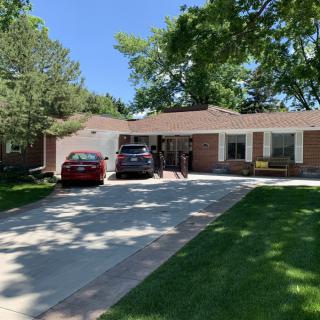
Serenity House Assisted Living Portland Drive
$5,200 to $6,500 / month9.1 miles away -
About the same
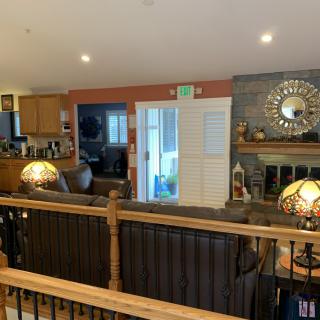
Serenity House Assisted Living Hunters Hill
$5,200 to $6,500 / month6.4 miles away -
About the same
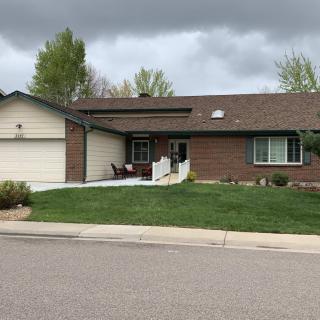
Serenity House Assisted Living Hinsdale
$5,200 to $6,500 / month6.4 miles away -
from +$250 / mo

MorningStar of Observatory Park
$5,450 to $8,300 / month2.1 miles away -
from -$580 / mo
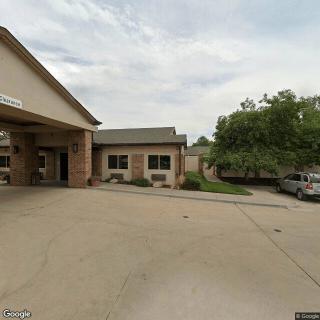
Garden Terrace Alzheimer's Center Of Excellence - Aurora
$4,620 to $5,940 / month5.0 miles away
Overall Review of Serenity House III
Pros
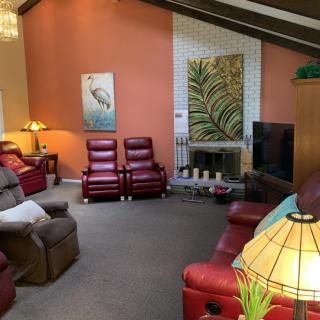
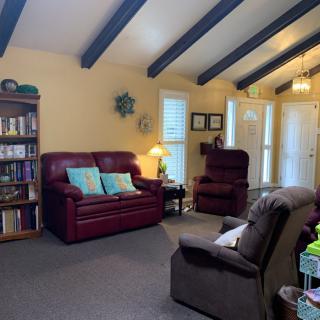
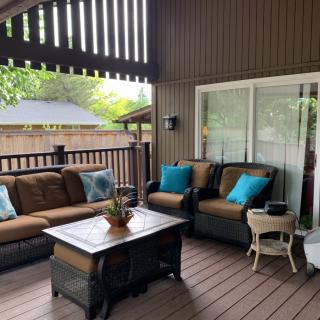
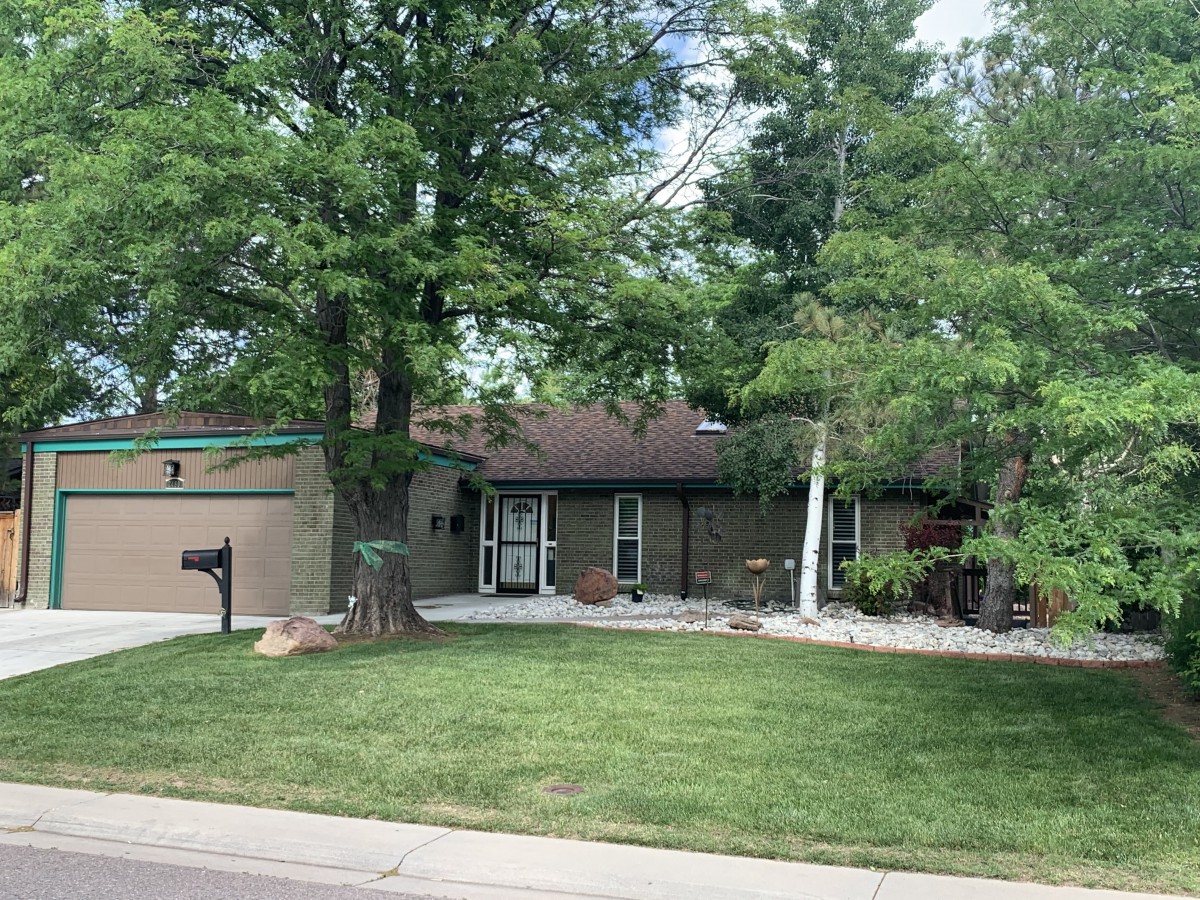
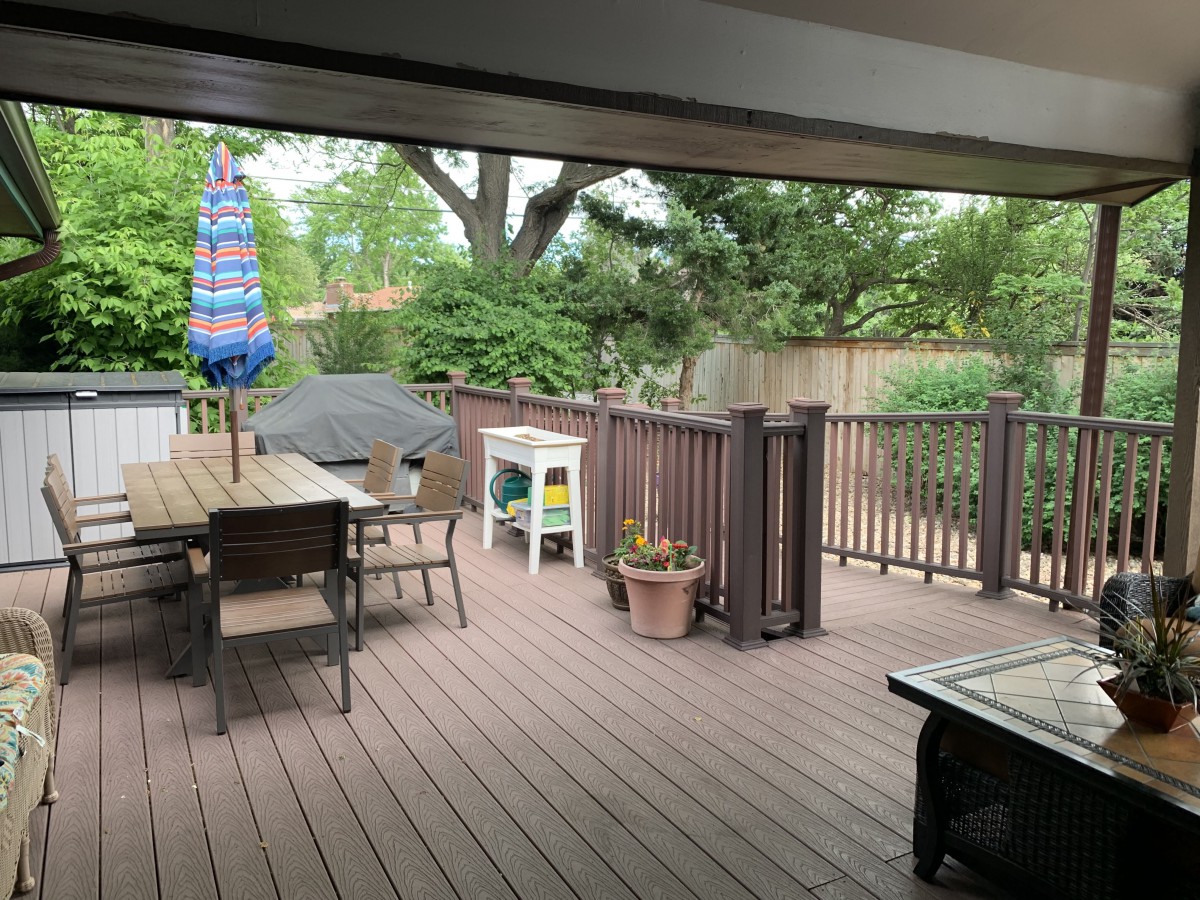
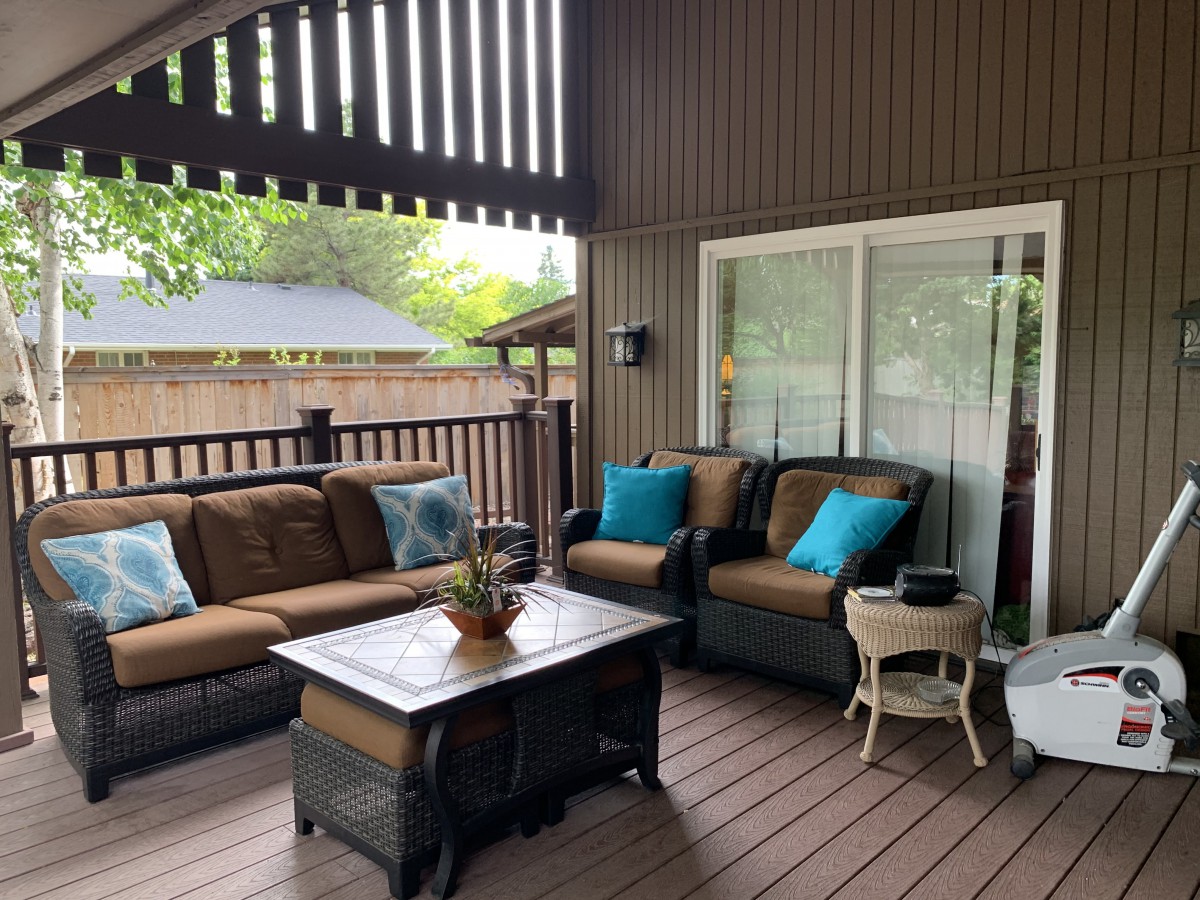
 The home is welcoming, meticulously cared for, and homey.
- The staff are simply wonderful and clearly have a calling for their work.
- Finding Assured/Serenity House was a fortunate turn of events.
- The facility is very clean and among the best of the communities toured.
- The staff are friendly and professional, and the residents seem happy.
- The activities are fun and the residents seem to enjoy them, creating a family atmosphere.
- Serenity House provides a high level of care with no concerns about needs being overlooked, giving families peace of mind.
Cons
 The facility was inappropriately staffed with underqualified personnel, unable to administer medications appropriately, and relied on Google Translate to communicate with patients because they did not speak English.
- The facility director was dishonest in presenting solutions to program problems, was non-responsive, and showed a lack of basic consideration for patient care and family experience.
- There was a delay in communication from accounting regarding a refund, leaving the reviewer strongly considering grievances after their brother’s funeral.
- The care did not seem to be the best match for what their loved one needed at that time.
- The food was unsatisfactory; hot dogs and chicken nuggets were not considered real food, and peanut butter sandwiches were not seen as food— healthier options were needed.
- The weekend staff member was not as personable or capable as the weekday staff in caring for residents.
Review
Serenity House III is best suited for families seeking a small, homey assisted-living setting where personal attention from a stable, on-site team is the defining feature. The community appeals to residents who value a warm, intimate atmosphere, predictable daily routines, and the comfort of a full-time resident manager overseeing day-to-day care. It fits well for seniors who do not require high-acuity medical oversight but appreciate hands-on assistance, a strong sense of community, and the ability to rely on staff who seem genuinely invested in individual needs. Those looking for a large campus with expansive medical staffing or highly diversified multilingual support should consider alternatives.
The strongest positives come from the environment and the caregiving culture. The facility is repeatedly described as clean, well kept, and welcoming, with comments highlighting a family atmosphere and a high level of resident happiness. Families praise staff as friendly, professional, and clearly dedicated to the work. A full-time on-site manager helps prevent care gaps, and several accounts emphasize that the home feel translates into reliable attention to daily needs and a calm, reassuring setting for loved ones. For families dealing with end-of-life considerations or post-stroke recovery, the atmosphere appears to offer precious peace of mind and consistent personal contact.
Yet the care picture is tempered by serious cautions. Staffing quality and language barriers surface as recurring themes. Several reviews allege underqualified personnel and inadequate medication administration, with communication hampered by a lack of English fluency and reliance on translation tools. Administrative responsiveness also draws fire in at least one account, describing dishonesty in presenting solutions and a slow, non-responsive approach to refunds or accounting inquiries. Weekend staffing gaps and a perception that some personnel are more personable than others further complicate reliable day-to-day care, raising legitimate concerns about consistency.
These pros can offset the cons only to a point. For families prioritizing a tight-knit, home-like milieu, Serenity House III delivers a level of warmth, attentiveness, and on-site oversight that is hard to find in larger facilities. The availability of physical therapy and the sense that staff know residents well can compensate for occasional friction in scheduling or language challenges, provided the family remains actively involved and asks pointed questions about care plans. The smaller community size can mean faster escalation and more personalized problem-solving when communication is strong, and schedules align with resident needs.
However, the balance may tilt away from suitability for residents who require meticulous medication management, robust multilingual support, or transparent, accountable administration. The combination of medication concerns, language barriers, and at least one report of questionable administrative conduct creates a risk factor for families who cannot tolerate potential care missteps or delays in resolution. In those cases, the confidence built by a warm staff culture may be insufficient to offset the need for stricter oversight, more consistent nurse availability, and clear, timely administrative communication.
Bottom-line guidance follows a practical framework. Serenity House III serves best families who want a small, intimate home where staff relationships are strong, care is attentive, and daily routines feel like a trusted, familial environment. It is less ideal for those who require rigorous medication protocols, 24/7 multilingual support, or ironclad administrative accountability. Prospective families should prioritize direct conversations with the administrator and frontline caregivers, request a clear medication-management outline, and verify weekend coverage and language accommodations before committing. A trial period, meetings with leadership, and references from families with similar care needs are prudent steps. For others, exploring a larger community with documented staffing ratios, stronger procedural controls, and explicit accountability may yield greater peace of mind without sacrificing the warmth that Serenity House III already offers.
 Board and Care Home
 Memory Care
 Cats allowed
 Dogs allowed
 Activities off-site
 Air-conditioning
 Beautician on-site
 Cable or satellite TV
 Devotional services off-site
 Ground floor units
 Handicap accessible
 Indoor common areas
 Outdoor common areas
 Private
 Private bathrooms
 Respite or short term stays offered
 Wheelchair accessible showers
 Wi-Fi/high-speed internet available
 Denver International (19 miles away)
 Ambulatory care
 Diabetic care
 High acuity care
 Incontinence care
 Medication management
 Anytime dining
 Art classes
 Cooking classes
 Day trips and outings
 Educational speakers / life long learning
 Live musical performances
 Live well programs
 Visiting Rabbi
 Visiting chaplain or priest
 Wine tasting

 Why Do Dementia Patients Sleep So Much? Understanding Oversleeping, Stages, and Care Approaches
 8 Key Indicators That Suggest It May Be Time to Transition from Assisted Living to Skilled Nursing Care
 Nourishing the Mind: Essential Dietary Approaches for Dementia