
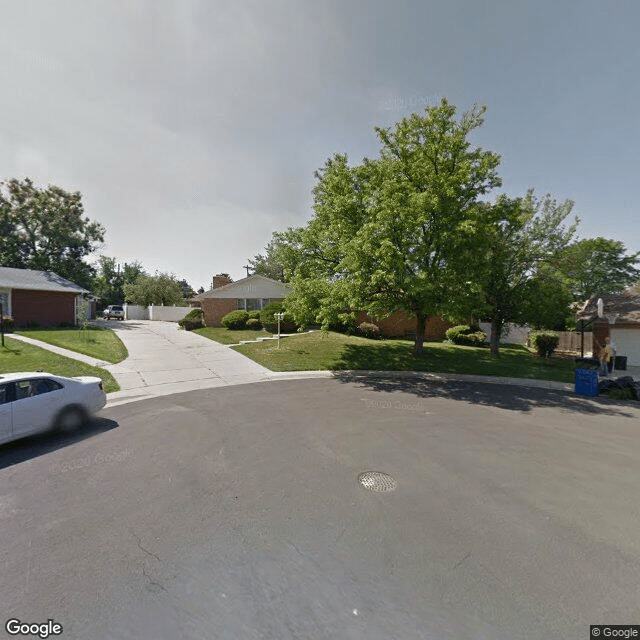
2370 S Holly Pl, Denver, CO 80222
To contact a resident: (303) 757-8133
For more information about senior living options: (866) 208-4318
Overall Review of Supreme Elderly Care
Pros
 The service is outstanding.
- It is a really good place with good service; they help with everything and have good team members.
- This is the best place to get home health.
- They have great care and consultation.
- My grandparents have been receiving care here for over 10 years and are completely satisfied.
- This is the best care company by far.
Cons
 They received five calls in one hour and were hung up on when they asked to be removed from the call list.
- They felt the customer service could be much better.
- They described Supreme Health Care as a very bad health care company.
- They claimed monthly payments were reduced without justification and that they were misled.
- They were charged for a full month of service without prior notice for more than one month and ten days.
- They believed the company did not make any effort to contact them to explain why a service would stop and why deductions occurred.
Review
Supreme Elderly Care in Denver is best suited for families that want in-home health support with a dependable, hands-on care team and a track record of long-term caregiver relationships. The strongest threads in the feedback point to a service that people can rely on for timely assistance and thorough support, caregivers who are described as good, attentive, and available when needed. Several callers have emphasized that staff are responsive, capable of addressing a range of needs, and that the network behind the service supports sustained care for relatives over many years. For families prioritizing continuity of care and a comprehensive home-health approach, this provider delivers clear value.
At the same time, explicit red flags appear in the experience of other clients, suggesting that this may not be the right choice for everyone. A pattern of aggressive outreach and poor boundary handling is documented, including multiple unsolicited calls and instances of being hung up on after requesting removal from call lists. A separate, substantial complaint centers on billing and communication failures, unexpected reductions in monthly payments, lack of advance notice, and limited explanations when service is paused or charges change. These issues undercut trust and complicate budgeting, especially for households balancing fixed incomes with fluctuating care needs.
The positive aspects, outstanding service, broad support, and quick responsiveness, do offset a portion of the risk for families who can tolerate occasional administrative friction. When the focus is daily reliability, practical help with activities of daily living, and consistent on-site attention, the care team’s strengths translate into real peace of mind. Long-tenured clients who report decade-long satisfaction reinforce the sense that, once internal communication is aligned, the care experience can be highly dependable and person-centered. In essence, the core care delivery may outperform many peers, which matters most when a loved one requires steady, respectful oversight.
Still, the main cons are not trivial. Billing transparency, predictable charges, and respectful, non-intrusive client communication are foundational in elder-care arrangements. The most serious red flags, unrequested contacting tactics and disputed billing without timely explanations, threaten ongoing confidence. For families who operate on tight budgets, or who need crystal-clear, proactive financial clarity, these weaknesses can outweigh the benefits of good in-home care. In short, the operational gaps in outreach and billing can erode the value proposition, unless counterbalanced by consistently excellent clinical care and a transparent, collaborative billing process.
Before deciding, conduct thorough due diligence with a focus on three areas: staffing stability and caregiver training, the formal care plan process, and the financial/communication framework. Ask for a written policy on charge adjustments, what triggers a change in fees, and how clients are notified. Verify that case managers provide regular, proactive updates and that there is a clear escalation path for service gaps or billing questions. Confirm caregiver-to-client ratios, turnover rates, and the process for matching caregivers to evolving care needs. Understanding these particulars will reveal whether the strong care ethos can coexist with the administrative clarity required for sustainable, stress-free home health.
In the end, Supreme Elderly Care offers a compelling option for families prioritizing dependable, long-term home health with confident hands-on support. It is a solid match for those who value consistent daily help, thorough care planning, and a trusted network behind the scenes. However, those who cannot tolerate aggressive contact practices or opaque billing risk will want to compare alternatives that emphasize transparent communications and steadier financial handling. When the billing and outreach elements align with a family’s expectations, this provider stands as a capable, practical choice for maintaining independence at home.
 Board and Care Home
 Denver International (19 miles away)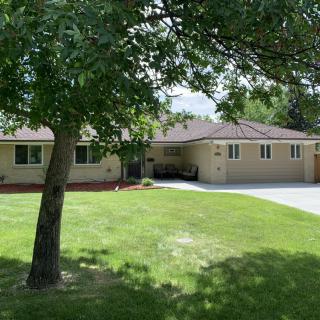



 9 Stimulating Memory Activities for Seniors: Puzzles, Cards, and Much More
 Managing Nursing Home Expenses After Medicare Coverage Ends
 Is a Geriatric Care Manager the Right Choice for Your Family?