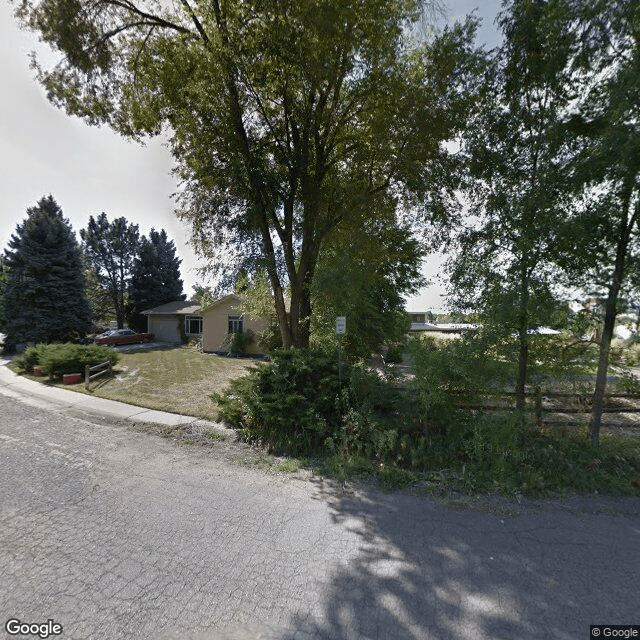
5353 East Yale Avenue, Denver, CO 80222
To contact a resident: (303) 757-1209
For more information about senior living options: (866) 208-4318
Aspen Siesta Costs & Pricing
At Aspen Siesta, the cost for a private room is set at $8,300 per month, significantly higher than both Denver County and the broader state of Colorado, where private accommodations average around $4,178 and $4,142 respectively. This price differential reflects Aspen Siesta's commitment to providing an upscale living experience that often includes enhanced amenities and personalized care options not typically found in more affordable facilities. While the investment may be considerable, many families find value in the attentive services and vibrant community atmosphere that accompany this premium pricing. Thus, prospective residents should weigh these factors against their own budgetary considerations when evaluating their options in the region.
| Floor plans | Aspen Siesta | Denver County | Colorado |
|---|---|---|---|
| Private | $8,300 | $4,178 | $4,142 |
Overall Review of Aspen Siesta
Pros
 The staff at Aspen Siesta is incredibly compassionate and competent.
- Vicky answered questions, addressed concerns, and reassured the family that they could help their mother.
- The nurses’ experience and longevity are evident in their compassion and competence.
- The CNAs Kelly and Chloe are saints.
- Cheryl, the social worker, explained aspects of the disease that helped the family heal from hurt and confusion.
- The facility is a 5-star facility with excellent care, cleanliness, and humanity.
- The experience was extraordinary, with very personalized and attentive care due to the small size.
- The care at Aspen Siesta is top notch, with private rooms and an exceptional staffing ratio.
Cons
 Aspen Siesta refused to pay for services rendered by a staffing company.
- The owner took advantage of a small woman-owned business by not paying them.
- The facility contracted a staffing company to care for its residents and then didn’t pay them.
- The facility's business practices raise concerns about its future viability.
- It is described by some as a money-hungry nursing home.
- They denied family and friends from visiting and often threatened to call the police.
- The night crew slept the entire night, leaving the residents on the floor unsupervised.
- The facility employed unqualified staff to work the entire floor overnight, alone with patients.
- A CNA allegedly wiped patients with long claw nails, risking contamination.
- The safety and well-being of residents did not appear to be their top priority.
Review
Aspen Siesta in Denver is best suited for families seeking a small, intimate skilled-nursing environment where residents receive highly personalized attention. The setting favors hands-on care, with private rooms and a modest resident census that allow nurses and CNAs to stay engaged with each individual. Reviewers consistently praise long-tenured staff, whose experience shows in compassionate, competent care, particularly for dementia and end-of-life needs. For families that prize clear, direct communication and a caregiving team that feels deeply involved in planning and daily routines, Aspen Siesta often delivers a level of attentiveness that larger facilities struggle to match. It is especially appealing for those who want easier, more personal access to leadership and a sense that the care culture is rooted in genuine relationships with residents.
But there are clear reasons to consider alternatives. Several reviews raise red flags about governance and finances, including disputes over payment to outside staffing vendors and questions about the facility’s ability to manage vendor relationships responsibly. There are firsthand accounts of safety concerns and staffing gaps, with reports of night shifts staffed by workers without proper credentials and instances of workers being placed on floors without adequate qualifications. Additional comments describe restrictions on visitors during critical times, and a perception that the facility prioritizes cost control over unimpeded family involvement. For families where financial transparency, consistent staffing, and uncompromised resident safety are nonnegotiable, exploring other options is prudent.
The strongest positives, small size, high caregiver presence, and a reputation for compassionate, individualized care, do offer meaningful offsets against some concerns, but not all. The intimate environment reduces chaos, improves monitoring, and supports meaningful activity planning tailored to each resident. Families praise the cleanliness, the variation in meals, and the attention paid by staff who know residents’ histories and preferences. In many cases, these factors translate into calmer days for residents and steadier family confidence. Yet the concerns about billing practices, potential staffing instability, and governance questions temper that upside, especially for families needing reliable, uninterrupted operations and crystal-clear financial practices.
Several reviews highlight the facility’s advantages beyond care quality. The small campus model can foster a warmer atmosphere, with residents receiving attentive supervision and faster responses to needs. The staff’s dedication comes through in anecdotes about staff staying late or going the extra mile, and in stories of positive end-of-life experiences where dignity and comfort were prioritized. The location’s accessibility also matters for families who rely on easy interstate routes to visit, and the emphasis on private rooms supports both privacy and infection-control preferences. These elements create a compelling case for Aspen Siesta when the focus is on personalized, hands-on care in a homier setting.
Practically, families evaluating Aspen Siesta should conduct a thorough backdrop check before committing. Ask for a current, detailed accounting of vendor payments and a plan for any past due balances, since financial stability directly affects staffing and supplies. Request to meet night-shift leadership and tour a night-time staffing roster to assess actual coverage. Demand a candid discussion about staff qualifications, credentialing, and ongoing training, along with a written policy on visitor access and resident safety. Review the latest state survey and any open concerns, and obtain a transparent contract that spells out billing, rate changes, and what happens if staffing or governance issues arise. A trial visit or at least an extended, supervised tour with direct conversations with front-line caregivers can illuminate whether the reality aligns with the promise.
Ultimately, Aspen Siesta can be a superb match for families prioritizing intimate, attentive care in a smaller, quieter setting and who are comfortable with potential governance and financial questions being resolved over time. It is less well suited for those requiring ironclad assurances about financial transparency, uninterrupted operations, and unambiguous governance. In such cases, exploring facilities with larger oversight, different ownership structures, or a more transparent records practice may be the prudent path. For many families, the decision hinges on weighing the priceless value of highly personalized care against the real risks some have flagged, the balance point being personal comfort with leadership accountability and long-term reliability.
 Skilled Nursing Facility
 Activities on-site
 Air-conditioning
 Bath tubs
 Beautician on-site
 Cable or satellite TV
 Devotional services on-site
 Ground floor units
 Handicap accessible
 Indoor common areas
 Kitchenette
 Outdoor common areas
 Private
 Respite or short term stays offered
 Wheelchair accessible showers
 Wi-Fi/high-speed internet available
 Denver International (19 miles away)
 High acuity care
 Incontinence care
 Medication management
 Gluten-free
 Art classes
 Bible study group
 Cooking classes
 Jewish services
 Live dance or theater performances
 Live musical performances

 Caring for Those Who Care: Recognizing, Understanding, and Overcoming Caregiver Burnout
 Caregiver Exhaustion: Recognizing the Signs and Restoring Your Well-Being
 Understanding Hospice Care at Home: Comprehensive Services, Key Benefits, and Eligibility