
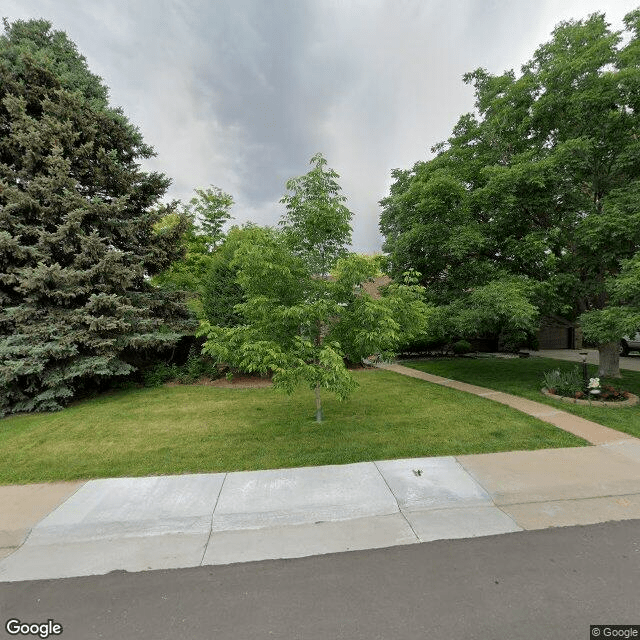
2607 South Eudora Place, Denver, CO 80222
For more information about senior living options: (866) 208-4318
Abbys Assisted Living I Costs & Pricing
Abbys Assisted Living I offers competitive pricing for its residents in comparison to both Denver County and the broader state of Colorado. The facility's semi-private rooms are available for $3,500 per month, which is notably lower than the county average of $3,950 and the state average of $4,009. For those seeking more privacy, the private rooms at Abbys are priced at $4,500; while this is slightly higher than Denver County's average of $4,178, it remains comparable to Colorado's overall average of $4,142. Overall, Abbys Assisted Living I provides a cost-effective option for individuals requiring assisted living services while still maintaining quality care in a desirable location.
| Floor plans | Abbys Assisted Living I | Denver County | Colorado |
|---|---|---|---|
| Semi-Private | $3,500 | $3,950 | $4,008 |
| Private | $4,500 | $4,178 | $4,142 |
Assisted Living communities with a similar price nearby
-
from -$500 / mo

A Loving Hand Assisted Living
$3,000 / month0.7 miles away -
About the same
Castle Rock Assisted Living II
$3,600 to $4,100 / month19.6 miles away -
About the same
Castle Rock Assisted Living 1
$3,600 to $5,000 / month20.0 miles away -
About the same
Auburn View Assisted Living
$3,500 to $5,600 / month9.2 miles away -
About the same
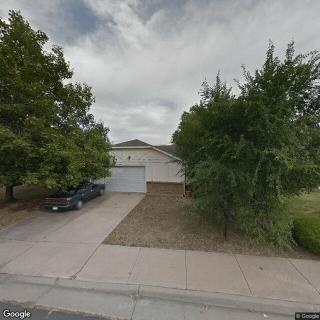
Legacy House Elder Care on Berry
$3,500 to $4,000 / month10.5 miles away
Overall Review of Abbys Assisted Living I
Pros
 Abby's Assisted Living was by far the best among three Denver facilities.
- The staff at Abby's Assisted Living are compassionate.
- The food at Abby's Assisted Living is great.
- Abby's Assisted Living would be the first place chosen when seeking an assisted living for a loved one.
- The facility is clean and well kept.
- The staff are very friendly and receptive.
Cons
 The facility is not one they would recommend; it is small, cramped, and none of the residents looked happy; the staff could barely communicate in English.
- The reviewer is surprised that this facility is licensed, implying doubt about its credentials.
Review
Abbys Assisted Living I in Denver is best suited for families prioritizing a warm, hands-on care environment where staff are consistently described as compassionate and where a small, intimate setting translates into meaningful daily attention. Residents benefit from a high caregiver-to-resident interaction, clean and well-kept surroundings, and meals that families often praise. This arrangement works well for those who value personal connection, steady supervision, and the reassurance of eyes on daily routines. It is not the right match for families seeking a sprawling campus, expansive amenities, or highly formal medical oversight delivered across multiple shifts.
Alternatives should be considered for families seeking more space, broader activity options, or language-strong communication across staff. A larger facility with bigger rooms and more common areas can reduce the sense of crowding and may better serve residents who crave extensive social programming. Additionally, communities with clear English proficiency across care teams and transparent licensing histories tend to ease family concerns about consistency of care and regulatory compliance. For residents with complex medical needs or those requiring frequent specialized oversight, exploring facilities known for robust on-site medical staff is prudent.
On the plus side, Abbys shines where it matters most: compassionate caregivers who respond quickly, a caregiver ratio that supports watchful, personalized assistance, and a dining experience many families describe as enjoyable. The facility itself is reported to be clean and well maintained, and staff behavior is frequently described as friendly and receptive. These strengths translate into real daily comfort, lower stress for families during transitions, and a sense that a loved one is seen and tended to with care. Yet the most persistent drawbacks cannot be overlooked: the footprint is small and cramped, residents sometimes appear unhappy, and language barriers among staff can hinder clear communication during routine and medical tasks.
Review patterns show a split: several families rank Abbys near the top after comparing multiple Denver options, praising the staff's kindness, the food, and the overall warmth of the community. Others warn that the intimate setting can feel tight and that the English-language fluency of staff is inconsistent. The same concerns echo in caution about licensing questions, suggesting a need for families to verify compliance records and inspection histories. Taken together, the pros point to a strong daily living experience for many residents, while the cons highlight nontrivial risks for those who prize scale, linguistic clarity, and formalized oversight.
For families advancing with Abbys, the prudent path is a structured visit. Observe care interactions across different shifts, request time with direct care staff, and assess whether language barriers impede day-to-day communication about needs and preferences. Inspect room sizes, layout, noise levels, and dining arrangements; review menus and how frequently residents are engaged in meaningful activities. Ask for recent licensing history and any state inspection notes, and request candid conversations with current residents or family members about happiness and stability. Have a contingency plan if the preferred space is unavailable, and quantify what level of ongoing clinical support is truly available in-house.
In the end, Abbys Assisted Living I offers a warm, high-touch environment with strong caregiver engagement that many families will value deeply. The appeal rests on personal connection, reliable daily care, and a pleasant dining/housekeeping routine. The caveats, limited space, potential English-language communication gaps, and licensing uncertainties, mean that those needs should drive the decision toward either a more accommodating, bigger campus or a community with proven, multilingual operations and transparent compliance. For older adults who prize comfort, attentiveness, and a sense of belonging in a small, caring setting, Abbys can be a compelling choice; for those who require more room to breathe, more consistent multilingual communication, or more formal oversight, alternatives deserve serious consideration.
 8 resident community capacity
 Assisted Living
 Board and Care Home
 Respite Care
 Cats allowed
 Dogs allowed
 Activities off-site
 Cable or satellite TV
 Dining room
 Fully furnished
 Garden
 Housekeeping services
 Indoor common areas
 Move-in coordination
 Outdoor common areas
 Private
 Private bathrooms
 Telephone
 Wheelchair accessible showers
 Wi-Fi/high-speed internet available
 Denver International (19 miles away)
 24-hour supervision
 Ambulatory care
 Assistance with bathing
 Assistance with dressing
 Assistance with transfers
 Diabetes diet
 High acuity care
 Incontinence care
 Meal preparation and service
 Medication management
 Special dietary restrictions
 Transportation arrangement (medical)
 Transportation to doctors appointments
 Adventist services
 Buddhist services
 Islamic services

 Understanding the True Cost of Assisted Living in 2025: A Comprehensive Guide
 Understanding Medicaid Coverage for Assisted Living: A Comprehensive Guide
 How and When Medicaid May Cover Assisted Living Costs