
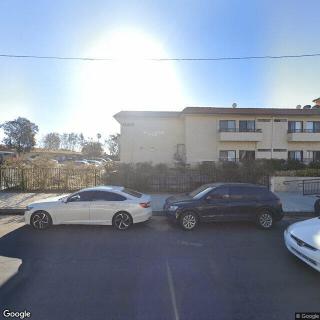
14122 Hubbard Street, Sylmar, CA 91342
For more information about senior living options: (866) 208-4318
Overall Review of The Grove Post-Acute Care Center
Pros
 The staff were very professional and friendly.
- The facility was clean.
- The physical therapists were competent and dedicated.
- The staff so far are great!
Cons
 The lack of staff isn’t great.
- The call button was pressed 27 minutes ago and no one responded.
- There was a 34-minute delay before anyone responded.
- The staff were poor.
Review
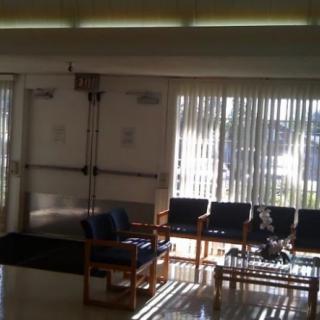
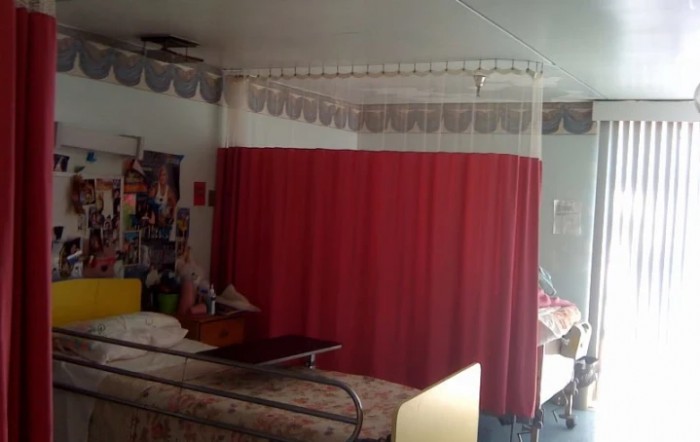
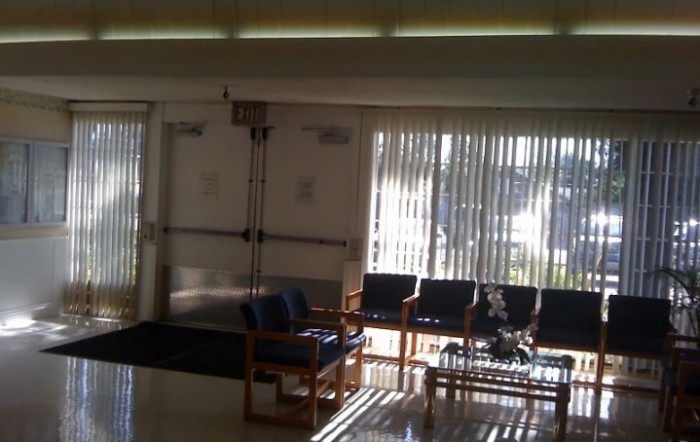
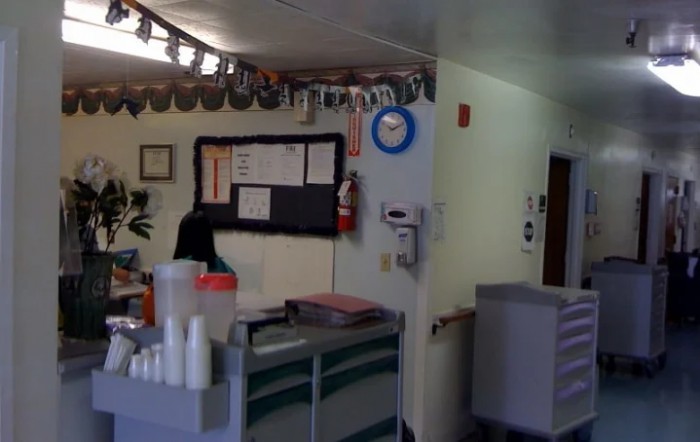
The Grove Post-Acute Care Center in Sylmar is best suited for older adults who are transitioning from a hospital stay and need structured rehabilitation with a clear focus on physical therapy, a clean environment, and courteous, professional staff. The center shines when the recovery aim is to regain mobility quickly through a therapy-centric plan, delivered by therapists who are competent and engaged. Families should expect a calm, orderly setting that supports healing and a daytime rhythm that prioritizes rehabilitative progress. This is not a facility built for round-the-clock custodial care or continual nurse intervention, but it delivers measurable rehab momentum and respectful care that can translate into real gains during a short- or moderate-length stay.
Who should consider alternatives becomes clear when level of staffing and responsiveness are non-negotiables. If 24/7 attentive presence, rapid call-backs, and consistent staffing ratios matter for comfort and safety, this site may fall short. The reviews hint at staffing gaps that can produce delayed assistance, a critical concern for residents with high fall risk, cognitive challenges, or complex daily needs. Families weighing long-term custodial care, memory support, or highly dependent supervision should compare other skilled nursing facilities or post-acute centers that demonstrate more robust, reliable staffing. For those needing seamless support outside therapy hours, a facility with stronger nighttime coverage warrants serious consideration.
The main positives offset some of the concerns. The staff are described as professional and friendly, the facility is clean, and the physical therapy team is competent and dedicated. For rehabilitation outcomes, having therapists who stay focused, listen, and push progress matters more than glossy common areas. Cleanliness reduces infection risk and supports predictable routines, which in turn reinforces therapy adherence. The combination of capable therapists and a respectful, orderly environment can accelerate mobility gains and reduce pain during sessions, helping residents reclaim independence faster than in settings with weaker rehab programs. These factors form a durable anchor for recovery-focused stays.
Yet the core drawback becomes salient in day-to-day safety and comfort. One review flags a lack of staff, while another documents a specific delay: a call button pressed 27 minutes prior, with help arriving after 34 minutes. Even if not universal, such delays signal a real risk in ordinary care situations. For residents who rely on timely assistance with transfers, toileting, or pain management, these gaps erode confidence and can heighten anxiety. The experience can feel uneven, strong clinical care during therapy windows contrasted with slower responses at other times, making consistent daily living a legitimate concern for families and residents with higher care needs.
Against those risks, the strength of therapy quality and a clean, orderly environment can still deliver meaningful rehabilitation value. When physical therapy teams are skilled, consistent, and well-coordinated, progress toward goals can be substantial, and a high-standard clinical environment supports sustained improvements. However, this advantage depends on dependable staff availability beyond therapy sessions. If call-back times remain inconsistent, the center’s overall safety and resident satisfaction are compromised, limiting the practical benefit of excellent therapy alone. The decisive factor becomes whether the family prioritizes aggressive rehab outcomes and can tolerate occasional staffing gaps, or requires unwavering, predictable day-to-day support across all shifts.
For families pursuing this center, a practical due diligence plan is essential. Verify current staffing levels and typical response times before admission, and ask admissions or clinical leadership about nurse coverage across all shifts, as well as how call-bell delays are managed during transitions into and out of therapy. Schedule a visit that probes not just therapy spaces but quiet periods and nighttime routines to gauge real-world responsiveness. If consistent, rapid assistance is non-negotiable, then exploring nearby facilities with stronger staffing assurances or longer hours of covered support is prudent. Overall, The Grove Post-Acute Care Center offers solid rehabilitation potential anchored by capable therapists and a clean, respectful environment; the decision hinges on comfort with occasional staffing gaps and the ability to manage those gaps without compromising safety or the rehab focus.
 75 resident community capacity
 Skilled Nursing Facility
 Air-conditioning
 Beauty salon
 Cable or satellite TV
 Computer center
 Dining room
 Fitness room
 Fully furnished
 Gaming room
 Garden
 Housekeeping services
 Kitchenette
 Move-in coordination
 Outdoor space
 Private bathrooms
 Restaurant-style dining
 Small library
 Telephone
 Wellness center
 Wi-Fi/high-speed internet available
 Burbank-Glendale-Pasadena (8 miles away)
 Community operated transportation
 12-16 hour nursing
 24-hour call system
 Activities of daily living assistance
 Assistance with bathing
 Assistance with dressing
 Assistance with transfers
 Diabetes diet
 Medication management
 Mental wellness program
 Special dietary restrictions
 Concierge services
 Planned day trips







 California's Form 602A: An In-Depth Examination of Senior Care Assessment
 Comprehensive Look at Senior Blood Pressure Charts: Normal and Elevated Levels by Age
 Top Canine Companions for Older Adults