San Pablo Healthcare & Wellness Center Costs & Pricing
San Pablo Healthcare & Wellness Center offers competitive pricing for its one-bedroom units, with a monthly cost of $4,000. This figure is notably lower than the average rate in Contra Costa County, which stands at $5,008, as well as the broader California average of $4,340. By choosing San Pablo, residents can enjoy quality care and accommodations while benefiting from substantial savings compared to many other facilities in the region, making it an appealing option for those seeking both value and wellness in their living situation.
Floor plans
San Pablo Healthcare & Wellness Center
Contra Costa County
California
1 Bedroom
$4,000
$5,008
$4,340
Skilled Nursing Facilities with a similar price nearby
Overall Review of San Pablo Healthcare & Wellness Center
common
Staff are caring and attentive
Residents and families frequently describe staff as caring, attentive, and helpful.
Many reviews emphasize that staff members are proficient, kind, and responsive to needs, including nurses, CNAs, and therapy team members. Several families also describe feeling reassured because staff communicate with loved ones and help residents stay comfortable. A few reviews note weaknesses in care timing or staffing coverage, but even those often acknowledge friendliness from at least some staff.
common
Facility stays clean and tidy
Multiple reviews highlight a clean, tidy facility and rooms that look well kept.
Reviews repeatedly mention the building looking clean, organized, and well maintained, with residents and visitors noticing tidy rooms and cleanliness during visits. Some reviewers also reference the overall environment as comfortable and in good condition. One review raises concerns about loud conditions and an insect problem, which stands out against the broader cleanliness praise.
differentiator
Rehab and therapy feel effective
Residents often describe physical therapy and rehab support as motivating and skillful.
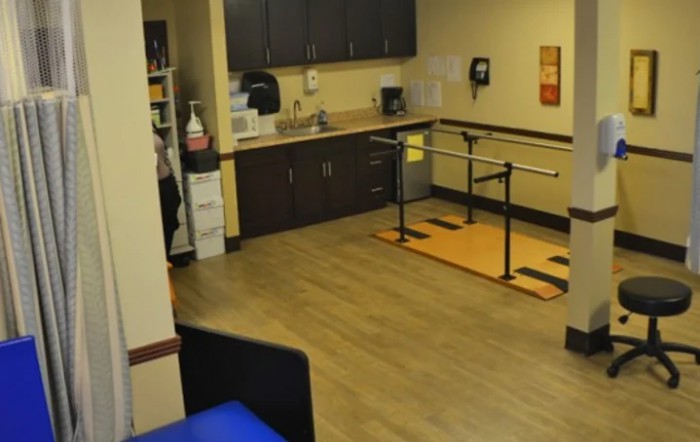
Several reviews focus on rehab outcomes and day-to-day therapy support, describing therapists pushing residents to build strength and encouraging progress. People also mention specific therapy disciplines being involved and helping with exercises, balance, and walking progress. Others describe therapy as tough but caring, while a small number of critiques are about care delays rather than therapy quality.
caveat
Food satisfaction is mixed
Dining reviews range from “delicious” to concerns about portions and food quality.
Some residents and families praise the food as good, tasty, and satisfying, with mentions of breakfast and specific dishes. Others report problems such as food being terrible, not hot enough, insufficient portions for diabetic residents, or receiving foods they are allergic to. A couple of reviews also bring up meal-related service issues, like sometimes missing requested items or wanting more options.
caveat
Care timing can fall short
A smaller set of reviews describe delays in routine care and medication timing.
While many reviews describe staff as attentive, a few report lapses such as long waits for changing, bathroom assistance, or pain medication delivery. One review also says there weren’t enough staff, and another describes difficulties getting follow-up communication after a resident left. These comments contrast with the more common theme of staff being prompt and proactive.
How we summarize
We summarize when many written reviews mention each theme; a review can touch several themes, and only frequently mentioned themes are displayed.
Features
Housing
108 resident community capacity
Types of Care
Skilled Nursing Facility
Amenities
Air-conditioning
Beauty salon
Cable or satellite TV
Computer center
Dining room
Fitness room
Fully furnished
Gaming room
Garden
Housekeeping services
Kitchenette
Move-in coordination
Outdoor space
Private bathrooms
Restaurant-style dining
Small library
Telephone
Wellness center
Wi-Fi/high-speed internet available
Transportation
Metropolitan Oakland International (17 miles away)
San Francisco International (23 miles away)
Community operated transportation
Transportation arrangement
Transportation arrangement (non-medical)
Transportation to doctors appointments
Care Services
12-16 hour nursing
24-hour call system
24-hour supervision
Activities of daily living assistance
Assistance with bathing
Assistance with dressing
Assistance with transfers
Diabetes diet
Meal preparation and service
Medication management
Mental wellness program
Special dietary restrictions
Dining
Diabetes diet
Special dietary restrictions
Activities
Community-sponsored activities
Concierge services
Fitness programs
Planned day trips
Resident-run activities
Scheduled daily activities
Nearby Places of Interest
Cafes
Starbucks (0.1 miles)
Starbucks (0.6 miles)
Starbucks (2.5 miles)
Cafe N!ne (2.7 miles)
Starbucks (4 miles)
Hal's Office (4.9 miles)
Caffe Strada (7.3 miles)
Pharmacies
Walgreens (0.4 miles)
Walgreens (0.9 miles)
Walgreens (1.1 miles)
Walgreens (1.9 miles)
Walgreens (2.2 miles)
CVS Pharmacy (2.5 miles)
Walgreens (2.5 miles)
Parks
Wildcat Canyon Regional Park (0.6 miles)
Arlington Park (3.1 miles)
Cerrito Vista Park (3.4 miles)
Centennial Park (3.9 miles)
Point Isabel Dog Park (3.9 miles)
Central Park (3.9 miles)
Tilden Nature Area (4.6 miles)
Restaurants
Andy's Donut Stop (0.9 miles)
McDonald's (1.9 miles)
Jack In The Box (2.2 miles)
In-N-Out Burger (2.7 miles)
Fat Apple's Restaurant & Bakery (4.2 miles)
McDonald's (5.1 miles)
The Habit Burger Grill (5.2 miles)
Hospitals
Kaiser Permanente Richmond Medical Center (1.9 miles)
Kaiser Permanente Oakland Medical Center (9.9 miles)
Theaters
Century Theatres (2 miles)
AMC Bay Street 16 (8.7 miles)
Century Larkspur (9.7 miles)
Places of Worship
Bridge Ministry (2.9 miles)
Unitarian Universalist Church of Berkeley (3.7 miles)
St Patrick's Youth Ministry (6.4 miles)
Trinity Faith Baptist Church (6.7 miles)
Physicians
Stephens M.D & McNamara M.D - Family Practice (3.3 miles)
San Pablo Healthcare & Wellness Center offers competitive pricing for its one-bedroom units, with a monthly cost of $4,000. This figure is notably lower than the average rate in Contra Costa County, which stands at $5,008, as well as the broader California average of $4,340. By choosing San Pablo, residents can enjoy quality care and accommodations while benefiting from substantial savings compared to many other facilities in the region, making it an appealing option for those seeking both value and wellness in their living situation.
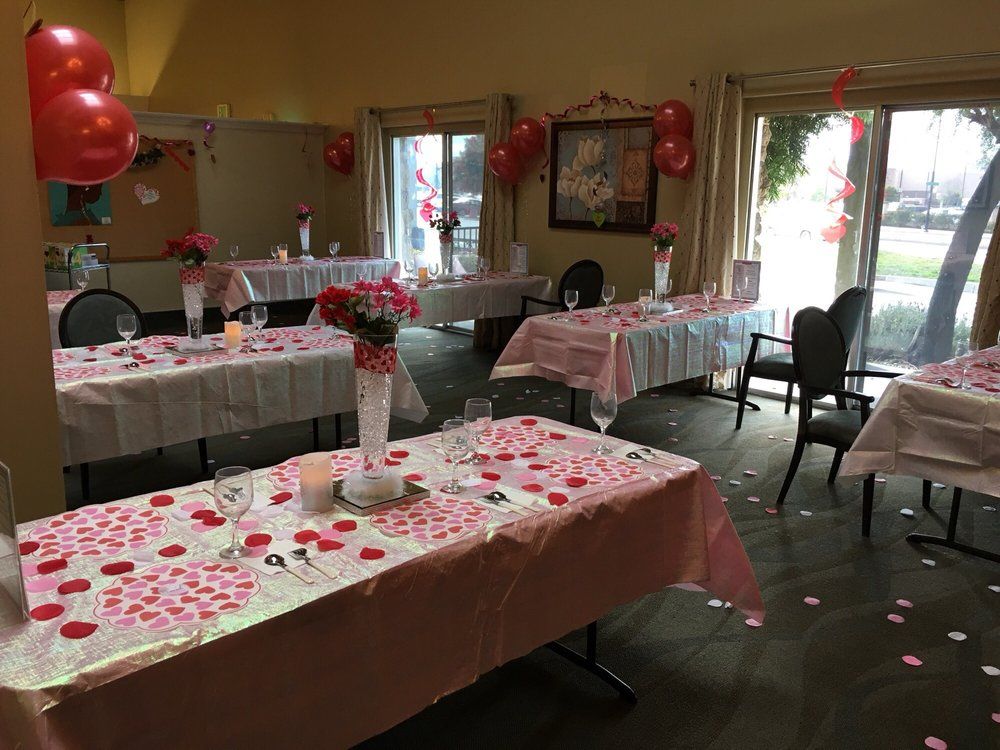
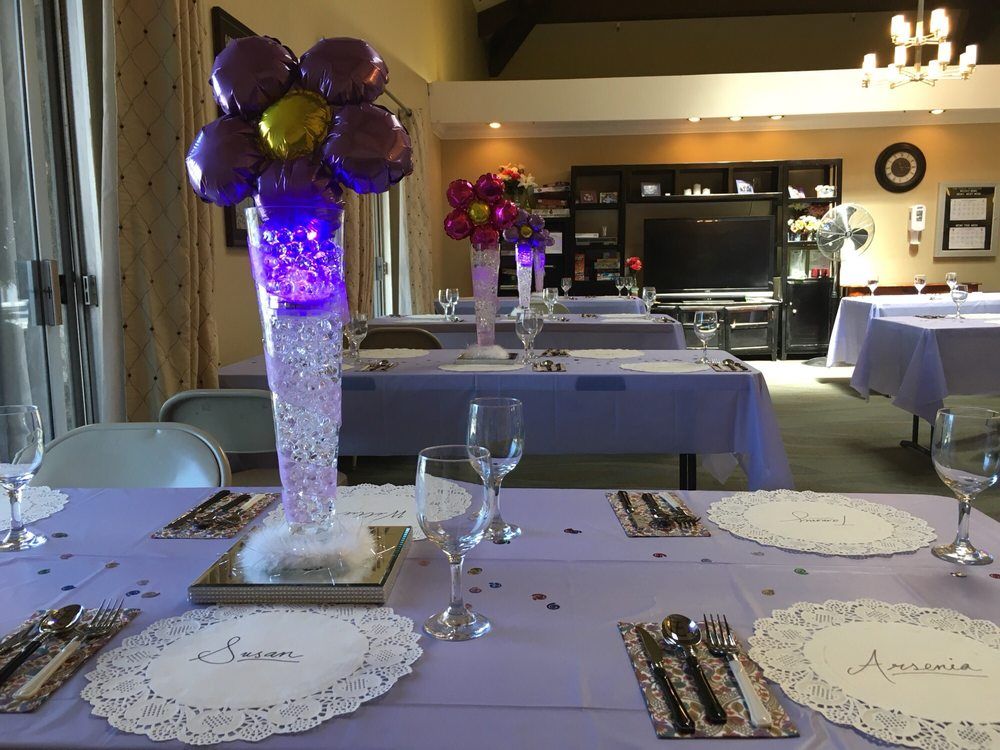
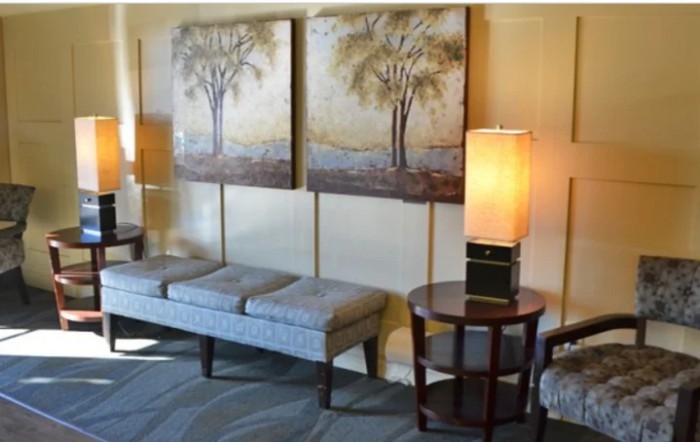
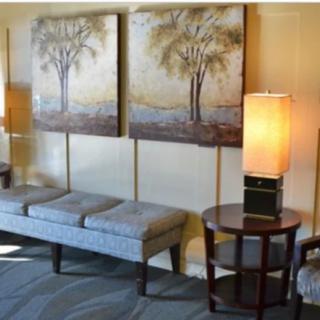
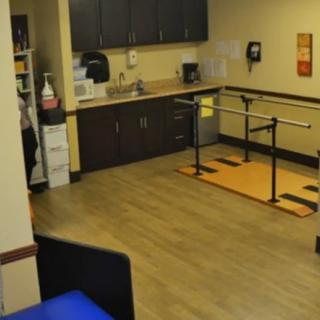
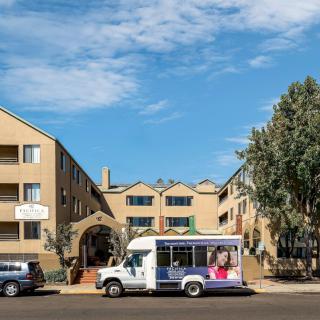
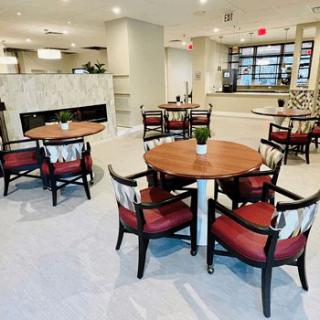
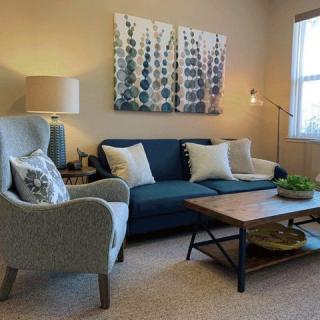
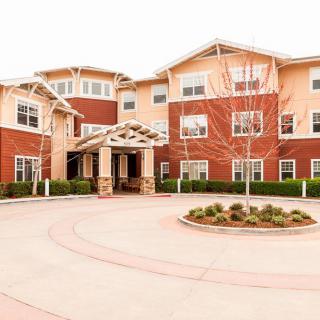
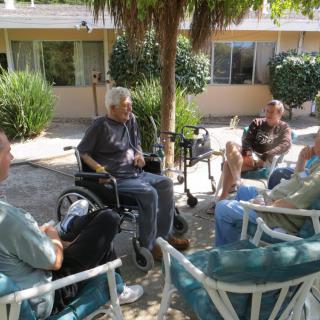
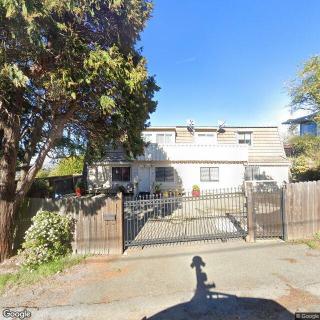
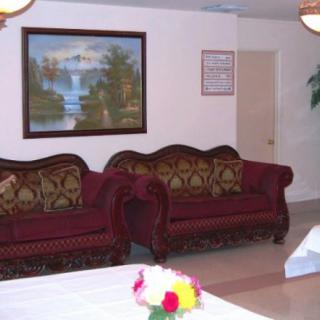
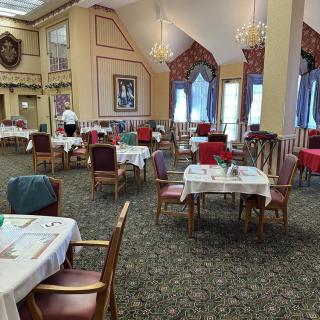
San Pablo Healthcare & Wellness Center on seniors.fyi includes 14 photos including images showing dining, vegetables, decor, interior, artwork, rehabilitation, physical therapy, and more.
Nearby Communities
Vale Healthcare Center
San Pablo, CA
2.7 from 33 reviews
Extensive on-site amenities and activity programs with 24/7 staff and transportation.
Professional Healthcare At Hm
San Pablo, CA
2.6 from 90 reviews
Convenient access to healthcare, pharmacies, dining, transportation, and nearby amenities.
Family Courtyard
Richmond, CA
Extensive on-site amenities and support for assisted living (dining, transport, wellness, activities).
Creekside Healthcare Center
San Pablo, CA
2.4 from 18 reviews
Friendly staff, engaging activities, and a clean, inviting environment.
Rose Arbor Senior Care
San Pablo, CA
4.7 from 11 reviews
$2,500 to $4,620 / month
Competitive pricing with private room options and a positive placement experience via A Place For Mom.
Rose Arbor Manor
San Pablo, CA
Fully furnished living spaces with garden/outdoor areas, diabetes-friendly meals, 24-hour supervision, and healthcare coordination.
A&A Health Services
San Pablo, CA
3.3 from 12 reviews
24/7 supervision with medication management and restaurant-style dining.
Shields Richmond Nursing Center
Richmond, CA
3.6 from 19 reviews
Friendly, caring staff in a well-kept, aesthetically pleasing setting.
El Cerrito Royale
El Cerrito, CA
4.7 from 13 reviews
$1,775 to $3,775 / month
Spacious, well-lit rooms with caring staff, strong cleanliness, engaging activities, and affordable pricing.
The article highlights the importance of empathy and open communication when comforting someone who is grieving, noting that grief is unique to each individual and emphasizing the need for sincere expressions of condolence, active listening, and ongoing support. It also addresses cultural differences in mourning practices and encourages tailored approaches to provide effective comfort.
Home health care aides provide vital medical and non-medical support to individuals at home, assisting with daily living activities and promoting emotional well-being, while the demand for these services increases due to an aging population. Families benefit from in-home care's flexibility and cost-effectiveness but face challenges like scheduling consistency and caregiver turnover.
Older adults with urinary tract infections (UTIs) often present atypical symptoms, complicating diagnosis due to factors like incomplete bladder emptying and chronic health conditions that increase their susceptibility. Effective management involves prompt treatment with antibiotics, hydration, and preventive strategies while minimizing antibiotic resistance and focusing on holistic care approaches.
Get PricingAsk A QuestionSchedule A TourContact Senior Advisor
By clicking submit, you agree to our Partner's Terms of Use. You
also consent to receive calls and texts, which may be autodialed, from our Partner. Your consent is not a condition to
using our Partner's service. Please visit our Partner's Privacy Policy for information about their privacy practices.







 108 resident community capacity
 Skilled Nursing Facility
 Air-conditioning
 Beauty salon
 Cable or satellite TV
 Computer center
 Dining room
 Fitness room
 Fully furnished
 Gaming room
 Garden
 Housekeeping services
 Kitchenette
 Move-in coordination
 Outdoor space
 Private bathrooms
 Restaurant-style dining
 Small library
 Telephone
 Wellness center
 Wi-Fi/high-speed internet available
 Metropolitan Oakland International (17 miles away)
 Community operated transportation
 12-16 hour nursing
 24-hour call system
 Activities of daily living assistance
 Assistance with bathing
 Assistance with dressing
 Assistance with transfers
 Diabetes diet
 Medication management
 Mental wellness program
 Special dietary restrictions
 Concierge services
 Planned day trips
 Extensive on-site amenities and activity programs with 24/7 staff and transportation.

 Compassionate Conversations: How to Comfort Someone Who Is Grieving
 Home Health Care Aides: Understanding Their Role and Supporting Your Family
 Urinary Tract Infections in Older Adults: Comprehensive Insights on Symptoms, Treatment, and Prevention