


1919 Cutting Boulevard, Richmond, CA 94804
For more information about senior living options: (866) 208-4318
Overall Review of Shields Richmond Nursing Center
Pros
 The nursing staff are friendly, attentive, compassionate, and responsive.
- Aaron, the social worker, is exceptionally communicative and patient in guiding families through the process.
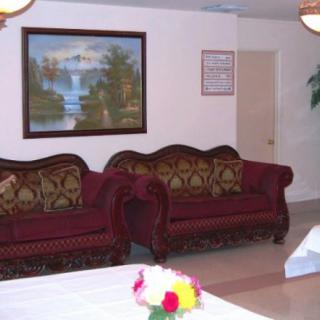
- The facility is clean and well maintained.
- The staff are consistently kind, attentive, and helpful to residents.
- The meals are well balanced with fresh ingredients and appropriately portioned.
- The environment is described as having a pleasant atmosphere and a strong sense of care.
- The staff are considered the most valuable asset, making a meaningful difference during residents' stays.
Cons
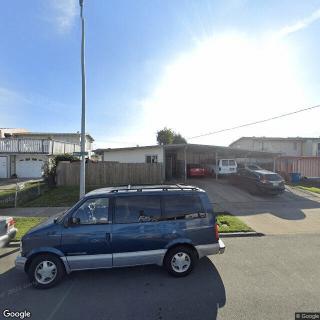
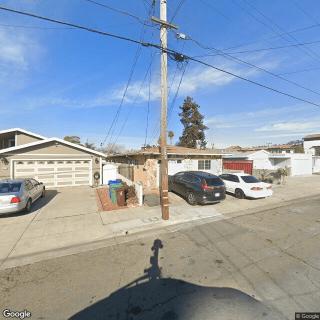
 The facility is run down and located in a less-than-great neighborhood.
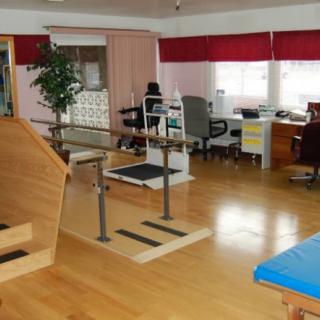
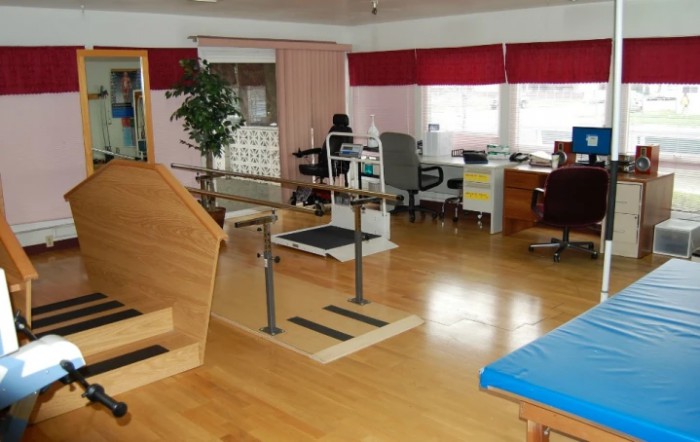
 - PT/OT therapy is limited to minimal activities due to a lack of rehab staff.
- The staff members are rude and the rooms are nasty.
- They left him in his bowel movements and didn’t turn him or help him promptly.
- There were bugs everywhere and long delays for restroom assistance.
- The food is canned or instant, not fresh, and not good.
- The lighting and scheduling are poor, making it hard to rely on therapy or doctor visits.
- The staff can be slow to respond to call buttons, leaving patients sitting in their own waste.
Review
Shields Richmond Nursing Center is best suited for families seeking a warm, caregiver-focused environment where the majority of frontline staff exhibit genuine attentiveness, compassion, and reliability. The community works best for residents who need steady nursing presence, respectful daily care, and help navigating complex medical needs with a proactive social work partner who communicates clearly. When a short- to mid-term recovery is the goal and the emphasis is on humane treatment, kindness, and clean surroundings, this facility delivers. For those who value a strong rehabilitative push and predictable, highly structured routines, Shields can be a fit, provided there is alignment with the current care team and a clear plan for therapy and physician touchpoints.
Anyone evaluating Shields should also consider alternatives if the priorities include intensive rehabilitation, privacy, and a modern building environment. Several reviews flag limited therapy options, inconsistent doctor visits, and a schedule that is not reliably published in advance. Families whose loved ones require aggressive physical therapy, frequent reassessment, or tightly coordinated daily routines may find the service level uneven here. If privacy matters, such as private doctor visits or discreet medication management, or if proximity to a high-functioning neighborhood with robust inpatient resources is non-negotiable, there are comparable facilities that may better meet those expectations.
The most compelling positives at Shields lie with the staff, whose warmth and attentiveness consistently emerge as the defining strength. Nursing teams, aides, and ancillary staff are often described as compassionate, patient, and respectful, with several caregivers singled out for going above and beyond. The social work team, particularly one named Aaron in the reviews, is praised for communication and guidance through the anxiety of recovery. Cleanliness is another recurring theme; the building may look its age, but it is frequently described as well kept and orderly, which helps patients feel secure and dignified during a vulnerable period. When the care team is in place and functioning, these human factors can meaningfully elevate outcomes.
Still, that care comes with notable caveats. The building itself is described as worn or “run down” in places, and the neighborhood isn’t ideal for regular visits, which can add stress to families already juggling medical concerns. Parking limitations and inconsistent scheduling amplify logistical headaches. More importantly, several reviews call attention to gaps in care delivery that directly affect comfort and safety: delayed response to call bells, infrequent turning and repositioning that can lead to pressure injuries, and variability in how quickly or thoroughly doctor notes and medication instructions are updated. These issues aren’t universal, but they are persistent enough to warrant a rigorous pre-admission sanity check and an on-site trial.
From a decision-making standpoint, the best path is a candid, in-person assessment focused on three pillars: (1) clinical rigor and rehab throughput, (2) daily care routines and staffing stability, and (3) the facility’s real-time responsiveness to concerns. Prospective families should request to observe a therapy session, ask for the expected therapist-to-patient ratio, and confirm who will be the primary point of contact for medical decisions and discharge planning. Ask about recent infection control, but more importantly, about pain and wound care, turning schedules, and how the team handles urgent changes in a patient’s condition. If the answers align with clear, dependable processes and the staff demonstrate consistent attentiveness during visits, Shields becomes a compelling option within its niche; if not, alternatives with stronger ramp-ups in rehab and more predictable routines deserve serious consideration.
 84 resident community capacity
 Skilled Nursing Facility
 Air-conditioning
 Beauty salon
 Cable or satellite TV
 Computer center
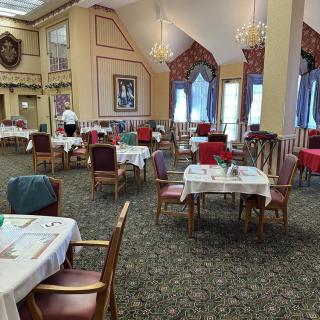
 Dining room
 Fitness room
 Fully furnished
 Gaming room
 Garden
 Housekeeping services
 Kitchenette
 Move-in coordination
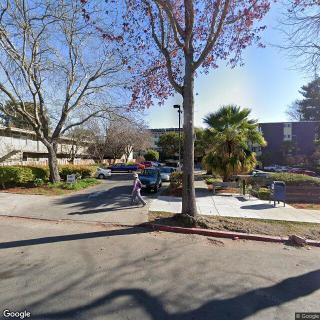
 Outdoor space
 Private bathrooms
 Restaurant-style dining
 Small library
 Telephone
 Wellness center
 Wi-Fi/high-speed internet available
 Metropolitan Oakland International (16 miles away)
 Community operated transportation
 12-16 hour nursing
 24-hour call system
 Activities of daily living assistance
 Assistance with bathing
 Assistance with dressing
 Assistance with transfers
 Diabetes diet
 Medication management
 Mental wellness program
 Special dietary restrictions
 Concierge services
 Planned day trips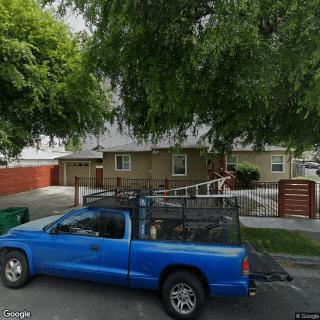


 Senior Move Management: Understanding the Role, Value, and Associated Costs
 Weight Training for Seniors: Building Strength and Vitality
 Understanding the Sandwich Generation: Stress and Responsibilities for Multigenerational Caregivers