
13956 San Pablo Avenue, San Pablo, CA 94806
For more information about senior living options: (866) 208-4318
Overall Review of A&A Health Services
Pros
 The physical atmosphere is open and clean.
- There is staff constantly present and willing to help residents.
- The food is decent.
- The facility offers WiFi so residents can use their devices.
- The staff are awesome, and the facility is a great place for loved ones.
- Jet and the maintenance team have turned the facility around, bringing significant improvements to the building and property.
Cons
 The facility is unprofessional, and when his brother went missing, the staff did not notify family or social services, which constitutes criminal negligence.
- The facility has safety issues: residents have sneaked out at night, it does not return calls regarding safety, and it sits in a high drug-use area.
- The facility failed to keep his daughter safe; she went missing and has not returned.
- The facility allowed severe harm to a mentally/intellectually disabled sister, including access to hard illicit drugs, a violent roommate, and negligent hospital handoffs, taking three days to locate her again.
- The ownership and staff show neglect and potential exploitation: several clients have gone missing and later died, medications are often missing or med passes are faked, and staff tolerate drug and alcohol use by clients.
Review
A&A Health Services in San Pablo is best suited for families that prioritize on-site presence and visible staff engagement, even if safety concerns exist. The facility presents an open, clean physical environment and has demonstrated maintenance and upgrading efforts under Jet and the maintenance team. Food is described as decent, and residents appear to have access to Wi‑Fi and devices. Groups are optional but encouraged, signaling a flexible social environment rather than rigid programming. This combination can work for residents who value day-to-day attentiveness and a well-kept setting over highly structured safety systems or perfect clinical oversight. In short, it rewards families seeking transparency in staffing and a current, tidy facility more than those who demand ironclad safety guarantees.
Who should consider alternatives: Families with residents requiring strong security, predictable routines, and unwavering medication supervision should look elsewhere. Several reviewers raise severe safety concerns: residents going missing, delayed or missing medications, and alleged neglect by staff. The setting is described as in a high drug-use area with reports of violence among roommates, and some calls about safety were not returned. These red flags imply risks that may overwhelm any positives in atmosphere or upgrades, especially for adults with dementia, behavioral issues, or high dependence on medications. Prospective families should treat this as a facility with significant safety liabilities and should compare it to peers with verifiable safety records and regulated medication protocols.
Pros that consistently surface include a steady staff presence, willingness to help, and an atmosphere of openness and cleanliness. The building’s look has improved notably under Jet and the maintenance team, and residents can access basic amenities such as Wi‑Fi and devices. The food is described as decent, and the social environment is flexible, with non-mandatory groups that still get some encouragement to participate. These attributes can translate into better day-to-day quality of life for residents who are relatively stable and don’t require intensive supervision, and for families who value transparent, visible staffing. However, none of these positives resolves the most critical gaps in safety, supervision, and medical oversight that multiple reviewers repeatedly cited.
On the cost side, the most troubling concerns cluster around safety and medical management. Reports describe missing residents and delayed attempts to notify families or social services, with several accounts labeling this negligence as criminal in nature. Claims of medication mis management, med passes being faked and medicines reportedly missing for weeks, have been repeatedly raised, alongside allegations of staff operating under the influence and even sharing substances with clients. Violent roommate incidents and inadequate supervision when appointments or medical needs arise further compound the risk profile. Taken together, these issues point to a facility where safety vulnerabilities are not merely possible but recurrent, undermining the basic expectation of a secure, well-supervised living environment.
Do the apparent strengths offset the heavy liabilities? In practical terms, the everyday benefits, cleanliness, available staff, and a modestly improved facility, cannot compensate for ongoing safety lapses and medication mismanagement. The presence of improvements and the willingness of staff to engage are meaningful, but they do not erase the risk of a resident going missing, experiencing harm, or slipping through gaps in medical oversight. For families with a resident who is particularly vulnerable, the balance tips toward seeking a community with a proven track record in safety, regulatory compliance, and transparent, accountable care. In other words, the positives are not enough to neutralize the core hazards described by reviewers.
Recommendations for families evaluating this community are concrete. Request the most recent state licensing inspections and any corrective action plans, and speak with multiple staffers about safety protocols, medication administration, and incident reporting. Insist on a detailed, resident-specific care plan, including how medications are tracked, how missing-persons procedures are executed, and how ongoing behavioral or psychiatric needs are supervised. Consider touring alternatives with stronger safety metrics and regulatory records, and weigh facilities with dedicated security protocols, stricter medication-pass controls, and better documented incident responses. For those who remain, set up rigorous oversight, regular family communication, and a clear escalation path to licensing authorities or ombudsmen if concerns recur.
 22 resident community capacity
 Assisted Living
 Beauty salon
 Cable or satellite TV
 Dining room
 Fully furnished
 Garden
 Housekeeping services
 Kitchenette
 Move-in coordination
 Outdoor space
 Restaurant-style dining
 Small library
 Telephone
 Wi-Fi/high-speed internet available
 Metropolitan Oakland International (18 miles away)
 Transportation arrangement (non-medical)
 12-16 hour nursing
 24-hour call system
 Activities of daily living assistance
 Assistance with bathing
 Assistance with dressing
 Assistance with transfers
 Diabetes diet
 Medication management
 Mental wellness program
 Special dietary restrictions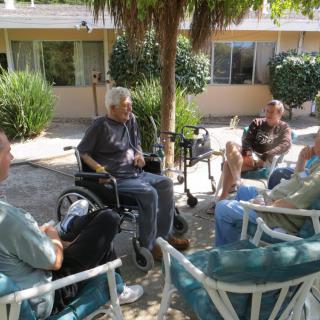





 Exploring the Contrasts Between Assisted Living and Skilled Nursing
 8 Key Indicators That Suggest It May Be Time to Transition from Assisted Living to Skilled Nursing Care
 Vibrant Senior Living: A Comprehensive Guide for Active Older Adults