
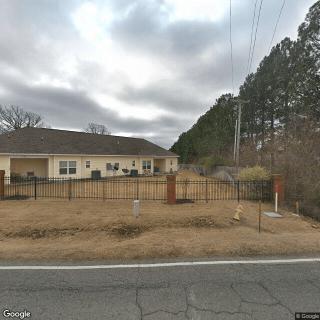
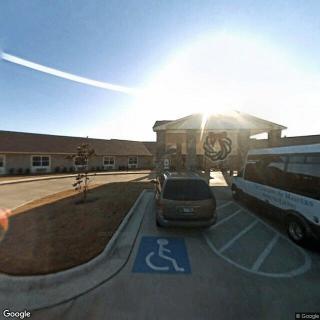
113 South Briarwood Drive, Sheridan, AR 72150
For more information about senior living options: (866) 208-4318
Overall Review of Sheridan Healthcare And Rehabilitation Center
Pros
 The people there are nice.
- It is a nice place to work.
- The nursing home has nice nurses and patients.
Cons
 The facility is not equipped to handle patients who require major help.
- The knee surgery machine was brought to the room and left sitting on a table, indicating neglect.
Review
Sheridan Healthcare and Rehabilitation Center is best suited for older adults who need light to moderate rehabilitation after a hospital stay or procedure and who prioritize a calm, personable environment with dependable basic nursing care. It is not the right fit for residents who require substantial, ongoing medical oversight, extensive daily assistance, or high-acuity care. For those with major rehab goals, memory-care needs, or complex medical management, families should consider facilities with stronger specialty units or higher staff-to-resident ratios. Alternatives such as facilities with expanded therapy teams, longer awake hours for skilled nursing, or home-based options for less intensive care may better align with intensive needs. The decision should hinge on anticipated therapy intensity, the level of medical supervision required, and the importance placed on a neighborly, approachable setting.
The community’s practical appeal rests on its approachable staffing and the surrounding atmosphere. Reviewers consistently describe pleasant, responsive nurses and a respectful, friendly tone among both staff and residents. The overall environment emerges as a comfortable place where patients seem to receive steady basic care, and families can sense a cooperative, supportive team. This combination, genuine kindness from caregivers paired with a quiet, home-like setting, helps mitigate the stress that accompanies short-term stays and routine rehab. In short, the facility earns traction for those prioritizing rapport with caregivers and a nonclinical, relaxed environment over high-intensity medical pomp.
On the rehab side, the strongest fit is evident for individuals pursuing minor rehabilitation goals or short-term improvement after procedures. A reviewer’s comment that the center is suitable for minor rehab, rather than for major assistance, captures the core reality: this is a setting where modest therapy plans and routine recovery milestones tend to progress smoothly. The appeal rests not in specialized, aggressive therapy programs but in dependable, everyday rehab activities and the reassurance that the staff will be consistently available for routine needs. For families seeking a straightforward, down-to-earth rehab experience with predictable daily routines, Sheridan shows solid value and a reassuring neighborly feel.
However, the facility does carry notable caveats for those whose needs go beyond light rehab. The most explicit limitation is a lack of readiness for high-acuity support or advanced, equipment-heavy therapy when complex needs arise. An unfortunate anecdote describes a knee-rehabilitation device brought to a room that ended up unused and siting unused on a table until discharge, signaling potential gaps in equipment availability or proactive planning for specialized therapy. That kind of gap matters when goals include intensive physical therapy, adaptive equipment, or rapid escalation of care. Another implied constraint is a general ceiling on medical intensity, which means residents requiring around-the-clock monitoring or complex medical protocols should look elsewhere.
Nevertheless, the favorable staffing and the atmosphere do offset some of these limitations for the right resident. When short-term, moderate rehab is the aim, the combination of friendly nurses, cooperative patients, and an orderly, comfortable setting can produce steady progress and a less stressful recovery experience. The enduring takeaway is practical: the pros, competent, compassionate staff and a peaceful environment, can smooth the recovery path and improve daily life during a brief stay, but they cannot substitute for a facility designed to handle high-acuity needs or extensive long-term care.
For families deciding where to place a loved one, Sheridan should be weighed against the intensity of required care and the likelihood of needing advanced rehabilitation tools or continuous medical oversight. Choose this center if the priority is a warm, approachable staff and a quiet, citizen-friendly setting that supports minor rehab goals and daily comfort. Opt for alternatives if the plan calls for robust therapy programs, rapid escalation capabilities, dementia-focused units, or long-term skilled nursing. Before admission, inquire about therapy intensity ceilings, equipment availability for orthopedic or cardiovascular programs, nurse-to-patient ratios, nighttime medical coverage, and discharge planning capabilities. A visit that tests routine therapies, reviews a sample day in the life, and confirms access to the equipment needed for the specific recovery path will reveal whether Sheridan aligns with the family’s practical priorities or if another option offers a closer fit.
 121 resident community capacity
 Skilled Nursing Facility
 Air-conditioning
 Beauty salon
 Cable or satellite TV
 Computer center
 Dining room
 Fitness room
 Fully furnished
 Gaming room
 Garden
 Housekeeping services
 Kitchenette
 Move-in coordination
 Outdoor space
 Private bathrooms
 Restaurant-style dining
 Small library
 Telephone
 Wellness center
 Wi-Fi/high-speed internet available
 Community operated transportation
 12-16 hour nursing
 24-hour call system
 Activities of daily living assistance
 Assistance with bathing
 Assistance with dressing
 Assistance with transfers
 Diabetes diet
 Medication management
 Mental wellness program
 Special dietary restrictions
 Concierge services
 Planned day trips






 Essential Knowledge on Pneumonia in Older Adults
 Exploring Palliative Care in the Home: A Comprehensive Overview
 Comprehensive Insights into Palliative Home Care: What It Is and What to Expect