

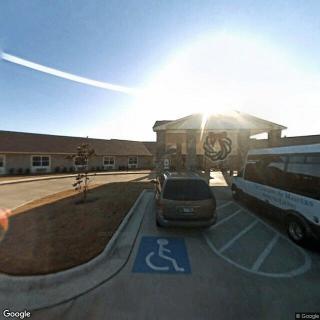
811 E Center St, Sheridan, AR 72150
To contact a resident: (870) 942-4842
For more information about senior living options: (866) 208-4318
Overall Review of Grant County Area Agency
Pros
 The facility is very clean and offers lots to do for older folks.
- The little town is happy to have things like that for seniors.
- They had a great time playing cards, exercising, eating a good meal, and being with friends.
- The place is nice and offers wonderful meals for senior citizens.
- Bingo day was fun.
Cons
 The senior center was closed when the reviewer tried to visit.
Review
Grant County Area Agency in Sheridan is best suited for older adults who want social connection, predictable daily routines, and reliable meals within a tight-knit small-town setting. The reviews depict a clean facility with a robust calendar of light-to-moderate activities, cards, exercise sessions, bingo, and ample opportunities to share meals and conversation with peers. It functions more as a community resource and senior center than as a full-service care campus, making it ideal for retirees who prize companionship and structured recreation over 24/7 supervision or intensive medical support. For someone seeking a place to drop in for daily social life, to access information, and to participate in affordable, low-barrier programs, this setting checks many important boxes.
Families with a loved one who requires daily personal care, medication management, or constant oversight will want to consider alternatives. The limited hints in the reviews, an inquiry about information and a note that staff or hours may not always be accessible, underscore the risk of relying on this site for comprehensive care planning. For seniors who need transportation to programs, flexible hours, or formal caregiving, a traditional assisted living community or in-home support services likely deliver more reliable structure and clinical oversight. In Sheridan and surrounding Grant County, options that provide on-site supervision, nursing support, or memory-care specialization should be weighed against the strong social programming here. This is not a substitute for medical or daily living assistance; it is a gateway to connection.
Strengths lie in cleanliness, a sense of safety, and a lively social fabric. The consistent praise for good meals, engaging activities, and friendly interaction paints a picture of a dependable social ecosystem where seniors can enjoy meals, games, and fitness without long travel. These pros offset the absence of high-touch care for those who simply want to stay engaged, socialize, and maintain routine in a familiar local setting. However, the potential downsides, unclear or limited information access and potentially restricted hours, tempt a misalignment for those who must coordinate medical appointments, call a family member for updates, or need predictable service windows. The clamor of positivity about bingo, cards, and shared meals suggests genuine value, but it does not erase the need for clear communication and dependable access for daily planning.
Operationally, the center-like feel comes through in the emphasis on community experiences rather than clinical care. The reviews highlight a clean environment and plentiful activities, consistent with a venue designed to sustain social health and community belonging. Staffing appears adequate for coordinating events and meals, but there is no explicit mention of on-site nursing, medication administration, or emergency oversight. Families should treat this as a local resource that complements formal care, rather than a stand-alone care solution. The best-fit residents are those who value familiar routines, local friends, and affordable social opportunities, with the understanding that healthcare needs will be met elsewhere.
Cost implications lean toward a low-friction, low-cost model for participation in programs and meals, rather than a price tag tied to full-service care. For many seniors in a small town, this arrangement is a lifeline for staying connected without relinquishing independence. Accessibility advantages include proximity and a comfortable scale that suits light activity and conversation. Yet potential limitations, unclear hours, possible closures, and the absence of structured care, mean this option works best as a supplement to, not a substitute for, mobility, transportation, or care services. Prospective visitors should verify program times, transportation options, and any membership or fee structures before planning regular participation.
In practical terms, Grant County Area Agency shines as a community anchor for seniors who want daily social life, nutritious meals, and uncomplicated activities close to home. It is a strong fit for those who already have or can arrange medical and daily living support elsewhere and simply need a vibrant place to connect. Families weighing options should visit at different times to gauge access, hours, and response, and should ask about transportation and calendar consistency. For residents needing real-time care coordination, alternatives with formal supervision remain prudent choices. Used wisely, this center enhances quality of life by enabling ongoing social engagement within a manageable, hometown context.




 Fecal Incontinence in Older Adults: A Comprehensive Guide
 Recognizing the Journey: Understanding and Navigating Anticipatory Grief
 Encouraging Participation in Adult Day Care: A Guide to Supporting a Hesitant Parent