
6701 Highway 67, Benton, AR 72015
For more information about senior living options: (866) 208-4318
Arkansas Health Center Costs & Pricing
At the Arkansas Health Center, the costs for various room types present an attractive option compared to both Saline County and state averages. For a studio, residents can expect to pay $2,395 per month, which is significantly lower than the county's average of $3,089 and also more economical than the statewide average of $2,863. One-bedroom apartments are available for $2,795 at the center; this price point remains competitive against Saline County's rate of $2,940 but is notably lower than the state average of $3,322. When it comes to two-bedroom accommodations, the Arkansas Health Center offers a monthly fee of $3,595. Although this is above Saline County's average of $2,781, it still competes reasonably with the state average of $3,490. Overall, these rates reflect a commitment to providing good value while maintaining quality living conditions in a supportive environment.
| Floor plans | Arkansas Health Center | Saline County | Arkansas |
|---|---|---|---|
| Studio | $2,395 | $3,089 | $2,863 |
| 1 Bedroom | $2,795 | $2,940 | $3,322 |
| 2 Bedrooms | $3,595 | $2,781 | $3,490 |
Overall Review of Arkansas Health Center
Pros
 The facility has been a godsend for the patient and their family.
- The staff have done a tremendous job in caring for the patient and keeping the family informed about health status and behaviors.
- The facility is amazing, and the staff are appreciated for all they do.
- Arkansas Health Center is thanked, and blessings are wished for the staff.
- A family member staying there is well cared for.
- They deserve five stars.
Cons
 They are the biggest hypocrites for posting on Facebook during working hours.
 - They want to slide an LPN in there to save a couple dollars.
- The admin was rude and unprofessional in her air-conditioned office.
- She told the delivery person to step out of her office.
- She acted as though the delivery person’s concern was the most out-of-line thing she had to do.
- There was a lack of understanding and compassion toward the delivery driver.
Review
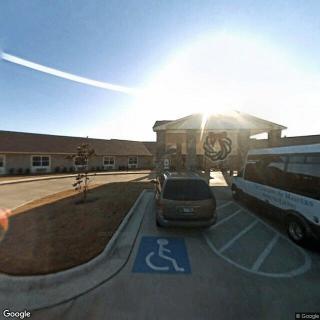
Arkansas Health Center in Benton is best suited for families seeking hands-on, attentive care for a loved one with health or behavioral needs, where regular, clear updates from the staff are valued and expected. The community earns strong marks from families who praise the direct care team for staying engaged with residents’ health status and for adapting to challenging behaviors. In this setting, the care emphasis tends to show up in daily monitoring, responsive caregiving, and a facility culture that families feel can translate into real stability for someone who requires consistent supervision and communication. This is not a generic, one-size-fits-all option; it is most compelling for households that want close-knit, communicative care and are comfortable leaning into a responsive team when unusual or escalating needs arise.
At the same time, there are clear reasons why some families may want to consider alternatives. The most frequently cited concerns center on administrative tone and consistency: reports of rude or unprofessional interactions in office settings, and a perception that leadership can be more focused on cost control than on front-line morale. Several reviews hint at staffing decisions aimed at saving a dollar, such as replacing more experienced roles with lower-cost options, which can raise questions about continuity and depth of clinical oversight. For families who prize uniformly courteous administration, transparent policies, and predictable, unflappable service across every touchpoint, billing, reception, and care planning, these issues make alternatives worth exploring.
The strongest positives, care quality, reliability in monitoring, and ongoing family communication, do offset the main negatives only for certain residents and families. When a loved one requires intensive behavior management, detailed updates, and a caregiver team that remains engaged over time, the benefit of truly responsive staff can dwarf administrative rough edges. In practice, this means families experience timely health updates, proactive problem-solving around behaviors, and a sense that the facility treats personal welfare as a constant priority rather than a secondary consideration. For these households, the overall value comes from a combination of hands-on care and the reassurance of consistent visibility into daily progress.
However, the offset is not universal. For residents who place a premium on uniformly polished front-desk service, consistently respectful communication from all levels of staff, and a clear, straightforward approach to costs and policy, the reported administrative friction can be a meaningful drawback. The perception that leadership engages in reactive fixes rather than proactive, people-first management may erode trust over time, especially for families balancing multiple care needs or coordinating with external professionals. In those cases, the downsides are not easily outweighed by caregiving quality alone, and a careful comparison with other communities is warranted.
Practical due diligence can substantially clarify fit. Prospective families should request a direct briefing with the administrator focused on staffing patterns, turnover, and how shifts are covered during peak behavior-management periods. Asking for a sample care plan, recent progress notes, and a calendar of family updates can illuminate how information flows and how responsive the team remains under pressure. It is also wise to discuss policies around staff conduct, on-site professional standards, and the facility’s approach to family complaints. Clarifying billing practices, what is included in the base rate, and whether any “cost-saving” staffing decisions affect daily care can prevent surprises after move-in.
In the end, Arkansas Health Center represents a strong option for households that value intimate, hands-on caregiving and frequent family communication, and are prepared to navigate occasional administrative friction. The presence of dedicated care teams, a facility that families describe as helpful with health status updates and behavior management, and real, tangible improvements in resident well-being can deliver substantial peace of mind. Yet for families whose criterion is consistently seamless customer service, unwavering administrative professionalism, and a strictly transparent cost structure, some alternatives may better align with those expectations. The right choice hinges on the degree to which compassionate, attentive care at the bedside is valued relative to the comfort with administrative interactions and predictable organizational behavior.
 290 resident community capacity
 Skilled Nursing Facility
 Air-conditioning
 Beauty salon
 Cable or satellite TV
 Computer center
 Dining room
 Fitness room
 Fully furnished
 Gaming room
 Garden
 Housekeeping services
 Kitchenette
 Move-in coordination
 Outdoor space
 Private bathrooms
 Restaurant-style dining
 Small library
 Telephone
 Wellness center
 Wi-Fi/high-speed internet available
 Community operated transportation
 12-16 hour nursing
 24-hour call system
 Activities of daily living assistance
 Assistance with bathing
 Assistance with dressing
 Assistance with transfers
 Diabetes diet
 Medication management
 Mental wellness program
 Special dietary restrictions
 Concierge services
 Planned day trips




 Highly Beneficial Low-Impact Exercises for Senior Living Residents
 Is In-Home Healthcare Tax Deductible? Your Comprehensive Guide
 Nurturing Well-Being Through Gardening: A Detailed Guide for Senior Enthusiasts