Desert Terrace Healthcare Center in Phoenix, AZ

Save

  • Interior

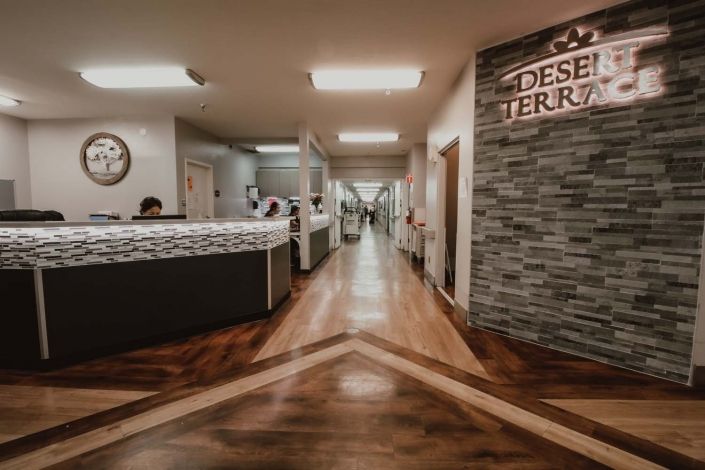
    A quiet hospital corridor with doors on either side leading to patient rooms.
  • Outdoors

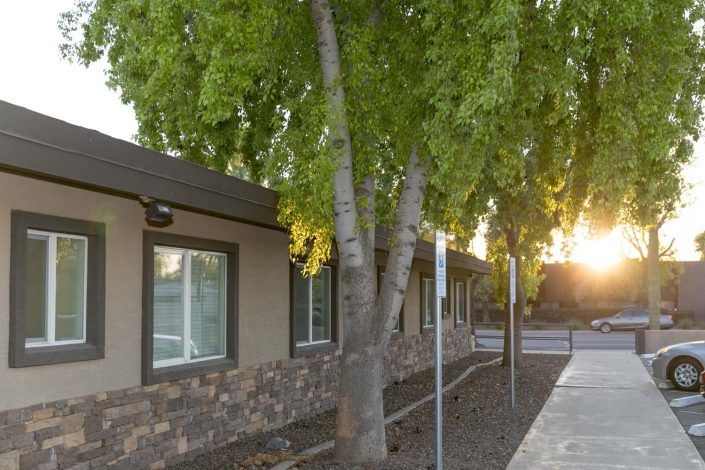
    A modern building surrounded by trees with a ramp leading to the entrance, bathed in sunlight.
  • Building

    A school building with a parking lot and trees on a sunny day.
  • Architecture

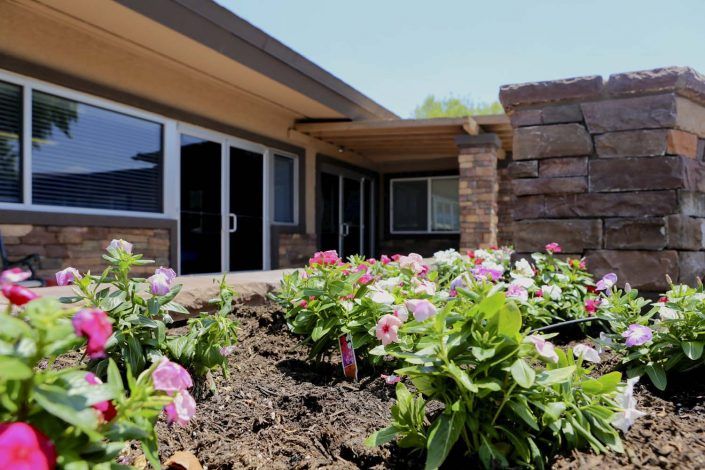
    A beautiful garden with colorful flowers in front of a modern house.
  • Trees

    An aerial view of an urban neighborhood with a visible intersection and residential buildings surrounded by greenery.
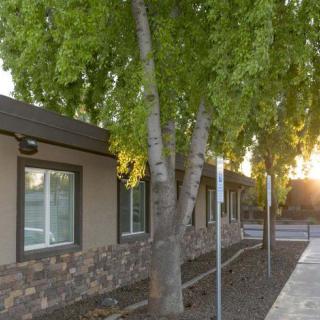
  • Windows

    A building with large windows surrounded by greenery at sunset.
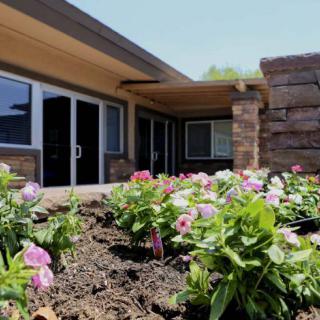
  • Garden

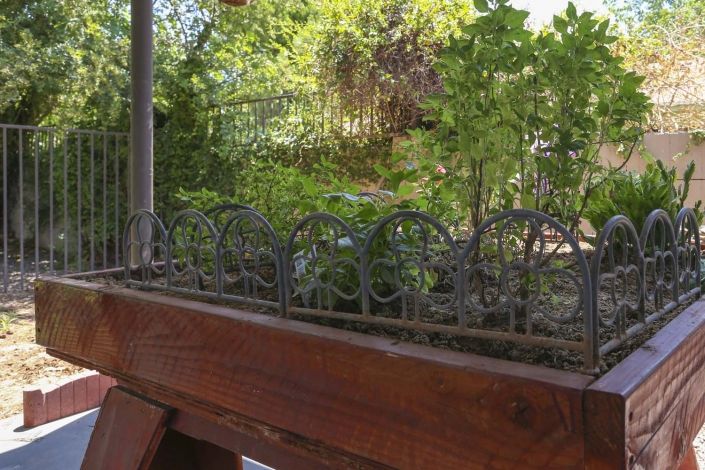
    A small garden area with lush greenery and a decorative metal fence on a wooden structure.
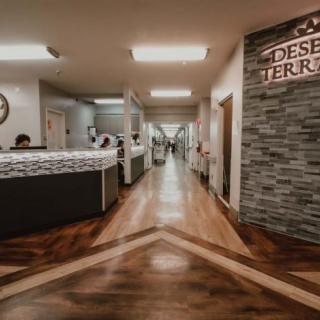
  • Lobby

    A modern hospital reception area with a sleek design and warm lighting.
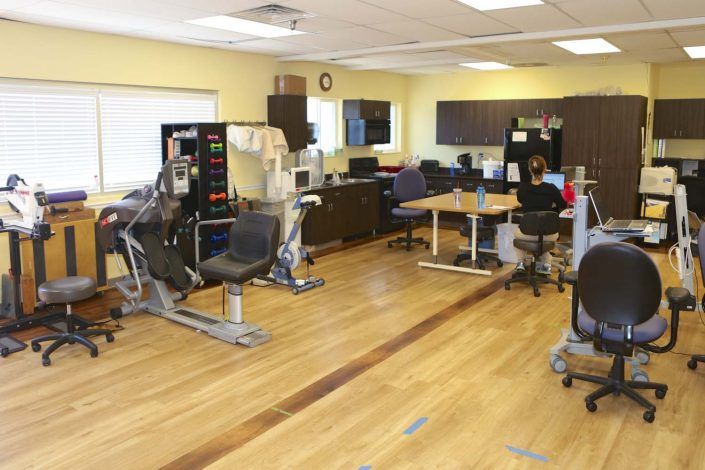
  • Exercise Equipment

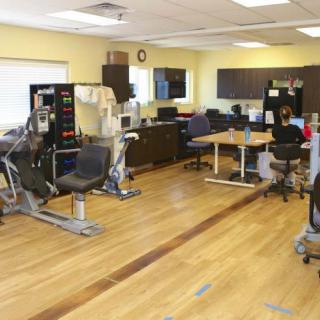
    A rehabilitation clinic with various exercise equipment and workstations.
  • Office

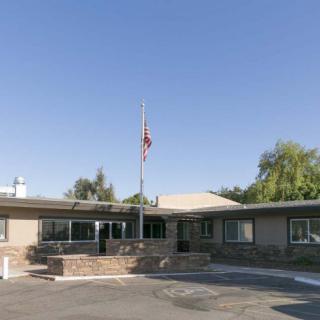
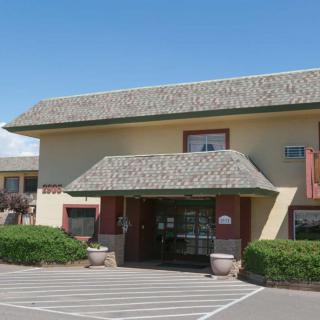
    A one-story office building with an American flag in front, surrounded by a parking lot and trees under a clear blue sky.
  • Healthcare

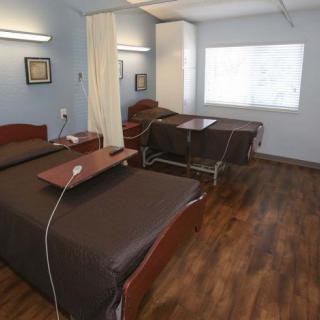
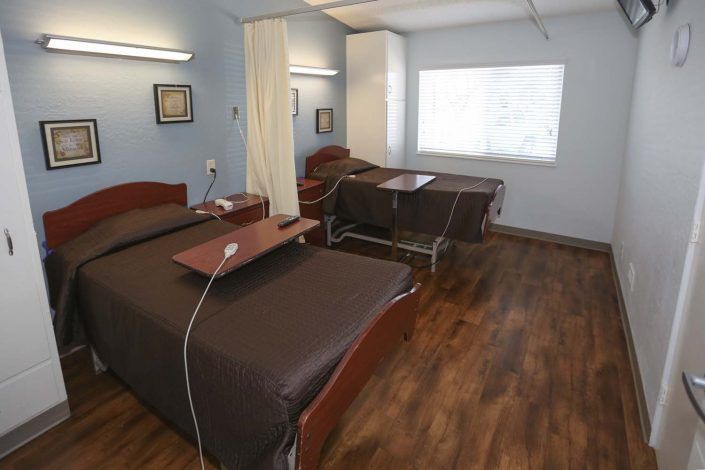
    A hospital room with two patient beds, separated by a curtain, featuring wooden flooring and medical equipment.
  • Reception Area

    A cozy waiting room with leather chairs and framed artwork.

Desert Terrace Healthcare Center in Phoenix, AZ

2509 North 24th Street, Phoenix, AZ 85008

For more information about senior living options: (844) 490-3973

3.7 from 111 reviews
5 stars
72
4 stars
4
3 stars
0
2 stars
2
1 stars
33

Skilled Nursing Facility

Overall Review of Desert Terrace Healthcare Center

Pros

  • pro The staff are great and the therapy team is very experienced.
  • pro Desert Terrace is a great place with staff who do their best to care for residents.
  • pro Rosa is a wonderful activities director who goes above and beyond.
  • pro Tiffany and the admissions team are amazing, kind, and truly care about patients.
  • pro The facility is clean, welcoming, and feels like a home.
  • pro Desert Terrace has an amazing leadership team focused on great care.
  • pro The wound care nurses are outstanding.
  • pro The food is great and there are good alternatives.
  • pro Desert Terrace is highly recommended for rehabilitation and care.

Cons

  • pro The facility is horribly mismanaged, with no coordination between case management and nursing staff.
  • pro The staff repeatedly do not answer the phone during business hours.
  • pro Nurse assistants tell elderly patients to pee in their diapers, which is neglectful and inappropriate.
  • pro The on-hold message claiming a five-star facility is misleading; the place is not suitable for anyone needing care beyond basic inpatient PT.
  • pro The building and grounds are neglected, dirty, and run-down, with roaches and foul odors reported.
  • pro The patient-to-CNA ratio is dangerously high (15?23 patients per CNA), leading to neglect and insufficient care.
  • pro Medications are frequently missing, delayed, or given incorrectly, including pain meds and antibiotics.
  • pro Some reviewers describe the environment as a "hell hole" with rude staff and neglectful care.
  • pro There are accounts of patients being released or left without proper identification or contact, creating dangerous situations.
  • pro Ownership and leadership are accused of ignoring concerns, lacking accountability, and prioritizing admissions over patient care.
  • pro Families are warned not to send loved ones here, with claims of fake positive reviews and unsafe conditions.
  • pro The facility is described as untrustworthy for serious medical needs, with reports of unsanitary rooms and inadequate showers and cleaning.

Review

Desert Terrace Healthcare Center in Phoenix is best suited for seniors who come for structured rehabilitation and who value a welcoming, hands-on frontline staff and a home-like atmosphere. For residents who can tolerate day-to-day variability in care and for families prepared to stay engaged and advocate for timely medications, consistent hygiene, and clear communication, the facility can deliver meaningful recovery and a positive social environment. The strongest appeal lies with the therapy-focused side of the operation and the cordial, approachable bedside staff. Yet this suitability comes with a condition: the care narrative is driven by the rehab and social experience more than by a fixed, predictable medical-stability plan.

Those needing constant, high-level medical oversight, complex wound care, or meticulous medication management should consider alternatives. Several reviews describe gaps in case management coordination, missed calls, and inconsistent nursing follow-through. When a resident depends on reliable med administration, prompt responses to pain or infection problems, or stringent infection-control practices, the risks in this environment rise. Families should be prepared to step in as advocates or to reallocate care to a facility with a more tightly integrated medical team and stronger governance.

On the positive side, the standout therapy teams and many long-tenured staff members are repeatedly praised. Residents and families frequently report experienced therapists, compassionate CNAs, and a generally warm, engaging atmosphere. The activities director and admissions personnel are cited for going above and beyond, creating a welcoming, participatory vibe that helps residents stay motivated. Clean common spaces, a homey feel, and reliable wound-care attention in certain cases further bolster the sense that, for rehab-focused stays, competent hands and a hopeful mood can produce real improvements.

The most significant drawbacks, however, revolve around management and daily operations. A pattern of mismanagement and perceived misalignment between case management, nursing, and administration undermines trust. Complaints about unreturned calls, delayed medications, and safety lapses - such as failures to monitor pain, hydration, or essential treatments - are recurring. Reports of ongoing odors, cleanliness concerns, and even roommate issues underscore a broader issue with housekeeping and maintenance. Some reviewers describe an environment that feels chaotic or unsafe, with assertions that staff are overextended and accountability from leadership is lacking. The breadth and persistence of these concerns cannot be dismissed.

That disparities between strong therapy and weak daily operations create a challenging balance. For families seeking meaningful rehab outcomes, Desert Terrace can deliver when the focus remains on therapy plans, skilled wound care, and attentive bedside care during staffed shifts. Yet the weight of medication delays, inconsistent communication, and safety-related complaints tends to offset these gains, especially for residents with higher medical needs or those in transition from hospital-level care. In short, the pros are real and tangible for rehab success, but the cons cast a long shadow over long-term confidence.

For families weighing a choice, concrete steps matter. Schedule a thorough in-person visit with a caregiver's lens: probe nurse-to-patient ratios on multiple shifts, request a current list of medications and administration schedules, and review how calls and messages are tracked and escalated. Ask to meet the director of nursing and the administrator to gauge responsiveness and accountability. Review recent state survey results and inspect the cleanliness, odor control, and laundry/linen practices during a tour. If the resident's needs align with robust rehab and social engagement - and if advocacy and monitoring are feasible - Desert Terrace can be a viable option. If medical stability, predictable med management, or proven safety culture are non-negotiables, alternatives deserve serious consideration.

Features

Housing

  • 108 resident community capacity 108 resident community capacity

Types of Care

  • Skilled Nursing Facility Skilled Nursing FacilitySkilled Nursing Facilities are crucial for seniors as they provide round-the-clock medical care, rehabilitation services, and assistance with daily activities. These facilities ensure that seniors receive the specialized care they need to maintain their health and well-being as they age.

Amenities

  • Air-conditioning Air-conditioningAir conditioning is important for seniors as they are more vulnerable to heat-related illnesses and may have underlying health conditions that make it difficult for them to regulate their body temperature. It helps to keep them comfortable, safe, and healthy in hot weather.
  • Beauty salon Beauty salonBeauty salons are important for seniors because they provide a space for them to feel pampered, socialize, and maintain their personal grooming and hygiene. Regular visits to a beauty salon can help boost seniors' self-esteem and overall well-being.
  • Cable or satellite TV Cable or satellite TVCable or satellite TV is important for seniors because it provides entertainment, news, and companionship, helping to combat loneliness and boredom. It also offers a wide range of programming options tailored to different interests and preferences.
  • Computer center Computer centerA computer center is essential for seniors as it provides access to technology, communication tools, and resources that can enhance their daily lives. It allows them to stay connected with loved ones, engage in online activities, and learn new skills, ultimately promoting socialization and mental stimulation.
  • Dining room Dining roomDining rooms are important for seniors as they provide a space for socialization, connection, and nutritious meals. They offer opportunities for residents to bond over shared meals, foster a sense of community, and promote healthy eating habits. Dining rooms also ensure that seniors have access to well-balanced meals tailored to their dietary needs and preferences.
  • Fitness room Fitness roomHaving a fitness room in a senior living community is essential for seniors to stay active, maintain their physical health, and improve their overall well-being. Regular exercise can help prevent falls, reduce the risk of chronic diseases, and promote mental sharpness. It also provides social opportunities for residents to connect with others and enjoy a sense of community.
  • Fully furnished Fully furnishedFully furnished senior living communities are important for seniors because they provide convenience, comfort, and a hassle-free moving experience. Seniors can easily settle into their new living space without the stress of having to buy and move furniture. This allows them to focus on enjoying their new home and community.
  • Gaming room Gaming roomGaming rooms are important for seniors as they provide a fun and engaging environment for socializing, cognitive stimulation, and physical activity. Games can improve memory, problem-solving skills, and overall mental well-being while fostering friendships and reducing feelings of isolation.
  • Garden GardenGardens are important for seniors as they provide a peaceful and therapeutic environment for relaxation, physical activity, and socialization. Being in nature has been shown to reduce stress, improve mood, and promote overall well-being. Gardens also offer opportunities for seniors to engage in gardening activities, which can improve mobility, flexibility, and cognitive function. Additionally, gardens create a sense of community and connection with others who share a passion for plants and outdoor spaces.
  • Housekeeping services Housekeeping servicesHousekeeping services are important for seniors because they help maintain a clean and safe living environment, promote independence, and reduce the risk of accidents or illnesses. Additionally, having assistance with household chores can alleviate physical strain and allow seniors to focus on other aspects of their well-being.
  • Kitchenette KitchenetteKitchenettes are important for seniors living in senior living communities because they provide the convenience and independence of being able to prepare simple meals and snacks in the comfort of their own living space. This can help promote a sense of autonomy and well-being for seniors, allowing them to maintain some level of control over their dietary choices and daily routines.
  • Move-in coordination Move-in coordinationMove-in coordination is important for seniors because it helps ease the transition into their new living environment. It ensures that all logistics, such as packing, organizing movers, and setting up utilities are taken care of, allowing seniors to focus on settling in and adjusting to their new home. Having a smooth move-in process can alleviate stress and anxiety, making the transition smoother and more enjoyable for seniors.
  • Outdoor space Outdoor spaceOutdoor spaces are important for seniors as they provide opportunities for physical activity, social interaction, exposure to natural light and fresh air, and a sense of connection to nature. Having access to outdoor spaces can improve overall well-being and quality of life for older adults living in senior communities.
  • Private bathrooms Private bathroomsPrivate bathrooms are important for seniors in senior living communities because they provide independence, dignity, and comfort. Having a private bathroom allows seniors to maintain their personal hygiene routines without the need for assistance, promoting a sense of autonomy and privacy. Additionally, private bathrooms help prevent the spread of infections and provide a safe and clean environment for seniors to navigate safely.
  • Restaurant-style dining Restaurant-style diningRestaurant-style dining is important for seniors because it allows them to enjoy delicious, nutritious meals in a social and upscale setting. This enhances their dining experience, promotes healthy eating habits, and fosters socialization with fellow residents, ultimately contributing to their overall well-being and quality of life.
  • Small library Small librarySmall libraries are important for seniors as they provide access to a variety of reading materials, including books, newspapers, and magazines. This can help stimulate their minds, keep them engaged, and provide a sense of community through book clubs and other social activities. Additionally, reading has been shown to improve cognitive function and overall mental well-being in older adults.
  • Telephone TelephoneTelephones are important for seniors as they provide a lifeline for communication with loved ones, emergency services, and healthcare providers. They offer a sense of security and independence, enabling seniors to stay connected and access assistance when needed.
  • Wellness center Wellness centerWellness centers are important for seniors because they offer a variety of programs and services that promote physical, mental, and emotional well-being. These centers provide opportunities for exercise, socialization, education, and relaxation, helping seniors maintain their overall health and quality of life.
  • Wi-Fi/high-speed internet available Wi-Fi/high-speed internet availableWi-Fi/high-speed internet is important for seniors to stay connected with loved ones, access online resources, and participate in virtual activities to combat feelings of loneliness and isolation. It also allows them to easily manage healthcare needs, access entertainment, and engage in lifelong learning opportunities.

Transportation

  • Phoenix Sky Harbor International (3 miles away) Phoenix Sky Harbor International (3 miles away)
  • Community operated transportation Community operated transportationCommunity operated transportation is crucial for seniors as it provides them with the means to access essential services, social activities, and medical appointments. It allows seniors to maintain their independence and quality of life by ensuring they can participate in activities outside of their homes. Additionally, community-operated transportation services offer a safe and reliable way for seniors to travel without having to rely on family or friends for assistance.
  • Transportation arrangement Transportation arrangementTransportation arrangements are crucial for seniors as they may face challenges with driving, mobility, or access to public transportation. Having reliable transportation services ensures that seniors can easily attend appointments, social activities, and maintain their independence and quality of life.
  • Transportation arrangement (non-medical) Transportation arrangement (non-medical)Transportation arrangements are essential for seniors as they provide access to essential services, activities, and social interactions outside the home. This service helps maintain independence, mobility, and overall well-being for seniors who may have limited transportation options.

Care Services

  • 12-16 hour nursing 12-16 hour nursing12-16 hour nursing care is crucial for seniors in order to ensure around-the-clock monitoring, timely medication administration, and prompt response to any health concerns or emergencies. This level of care helps to promote the overall well-being and safety of seniors living in senior living communities.
  • 24-hour call system 24-hour call system24-hour call systems are important for seniors because they provide peace of mind and immediate assistance in case of emergencies. This technology ensures that help is always available, promoting safety and security for elderly individuals living alone or in assisted living facilities.
  • 24-hour supervision 24-hour supervision24-hour supervision is important for seniors to ensure their safety, well-being, and access to immediate assistance in case of emergencies or health issues. This constant support provides peace of mind for both seniors and their loved ones, allowing them to age in place with dignity and security.
  • Activities of daily living assistance Activities of daily living assistanceActivities of daily living assistance are important for seniors because they provide essential support with tasks such as eating, bathing, dressing, and mobility. This assistance helps seniors maintain their independence, dignity, and overall quality of life as they age.
  • Assistance with bathing Assistance with bathingAssistance with bathing is crucial for seniors as it helps maintain personal hygiene, prevents infections, and ensures their overall well-being and comfort. It also provides a sense of dignity and independence for seniors who may struggle with this task on their own.
  • Assistance with dressing Assistance with dressingAssistance with dressing is important for seniors because it helps maintain their independence, promotes personal hygiene, prevents accidents and injuries, and improves overall quality of life. This service ensures that seniors can continue to dress comfortably and confidently, despite any physical limitations they may have.
  • Assistance with transfers Assistance with transfersAssistance with transfers is crucial for seniors as it helps prevent falls and injuries, maintains their independence, and ensures they can safely navigate their living environment. It also provides peace of mind for both seniors and their loved ones.
  • Coordination with health care providers Coordination with health care providersCoordination with health care providers is crucial for seniors to ensure proper medical care, medication management, and overall well-being. This collaboration helps prevent overlapping treatments, track progress more effectively, and provide comprehensive support tailored to individual needs.
  • Diabetes diet Diabetes dietA diabetes diet is crucial for seniors as it helps manage blood sugar levels, reduce risks of complications, and improve overall health and well-being. By following a balanced and nutritious diet tailored to their specific needs, seniors can better control their diabetes and enhance their quality of life.
  • Meal preparation and service Meal preparation and serviceMeal preparation and service are crucial for seniors as they may have limited mobility or energy to cook nutritious meals. Having access to healthy and convenient food options can ensure they are getting the proper nutrition needed to maintain their overall health and well-being.
  • Medication management Medication managementMedication management is crucial for seniors to ensure they are taking the right medications at the correct dosages and times. This helps prevent adverse drug interactions, reduces the risk of medication errors, and promotes overall health and well-being. Proactive management also allows for adjustments as needed based on changing health conditions or new prescriptions.
  • Mental wellness program Mental wellness programMental wellness programs are essential for seniors as they promote cognitive stimulation, emotional support, and social engagement. These programs help prevent isolation, depression, and cognitive decline, ultimately enhancing the overall quality of life for older adults.
  • Special dietary restrictions Special dietary restrictionsSpecial dietary restrictions are important for seniors because age-related changes in metabolism and health conditions can make it difficult for their bodies to process certain foods. By following a diet tailored to their specific needs, seniors can maintain their overall health and well-being, manage chronic conditions, and reduce the risk of complications such as malnutrition or food interactions with medications.
  • Transportation arrangement (medical) Transportation arrangement (medical)Transportation arrangements for medical purposes are essential for seniors as they may have difficulty driving themselves to appointments or accessing public transportation. Having reliable and safe transportation options ensures that seniors can receive timely medical care and maintain their health and well-being.
  • Transportation to doctors appointments Transportation to doctors appointmentsTransportation to doctors' appointments is crucial for seniors as it ensures they have access to necessary medical care and support for their health needs. Without reliable transportation, seniors may struggle to attend important appointments, leading to potential delays in treatment and health complications. Providing transportation services helps seniors maintain their overall well-being and quality of life.

Dining

  • Diabetes diet Diabetes dietA diabetes diet is crucial for seniors as it helps manage blood sugar levels, reduce risks of complications, and improve overall health and well-being. By following a balanced and nutritious diet tailored to their specific needs, seniors can better control their diabetes and enhance their quality of life.
  • Special dietary restrictions Special dietary restrictionsSpecial dietary restrictions are important for seniors because age-related changes in metabolism and health conditions can make it difficult for their bodies to process certain foods. By following a diet tailored to their specific needs, seniors can maintain their overall health and well-being, manage chronic conditions, and reduce the risk of complications such as malnutrition or food interactions with medications.

Activities

  • Community-sponsored activities Community-sponsored activitiesCommunity-sponsored activities are important for seniors as they provide opportunities for social interaction, mental stimulation, and physical activity. These activities can help improve overall well-being, combat loneliness and isolation, and promote a sense of belonging and purpose among older adults.
  • Concierge services Concierge servicesConcierge services are essential for seniors as they provide assistance with daily tasks and errands, enhance their quality of life by offering convenience and personalized care, and promote a sense of safety and security.
  • Fitness programs Fitness programsFitness programs are crucial for seniors as they help improve strength, flexibility, balance, and overall well-being. Staying active can reduce the risk of chronic diseases, improve mental health, and enhance quality of life in older adults.
  • Planned day trips Planned day tripsPlanned day trips are important for seniors because they offer opportunities for socialization, mental stimulation, and physical activity. They provide a change of scenery and help seniors stay engaged and connected to their community, promoting overall well-being and quality of life.
  • Resident-run activities Resident-run activitiesResident-run activities are important for seniors as they encourage social interaction, creativity, and a sense of autonomy. These activities empower seniors to stay engaged and active in their community while fostering meaningful connections with their peers.
  • Scheduled daily activities Scheduled daily activitiesScheduled daily activities are important for seniors because they provide structure, socialization, mental stimulation, and physical activity. Engaging in regular activities can improve overall well-being and quality of life for seniors living in a community setting.

Description

Desert Terrace Healthcare Center is a premier assisted living community located in Phoenix, AZ. We pride ourselves on providing a warm and welcoming environment where residents can enjoy a comfortable and enriching lifestyle.

Our community offers a wide range of amenities to cater to our residents' needs. Residents can relax and pamper themselves at our beauty salon or enjoy their favorite shows with cable or satellite TV in their fully furnished rooms. Our community also provides convenient transportation services operated by our staff for various outings and appointments. For those who want to stay connected, we have a computer center and Wi-Fi/high-speed internet available.

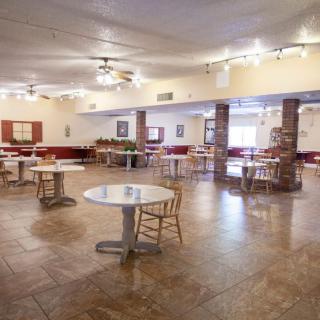
Meals are an important part of our community, and we offer restaurant-style dining in our elegant dining room. Our professional chefs prepare delicious meals while accommodating special dietary restrictions. Residents can also enjoy the option of having meals prepared in their own kitchenette.

At Desert Terrace Healthcare Center, we prioritize the well-being of our residents through exceptional care services. Our dedicated staff is available around the clock, providing assistance with daily living activities such as bathing, dressing, and transfers. We coordinate with health care providers to ensure that all medical needs are met, including medication management and diabetes diets.

Our community promotes mental wellness through engaging programs tailored to each resident's interests. Additionally, we offer scheduled daily activities and resident-run initiatives to foster social interaction and create a sense of community among our residents. Planned day trips allow residents to explore nearby attractions, while fitness programs promote physical well-being.

Located in close proximity to numerous amenities, residents at Desert Terrace Healthcare Center have easy access to cafes, parks, pharmacies, restaurants, places of worship, theaters, physicians' offices, hospitals, and transportation options.

At Desert Terrace Healthcare Center, we strive to provide a nurturing environment where seniors can thrive and enjoy an enhanced quality of life.

Nearby Places of Interest

Restaurants

  • Wren House Brewing Company (0.3 miles)
  • McDonald's (1.6 miles)
  • Zipps Sports Grill (2.1 miles)
  • Whataburger (2.1 miles)
  • McDonald's (2.2 miles)
  • In-N-Out Burger (2.3 miles)
  • Del Taco (2.3 miles)

Pharmacies

  • CVS Pharmacy (0.4 miles)
  • Walgreens (1.4 miles)
  • Walgreens (1.5 miles)
  • Walgreens (2.1 miles)
  • CVS Pharmacy (2.4 miles)
  • CVS Pharmacy (2.6 miles)
  • CVS Pharmacy (2.6 miles)

Hospitals

  • Maricopa Medical Center (1.2 miles)
  • Arizona State Hospital (1.6 miles)
  • Banner – University Medical Center Phoenix (1.9 miles)
  • Carl T Hayden VA Medical Center, Recreation Therapy (2.6 miles)
  • St Joseph's Hospital & Med Center: Deguzman Brian J MD (2.9 miles)
  • St Josephs Neurological ICU (3 miles)

Cafes

  • Dutch Bros Coffee (1.6 miles)
  • Provision Coffee Bar (2.1 miles)
  • Starbucks (2.2 miles)
  • Panera Bread (2.3 miles)
  • Songbird Coffee & Tea House (2.7 miles)
  • Futuro (2.7 miles)
  • Fair Trade Cafe (2.9 miles)

Physicians

  • Banner Family Medicine Center (1.8 miles)
  • SimonMed Imaging - Phoenix (2.3 miles)
  • Arizona Eye Specialists (2.4 miles)
  • Null (2.6 miles)
  • Dignity Health Peppertree Family Medicine (3.1 miles)
  • Keystone Natural Family Medicine (3.3 miles)
  • Phoenix Skin Medical Surgical Group (3.5 miles)

Transportation

  • Airport Rent-A-Car (1.9 miles)
  • Thomas/Central Ave METRO (2.6 miles)
  • METRO McDowell/Central Ave (2.7 miles)
  • Terminal 3 (3 miles)
  • Delta SkyClub (3 miles)
  • Phoenix Sky Harbor International Airport (PHX) (3 miles)
  • Concourse A (3.1 miles)

Theaters

  • AMC Arizona Center 24 (2.7 miles)

Places of Worship

  • Roosevelt Community Church (2.8 miles)
  • Primera Iglesia United Methodist Church (3.4 miles)
  • First United Methodist Church of Phoenix (3.9 miles)
  • Christ Church of the Ascension (4.3 miles)

Parks

  • Margaret T. Hance Park (2.9 miles)
  • Encanto Park (3.5 miles)

Frequently Asked Questions

Where is Desert Terrace Healthcare Center?
What photos are available for Desert Terrace Healthcare Center in Phoenix, Arizona?

Nearby Communities

  • Synergy HomeCare Phoenix

    Synergy HomeCare Phoenix

    Phoenix, AZ

    3.5 from 6 reviews
     

    pro Courteous, professional caregivers with reliable care and good family communication.

  • Desert Haven Care Center

    Desert Haven Care Center

    Surprise, AZ

    3.5 from 41 reviews
     

    pro Clean, well-maintained rooms with a warm, welcoming atmosphere

  • New Haven

    New Haven

    Phoenix, AZ


    pro Excellent access to nearby healthcare, pharmacies, and dining options.

  • Genuine Care Peaceful Living Care Home

    Genuine Care Peaceful Living Care Home

    Phoenix, AZ


    pro Peaceful, personalized care with 24-hour supervision, ADL support, diabetes-friendly meals, and coordinated healthcare; furnished rooms, garden, and activities.

  • Rose Court Assisted Living and Memory Care

    Rose Court Assisted Living and Memory Care

    Phoenix, AZ

    3.6 from 47 reviews
     

    pro Friendly staff with a full activity schedule in a clean, comfortable setting.

  • Rose Court Senior Living

    Rose Court Senior Living

    Phoenix, AZ

    4 from 67 reviews
    $3,500 to $4,000 / month

    pro Friendly, attentive staff; clean, pleasant environment; delicious meals; engaging activities; well-kept gardens.

  • Arcadia Grove Assisted Living Home

    Arcadia Grove Assisted Living Home

    Phoenix, AZ

    3.8 from 43 reviews
     

    pro Private rooms with en-suite, clean and well-maintained environment, attentive staff, and engaging activities with diabetes-friendly meals.

  • Clarendale Arcadia

    Clarendale Arcadia

    Phoenix, AZ

    4.8 from 110 reviews
    $4,895 to $8,790 / month

    pro Well-maintained facility with attentive staff, engaging activities, and a thoughtfully designed memory care area.

  • Park Lee Apartments

    Park Lee Apartments

    Phoenix, AZ

    2.8 from 97 reviews
     

    pro Vibrant, amenity-rich location with easy access to cafes, parks, pharmacies, restaurants, and healthcare.

Related Resources

  • fecal incontinenceFecal Incontinence in Older Adults: A Comprehensive Guide

    Fecal incontinence, prevalent among older adults, arises from factors like weakened pelvic muscles and nerve damage, significantly affecting well-being and social interactions. Diagnosis involves clinical evaluation and tests to inform tailored treatments, while caregivers and preventive measures can aid in managing the condition effectively.

  • anticipatory griefRecognizing the Journey: Understanding and Navigating Anticipatory Grief

    Anticipatory grief is an emotional response to the impending loss of a loved one, characterized by complex emotions such as sadness and anger, and involves navigating stages similar to those identified by Kübler-Ross. Coping strategies are vital for managing this process, emphasizing compassionate communication, self-care, and support groups while recognizing the cultural influences on grieving.

  • adult day careEncouraging Participation in Adult Day Care: A Guide to Supporting a Hesitant Parent


    Adult day care programs offer essential support and activities for older adults, yet many hesitate to participate due to concerns about independence and stigma. To alleviate these apprehensions, families should facilitate open discussions, explore financial resources, suggest trial visits, and collaborate with healthcare providers to highlight the benefits of such services for both the participants and their caregivers.