For more information about senior living options: (866) 208-4318
3.6 from 47 reviews
5 stars
26
4 stars
3
3 stars
4
2 stars
3
1 stars
11
Overall Review of Rose Court Assisted Living and Memory Care
differentiator4 reviews mention this
Memory care is a focus here
Residents and families describe a distinct memory care experience within the building.
Several reviews mention the memory care unit specifically, including a tour where the staff were described as friendly and the space as clean. Other reviewers talk about the locked memory setting and how it’s presented for families evaluating care. One resident also praised staff compassion toward memory care residents, while emphasizing trust in the team.
common24 reviews mention this
Staff are often described as caring
Many reviewers say the staff are caring, kind, and attentive to residents’ needs.
A strong majority of reviews describe staff as friendly and compassionate, with caregivers who respond to day-to-day needs. Multiple reviewers mention attentive support, including helping with concerns quickly and supporting residents in ways that make them feel comfortable. A few reviews are more negative about staffing presence and responsiveness, but even among those criticisms, families repeatedly tie their experience to how staff show up and communicate.
common7 reviews mention this
Activities and outings keep days full
Residents and families often mention a steady schedule of activities and outings.
Reviews frequently describe lots of activities, including scheduled events and organized outings. Several reviewers point to specific examples like games and bingo, while others mention a full daily activity rhythm. A small number of residents or visitors describe feeling there wasn’t enough to do at times, particularly in memory areas, but the overall review pattern emphasizes regular programming.
common5 reviews mention this
Dining is a frequent highlight
Food comes up repeatedly, with many residents describing it as enjoyable.
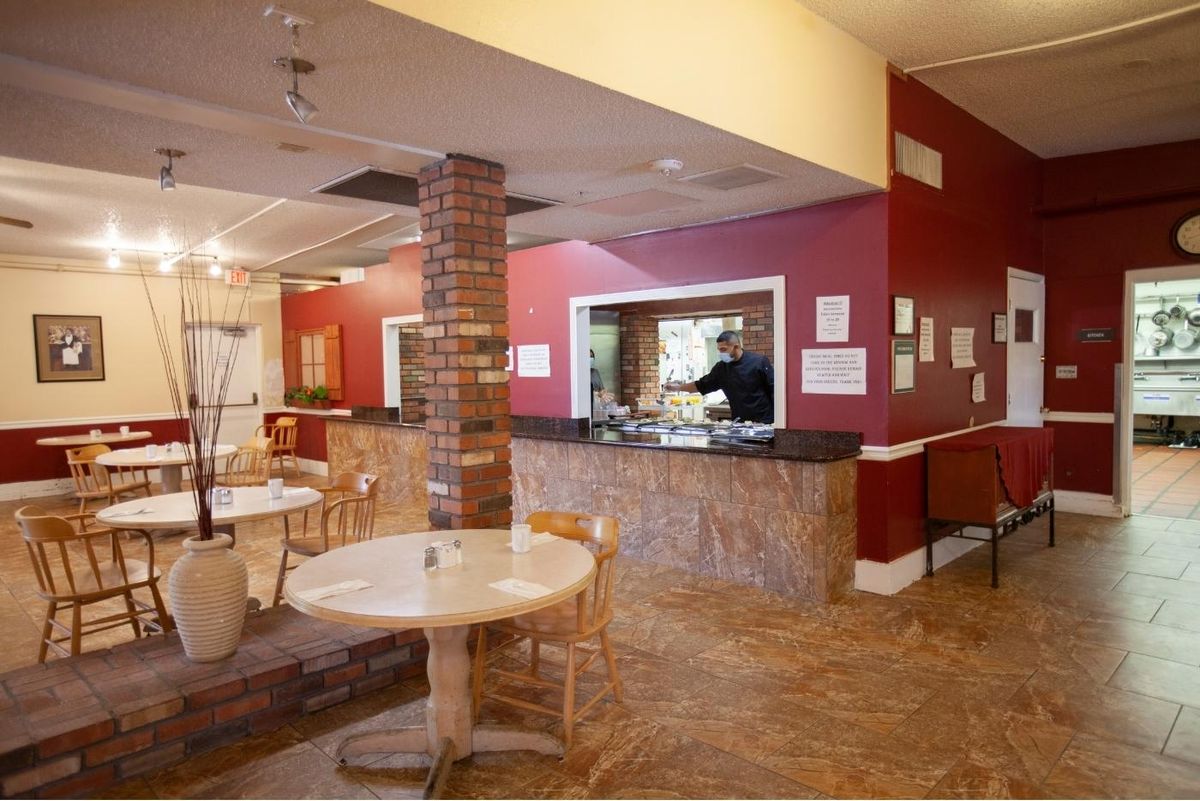
Multiple reviews praise the quality of food and describe it as excellent or delicious, and one mentions how the community brings residents to the dining room for meals. A reviewer also described restaurant-style meal preparation and choices available on the menu. Not every review is positive—at least one mentions dining as only so-so—so it sounds like experiences can vary.
caveat7 reviews mention this
Cleanliness and pests are a recurring concern
Several reviews raise serious concerns about cleanliness and pests.
Some reviewers describe the facility as dirty or smelling unpleasant, and several mention infestation problems such as roaches and bedbugs. Others discuss issues like gross floors and a generally poor condition, which they connect to safety and care concerns. One review also describes a problematic move-out experience involving items being handled inappropriately, adding to the broader cleanliness-and-condition complaints.
caveat9 reviews mention this
Staffing, check-ins, and responsiveness vary
Reviews describe wide variation in staffing presence, check-ins, and communication.
While many reviewers praise attentiveness, multiple negative reviews report problems with staffing coverage and whether residents are checked as needed. Families describe situations like waiting for staff to answer or be present, residents going days without showers, and concerns about medication handling or emergency response. There are also reviews about delayed or missing communication after health events, so responsiveness appears to be an area where experiences can differ a lot.
How we summarize
Counts show how many written reviews mention each theme; a review can touch several themes, and only frequently mentioned themes are displayed.
Features
Housing
92 resident community capacity
Studio apartments
Types of Care
Assisted Living
Memory Care
Respite Care
Amenities
Air-conditioning
Beautician on-site
Beauty salon
Cable or satellite TV
Computer center
Dining room
Fitness room
Fully furnished
Gaming room
Garden
Golf
Guasts at mealtime
Hiking trails
Housekeeping services
Kitchenette
Laundry
Move-in coordination
Outdoor space
Overnight guests
Private bathrooms
Resident parking
Respite or short term stays offered
Restaurant-style dining
Small library
Spa
TV room
Telephone
Wellness center
Wi-Fi/high-speed internet available
Transportation
Phoenix Sky Harbor International (4 miles away)
Community operated transportation
Transportation & parking
Transportation arrangement
Transportation arrangement (non-medical)
Transportation to doctors appointments
Care Services
12-16 hour nursing
24-hour call system
24-hour supervision
Activities of daily living assistance
Assistance with bathing
Assistance with dressing
Assistance with transfers
Coordination with health care providers
Dementia waiver
Diabetes diet
Hospice waiver
Meal preparation and service
Medication management
Mental wellness program
Mild cognitive impairment
Special dietary restrictions
Specialized memory care programming
Transportation arrangement (medical)
Transportation to doctors appointments
Dining
Diabetes diet
Special dietary restrictions
Activities
Activities off-site
Arts and crafts
Community-sponsored activities
Concierge services
Cooking club
Fitness programs
Games
Live musical performances
Planned day trips
Religious services
Resident-run activities
Scheduled daily activities
Stories
Wii bowling
Languages Spoken
English
Nearby Places of Interest
Pharmacies
CVS Pharmacy (0.7 miles)
Walgreens (1.2 miles)
CVS Pharmacy (1.6 miles)
Walgreens (1.7 miles)
CVS Pharmacy (2 miles)
Walgreens (2 miles)
Walgreens (2.2 miles)
Restaurants
Wren House Brewing Company (1 miles)
Del Taco (1.6 miles)
Whataburger (1.7 miles)
In-N-Out Burger (1.8 miles)
McDonald's (1.8 miles)
McDonald's (1.9 miles)
McDonald's (1.9 miles)
Physicians
Banner Family Medicine Center (1.6 miles)
Arizona Eye Specialists (1.7 miles)
SimonMed Imaging - Phoenix (1.7 miles)
Dignity Health Peppertree Family Medicine (2.4 miles)
Keystone Natural Family Medicine (2.6 miles)
Phoenix Skin Medical Surgical Group (2.8 miles)
Null (3.2 miles)
Hospitals
Banner – University Medical Center Phoenix (1.6 miles)
Carl T Hayden VA Medical Center, Recreation Therapy (1.8 miles)
Maricopa Medical Center (1.9 miles)
Arizona State Hospital (2.2 miles)
St Joseph's Hospital & Med Center: Deguzman Brian J MD (2.2 miles)
St Josephs Neurological ICU (2.2 miles)
Cafes
Dutch Bros Coffee (1.7 miles)
Starbucks (1.8 miles)
Panera Bread (1.8 miles)
Provision Coffee Bar (2.2 miles)
Lux Central (2.3 miles)
Songbird Coffee & Tea House (2.4 miles)
Futuro (2.4 miles)
Transportation
Thomas/Central Ave METRO (1.9 miles)
METRO McDowell/Central Ave (2.2 miles)
Airport Rent-A-Car (2.4 miles)
Hertz Rent A Car (3.5 miles)
Delta SkyClub (3.7 miles)
Terminal 3 (3.7 miles)
Phoenix Sky Harbor International Airport (PHX) (3.7 miles)
Places of Worship
Roosevelt Community Church (2.4 miles)
First United Methodist Church of Phoenix (3.1 miles)
Primera Iglesia United Methodist Church (3.3 miles)
The features offered by Rose Court Assisted Living and Memory Care are meticulously designed to support residents with dementia or Alzheimer's disease. The provision of 24-hour supervision ensures constant safety and reassurance, while assistance with activities of daily living, such as bathing, dressing, and transfers, fosters independence and dignity in routine tasks. Coordination with health care providers enhances the continuity of care, complemented by medication management that ensures adherence to prescribed regimens. Specialized memory care programming, along with tailored activities for those with mild cognitive impairment, promotes cognitive engagement and social interaction. Additionally, a dedicated mental wellness program addresses the emotional needs of residents. Meal preparation and service ensure nutritious dining experiences that consider dietary requirements, while transportation arrangements for medical appointments facilitate access to essential services without added stress on families. Together, these interrelated features create a supportive environment that prioritizes the well-being and quality of life for individuals experiencing memory challenges.
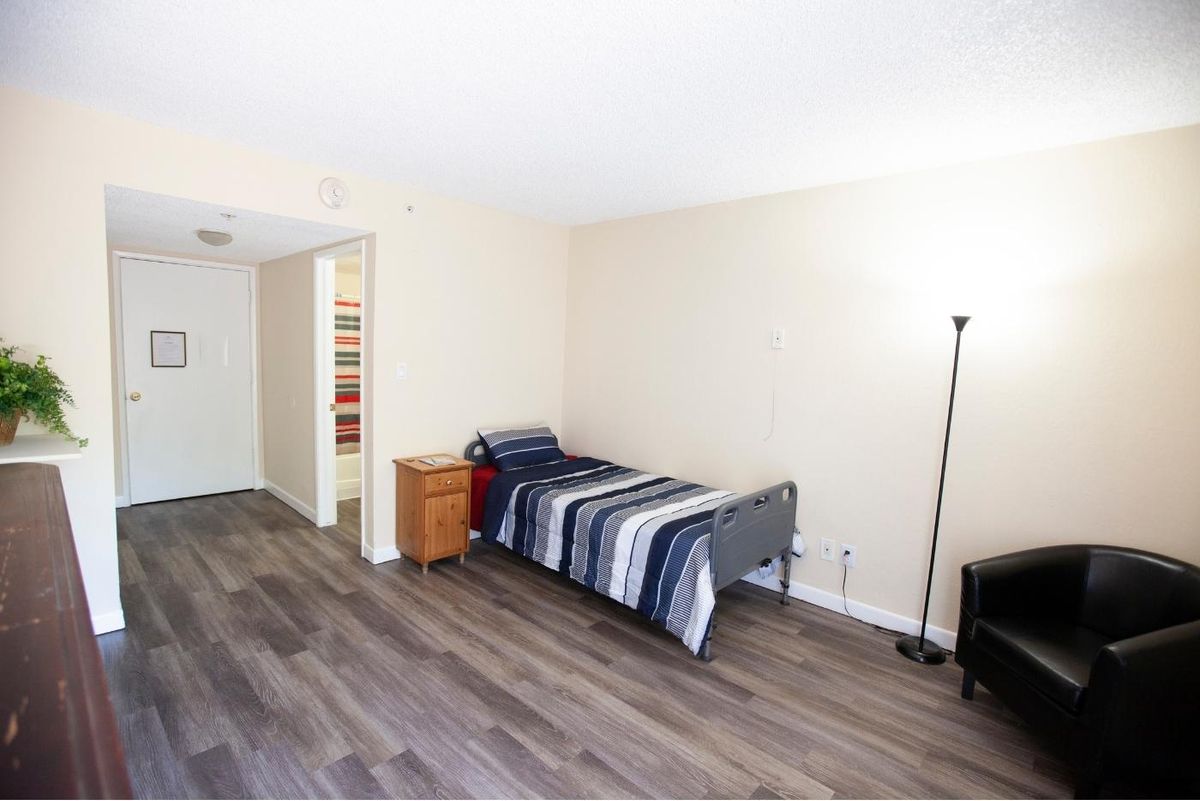
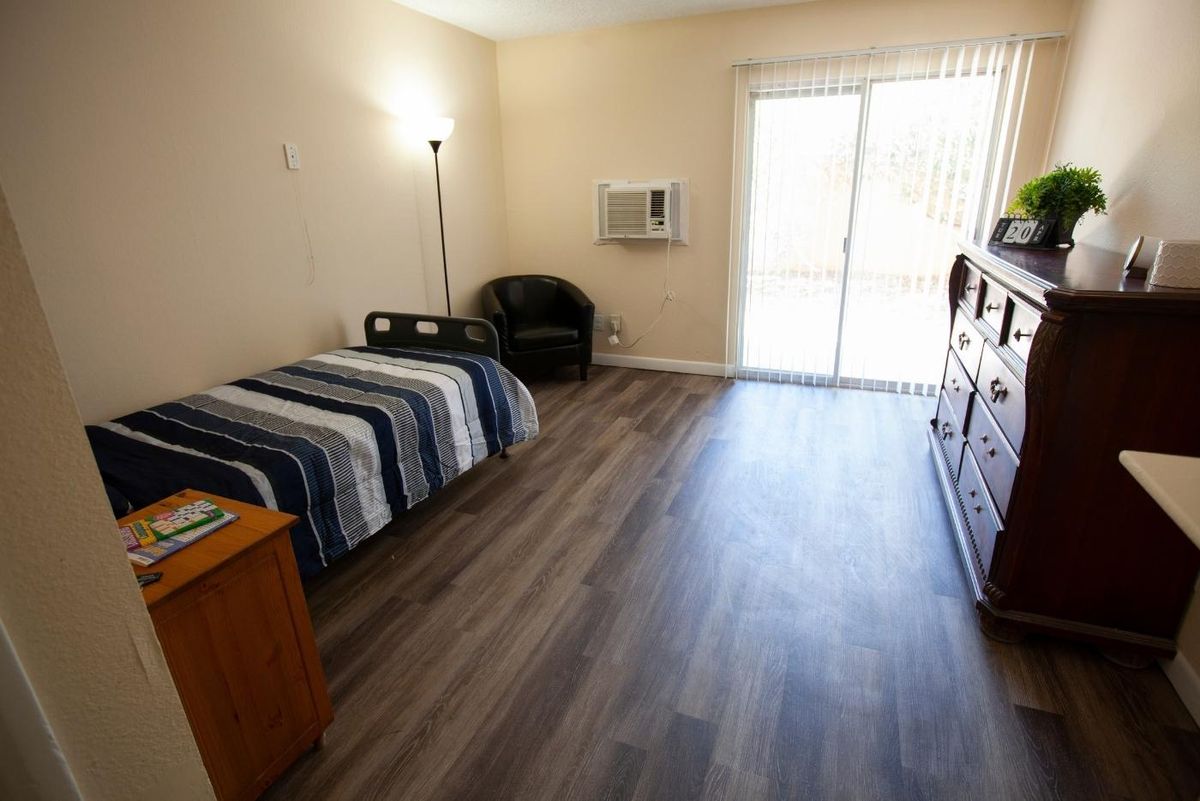
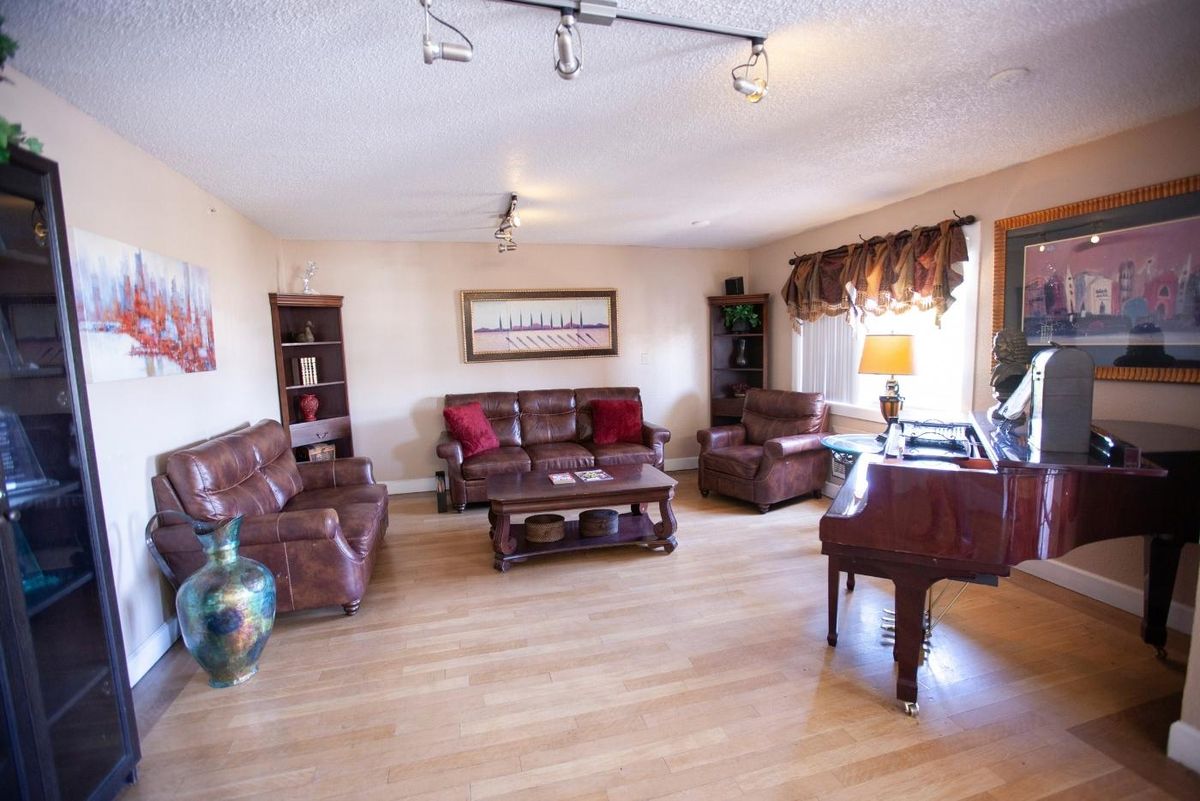
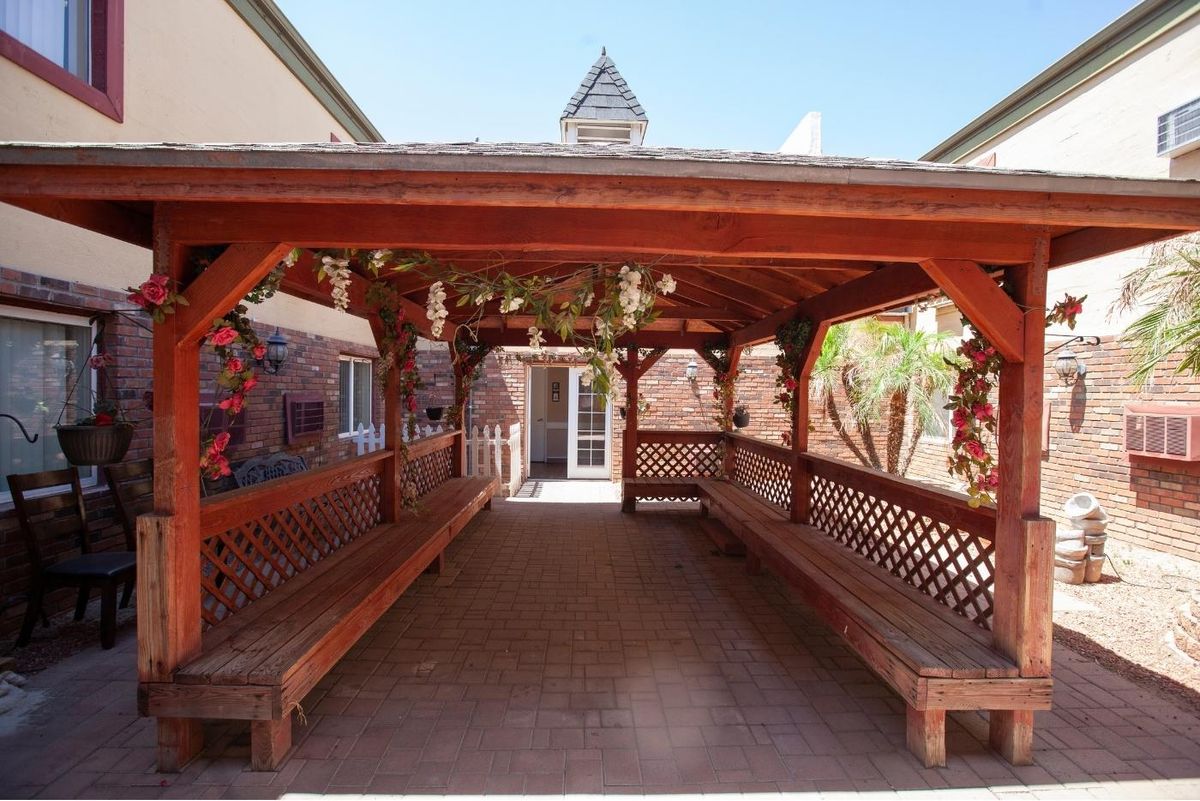
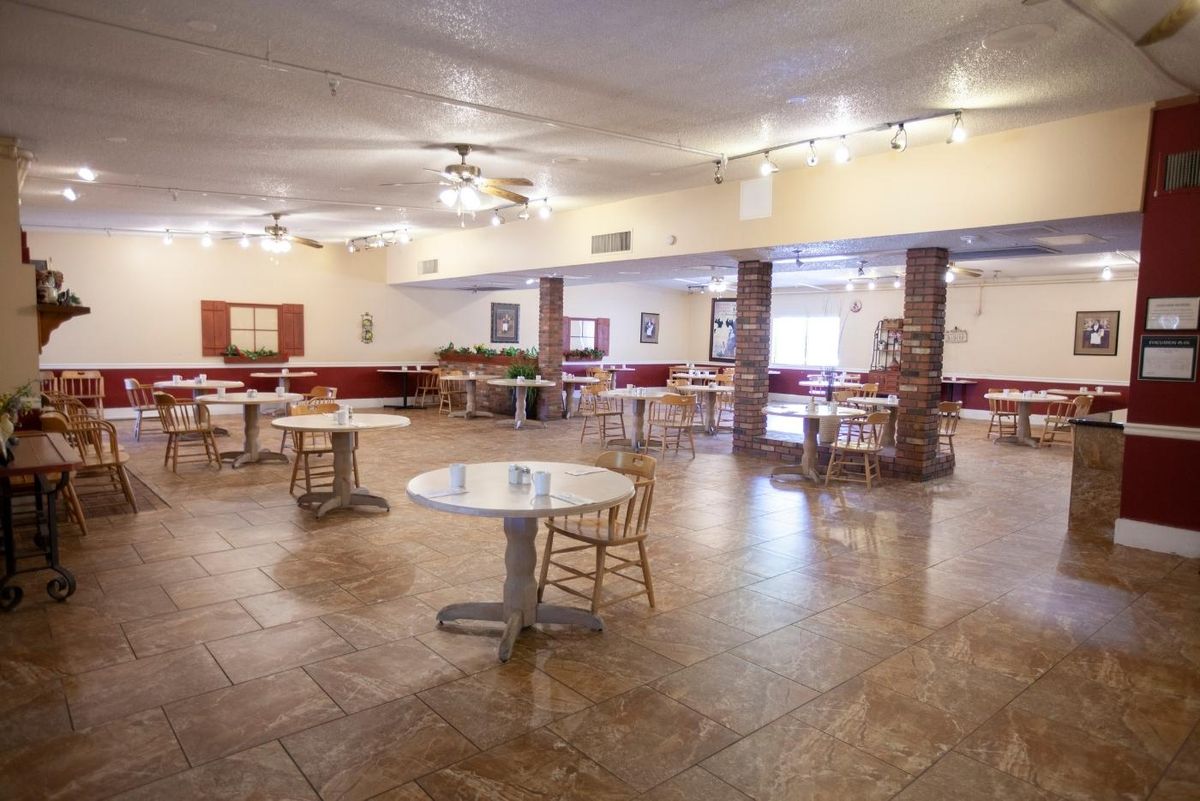
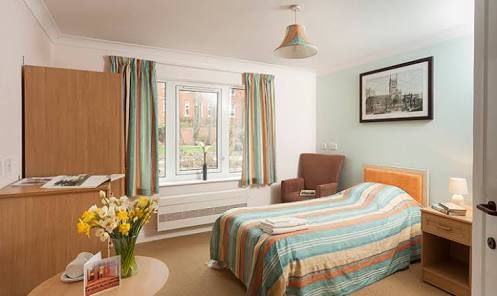
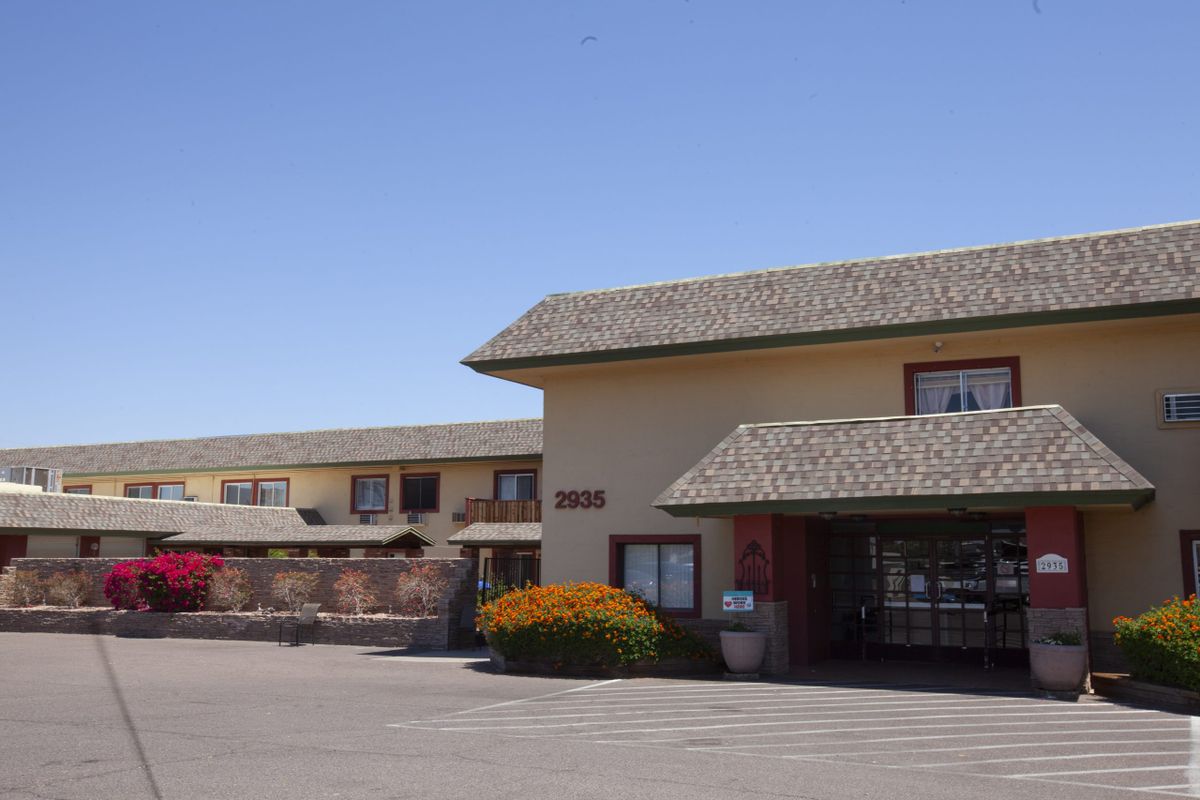
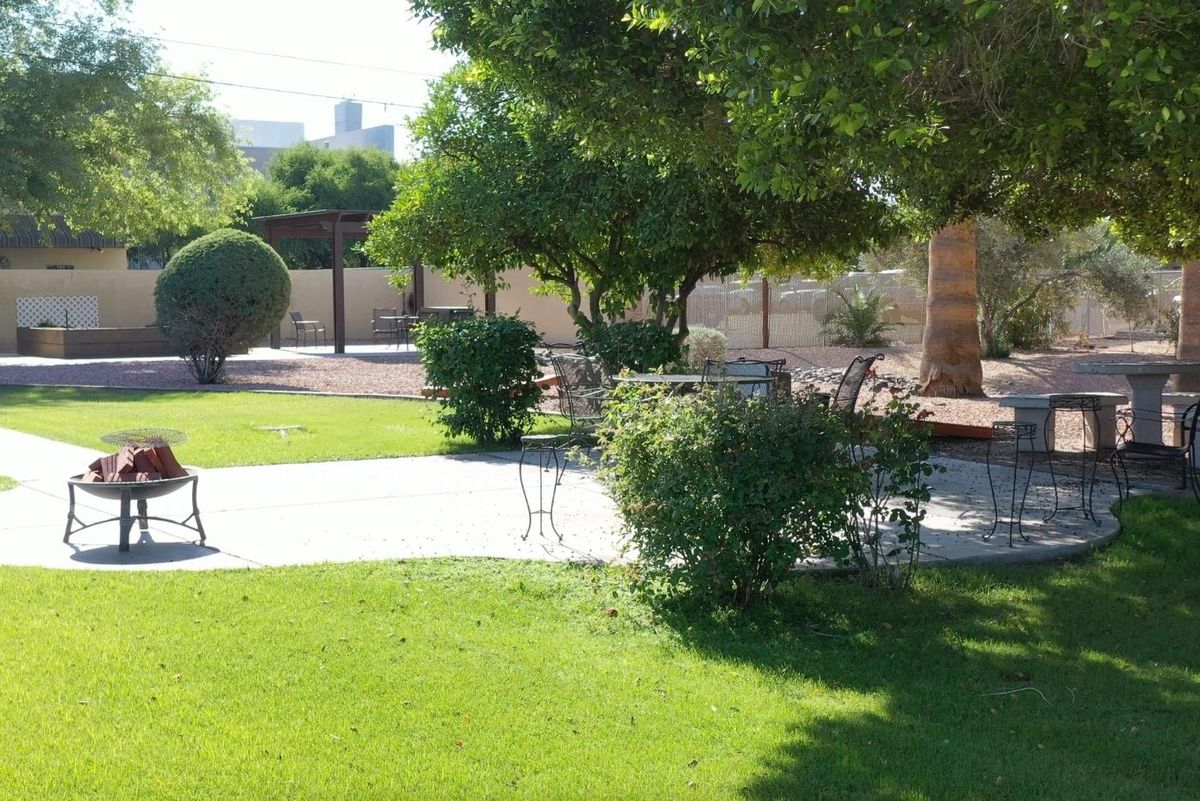
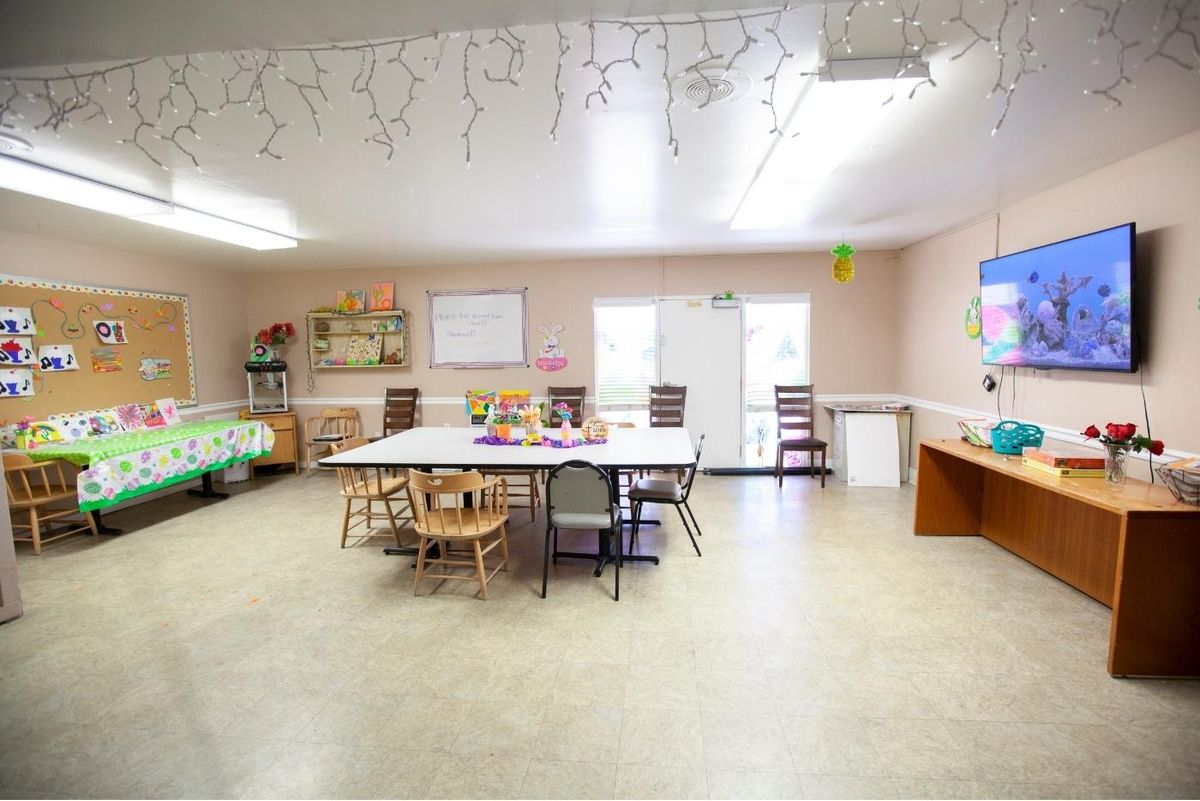
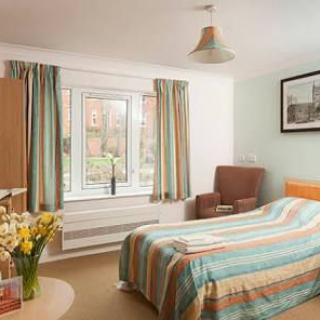
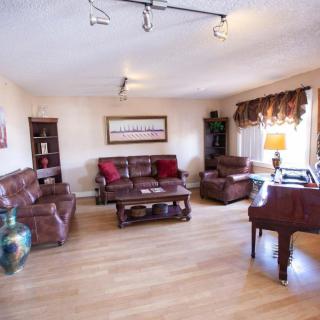
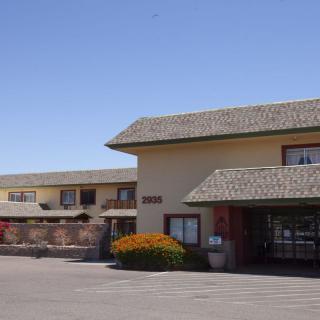
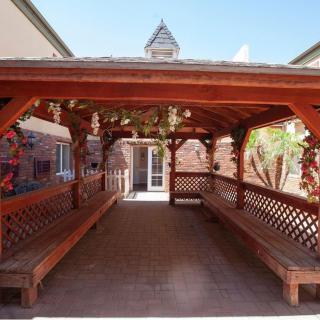
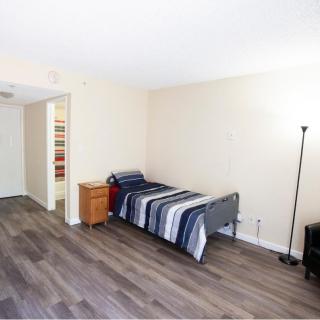
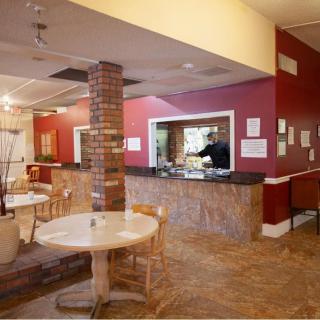
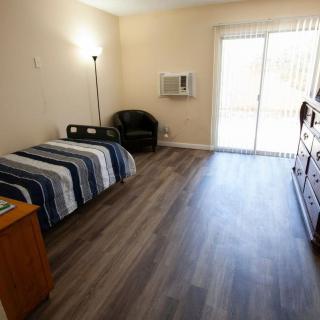
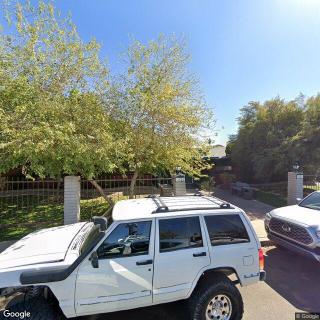
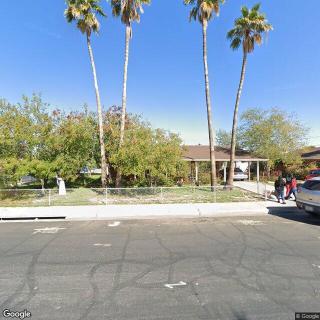
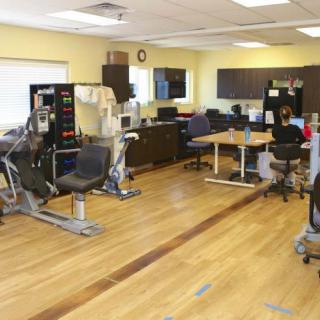
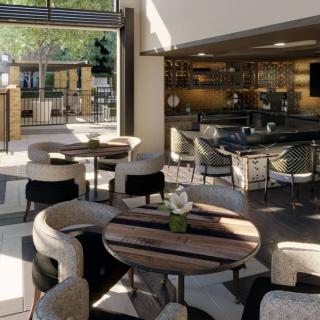
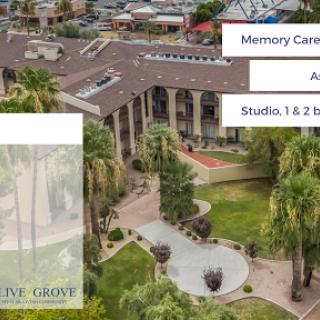
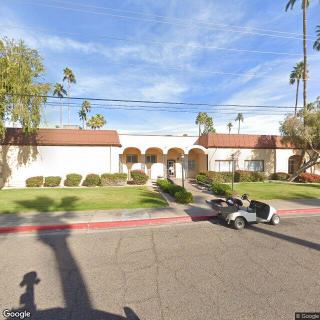
Rose Court Assisted Living and Memory Care on seniors.fyi includes 11 photos including images showing interior, bedroom, dining, minimalist, landscaping, architecture, decor, outdoors, and more.
Alzheimer’s disease is a progressive neurological disorder that significantly impacts memory and cognitive functions, accounting for 60-80% of dementia cases, with early diagnosis being crucial yet challenging. It involves brain changes like beta-amyloid plaques and tau tangles, influenced by genetic and lifestyle factors, and while there is no cure, symptom management and support for caregivers are essential.
Dementia, influenced by aging and certain medications, may be exacerbated by drug classes such as anticholinergics, benzodiazepines, and antipsychotics, which are associated with cognitive impairment. Regular medication reviews by healthcare professionals are crucial for older adults to manage risks and optimize cognitive health.
Dementia often results in disrupted sleep patterns, leading to excessive daytime sleeping due to factors like brain damage affecting circadian rhythms, medication side effects, and lack of structure in daily activities. Caregivers must monitor these changes closely, as oversleeping can increase risks such as malnutrition or dehydration, and provide necessary support and routines to enhance patient engagement and well-being.
Get PricingAsk A QuestionSchedule A TourContact Senior Advisor
By clicking submit, you agree to our Partner's Terms of Use. You
also consent to receive calls and texts, which may be autodialed, from our Partner. Your consent is not a condition to
using our Partner's service. Please visit our Partner's Privacy Policy for information about their privacy practices.

 92 resident community capacity
 Studio apartments
 Assisted Living
 Memory Care
 Respite Care
 Air-conditioning
 Beautician on-site
 Cable or satellite TV
 Computer center
 Dining room
 Fitness room
 Fully furnished
 Gaming room
 Garden
 Golf
Golf Hiking trails
 Housekeeping services
 Kitchenette
 Laundry
 Move-in coordination
 Outdoor space
 Overnight guests
 Private bathrooms
 Resident parking
 Restaurant-style dining
 Small library
 Spa
Spa Telephone
 Wi-Fi/high-speed internet available
 Phoenix Sky Harbor International (4 miles away)
 Community operated transportation
 12-16 hour nursing
 24-hour call system
 Activities of daily living assistance
 Assistance with bathing
 Assistance with dressing
 Assistance with transfers
 Diabetes diet
 Hospice waiver
 Medication management
 Mental wellness program
 Special dietary restrictions
 Transportation arrangement (medical)
 Arts and crafts
 Concierge services
 Cooking club
 Games
Games Live musical performances
 Planned day trips
 Religious services
 Stories
 Wii bowling
 English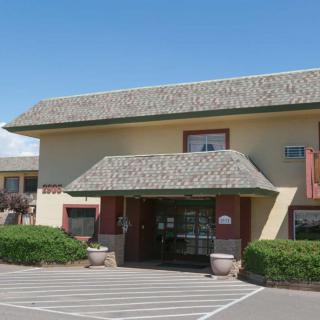
 Friendly, attentive staff; clean, pleasant environment; delicious meals; engaging activities; well-kept gardens.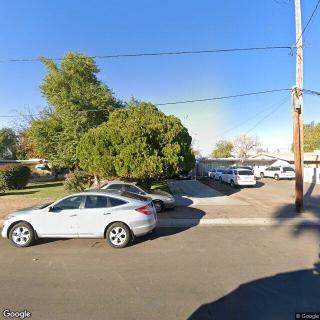

 Illuminating Insights About Alzheimer's Disease: Ten Crucial Realities
 A Thorough Discussion of Medications Potentially Linked to Dementia Risk
 Why Do Dementia Patients Sleep So Much? Understanding Oversleeping, Stages, and Care Approaches