
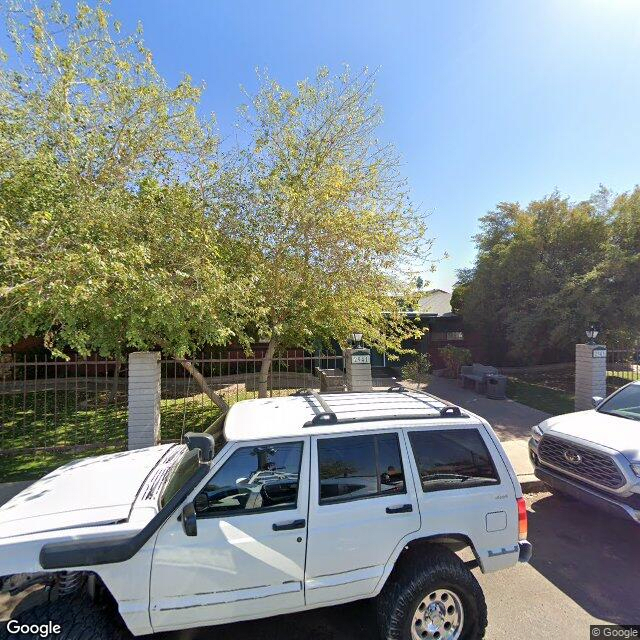
2941 North 14Th Street, Phoenix, AZ 85014
To contact a resident: (602) 279-1033
For more information about senior living options: (866) 208-4318
The Lodge At 14th Street Costs & Pricing
The Lodge At 14th Street offers competitive pricing for its accommodations, particularly when compared to the broader market rates in Maricopa County and the state of Arizona. For a semi-private room, residents can expect to pay $1,800 per month, which is significantly lower than the county average of $2,801 and the state average of $2,820. Similarly, for those seeking more privacy with a one-bedroom unit, The Lodge's monthly cost of $2,500 is also attractively positioned below both Maricopa County ($3,473) and statewide averages ($3,532). This pricing structure not only underscores The Lodge's commitment to affordability but also provides residents with an appealing alternative without compromising on quality care and supportive living environments.
| Floor plans | The Lodge At 14th Street | Maricopa County | Arizona |
|---|---|---|---|
| Semi-Private | $1,800 | $2,801 | $2,820 |
| 1 Bedroom | $2,500 | $3,473 | $3,532 |
Overall Review of The Lodge At 14th Street
Pros
 Two of the caregivers seem compassionate and caring.
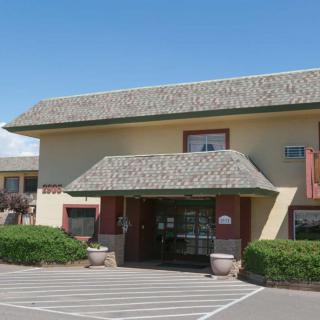
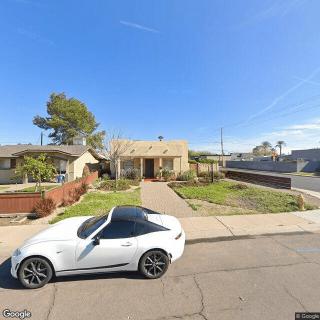
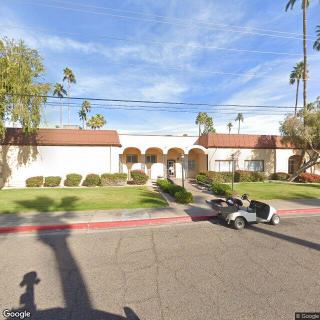
- This facility is a one-story, well-maintained building.
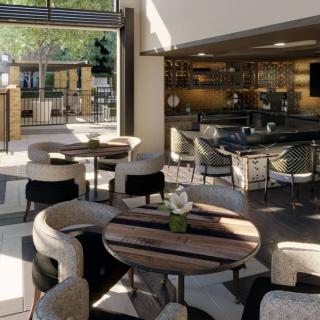
- There is a courtyard in the center with greenery and a patio.
- All food is cooked in the kitchen from scratch, and there is a real chef; the food is excellent.
- The rooms are private and semi-private, set up in a pod fashion like a small studio.
- The décor is simple, nice, and clean.
- The facility offers in-house activities such as bingo, sing-alongs, cards, and movies, plus some outside entertainment.
Cons
 The reviewer never felt safe.
- The facility is described as a behavioral facility.
- The food is greasy and there are few options besides sandwiches.
- The atmosphere feels less caring than the reviewer would like.
- The variety of dishes is minimal.
Review
The Lodge At 14th Street is best suited for relatively independent, upper-functioning seniors who want a compact, home‑like assisted living environment. It works for residents who do not require memory care or hospice, can navigate daily routines with directed care, and value a single‑story layout with a central courtyard. Those who prioritize predictable, on‑site cooking and set meal times, a straightforward dining experience, and a smaller community feel will find this setting a comfortable fit. The ability to arrange transportation for appointments and some outings adds a practical bonus for families who need predictable support without a large, high‑traffic campus.
Caregivers and families considering alternatives should note that this community may not meet needs requiring memory care, high medical acuity, or intensive supervision. For residents with dementia, wandering risk, or frequent medical crises, facilities with dedicated memory‑care wings and robust 24/7 nursing coverage are more appropriate. Families seeking a wider array of amenities, more varied dining options, or a more distinctly warm, nurturing atmosphere may find the Lodge’s offerings insufficient. A safety‑oriented review underscored the importance of thoroughly evaluating whether the level of oversight aligns with individual risk and needs.
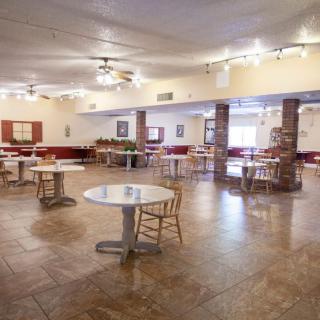
On the plus side, the Lodge presents a coherent, walkable footprint: one story, well maintained, with a center courtyard that keeps the environment light and accessible. Rooms are private or semi-private and arranged in a pod‑style layout with a small dining area, fostering a sense of contained community without overwhelming residents. The kitchen produces three meals daily, plus snacks, prepared from scratch by a real chef, and the main dining room helps maintain a shared mealtime rhythm. In‑house activities, bingo, sing‑alongs, cards, and occasional outside entertainment, provide predictable engagement without the pressure of a larger activities roster.
Yet several red flags temper these strengths. A reviewer’s comment that this feels like a behavior facility and the expressed concern about safety cannot be dismissed, especially for families prioritizing security. Staffing appears lean, with three caregivers on shifts for roughly 40 residents, which raises questions about response times and consistency of care, especially during busy periods. Medical oversight is limited to a nurse practitioner who visits monthly, which may be insufficient for residents with evolving health needs. Dining quality is mixed, with some praise for the chef but other observations describing greasy fare and limited variety, suggesting dietary experience can be inconsistent. The atmosphere can feel less warm than desired, and overall amenities lag behind what many families expect from comparable communities.
The practical takeaway is that the Lodge’s smaller scale and chef‑driven meals provide meaningful value for a specific resident profile, but the trade‑offs are substantial. The intimate setting can foster visibility and routine, and the kitchen’s role in nutrition is a clear asset. However, safety concerns, limited medical oversight, and the absence of memory‑care capabilities significantly constrain suitability for anyone with higher risk needs or cognitive impairment. The few staff on hand compared with resident numbers means dependable, timely responses cannot be assumed at all hours, which can be a decisive factor for family peace of mind. Pros and cons balance unevenly depending on the resident’s acuity and personality.
Decision guidance: this community can be a solid choice for a relatively low‑acuity senior who prioritizes a compact, homelike environment, predictable meals, and accessible campus layout. Before committing, obtain precise staffing ratios for day, night, and weekend shifts, and confirm what “directed care” encompasses in practice. Schedule a candid tour with the nursing provider candidate and inspect the kitchen and dining operations to verify meal quality and dietary adaptability. Inquire about specific safety measures, incident history, and how emergencies are escalated. If memory care, more intensive supervision, or richer programming are essential, or if a warm, highly nurturing atmosphere is non‑negotiable, it is prudent to explore larger communities or facilities with dedicated dementia care wings. Alignment of the resident’s needs with the Lodge’s capabilities will determine whether this option delivers genuine, sustainable value.
 40 resident community capacity
 Assisted Living
 Respite Care
 Cats allowed
 Dogs allowed
 Activities on-site
 Beautician on-site
 Cable or satellite TV
 Devotional services off-site
 Dining room
 Fully furnished
 Garden
 Housekeeping services
 Indoor common areas
 Kitchenette
 Move-in coordination
 Outdoor space
 Restaurant-style dining
 Small library
 Telephone
 Wheelchair accessible showers
 Wi-Fi/high-speed internet available
 Phoenix Sky Harbor International (4 miles away)
 24-hour call system
 Assistance with bathing
 Assistance with dressing
 Assistance with transfers
 Diabetes diet
 Diabetic care
 Incontinence care
 Medication management
 Mental wellness program
 Special dietary restrictions

 Social Security Benefits and Assisted Living: Navigating Options Across the U.S.
 An Extensive Exploration of the VA Aid and Attendance Benefit
 Senior Transition Services: Understanding Their Role, Cost, and Importance