
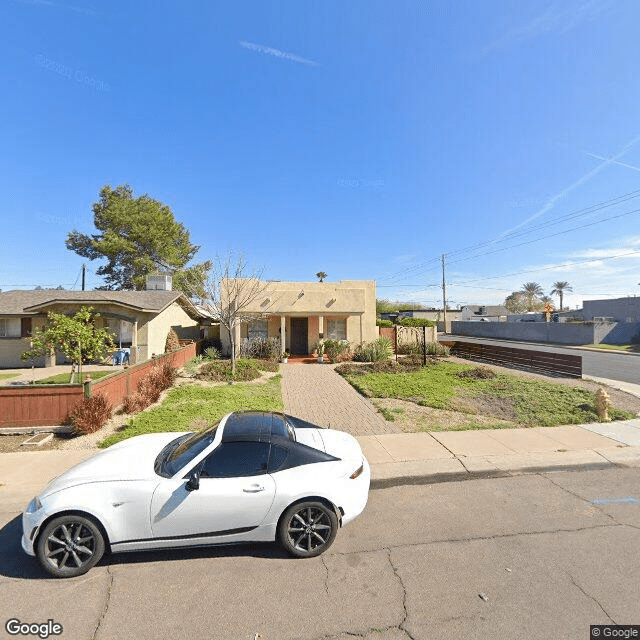
2301 North Mitchell Street, Phoenix, AZ 85006
To contact a resident: (602) 296-4931
For more information about senior living options: (866) 208-4318
Mitchell House Costs & Pricing
Mitchell House offers competitive pricing for its accommodations, positioning itself slightly above the averages in both Maricopa County and the broader state of Arizona. For semi-private rooms, residents can expect to pay $3,000 per month, which is notably higher than the county average of $2,801 and the state average of $2,820. Similarly, private rooms at Mitchell House are priced at $3,500, compared to Maricopa's average of $3,318 and Arizona's overall average of $3,345. While these costs may be on the higher end relative to local benchmarks, they reflect a commitment to providing quality care and a supportive living environment for residents.
| Floor plans | Mitchell House | Maricopa County | Arizona |
|---|---|---|---|
| Semi-Private | $3,000 | $2,801 | $2,820 |
| Private | $3,500 | $3,318 | $3,345 |
Senior living communities with a similar price nearby
-
from -$200 / mo
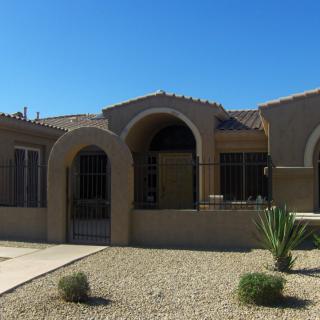
Pinnacle Peak Assisted Living
$2,800 to $3,100 / month17.7 miles away -
from +$500 / mo
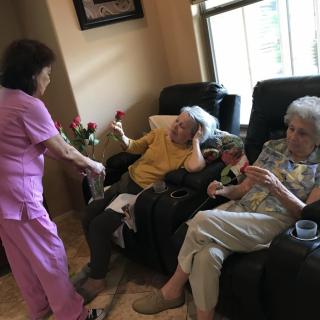
A Paradise for Parents Campbell Avenue
$3,500 to $4,500 / month19.0 miles away -
from -$375 / mo

The Eldercare Home Of Tempe
$2,625 to $3,412 / month11.1 miles away -
About the same
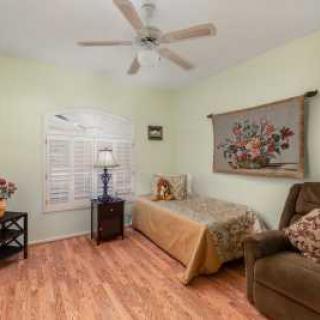
Endeavor AL I
$2,950 to $4,200 / month13.1 miles away -
from +$500 / mo
Endeavor AL II
$3,500 to $4,000 / month12.9 miles away
Overall Review of Mitchell House
Pros
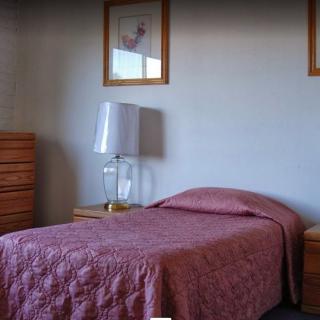
 The house is well kept up and clean with sunny tile floors.
- It provides space for five residents.
- The master with bath is very nice.
- The owner is described as a caregiver.
- The reviewers had a positive experience meeting and touring with the owner.
Cons
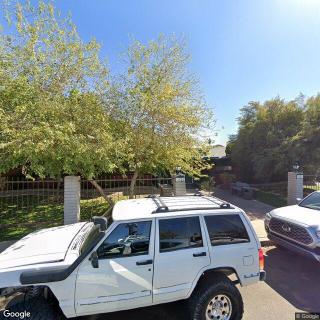
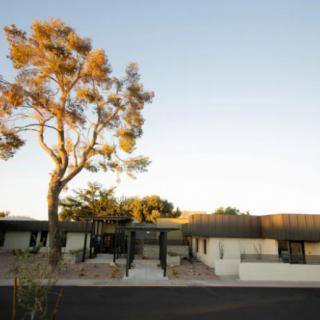
 The security features on the front patio and door make it feel intimidating.
- The listing has no website.
Review
Mitchell House is best suited for families seeking a very small, home-like living arrangement in which a single caregiver-owner delivers hands-on attention. The property functions as a five-bed setting with a private master suite and bath, foregrounding intimacy and predictability over programmability. On tour, the home appeared clean, well maintained, and sunlit, with tile flooring that supports easy upkeep. For residents who value direct access to the person responsible for day-to-day care and prefer a private, almost familial environment, this house delivers a level of accessibility and warmth that larger facilities often miss. It is the sort of arrangement where conversations with the on-site caregiver can shape routines in real time, and where residents are not lost in a crowd.
Those who may want to consider alternatives include families prioritizing formal licensing, regulated staffing, and robust, on-site programming. If the plan calls for consistent registered nursing coverage, memory-care supervision, or frequent social activities organized by a professional team, a larger assisted living community or a licensed board-and-care setting with licensed caregivers will typically meet those needs more comprehensively. Prospective residents who require frequent or specialized clinical care, or who expect a broader slate of wellness programming, will likely find Mitchell House too small or too dependent on a single caregiver’s capacity. In addition, families that want clear, verifiable online information about licensing and staffing will appreciate facilities that publish that data, and Mitchell House currently offers no website to provide that transparency.
The strongest positives center on the intimate, home-like character and the caregiver-driven model. The space for five residents creates a cozy ecosystem where residents can know one another’s routines and preferences, enabling more individualized care than a larger complex might permit. The master suite with its own bath is a meaningful perk, offering privacy and convenience for a resident who values personal space. Cleanliness and bright, sunny common areas contribute to a sense of well-being and ease, reducing the friction of daily living. For families who want to monitor care closely and maintain a direct line to the person responsible for supervision, the owner’s caregiver role can feel reassuring and efficient, with quicker responsiveness to changing needs.
The key drawbacks are notable and nontrivial. The security features on the front patio and door, while presumably intended to protect residents, can feel intimidating or unwelcoming to visitors and even to new residents in transition. This atmosphere may hinder spontaneous social interactions or a comfortable sense of entry for family members during visits. The lack of a website or clear external documentation introduces an element of opacity; prospective families must schedule tours to glean details about licensing, staffing hours, background checks, and what happens if care needs escalate. Finally, the small scale inherently limits the breadth of support; residents needing round-the-clock nursing supervision or frequent on-site therapy may confront gaps that a larger, staffed facility would fill more reliably.
Nevertheless, the pros offset several of the cons when viewed through a practical lens. For residents who prize continuity of care and a caregiver-anchored approach, the hands-on availability of the owner can translate into a more responsive, finely tuned daily routine. The private master bath and the high level of personal attention reduce morning friction and facilitate individualized care plans, while the compact community fosters accountability and mutual familiarity among residents and staff. The bright, clean environment counteracts some drawbacks of a smaller footprint by creating an atmosphere that remains dignified and manageable, even when clinical needs shift. In short, Mitchell House delivers a quality of life rooted in intimacy and attentiveness that many families seek but struggle to find in larger facilities.
For decision-making, Mitchell House is a strong fit for a resident who is relatively stable, prefers a home-like setting, and can rely on a caregiver-owned model for day-to-day oversight. It is less suitable for someone requiring regular licensed nursing supervision, intensive rehabilitation services, or a wide array of on-site activities designed and ran by a professional team. Families should pursue candid conversations about licensing status, staffing coverage, and escalation protocols, and should visit with a clear checklist that examines safety, emergency response, medication management, and individualized care plans. If those elements align with the resident’s needs and the comfort level with a small, owner-operated home, Mitchell House stands out as a thoughtful, quietly capable choice. If not, exploring a licensed, larger assisted living community will likely yield greater alignment with expectations for care intensity and external transparency.
 Board and Care Home
 Activities off-site
 Bath tubs
 Devotional services off-site
 Indoor common areas
 Outdoor common areas
 Private
 Respite or short term stays offered
 Phoenix Sky Harbor International (4 miles away)
 Ambulatory care
 Diabetic care
 High acuity care
 Kosher
 Christian services


 Comprehensive Insights into Palliative Home Care: What It Is and What to Expect
 Skilled Nursing Facilities vs. Nursing Homes: Making Sense of the Differences
 A Detailed Examination of Nursing Home Costs Across the U.S.