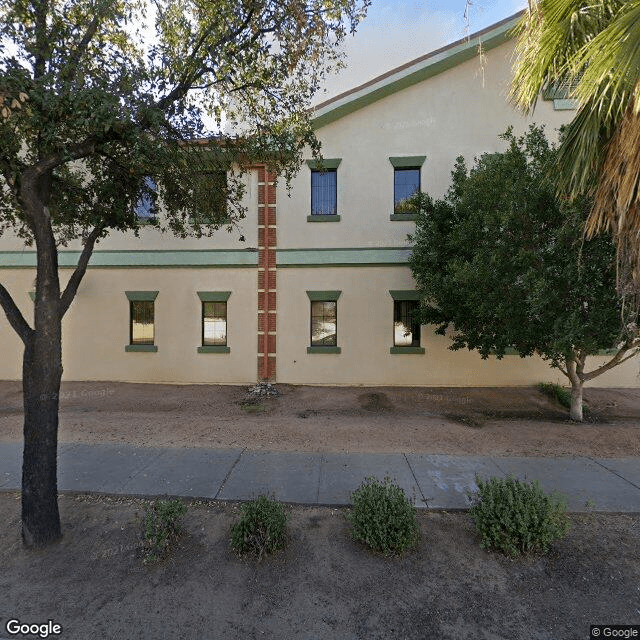
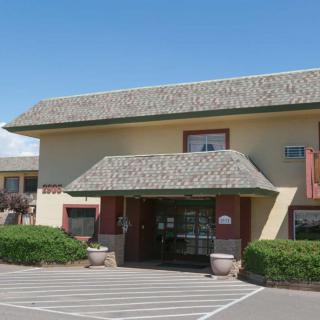
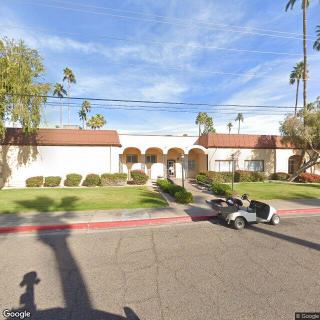
Foundation For Senior Living
Save
1201 E Thomas Rd, Phoenix, AZ 85014
For more information about senior living options: (844) 490-3973
What level of care are you interested in?

Assisted Living

Memory Care

Independent Living

Skilled Nursing Facility

Continuing Care Retirement Community (CCRC)CCRC

Other
A number of personal experiences with AllThrive365, operating under Foundation for Senior Living (FSL), paint a portrait of a program and an organization that elicit strong praise from some and deep frustration, fear, and anger from others. On one hand, several reviewers describe compassionate staff, helpful programs for seniors, and moments when assistance or information arrived just when it was needed. On the other hand, a substantial thread of stories centers on serious concerns: delays in securing essential services, alleged retaliation against those who raise concerns, questionable handling of taxpayer-funded programs, unsafe living conditions in some housing settings, and a pattern of leadership behavior that many readers would find alarming if accurate. Taken together, these accounts reveal a complex and troubling mix of experiences that many community members would want to see thoroughly investigated and addressed.
A notable portion of the narratives focuses on a confrontation between a resident exercising free speech and the organization's leadership. One account describes receiving a threatening letter from the organization's attorney after voicing concerns, suggesting an approach that prioritizes intimidation over addressing substantive issues. The author emphasizes that this response - legal pressure rather than problem-solving - should raise questions about how public resources are managed and how dissent is treated when it concerns vulnerable populations. The statement frames the experience as a broader warning about accountability, particularly when taxpayer funds are used to deliver services to the community. The author stresses that the right to speak up about how funds are used should not be met with retaliation or legal threats.
Another facet of the narrative centers on leadership and governance at the top levels of the organization and affiliated public programs. In particular, the account singles out Tamara Bohannon and, more broadly, leadership within FSL/Allthrive365, alleging that the organization has strayed from its mission and engaged in practices that harm families and misuse government programs. The reviewer argues that families who clearly qualified for assistance were repeatedly denied, leading to months of hardship. When reports of retaliation and abuse were filed, the organization allegedly denied services while pursuing aggressive legal action against the reporter. A key claim is that health and safety concerns - such as mold contamination in homes - were known to the organization and to the Arizona Department of Housing (ADOH) but were not adequately addressed, resulting in prolonged exposure to risk for vulnerable residents. The reviewer goes further, alleging that ADOH leadership enabled a pattern of inaction, allowing alleged retaliation and program abuse to continue with the implication that oversight bodies were not intervening as needed. The speaker calls for accountability, the removal of specific leaders, and reform of how public housing programs are run in the state.
The harm described in these accounts is framed as deeply systemic, touching many families who rely on these services. The Healthy Homes Program is repeatedly referenced as a conduit through which residents should receive safe and healthy living conditions, yet the narratives claim that these protections were not only delayed but compromised by management practices. The overall argument is that, when vulnerable families endure unsafe housing, wait months for assistance, and face intimidation rather than support, there is a broad failure of the institutions entrusted with public resources. The recounted experiences are presented as evidence of a broader pattern - one in which official alignment with private interests, or at least inaction by oversight authorities, perpetuates harm rather than remedy.
Beyond the programmatic and governance questions, the posts include vivid, firsthand descriptions of the conditions in some group homes and related home improvement projects. One reviewer recounts a driver incident - an experience in which a driver almost caused an accident - along with criticisms of transportation safety and accountability. Other accounts describe living spaces with little to no food, unsanitary conditions, insufficient cleaning supplies, and periods when clients apparently went without showers or clean hygiene products. There are claims that upper administration operate remotely rather than visiting the sites, while another employee was described as monitoring staff via cameras to catch infractions. Specific complaints include a home improvement project that left holes in ceilings and walls, with an installer allegedly cutting more holes than necessary and refusing to address cosmetic repairs. In one instance, a vent hole was cut in a bedroom door, and when confronted about the error, staff allegedly dismissed the issue as not a cosmetic concern. Together, these anecdotes paint a picture of how mismanagement might affect the daily lives and safety of residents.
Amid the more critical narratives, there are also expressions of gratitude and approval for particular people and programs within the organization. Several reviews highlight individual staff members and volunteers who have made meaningful contributions. Names such as Tatum (a contact for volunteers) and Cherise appear as positive touchpoints in the community engagement efforts. Others praise the organization for resources related to aging, disability support, and housing assistance, referencing helpful staff, accessible information, and the role of volunteers in delivering gifts and services to seniors. A dietitian named Dana Thomson is singled out as a standout, described as listening carefully and guiding clients toward individualized plans. Positive comments also emphasize the organization's role in helping some people find housing or navigate housing programs, and several reviewers express a belief that the organization does good work and serves essential needs in the community.
The spectrum of experiences includes logistical and communication challenges that complicate access to services. Several entries note that obtaining responses by phone is difficult, with references to delays or missed communications. Some reviewers express frustration with the pace of the intake or eligibility processes, recounting extended waits or repeated requests for documentation that create barriers for people who are already dealing with financial or health-related pressures. Other testimonies describe more hopeful outcomes, such as learning about information and resources, support networks, and opportunities to secure an apartment or other assistance - tests, perhaps, of the program's potential when it functions smoothly and with responsive leadership.
Throughout these accounts, there is a persistent call for oversight, reform, and accountability. The writers urge scrutiny of how funds are allocated and used, insisting that communities deserve transparent explanations about program administration and decision-making. The underlying concern is that public programs designed to protect vulnerable residents are being undermined by delayed service delivery, retaliatory actions against critics, and misalignment between program goals and actual practice on the ground. In several passages, the speaker emphasizes that this is not a criticism of individuals alone but a demand for structural reforms that ensure safety, dignity, and timely assistance for families who need it most. The closing sentiment is a clear appeal for public oversight, better governance, and a recommitment to the mission of serving people rather than permiting organizational practices to profit from or overlook human suffering.
Taken together, the collection of experiences presents a nuanced depiction of AllThrive365 and Foundation for Senior Living: moments of meaningful impact and compassion sit alongside serious concerns about accountability, safety, and the treatment of those who speak out. The testimonies, whether detailing positive interactions with dedicated staff or grave warnings about unsafe housing and retaliation, underscore the importance of rigorous oversight, transparent operations, and a steadfast commitment to the wellbeing of the community. For any resident, family member, or taxpayer relying on these services, the overarching takeaway is the urgent need for independent review, clear lines of accountability, and consistent safeguards to ensure that public resources truly serve the vulnerable and do not become instruments of delay, harm, or silence.
The Foundation for Senior Living in Phoenix, AZ is strategically located in a vibrant area with an abundance of amenities and services nearby. Our assisted living community provides a comfortable and supportive environment for seniors to enjoy their golden years.
With 14 cafes in close proximity, residents can easily meet up with friends or family for a casual coffee or meal. The availability of 38 restaurants ensures that individuals have a diverse range of dining options to suit their preferences.
Nature enthusiasts will appreciate the proximity of three parks, offering opportunities for leisurely walks, picnics, or simply enjoying the beauty of nature. For those who require medical assistance, there are 13 pharmacies and 7 physicians located nearby, ensuring easy access to healthcare services.
Transportation is made convenient with 13 transportation options available close by. This allows residents to easily access local attractions, run errands, or visit loved ones without any hassle.
For spiritual needs and connections within the community, there are three places of worship right around the corner. Additionally, individuals seeking entertainment can enjoy cultural experiences at the nearby theater.
The safety and well-being of our residents are paramount. With eight hospitals in close proximity, prompt medical attention is readily available should any emergencies arise.
At the Foundation for Senior Living in Phoenix, AZ, we strive to create an enriching environment where seniors can live comfortably while enjoying the convenience and accessibility of various amenities and services nearby.
This part of Phoenix, Arizona offers a convenient and diverse range of amenities for seniors looking to retire in the area. With a variety of dining options such as Del Taco, Whataburger, and The Old Spaghetti Factory nearby, seniors can easily satisfy their cravings. In terms of healthcare, there are reputable physicians like Arizona Eye Specialists and Banner Family Medicine Center within close proximity for any medical needs. Additionally, transportation options like the METRO stations and airport rental car services make getting around town or traveling long distances easy. For leisure activities, there are charming cafes like Lux Central and parks such as Margaret T. Hance Park for leisurely strolls or picnics. There are also places of worship like Roosevelt Community Church and entertainment venues like AMC Arizona Center 24 nearby for spiritual fulfillment and cultural experiences. Overall, this part of Phoenix offers a well-rounded lifestyle suitable for seniors looking to settle down in a vibrant community.
Foundation For Senior Living is located at 1201 E Thomas Rd, Phoenix, AZ 85014 in Maricopa County, Arizona
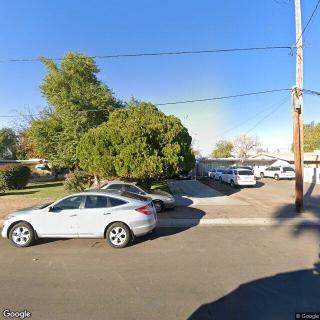
The Lodge At 14th Street
Phoenix, AZ
Well-maintained facility with pleasant decor, a green courtyard, on-site chef-prepared meals, and attentive staff.

The Lodge At 14th Street reviews
The Lodge At 14th Street images
Mitchell House
Phoenix, AZ
Well-kept, sunny environment with an attentive owner-caregiver and spacious layout for five residents.
Mitchell House costs
Mitchell House reviews
Mitchell House images
Rose Court Senior Living
Phoenix, AZ
Friendly, attentive staff; clean, pleasant environment; delicious meals; engaging activities; well-kept gardens.
Rose Court Senior Living costs
Rose Court Senior Living reviews
Rose Court Senior Living images
Ten Vital Duties of a Senior Caregiver: A Comprehensive Guide

The guide details ten essential responsibilities of senior caregivers, including personal care, mobility assistance, medication management, and emotional support, while emphasizing the importance of safety, nutrition, and maintaining a safe living environment to enhance seniors' quality of life and independence.
9 Stimulating Memory Activities for Seniors: Puzzles, Cards, and Much More

The article highlights nine memory-boosting activities for seniors that enhance cognitive health and social interaction, including puzzles, trivia quizzes, and storytelling, while emphasizing the importance of adapting these activities to individual preferences to maximize enjoyment and engagement. Consistent mental engagement is linked to improved cognitive function and emotional well-being in older adults.
Managing Nursing Home Expenses After Medicare Coverage Ends
Medicare provides limited coverage for skilled nursing home care, covering full benefits for the first 20 days and partial benefits up to 100 days under certain conditions, after which families must explore alternative funding options like Medicaid or long-term care insurance to manage potentially high costs. Proactive planning is essential to navigate the complexities of financing ongoing care once Medicare coverage ends.