Residents describe memory care supervision that feels available around the clock.
Several residents and family members say the memory care team helps them feel safe and supported day to day. One reviewer highlights caregivers who emphasize safety 24/7, while another describes a director who responds quickly by phone, email, or text. Reviews also point to consistent, hands-on involvement from the memory care leadership and staff.
common45 reviews mention this
Caregivers are repeatedly praised
Staff kindness and responsiveness come up again and again in reviews.
Across many reviews, families describe caregivers and staff as kind, patient, and attentive. Multiple residents and visitors also mention staff being professional and going above and beyond during move-in and day-to-day interactions. Communication is frequently described as helpful, with families feeling at ease knowing their loved one is cared for.
common28 reviews mention this
The community stays consistently clean
Residents and families frequently mention the facility cleanliness.
Many reviews call out cleanliness and note that common areas and living spaces feel well maintained. Several people also mention rooms being clean and the building looking cared for when they visit. A smaller number of reviews connect cleanliness directly to feeling comfortable and confident about day-to-day care.
common16 reviews mention this
Dining gets strong praise overall
Meals are a frequent highlight, with many reviews calling food excellent.
Dining comes through as one of the most consistently positive experiences in reviews. Families and residents describe the meals as delicious, outstanding, and a reason they feel comfortable recommending the community. A few reviewers also mention variety across meals and that they enjoy dining in the community.
caveat1 reviews mention this
Some concerns about food quality
A small number of reviews raise concerns about meal variety and timing.
One review says the food selection feels repetitive and limited, with portion sizes described as too small. The same reviewer also complains about slower service times, including meals taking an hour or more to be served. This is the main recurring downside related to dining quality rather than an overall pattern in the reviews.
caveat1 reviews mention this
Communication can be inconsistent
At least one review reports that top-level communication is lacking.
While many reviewers mention good communication with families, one review specifically says communication from the executive management team is lacking. This appears as a separate concern rather than a description of everyday caregiver interactions. It stands out because it contrasts with the more frequent comments about responsiveness and family support.
How we summarize
Counts show how many written reviews mention each theme; a review can touch several themes, and only frequently mentioned themes are displayed.
Features
Housing
5 resident community capacity
Types of Care
Assisted Living
Amenities
Cable or satellite TV
Dining room
Fully furnished
Garden
Housekeeping services
Move-in coordination
Outdoor space
Telephone
Wi-Fi/high-speed internet available
Transportation
Phoenix Sky Harbor International (5 miles away)
Care Services
24-hour supervision
Activities of daily living assistance
Assistance with bathing
Assistance with dressing
Assistance with transfers
Coordination with health care providers
Diabetes diet
Meal preparation and service
Medication management
Special dietary restrictions
Transportation arrangement (medical)
Transportation to doctors appointments
Dining
Diabetes diet
Special dietary restrictions
Activities
Community-sponsored activities
Scheduled daily activities
Nearby Places of Interest
Pharmacies
CVS Pharmacy (0.6 miles)
Walgreens (1.2 miles)
CVS Pharmacy (1.3 miles)
Walgreens (1.5 miles)
CVS Pharmacy (1.6 miles)
Walgreens (1.9 miles)
CVS Pharmacy (2.4 miles)
Hospitals
Carl T Hayden VA Medical Center, Recreation Therapy (0.8 miles)
St Joseph's Hospital & Med Center: Deguzman Brian J MD (1.5 miles)
St Josephs Neurological ICU (1.5 miles)
Banner – University Medical Center Phoenix (1.9 miles)
Maricopa Medical Center (2.9 miles)
Arizona State Hospital (3.2 miles)
Abrazo Central Campus (3.6 miles)
Physicians
Arizona Eye Specialists (0.8 miles)
SimonMed Imaging - Phoenix (1.3 miles)
Phoenix Skin Medical Surgical Group (1.7 miles)
Dignity Health Peppertree Family Medicine (1.7 miles)
Keystone Natural Family Medicine (1.8 miles)
Banner Family Medicine Center (1.9 miles)
Null (4 miles)
Restaurants
Del Taco (1.1 miles)
George & Dragon Restaurant (1.2 miles)
McDonald's (1.3 miles)
Kobalt (1.3 miles)
In-N-Out Burger (1.4 miles)
Arriba Mexican Grill (1.5 miles)
Taco Bell (1.6 miles)
Cafes
Lux Central (1.3 miles)
Panera Bread (1.4 miles)
Dark Hall Coffee (1.6 miles)
Starbucks (1.8 miles)
Dutch Bros Coffee (2.3 miles)
Starbucks (2.4 miles)
Futuro (2.5 miles)
Transportation
Thomas/Central Ave METRO (1.3 miles)
METRO McDowell/Central Ave (2.1 miles)
Airport Rent-A-Car (3.3 miles)
Hertz Rent A Car (4.2 miles)
Delta SkyClub (4.7 miles)
Terminal 3 (4.7 miles)
Phoenix Sky Harbor International Airport (PHX) (4.7 miles)
Places of Worship
First United Methodist Church of Phoenix (2.1 miles)
Roosevelt Community Church (2.5 miles)
Primera Iglesia United Methodist Church (3.6 miles)
The article discusses assisted living expenses, the importance of long-term care insurance in covering these costs, and various financing options, highlighting the need for careful policy review and early planning to address potential needs. It also clarifies common misconceptions about Medicare and private health insurance limitations regarding long-term care coverage.
Assisted living facilities offer crucial support for older adults needing help with daily activities but come with varying and significant costs, which can be financed through personal savings, government assistance programs, long-term care insurance, and home equity options. Professional guidance from experts can aid families in navigating these financial complexities to establish a sustainable budgeting approach for assisted living services.
Assisted living costs often exceed Social Security benefits, necessitating a combination of funding sources like state aid and Medicaid. Understanding the interaction between Social Security programs and available financial support is essential for affording such care.
Get PricingAsk A QuestionSchedule A TourContact Senior Advisor
By clicking submit, you agree to our Partner's Terms of Use. You
also consent to receive calls and texts, which may be autodialed, from our Partner. Your consent is not a condition to
using our Partner's service. Please visit our Partner's Privacy Policy for information about their privacy practices.

 5 resident community capacity
 Assisted Living
 Cable or satellite TV
 Dining room
 Fully furnished
 Garden
 Housekeeping services
 Move-in coordination
 Outdoor space
 Telephone
 Wi-Fi/high-speed internet available
 Phoenix Sky Harbor International (5 miles away)
 24-hour supervision
 Activities of daily living assistance
 Assistance with bathing
 Assistance with dressing
 Assistance with transfers
 Diabetes diet
 Meal preparation and service
 Medication management
 Special dietary restrictions
 Transportation arrangement (medical)
 Transportation to doctors appointments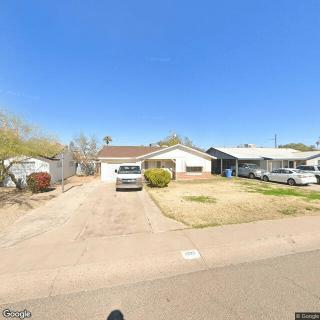
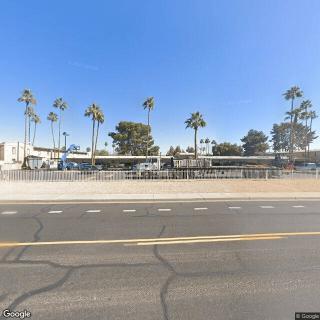
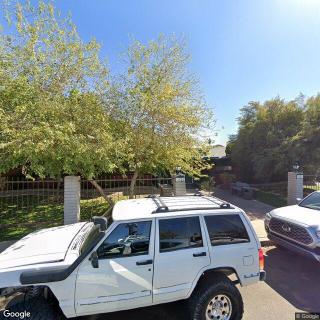
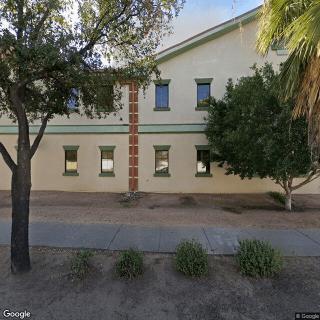
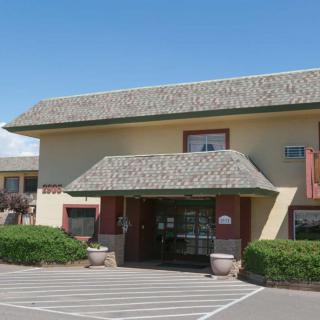
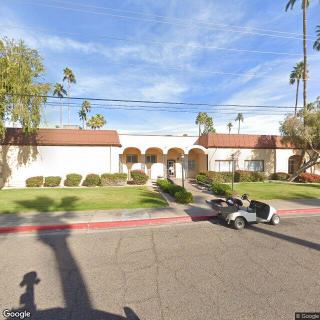
 Small, intimate setting with attentive caregivers and a clean, pleasant environment.

 Assisted Living Expenses and Long-Term Care Insurance: A Comprehensive Exploration
 Securing Financial Support for Assisted Living: A Comprehensive Overview
 Social Security Benefits and Assisted Living: Navigating Options Across the U.S.