

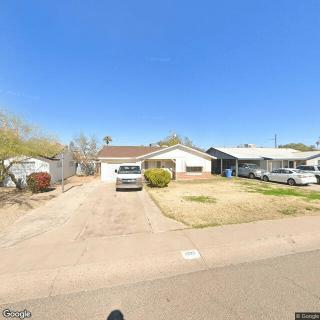
4417 N 12th St, Phoenix, AZ 85014
To contact a resident: (602) 279-6543
For more information about senior living options: (866) 208-4318
Overall Review of Casa Madrid Apartments
Pros
 The renovations and renewals demonstrate that management cares about residents.
- The renovations are an improvement over many other apartments that neglect residents.
- The manager is described as very nice and highly accommodating to residents’ needs.
Cons
 Nobody answers the phone or the door.
- The place is a hot mess.
- The reviewer dislikes the place.
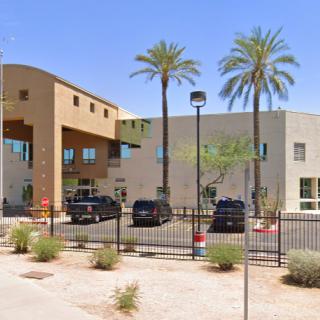
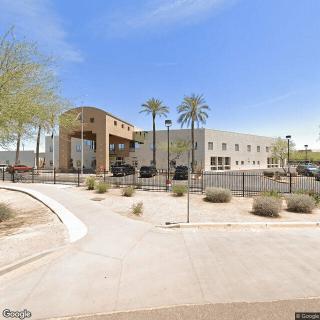
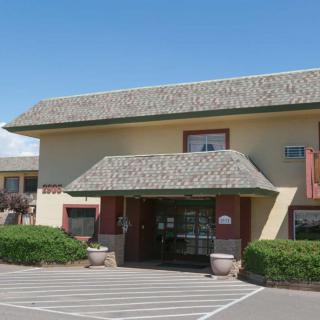
- From outside, nothing can be seen and the security is too tough.
- The apartment is small and intended for living for less than a year.
Review
Casa Madrid Apartments in Phoenix is best suited for budget-conscious adults who want a compact, recently refreshed living space and can tolerate imperfect management responsiveness. The property presents as a small-scale option where renovations are actively underway, signaling a commitment to modernization that can translate into nicer units down the line. Prospective residents should be comfortable navigating an imperfect front-desk experience in the short term and should not rely on instant communication or highly visible staff presence. Those needing predictable, hands-on assistance or senior-friendly safety oversight should consider alternatives. In short: affordability, refreshed interiors, and a willingness to ride through some operational rough edges are the priority; if steadier service and stronger security are non-negotiable, other options deserve a closer look.
On the upside, renovations are real and ongoing. The complex has prioritized renewing outdated fixtures and spaces, and in that sense it stands taller than peers that neglect upkeep. This is not merely cosmetic; it signals real intent to improve living conditions for residents who eventually call this place home. In tandem with that, the on-site manager is described as accommodating and responsive to residents’ needs when contacted, which can make a meaningful difference for seniors who rely on staff for routine requests or tweaks to their living situation. Taken together, the renovating workflow and the manager’s receptiveness create a stabilizing thread amid a bumpy operating environment.
Yet the operational realities lag behind the polish being installed. Communication gaps are repeatedly cited as a core pain point: phones go unanswered, and doors greet visitors with a “please knock” sign while staff do not always respond. For seniors and family members coordinating care, this is a nontrivial problem because it slows maintenance, response times, and logistics around move-ins or short-term stays. Another friction point is security, which is described as overly stringent or opaque, visible from outside but not persuasive in contributing comfort or ease of access. Finally, space is described as small, with some residents expressing doubt about long-term suitability. These factors collectively dampen the appeal for anyone who values smooth daily operations and easy access to staff.
How do the bright spots justify the shortcomings? The renovation activity and a responsive manager are meaningful counterweights. In a market where many affordable options neglect upkeep, Casa Madrid’s modernization work is a practical signal of future value and improved quality of life. A friendly, accommodating manager can soften the impact of communication delays and irregular hours, turning urgent requests into resolved issues more often than not. However, until office responsiveness becomes consistent and access improves, the convenience gains from renovated units may be offset by ongoing frustration over basic service delivery. The balance tilts toward cautious optimism for residents who can tolerate some friction while they live through the renovation cycle.
For families weighing decisions, the key questions should focus on reliability and safety as much as on the physical spaces. Is there a dedicated on-site contact with clearly posted hours? How quickly are maintenance requests fulfilled, and what fallbacks exist when the office is unreachable? What is the current renovation timeline, and how will construction affect noise, access, and utilities? Are there one-bedroom or smaller units that meet accessibility needs without sacrificing essential living space? What security measures are actually in operation, and how does the management handle access for guests or caregivers? If independence with light support and a modest budget is the aim, this property could fit, if those questions yield reassuring answers. If not, it is prudent to explore other independent living or assisted options with stronger, more predictable staffing and safety features.
Overall, Casa Madrid Apartments presents a practical choice for a subset of seniors or adults seeking affordable, updated living with a proactive manager, and a temporary tolerance for renovation disruption. It is less suitable for those who require unwavering staff availability, transparent communication, and robust security in daily operations. The decision hinges on risk tolerance for ongoing changes and the value placed on refreshed interiors versus consistent service. For decision-makers, a visit that probes the front desk dynamics, listens to current residents about response times, and reviews the renovation schedule will yield the clearest indication of fit. When the emphasis is on dependable service and long-term stability, alternatives should be prioritized.
 Independent Living
 Phoenix Sky Harbor International (5 miles away)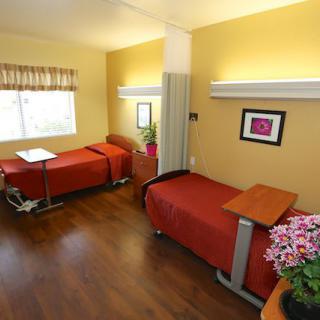



 Understanding the Nuances of Palliative Care and Hospice: A Comprehensive Exploration
 Fecal Incontinence in Older Adults: A Comprehensive Guide
 Recognizing the Journey: Understanding and Navigating Anticipatory Grief