
2309 Ross Ave., Schofield, WI 54476
To contact a resident: (715) 355-6170
For more information about senior living options: (866) 208-4318
Cedar Ridge V Costs & Pricing
Cedar Ridge V offers a competitive monthly cost of $2,600 for private room accommodations, making it an appealing choice compared to the average costs in Marathon County and throughout Wisconsin. In Marathon County, the typical expense for similar private room settings is $3,534, while state-wide averages reach as high as $4,339. This substantial difference highlights Cedar Ridge V's commitment to providing quality care at a more accessible price point, allowing residents to enjoy comfortable living arrangements without the financial strain often associated with such facilities.
| Floor plans | Cedar Ridge V | Marathon County | Wisconsin |
|---|---|---|---|
| Private | $2,600 | $3,534 | $4,339 |
Memory care communities with a similar price nearby
-
from -$340 / mo
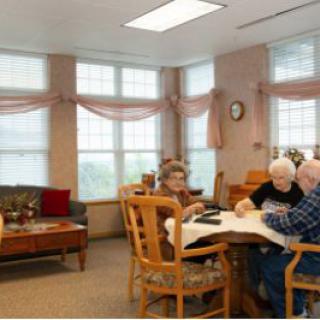
Applegate Terrace
$2,260 to $3,395 / month5.5 miles away -
from +$101 / mo
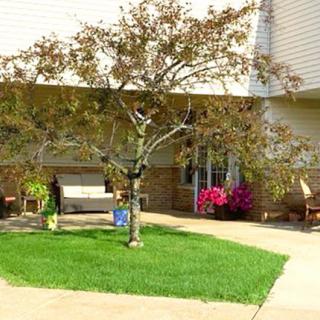
Wellington Place at Rib Mountain
$2,701 to $4,840 / month4.8 miles away -
from -$103 / mo
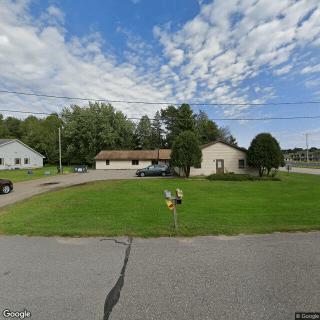
Cady Home West 1
$2,497 to $2,795 / month5.8 miles away -
from +$195 / mo
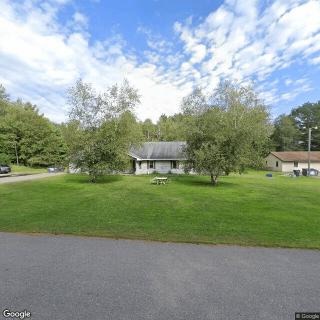
Cady Home West 2
$2,795 / month5.8 miles away -
About the same
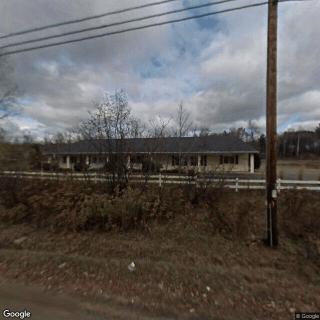
Cedar Ridge I
$2,600 / month1.9 miles away
Overall Review of Cedar Ridge V
Pros
 They are amazing caregivers who cared for their mom so well.
- They were happy they chose Cedar Ridge for their mom.
- They loved that Cedar Ridge is a family-run business with a nurse on staff 24 hours a day.
Cons
 Grandma was left on the toilet and had to scream for help because no one came.
- Staff members called her a b!tĀ¢h.
- They treated her like a dog.
- Some workers at the facility had previously been fired from caregiving for bad behavior.
- Grandma asked for help and was told she wasn't their maid.
- It once took 45 minutes to get his prescription asthma spray.
- They lied about his asthma, despite his medical history and the doctor's notes.
- They don't follow up on prescribed treatments and never provide outside activities to engage him.
- There was a wait of over half an hour for someone to clean and bandage a cut on his arm.
- No one deserves that kind of care.
Review
Cedar Ridge V in Schofield is best suited for families seeking a small, family-run setting where caregiving feels personal and a nurse is on site around the clock. The arrangement tends to produce more hands-on attention and a sense of accountability that many families appreciate. For couples and residents who respond well to familiar faces and a home-like atmosphere, this can be comforting. However, this is not the place for those prioritizing flawless safety, consistently reliable medication management, or airtight accountability. Those high standards will be tested here, and parents or guardians should have a clear plan for oversight if this option is pursued.
On the positive side, several accounts highlight amazing caregivers and meaningful relationships with residents who receive patient, individualized care. The presence of a nurse on site 24/7 is repeatedly cited as a meaningful safeguard, offering a degree of medical oversight beyond routine checks and enabling quicker responses to concerns. Families that value continuity and a warm environment should find a good fit in this home-like setting, where staff remember histories, preferences, and routines. The risk is that consistency across shifts and days matters just as much as warmth, and that dimming the lights on one shift can undermine overall quality.
Against the warmth stand troubling reports of neglect and disrespect. One account describes a grandmother left crying on a toilet with no timely assistance, and another resident allegedly subjected to insults, signaling an environment stretched beyond its capacity. Additional concerns include former staff with questionable caregiving histories being rehired, missed prescriptions, and residents left with waste on clothing, suggesting lapses in basic hygiene and supervision. There are serious questions about follow-through on doctor-prescribed treatments, antibiotics and asthma care among them, and a notable lack of engaging activities that can address mood, behavior, and cognitive needs. These are not minor quirks; they are major safety and quality-of-life issues.
Those red flags do not vanish because a nurse is on site. The combination of alleged mistreatment, delayed medical interventions, and visible neglect can overshadow any warmth from caregivers. The strongest positives, personal attention, a family-owned ethos, and immediate responses in some shifts, only carry weight if residents are consistently safe and medical plans are followed. When family members repeatedly need to intervene to obtain basic care, the risk calculus tilts toward alternative communities with stronger safety records and more transparent accountability.
Families weighing Cedar Ridge V should insist on concrete assurances before committing, including a detailed, written care plan, explicit escalation procedures, and access to current incident summaries. A thorough tour should scrutinize how bathroom assistance, wound care, and routine med administration are actually performed, and should call references from other families with long-term residents. Compare this option to larger facilities with established safety metrics and verifiable state inspection results. If the decision leans toward Cedar Ridge V, require measurable targets for response times, medication administration accuracy, and ongoing staff training updates, plus a firm, enforceable process for lodging concerns with prompt action.
Ultimately, Cedar Ridge V presents a measured blend of warmth and risk. It may appeal to families who prize a home-like, family-run environment and can actively supervise daily care, trusting the on-site nurse and engaged caregivers to bridge gaps. For households where consistent safety, transparent operations, and reliably timely medical interventions are non-negotiable, alternatives are the prudent path. If care is pursued here, enter with clear expectations, demand enforceable safeguards, and maintain a readiness to pivot to a more robust option if improvement does not materialize promptly.
 Board and Care Home
 Memory Care
 Private
 Respite or short term stays offered
 Central Wisconsin (10 miles away)


 Medications Associated with Dementia Risk: A Comprehensive Overview
 Guiding Your Journey: Understanding Power of Attorney for Elderly Parents
 22 Remarkable Caregiver Support Groups Available Online and In-Person