
4930 Alderson St, Schofield, WI 54476
To contact a resident: (715) 359-1700
For more information about senior living options: (866) 208-4318
Cedar Ridge II Costs & Pricing
Cedar Ridge II offers competitive monthly costs for its residents, with private rooms priced at $3,400, which is notably lower than the county average of $3,534 and significantly more affordable than the statewide average of $4,339. Similarly, their studio rooms also present a compelling value at $3,400, contrasting with Marathon County's figure of $3,883 and Wisconsin's average of $3,999. This pricing structure reflects Cedar Ridge II's commitment to providing accessible living options while maintaining a high standard of care and comfort for its residents.
| Floor plans | Cedar Ridge II | Marathon County | Wisconsin |
|---|---|---|---|
| Private | $3,400 | $3,534 | $4,339 |
| Studio | $3,400 | $3,883 | $3,999 |
Memory care communities with a similar price nearby
-
from -$605 / mo
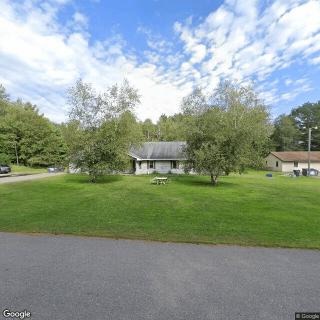
Cady Home West 2
$2,795 / month5.9 miles away -
About the same
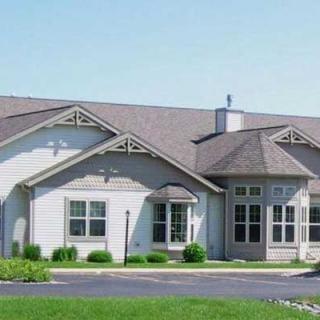
Copperleaf Memory Care Of Schofield
$3,350 / month1.4 miles away -
from +$500 / mo
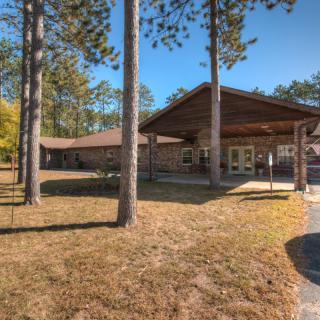
Our House Senior Living Memory Care - Wausau
$3,900 / month5.8 miles away -
from -$505 / mo

Autumn Lane Family Care
$2,895 to $5,795 / month19.2 miles away -
About the same
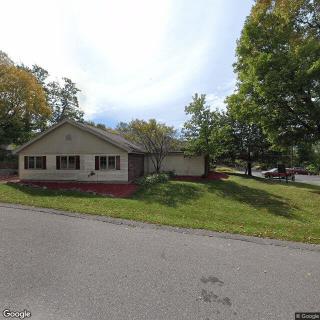
Stone Crest Residence
$3,500 / month4.9 miles away
Overall Review of Cedar Ridge II
Pros
 They are keeping their loved ones safe, healthy, and well taken care of.
- The caregivers are amazing.
- Cedar Ridge is a family-run business with a nurse on staff 24 hours a day.
- Families are happy they chose Cedar Ridge for their mom, noting she was cared for very well.
- They no longer worry about their loved one’s safety.
Cons
 Grandmother was left on the toilet and had to scream for help because no one came.
- Someone called her a b!t¢h.
- They treated her like a dog.
- There are caregivers who had been fired for bad behavior but were rehired.
- They told grandma she’s not her maid.
- They threaten to shut the place down if issues aren’t fixed.
- Antibiotic prescribed for the infected toe was never given.
- Whenever the dad was visited, his pants were full of his own waste.
- They lied about his asthma, saying he didn’t have it despite medical history and the doctor.
- It once took 45 minutes to get his prescribed asthma spray.
- They don’t follow up on prescriptions and never provide outside activities to engage him.
- The reviewer waited over half an hour to have a cut cleaned and bandaged.
Review
Cedar Ridge II in Schofield is best suited for families that want a small, family-run environment with hands-on nursing oversight and are prepared to stay actively involved in care. The strongest fit is for those who value a homey, personal atmosphere and are willing to engage regularly to ensure care standards are met. It works best for residents whose needs are not solely dependent on a faultless, hands-off operation, but who can tolerate vigilant oversight, clear communication, and prompt escalation when issues arise.
Those considering alternatives should note who may not thrive here. If safety and consistent medical management are non-negotiable, this community may not meet expectations given the patterns described in the reviews. Several accounts portray episodes of neglect or disrespect, delays in medication management, and questions about staff behavior. Families that require unwavering reliability, transparent accountability, and verifiable follow-through on doctor orders would be wise to shop for options with stronger, well-documented care processes and fewer credibility concerns.
The potential positives at Cedar Ridge II do offer some offset to the concerns, but they remain fragile under stress. On the upside, families repeatedly describe caring, capable caregivers and note a lived-in, intimate setting that can feel reassuring when trust is established. The “family-run” aspect and a nurse on site around the clock can translate into quicker, more personal attention and a sense that administrators know residents by name. When these dynamics function well, they can create a dependable core of daily support and accessibility that larger, impersonal facilities sometimes lack.
However, the most serious liabilities in the body of reviews are hard to overlook. One account details a resident left distressed and crying, with multiple indicators suggesting staff misconduct and rehiring of workers with problematic backgrounds. Across other reviews, there are explicit claims of neglect, such as missed medical treatments and requests ignored, and a pattern of delayed responses that left a loved one uncomfortable or exposed to risk. The combination of perceived abuse, disrespectful treatment, and inconsistent adherence to medical instructions creates a baseline of danger that mere favorable anecdotes cannot counterbalance.
Additional red flags center on hygiene, wound care, and activity engagement. Instances of a caregiver having to change a resident’s soiled clothing or environment, delays in cleaning and bandaging injuries, and a lack of outside activities point to gaps in daily oversight and restorative programming. When a facility struggles with timely administration of prescribed medications or with following doctor-directed treatment plans, the risk to resident health grows quickly, especially for those with complex or evolving medical needs. In short, the negatives undermine any warmth or local charm the setting might offer.
For families weighing Cedar Ridge II, the path forward is clear: demand uncompromising transparency and a rigorous operations check before moving a loved one in. Insist on seeing a current, written care plan with medication management protocols, a documented escalation path for issues, and a predictable caregiver assignment schedule. Verify the presence and scope of nursing coverage, request recent quality metrics, and speak with current residents and their families about day-to-day experiences. If consistent, respectful care and prompt medical responsiveness cannot be demonstrated and sustained, alternatives with proven records of reliability should be prioritized. Cedar Ridge II may work for a subset of families willing to invest strong oversight, but for those seeking safety, consistency, and unquestionable care standards, more stable options are advisable.
 Board and Care Home
 Memory Care
 Activities off-site
 Beautician on-site
 Cable or satellite TV
 Dining room
 Garden
 Guest parking
 Housekeeping services
 Indoor common areas
 Laundry
 Outdoor common areas
 Party space
 Private
 Respite or short term stays offered
 Central Wisconsin (10 miles away)
 Diabetic care
 High acuity care
 Incontinence care
 Medication management
 Meals provided
 Arts and crafts
 Cooking classes
 Games
Games Live musical performances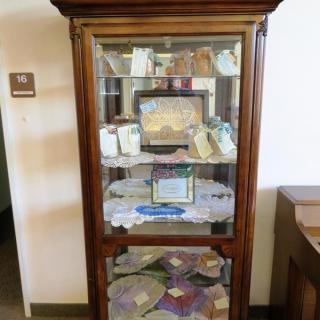


 Understanding Medicaid Coverage for Assisted Living: A Comprehensive Guide
 How and When Medicaid May Cover Assisted Living Costs
 A Detailed Exploration of Assisted Living Medicaid Waivers Across the United States