






Care Partners Weston

Save

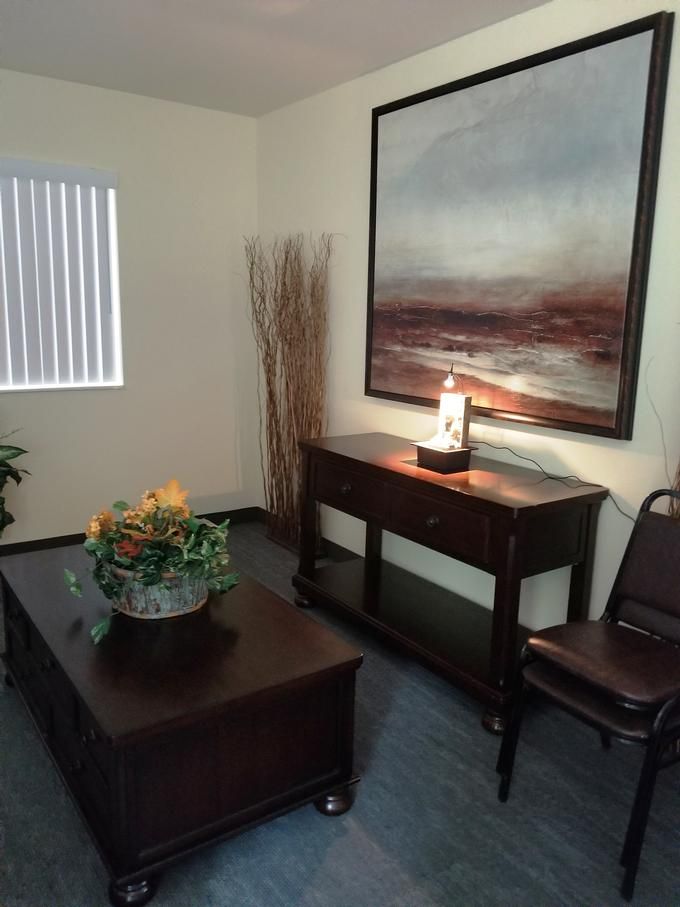
  • Interior

    A cozy room with elegant furniture and decor, featuring a painting, lamp, and plant.
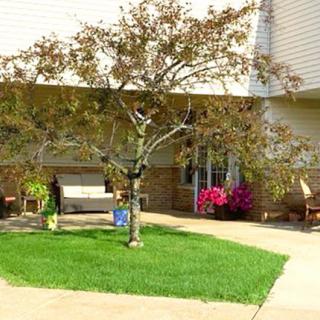
  • Building

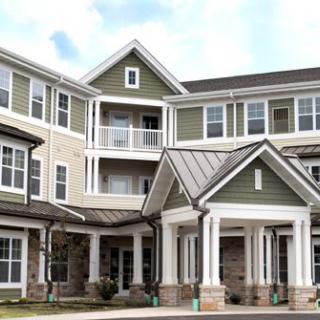
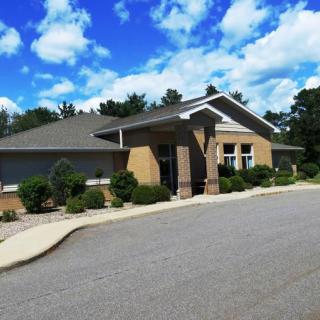
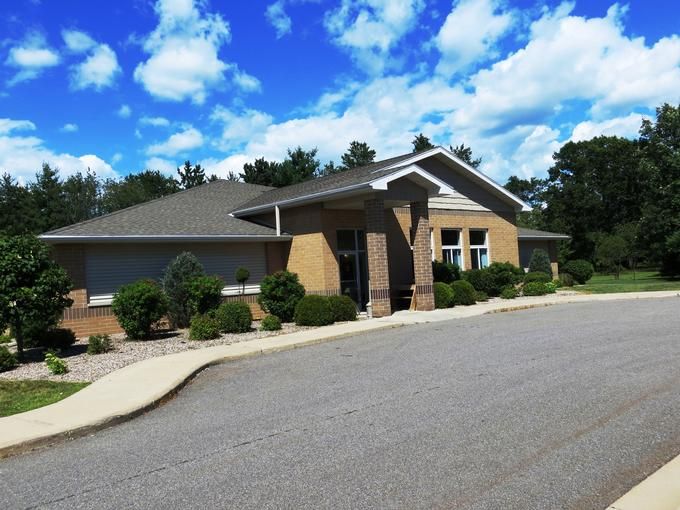
    A modern office building with a well-maintained front area and clear blue skies overhead.
  • Architecture

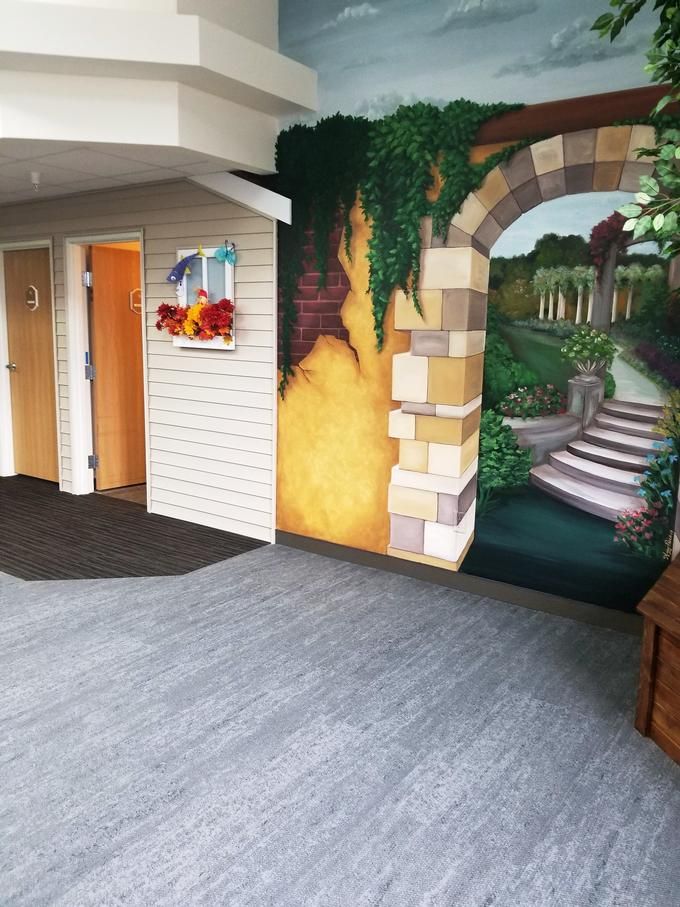
    A beautifully painted mural depicting an archway and garden scene inside a building hallway.
  • Windows

    A charming cafe with colorful decor, featuring outdoor seating and vibrant flowers.
  • Seating Area

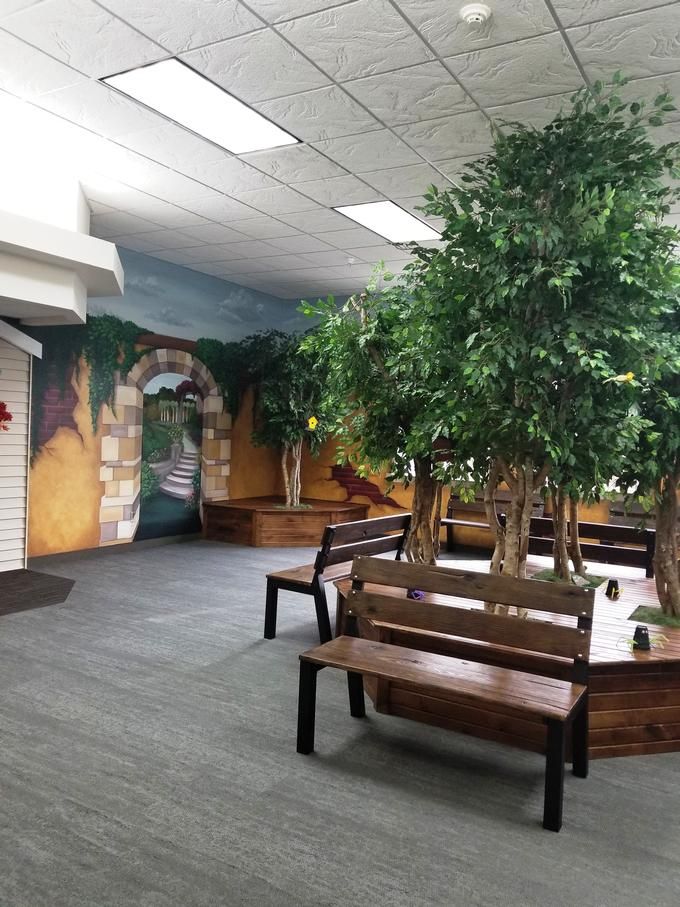
    A cozy indoor seating area with benches and artificial trees, complemented by a scenic mural on the wall.
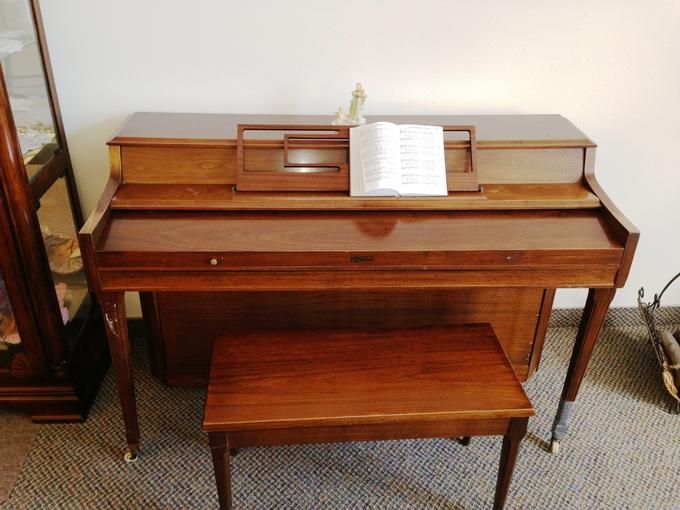
  • Piano

    A wooden piano with a matching bench and an open music book on the stand.
  • Hallway

    A hallway featuring a scenic mural of a bridge over a river, illuminated by a wall lamp.

Care Partners Weston

5855 Delikowski Street, Weston, WI 54476

For more information about senior living options: (844) 490-3973

3.8 from 8 reviews
5 stars
4
4 stars
2
3 stars
0
2 stars
0
1 stars
2

Assisted Living Memory Care

Overall Review of Care Partners Weston

Pros

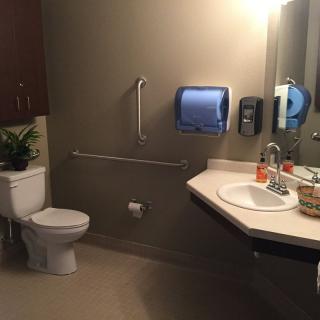
  • pro The grandmother enjoys a large room with a private bathroom and walk-in shower.
  • pro She feels safe living there and makes a point to walk around the facility each day.
  • pro She likes the staff and the food.
  • pro Care Partners is doing a good job with the government-provided resources.
  • pro The facility is small, family-oriented, and the staff truly care for the residents.
  • pro The facility is clean, comfortable, inviting, and well maintained.
  • pro The common areas have a home-like feel, and the staff are friendly and helpful, with residents seeming happy and well cared for.

Cons

  • pro The meals reportedly include too much broccoli, which is disliked by residents and their families.
  • pro There are times when no staff are visible, and some staff are reportedly smoking outside.
  • pro The staff are accused of not cleaning residents properly, and managers are described as acting childish and hanging up on callers.
  • pro Residents may develop bed sores due to a lack of rotation, with some saying the facility should be shut down.
  • pro The facility is criticized for being too small, with too few beds to meet needs.
  • pro There are claims of review manipulation by insiders (e.g., a manager's associates posting 5-star reviews), calling the integrity of reviews into question.

Review

Care Partners Weston is best suited for a senior who wants a compact, home-like setting where staff relationships feel personal and family involvement can be central to daily life. This 20-room campus affords residents a private room with a private bathroom and a walk-in shower, plus a large enough living area to avoid feeling claustrophobic. The environment emphasizes safety and ease of movement, with residents able to walk around the facility at a relaxed pace and access surrounding walking routes. For families prioritizing a close-knit community where staff can develop ongoing, familiar routines with their loved one, this campus can feel like a natural, manageable place to call home.

Those who may want to consider alternatives are seniors who require a larger continuum of care, more specialized programming, or robust outdoor recreation options. If a family needs a bigger campus with a wider selection of rooms, more diverse activity venues, or greater social programming to sustain a highly active social calendar, a larger assisted living or a memory-care-focused community may serve better. Additionally, for loved ones whose care needs extend beyond basic assistance - such as complex medical oversight, high-frequency nursing, or highly structured therapeutic programs - the smaller setting may fall short. In short, when scale, variety, or intensive clinical support drives the decision, it's prudent to look elsewhere.

On the upside, the notable strengths of Care Partners Weston begin with the practical realities of its design. The private rooms with en-suite facilities deliver autonomy and dignity, while the single-floor layout and homey common spaces foster easy navigation and frequent social interaction. The facility's cleanliness and inviting ambiance consistently emerge as positives, and reviewers repeatedly credit the staff for genuine care and a willingness to engage residents in meaningful activity. The small size can translate into more consistent faces and a closer, family-like atmosphere, which matters deeply for residents who value regular, personal attention and for families who want transparency and accessible communication.

Still, the downsides merit careful consideration. The most persistent concern around this community is staffing consistency in a very small operation. Turnover and shifts can lead to changes in daily routines, which unsettles residents accustomed to predictable patterns. A few reviews raise red flags about responsiveness and supervision, including complaints about communication gaps and questions about how well residents are monitored or rotated for pressure-relief and safety. The compact campus also constrains outdoor recreation space and the breadth of activity options, which can be limiting for residents who crave variety or more expansive movement outside the building. Finally, some comments point to the perception of management and staff dynamics; while not universal, these concerns highlight the importance of verifying day-to-day operations during a visit.

To decide confidently, approach a tour with a focused checklist. Ask about the current staff-to-resident ratio and how turnover is managed, then observe at different times of day to gauge responsiveness. Request to review a current care plan and confirm how activity calendars cater to individual interests and mobility levels. Probe outdoor space availability, walking routes, and how residents access fresh air and exercise. Inquire about meal experiences and any accommodations for dietary needs, noting that while meals are generally appreciated, preferences like variety and portion controls can matter. Finally, assess how families can participate in care planning, visit scheduling, and in-home advocacy, ensuring a transparent, collaborative relationship remains central to daily life.

Ultimately, Care Partners Weston can be a strong fit for those who prize a small, intimate environment with private accommodations, where staff relationships feel real and daily routines stay consistent enough to offer genuine security. The positive elements - cleanliness, a home-like atmosphere, and attentive staff - are meaningful advantages when matched to a resident who does well in a smaller, predictable setting. Yet the potential downsides - limited bed options, constrained outdoor space, and possible inconsistencies in staffing and communication - mean alternatives should be explored if scalability, broader programming, or more robust clinical oversight is a priority. For the right resident, this campus offers a sincere, practical balance of comfort and care; for others, a larger or more specialized community may deliver the peace of mind sought.

Features

Housing

  • 16 resident community capacity 16 resident community capacity

Types of Care

  • Assisted Living Assisted LivingAssisted living facilities provide crucial support and care for seniors who may need help with daily tasks such as medication management, bathing, and meal preparation. These communities offer a safe and comfortable environment where seniors can maintain their independence while receiving the assistance they need to thrive in their golden years.
  • Memory Care Memory CareMemory care is crucial for seniors as it provides specialized support and services for individuals with dementia or Alzheimer's disease. These programs offer a safe and secure environment where residents receive personalized care, cognitive stimulation, and help with daily activities. Memory care helps seniors maintain their independence, quality of life, and dignity while also providing peace of mind for their families.

Amenities

  • Cable or satellite TV Cable or satellite TVCable or satellite TV is important for seniors because it provides entertainment, news, and companionship, helping to combat loneliness and boredom. It also offers a wide range of programming options tailored to different interests and preferences.
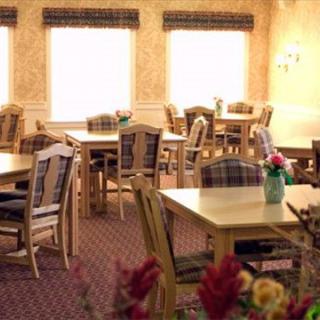
  • Dining room Dining roomDining rooms are important for seniors as they provide a space for socialization, connection, and nutritious meals. They offer opportunities for residents to bond over shared meals, foster a sense of community, and promote healthy eating habits. Dining rooms also ensure that seniors have access to well-balanced meals tailored to their dietary needs and preferences.
  • Fully furnished Fully furnishedFully furnished senior living communities are important for seniors because they provide convenience, comfort, and a hassle-free moving experience. Seniors can easily settle into their new living space without the stress of having to buy and move furniture. This allows them to focus on enjoying their new home and community.
  • Garden GardenGardens are important for seniors as they provide a peaceful and therapeutic environment for relaxation, physical activity, and socialization. Being in nature has been shown to reduce stress, improve mood, and promote overall well-being. Gardens also offer opportunities for seniors to engage in gardening activities, which can improve mobility, flexibility, and cognitive function. Additionally, gardens create a sense of community and connection with others who share a passion for plants and outdoor spaces.
  • Housekeeping services Housekeeping servicesHousekeeping services are important for seniors because they help maintain a clean and safe living environment, promote independence, and reduce the risk of accidents or illnesses. Additionally, having assistance with household chores can alleviate physical strain and allow seniors to focus on other aspects of their well-being.
  • Move-in coordination Move-in coordinationMove-in coordination is important for seniors because it helps ease the transition into their new living environment. It ensures that all logistics, such as packing, organizing movers, and setting up utilities are taken care of, allowing seniors to focus on settling in and adjusting to their new home. Having a smooth move-in process can alleviate stress and anxiety, making the transition smoother and more enjoyable for seniors.
  • Outdoor space Outdoor spaceOutdoor spaces are important for seniors as they provide opportunities for physical activity, social interaction, exposure to natural light and fresh air, and a sense of connection to nature. Having access to outdoor spaces can improve overall well-being and quality of life for older adults living in senior communities.
  • Respite or short term stays offered Respite or short term stays offeredRespite or short term stays provide seniors with a temporary solution when their regular caregiver is unavailable, offering them the opportunity to receive additional care and support during times of need, while also giving caregivers a chance to rest and recharge.
  • Telephone TelephoneTelephones are important for seniors as they provide a lifeline for communication with loved ones, emergency services, and healthcare providers. They offer a sense of security and independence, enabling seniors to stay connected and access assistance when needed.
  • Wi-Fi/high-speed internet available Wi-Fi/high-speed internet availableWi-Fi/high-speed internet is important for seniors to stay connected with loved ones, access online resources, and participate in virtual activities to combat feelings of loneliness and isolation. It also allows them to easily manage healthcare needs, access entertainment, and engage in lifelong learning opportunities.

Transportation

  • Central Wisconsin (10 miles away) Central Wisconsin (10 miles away)

Care Services

  • 24-hour supervision 24-hour supervision24-hour supervision is important for seniors to ensure their safety, well-being, and access to immediate assistance in case of emergencies or health issues. This constant support provides peace of mind for both seniors and their loved ones, allowing them to age in place with dignity and security.
  • Activities of daily living assistance Activities of daily living assistanceActivities of daily living assistance are important for seniors because they provide essential support with tasks such as eating, bathing, dressing, and mobility. This assistance helps seniors maintain their independence, dignity, and overall quality of life as they age.
  • Assistance with bathing Assistance with bathingAssistance with bathing is crucial for seniors as it helps maintain personal hygiene, prevents infections, and ensures their overall well-being and comfort. It also provides a sense of dignity and independence for seniors who may struggle with this task on their own.
  • Assistance with dressing Assistance with dressingAssistance with dressing is important for seniors because it helps maintain their independence, promotes personal hygiene, prevents accidents and injuries, and improves overall quality of life. This service ensures that seniors can continue to dress comfortably and confidently, despite any physical limitations they may have.
  • Assistance with transfers Assistance with transfersAssistance with transfers is crucial for seniors as it helps prevent falls and injuries, maintains their independence, and ensures they can safely navigate their living environment. It also provides peace of mind for both seniors and their loved ones.
  • Coordination with health care providers Coordination with health care providersCoordination with health care providers is crucial for seniors to ensure proper medical care, medication management, and overall well-being. This collaboration helps prevent overlapping treatments, track progress more effectively, and provide comprehensive support tailored to individual needs.
  • Dementia waiver Dementia waiverDementia waivers are essential for seniors as they provide critical protections and accommodations for those experiencing cognitive decline. These waivers ensure individuals with dementia receive appropriate care, support, and resources to maintain their quality of life and dignity as they navigate the challenges of this progressive condition.
  • Diabetes diet Diabetes dietA diabetes diet is crucial for seniors as it helps manage blood sugar levels, reduce risks of complications, and improve overall health and well-being. By following a balanced and nutritious diet tailored to their specific needs, seniors can better control their diabetes and enhance their quality of life.
  • Hospice waiver Hospice waiverHospice waivers are important for seniors because they allow individuals to receive specialized end-of-life care and support at home or in a hospice facility. This waiver ensures that seniors can access the necessary resources and services to maintain comfort and dignity during their final days.
  • Meal preparation and service Meal preparation and serviceMeal preparation and service are crucial for seniors as they may have limited mobility or energy to cook nutritious meals. Having access to healthy and convenient food options can ensure they are getting the proper nutrition needed to maintain their overall health and well-being.
  • Medication management Medication managementMedication management is crucial for seniors to ensure they are taking the right medications at the correct dosages and times. This helps prevent adverse drug interactions, reduces the risk of medication errors, and promotes overall health and well-being. Proactive management also allows for adjustments as needed based on changing health conditions or new prescriptions.
  • Mental wellness program Mental wellness programMental wellness programs are essential for seniors as they promote cognitive stimulation, emotional support, and social engagement. These programs help prevent isolation, depression, and cognitive decline, ultimately enhancing the overall quality of life for older adults.
  • Mild cognitive impairment Mild cognitive impairment"Mild cognitive impairment" is important for seniors because it is an early stage of cognitive decline that can potentially progress to more severe conditions such as dementia. Recognizing and addressing mild cognitive impairment can help seniors receive appropriate care and support to maintain their quality of life and independence for as long as possible.
  • Special dietary restrictions Special dietary restrictionsSpecial dietary restrictions are important for seniors because age-related changes in metabolism and health conditions can make it difficult for their bodies to process certain foods. By following a diet tailored to their specific needs, seniors can maintain their overall health and well-being, manage chronic conditions, and reduce the risk of complications such as malnutrition or food interactions with medications.
  • Specialized memory care programming Specialized memory care programmingSpecialized memory care programming is crucial for seniors with cognitive impairments such as dementia or Alzheimer's disease. These programs provide a safe and supportive environment tailored to the unique needs of individuals with memory loss, helping them maintain their independence, dignity, and quality of life.
  • Transportation arrangement (medical) Transportation arrangement (medical)Transportation arrangements for medical purposes are essential for seniors as they may have difficulty driving themselves to appointments or accessing public transportation. Having reliable and safe transportation options ensures that seniors can receive timely medical care and maintain their health and well-being.
  • Transportation to doctors appointments Transportation to doctors appointmentsTransportation to doctors' appointments is crucial for seniors as it ensures they have access to necessary medical care and support for their health needs. Without reliable transportation, seniors may struggle to attend important appointments, leading to potential delays in treatment and health complications. Providing transportation services helps seniors maintain their overall well-being and quality of life.

Dining

  • Diabetes diet Diabetes dietA diabetes diet is crucial for seniors as it helps manage blood sugar levels, reduce risks of complications, and improve overall health and well-being. By following a balanced and nutritious diet tailored to their specific needs, seniors can better control their diabetes and enhance their quality of life.
  • Special dietary restrictions Special dietary restrictionsSpecial dietary restrictions are important for seniors because age-related changes in metabolism and health conditions can make it difficult for their bodies to process certain foods. By following a diet tailored to their specific needs, seniors can maintain their overall health and well-being, manage chronic conditions, and reduce the risk of complications such as malnutrition or food interactions with medications.

Activities

  • Community-sponsored activities Community-sponsored activitiesCommunity-sponsored activities are important for seniors as they provide opportunities for social interaction, mental stimulation, and physical activity. These activities can help improve overall well-being, combat loneliness and isolation, and promote a sense of belonging and purpose among older adults.
  • Scheduled daily activities Scheduled daily activitiesScheduled daily activities are important for seniors because they provide structure, socialization, mental stimulation, and physical activity. Engaging in regular activities can improve overall well-being and quality of life for seniors living in a community setting.

Description

Care Partners Weston is an assisted living community located in Weston, WI. Our community specializes in providing memory care services for seniors with Alzheimer's disease or other forms of dementia.

At Care Partners Weston, we offer a range of amenities to ensure the comfort and well-being of our residents. Our dining room provides nutritious meals tailored to meet special dietary restrictions. All accommodations are fully furnished, and housekeeping services are provided. Residents can enjoy the beautiful outdoor spaces and gardens, perfect for relaxation or socialization.

We understand that transitions can be challenging, which is why we offer move-in coordination to make the process as smooth as possible. For individuals in need of respite or short-term stays, we provide specialized care during their time with us. Residents have access to convenient amenities such as telephone service and Wi-Fi/ high-speed internet.

Our dedicated staff is trained to assist with activities of daily living, including bathing, dressing, and transfers. We also coordinate with healthcare providers to ensure comprehensive care for our residents. Those with dementia benefit from our specialized memory care programming and mental wellness program.

For individuals with specific dietary needs such as diabetes diet or special dietary restrictions, our expert team prepares nutritionally balanced meals. Medication management is available to ensure that residents receive their prescribed medications on time.

Transportation arrangements are made for medical appointments and transportation to doctors' appointments is provided onsite. Additionally, there are several cafes, parks, pharmacies, restaurants, hospitals, places of worship nearby for added convenience.

At Care Partners Weston, we strive to create a welcoming environment where seniors with memory care needs can thrive while receiving personalized care and support.

Nearby Places of Interest

Restaurants

  • Wendy's (0.2 miles)
  • Briq's Soft Serve (0.6 miles)
  • Tine And Cellar (0.6 miles)
  • Patron Mexican Restaurant & Bar (0.8 miles)
  • Brews Brothers Pub (0.8 miles)
  • El Charro Authentic Mexican Restaurant (0.8 miles)
  • Little Caesars Pizza (0.9 miles)

Pharmacies

  • Pick 'n Save Pharmacy (0.3 miles)
  • Walgreens (0.9 miles)
  • Trig's Pharmacy (1 miles)
  • Shopko Rothschild Pharmacy (1.3 miles)
  • Puramed Bioscience (1.3 miles)
  • Southside Pharmacy (2.6 miles)
  • Young's Drug Store (2.7 miles)

Physicians

  • Derma Renew Medical Spa - Terry L Bucan Do (0.5 miles)
  • Fehrman Orthodontics (0.8 miles)
  • Weston Oral-Maxillofacial Surgery (0.8 miles)
  • Marshfield Clinic (0.9 miles)
  • Kuhn Hearing Center (0.9 miles)
  • Marshfield Clinic Weston Center (1 miles)
  • Ministry Medical Group (1 miles)

Hospitals

  • Ministry Health Care (0.9 miles)
  • St Clares Hospital Of Weston (1 miles)
  • Ascension St Clare's Hospital (1 miles)
  • St Clares Ministry Health Weston (1.1 miles)
  • North Central Health Care (2.7 miles)

Cafes

  • Starbucks (1.1 miles)
  • Starbucks (3.2 miles)
  • Whitewater Music Hall (4.4 miles)
  • Biggby Coffee (5 miles)

Places of Worship

  • St Peter Ev Lutheran Church-Wels (1.4 miles)
  • St Therese Catholic Church (1.4 miles)
  • Highland United Methodist Church (1.7 miles)
  • Wels (2.2 miles)
  • Bouldin Sid Rev & Joan (2.5 miles)
  • St Agnes Parish (3.2 miles)
  • Wausau Bible Church (3.3 miles)

Parks

  • Kort Street Boat Launch and Park (1.6 miles)
  • Radtke Park (2 miles)
  • George Street Park (2.3 miles)
  • Riveredge Parkway (3.8 miles)
  • Isle of Ferns Park (3.9 miles)
  • Rib Mountain State Park (4.7 miles)
  • Marathon Park (5 miles)

Transportation

  • U-Haul (3.2 miles)
  • U-Haul Neighborhood Dealer (3.3 miles)
  • Lamers Bus Station (4.2 miles)
  • D bus (4.3 miles)

Theaters

  • Cedar Creek Cinema Rothschild, Wi (3.5 miles)

Frequently Asked Questions

Where is Care Partners Weston?
Does Care Partners Weston provide care for residents with dementia or Alzheimer's disease?
What photos are available for Care Partners Weston in Weston, Wisconsin?

Nearby Communities

  • Care Partners Assisted Living and Memory Care Weston

    Care Partners Assisted Living and Memory Care Weston

    Weston, WI

    3.3 from 10 reviews
    $5,400 / month

    pro Spacious, wheelchair-accessible rooms with strong health protocols and comprehensive care services.

  • Care Partners Weston

    Care Partners Weston

    Weston, WI

    3.7 from 7 reviews
     

    pro Excellent facilities and memory-care programming with engaging activities, spacious private rooms, and attentive staff.

  • Aurora Residential Alternatives 128

    Aurora Residential Alternatives 128

    Weston, WI


    pro Comprehensive 24/7 supervision with ADL support, meals, housekeeping, transportation, and engaging activities in a fully furnished setting.

  • Tender Reflections Weston

    Tender Reflections Weston

    Weston, WI

    2.9 from 33 reviews
    $4,800 / month

    pro Caring staff in a welcoming, well-maintained setting with dedicated memory care programming.

  • The Pines Apartments

    The Pines Apartments

    Weston, WI

     
    $785 to $969 / month

    pro Very affordable rents; good access to nearby amenities.

  • Sekara VII

    Sekara VII

    Weston, WI


    pro Small, intimate assisted living with personalized care, 24-hour supervision, and tailored meals/activities.

  • Wausau Primrose

    Wausau Primrose

    Wausau, WI

    4.8 from 5 reviews
     

    pro Welcoming community with spacious, well-appointed housing and engaging on-site amenities.

  • Azura Memory Care of Wausau

    Azura Memory Care of Wausau

    Wausau, WI

    4.6 from 38 reviews
    $5,950 / month

    pro Friendly, attentive staff; engaging activity programs; clean, well-maintained facility; tasty meals and strong family communication.

  • Wellington Place at Rib Mountain

    Wellington Place at Rib Mountain

    Wausau, WI

    3.7 from 26 reviews
    $2,701 to $4,840 / month

    pro Friendly, caring staff and well-maintained, spacious rooms.

Related Resources

  • does my mom have dementia quiz5 Early Indicators of Dementia and What You Can Do

    The content outlines five key early indicators of dementia, including significant memory loss and confusion about time and place, while emphasizing the need for professional evaluation and emotional support for both individuals showing symptoms and their caregivers. It encourages family members to monitor these signs closely and use online quizzes for initial awareness.

  • when should someone with dementia go into a care home8 Important Indicators That Memory Care May Be Necessary

    The article highlights eight indicators that a loved one with dementia may require specialized memory care, emphasizing the emotional and logistical challenges families encounter in this decision. It discusses signs such as difficulties with daily tasks, safety concerns, and caregiver burnout, suggesting that memory care facilities can provide the necessary support and structured environments for those experiencing cognitive decline.

  • what do dementia patients think aboutDelving into the Inner World of Dementia: Insights into Thoughts and Awareness
    Dementia, primarily caused by Alzheimer's disease but also linked to other conditions, leads to cognitive decline impacting memory and daily functioning, with individuals experiencing varied awareness of their impairments. Despite memory loss, emotional connections persist, enabling responses to familiar stimuli, highlighting the need for caregivers to provide compassionate support that recognizes both limitations and retained emotional depth.