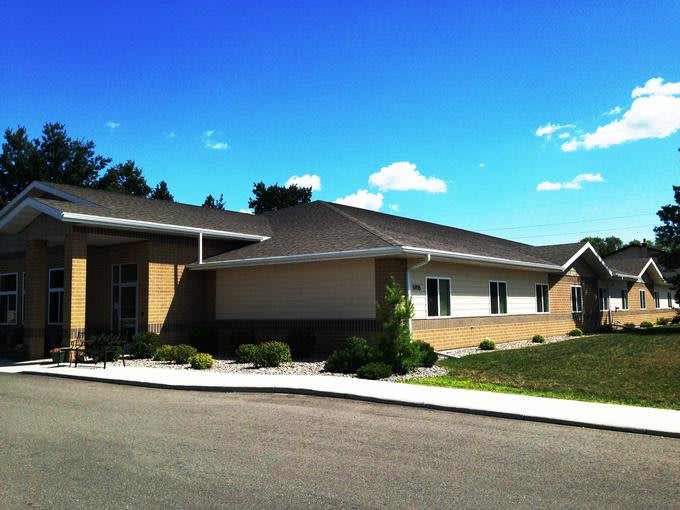
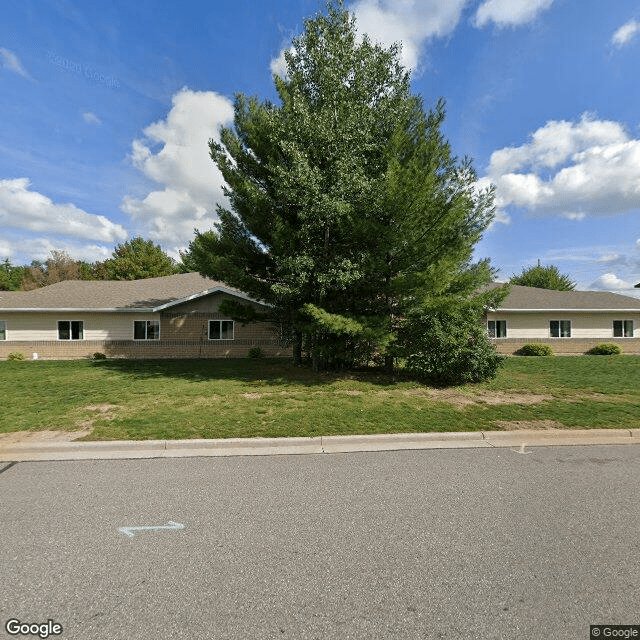
5855 Delikowski St, Weston, WI 54476
To contact a resident: (715) 298-1688
For more information about senior living options: (866) 208-4318
Care Partners Assisted Living and Memory Care Weston Costs & Pricing
Care Partners Assisted Living and Memory Care Weston offers a studio room at a monthly cost of $5,400, which significantly exceeds the average costs in both Marathon County and the broader state of Wisconsin. In comparison, the average monthly rate for assisted living in Marathon County is approximately $3,883, while across Wisconsin it stands around $3,999. This suggests that Care Partners may provide enhanced services or amenities that justify the higher price point. For families considering assisted living options, it's essential to weigh these costs against the specific benefits and care quality offered at Care Partners in Weston.
| Floor plans | Care Partners Assisted Living and Memory Care Weston | Marathon County | Wisconsin |
|---|---|---|---|
| Studio | $5,400 | $3,883 | $3,999 |
Memory care communities with a similar price nearby
-
from +$550 / mo
Azura Memory Care of Wausau
$5,950 / month3.9 miles away -
from -$850 / mo
Sylvan Crossings On Evergreen
$4,550 / month6.9 miles away -
from -$600 / mo
Tender Reflections Weston
$4,800 / month0.5 miles away
Overall Review of Care Partners Assisted Living and Memory Care Weston
Pros
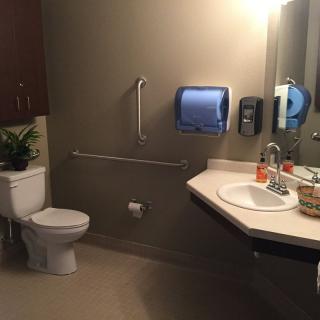
 She likes the large room with a private bathroom and walk-in shower.
- She feels safe living there.
- She likes the staff and the food.
- The staff truly care for the residents; the facility is clean, comfortable, and inviting.
- The facility is small and family-oriented.
- Care Partners Assisted Living and Memory Care is accommodating and receptive to needs.
- The rooms are spacious with wheelchair-friendly bathrooms.
- The facility has not had any COVID cases among residents or staff, reflecting diligent protocols.
Cons
 There was a smell of alcohol on a staff member's breath, and the reviewer was not enthused.
- There is a high turnover of employees, which creates changes in routines and fewer familiar faces for residents.
- Dishes were not properly washed, only sanitized.
- The staff are lazy.
- There is no staff visible, phones go unanswered, and staff are seen smoking in the back.
- Residents may develop bed sores from not being rotated.
- The food is of poor quality with limited healthy options, including canned vegetables.
- After hours, it is difficult to reach anyone; the phone just rings.
Review
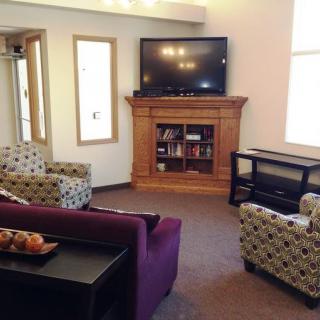
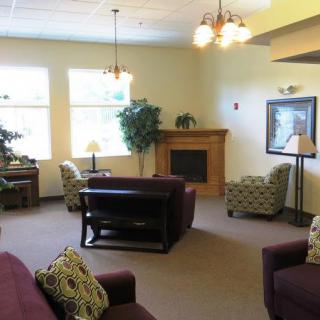
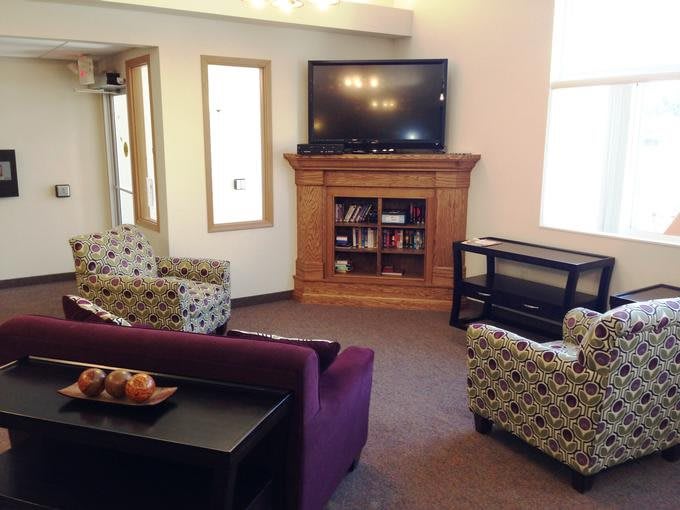
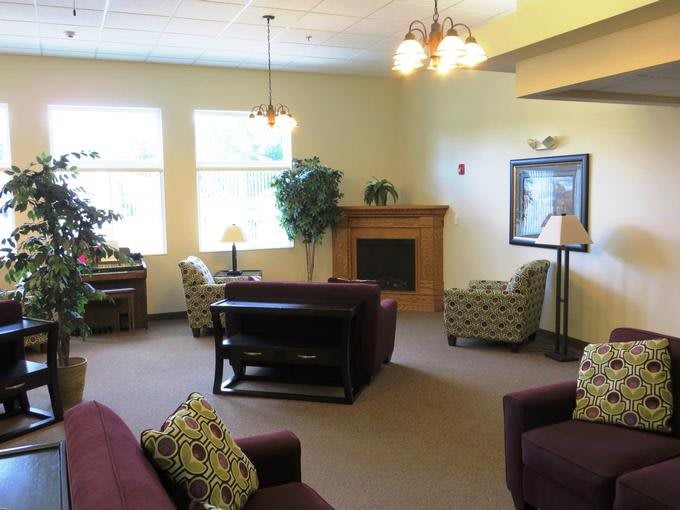
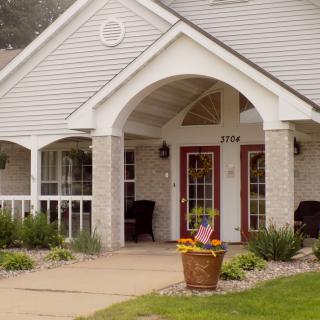
Care Partners Assisted Living and Memory Care Weston is best suited for seniors who want an intimate, home-like environment where staff relationships can form quickly and routines feel predictable. The facility is compact, about 20 rooms, with large individual living spaces and private bathrooms. For residents who prize safety, personal attention, and easy access to caregivers, this setting can feel surprisingly reassuring. Memory care is part of the offering, and for a resident who benefits from a smaller community with a familiar, family-oriented vibe, the environment can be a solid fit. In short, this is a practical option for someone who values grounded, personal care over showroom size or corporate-scale amenities.
However, this community is not ideal for everyone. The strongest caveat emerges from staffing and communication patterns. Multiple voices describe high turnover, shifts in routine, and inconsistent faces, which complicates care planning and daily rituals. After-hours access and responsiveness can be spotty, with reports of phones ringing for long stretches and limited staff presence at times. Such gaps can undermine continuity of care, especially for residents who rely on steady nursing or aide support. The reality of a smaller operation also shows up in mixed maintenance and service experiences, including occasional lapses in housekeeping and meal service, which can leave families worried about everyday quality.
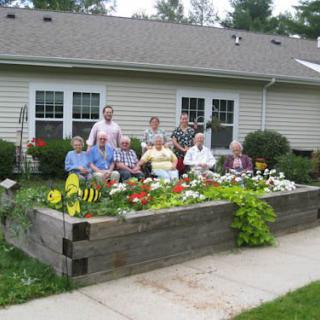
On the plus side, the top-tier advantages center on the tangible, resident-centered features. The rooms are sufficiently spacious, with private bathrooms and walk-in showers that support independence and safety. The smaller scale fosters a sense of community where staff can know residents well, and the sentiment from several reviewers is that the staff genuinely cares and aims to create a welcoming, clean, and comfortable living space. Families frequently point to a strong sense of warmth and a home-like atmosphere, with staff who are attentive and a facility layout that supports easy social interaction and oversight. For residents who prioritize meaningful daily contact with caregivers and a familiar face across visits, these are meaningful strengths.
Those strengths, however, do not fully compensate for the recurrent concerns. The most troubling thread is inconsistent staffing, which translates into fluctuating routines and limited predictability for residents and families. The quality of food and dining options is another recurring theme, with some residents enjoying meals while others describe limitations and repetitive menus that fail to meet diverse tastes. Communication breakdowns, whether between shifts, with management, or with families trying to reach the campus after hours, compound the risk of misaligned care plans and unmet expectations. When these recurring issues surface alongside allegations about cleanliness and responsiveness, they collectively temper the warmth of the setting and raise legitimate questions about whether the environment can sustain long-term quality of life.
Given the mix of strengths and weaknesses, alternatives are worth considering for families with specific priorities. If a resident requires highly consistent staffing, rapid after-hours communication, and robust, diverse dining, a larger community with dedicated shift managers and more formal care protocols may deliver greater peace of mind. If the health needs lean toward more intensive medical or memory-care support, or if the family values a more structured daily schedule with abundant specialty programs, pursuing options with deeper resources and larger teams could be prudent. Conversely, families seeking a small, intimate setting with a strong sense of community and a willingness to actively monitor care plans may find Care Partners a reasonable match, provided frontline oversight is continuous and expectations are clearly set.
The practical path to a sound decision is concrete. Tours should be structured to observe how staff rotate through meals, activities, and medication management, and to quantify after-hours accessibility with a live test (a phone call or in-person check). Direct conversations with current residents and family members can illuminate the cadence of care, the reliability of housekeeping, and the responsiveness of management. Incoming residents should review the care plan, ask pointed questions about staff assignments by shift, and request a written outline of routines to assess consistency. Finally, scrutinize the dining program: request a sample menu, gauge portion sizes, and assess whether nutrition and dietary preferences are respected. This is not a place to assume; it is a space where proactive, specific inquiries yield the clearest forecast of day-to-day life.
Overall, Care Partners Assisted Living and Memory Care Weston tends to serve best a family seeking a compact, homelike environment where a resident can enjoy a roomy, private-feeling space and a level of personal attention that resembles a small, dedicated team. The decisive caveat centers on staffing stability and operational consistency; without reliable communication and steady routine maintenance, the strengths risk being overshadowed by avoidable frustrations. For families prioritizing intimate interaction, safety in a small community, and a willingness to stay closely involved in care logistics, this facility can be a solid choice. For those who prize seamless staffing, robust dining variety, and fortress-like reliability, exploring alternatives with larger teams and clearer escalation pathways is the prudent move.
 Assisted Living
 Memory Care
 Cats allowed
 Dogs allowed
 Activities off-site
 Air-conditioning
 Beautician on-site
 Devotional services off-site
 Ground floor units
 Handicap accessible
 Indoor common areas
 Outdoor common areas
 Private bathrooms
 Respite or short term stays offered
 Wheelchair accessible showers
 Central Wisconsin (10 miles away)
 Diabetic care
 High acuity care
 Incontinence care
 Medication management
 Gluten-free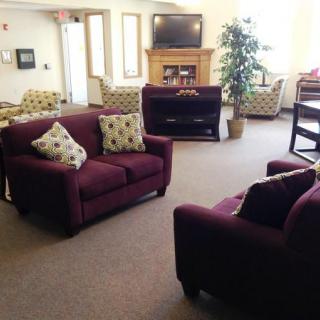

 Exploring the Contrasts Between Assisted Living and Skilled Nursing
 Vibrant Senior Living: A Comprehensive Guide for Active Older Adults
 Assisted Living and Memory Care: Understanding Their Core Differences