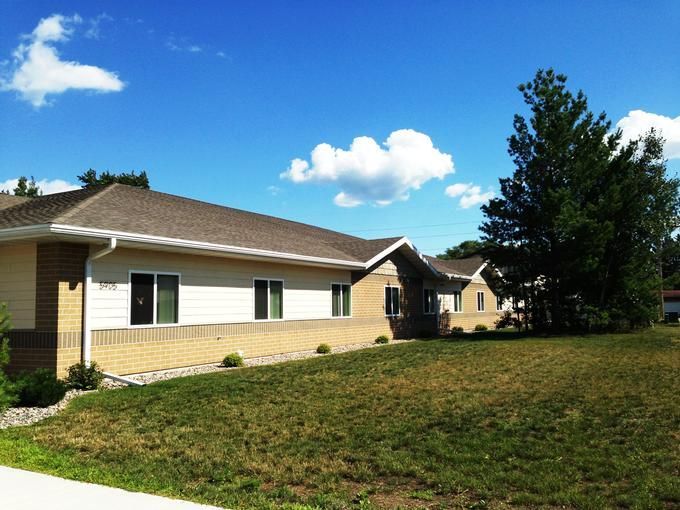
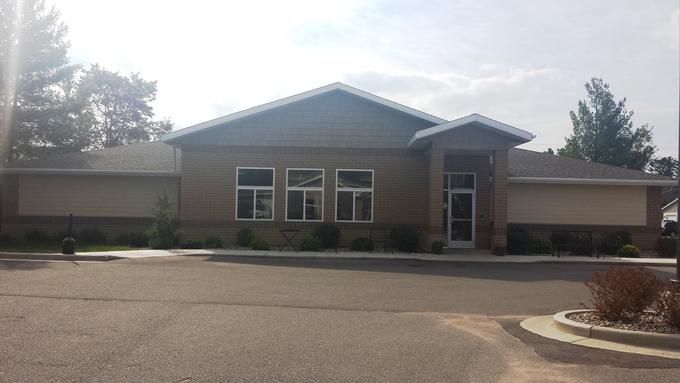









5905 Delikowski Street, Weston, WI 54476
For more information about senior living options: (866) 208-4318
Overall Review of Care Partners Weston
Pros
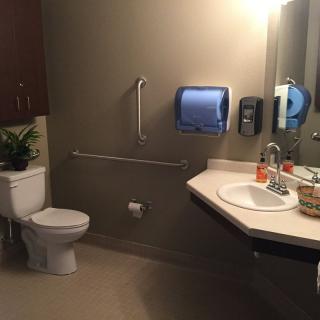
 The grandmother enjoys a large room with a private bathroom and walk-in shower.
- She feels safe living there and walks around the small 20-room facility daily.
- She likes the staff and the food.
- Care Partners is doing a good job with the limited government resources.
- The Weston tour went well and impressed them with the facility and reasonable pricing.
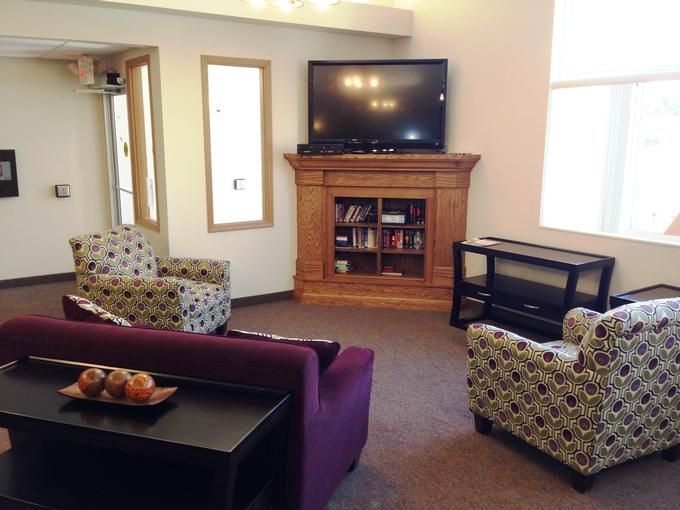
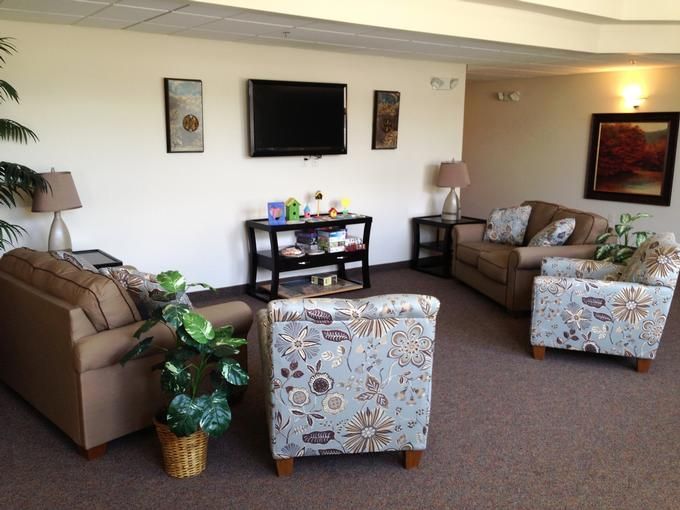
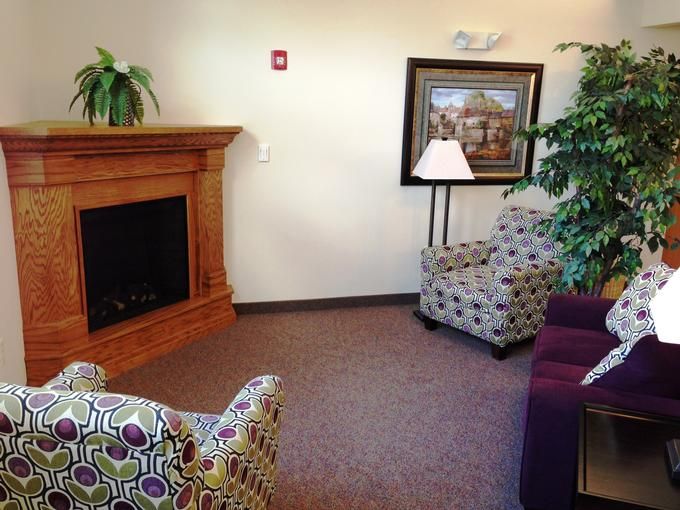
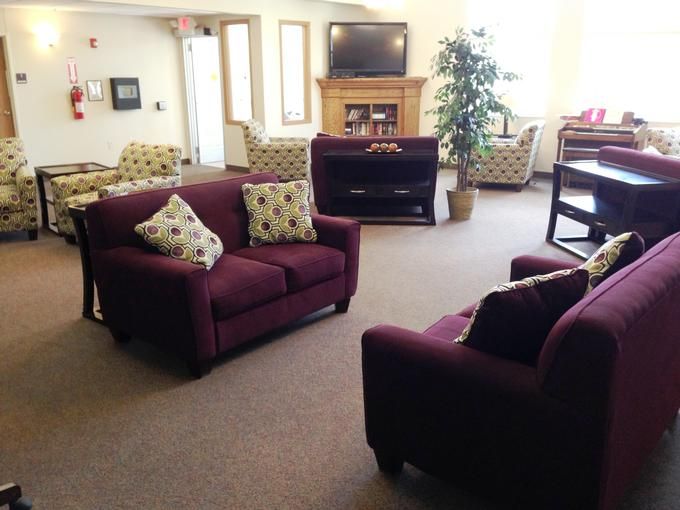
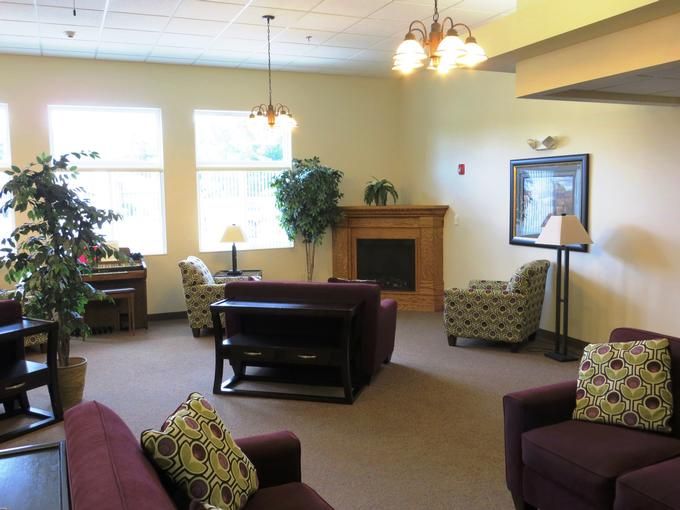
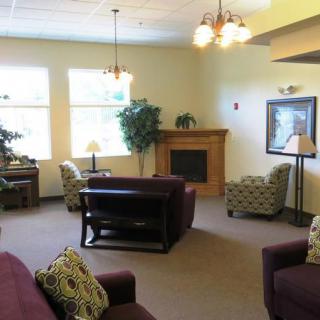
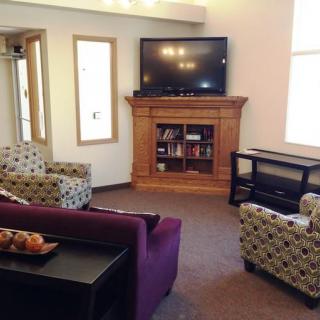
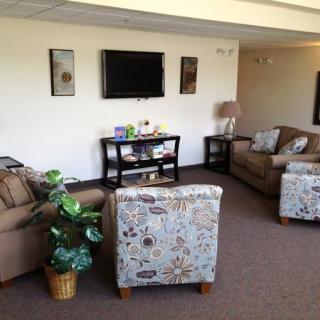
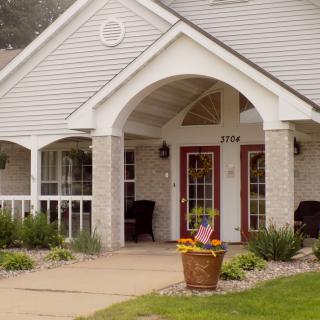
- The facility is clean, comfortable, and inviting.
- The staff truly care for the residents in this small, family-oriented setting.
Cons
 The staff do not clean residents, and managers act like children, hanging up the phone on visitors.
- The facility fails to rotate residents, which can cause bed sores, and the reviewer says the place should be shut down.
- Old tenants cannot leave reviews because they do not know how to use the internet; no staff are visible, and back there staff are smoking.
- The reviewer suspects the staff write most of the five-star reviews.
- The reviewer claims the reviews violate Google’s standards and are illegal.
- The high turnover of employees creates inconsistent routines and unfamiliar faces for grandma.
- The broccoli servings are excessive and disliked by residents.
Review
Care Partners Weston in Weston, WI is best suited for seniors who want a compact, home-like setting where privacy and safety take center stage. The community operates with a small footprint, roughly 20 rooms, and that intimate scale rewards residents who value predictable routines, familiar faces, and ready access to staff who know their names and preferences. The grandmother-turned-105 narrative highlights a resident who thrives with a private bathroom, a walk-in shower, and a daily walking circuit that keeps her mobile and engaged. For families prioritizing dignity, personal space, and straightforward care in a serene, approachable environment, this is a facility that delivers on those core expectations.
Pros cluster around the tangible comforts and the people-centric model. Private bathrooms and adequately sized rooms with walk-in showers reduce daily friction and support independent functioning, while the clean, inviting atmosphere reinforces a sense of security. Staff dedication is repeatedly recognized by residents and families, and the facility’s emphasis on safety, coupled with reasonable pricing, positions it as a practical, value-oriented option. The small size fosters a family-like vibe, making it easier to monitor routines, coordinate with caregivers, and enjoy attentive, person-to-person interactions. Tours consistently reveal solid amenities and a plan for medical care that nurses can leverage when questions arise, which matters for families balancing medical needs with everyday life.
Yet several red flags emerge from the feedback, and they cannot be ignored. A noticeable staff turnover can strain continuity, producing shifts in routines and the familiar faces that residents rely on for comfort. Some reviewers describe scarce staff visibility, unanswered calls, and a perception that staff just “don’t clean residents” or rotate them adequately, precisely the kinds of lapses that can undermine comfort and risk management. One strongly negative account claims preventable bed sores from not rotating residents, painting a picture of negligent care. Another review levels sharp accusations about management behavior and communication, suggesting a need for a more stable leadership presence. Taken together, these concerns point to variability in daily operations that will matter to families who expect consistent execution.
The key pros offset the stated cons only to a reasonable extent. The private, accessible spaces and the small, familiar environment reduce some risk factors associated with larger campuses, and the presence of informed nurses helps families feel they receive credible, actionable guidance about medical questions. The affordability angle matters, too; a lower price point can make ongoing care feasible for resources-constrained families, especially when a loved one values daily interaction with staff and routine, predictable activity. The beauty of the setting, the clean, welcoming feel and the sense that staff genuinely care, resonates with families seeking a warm, non-institutional atmosphere. However, the offset is not complete; inconsistencies in staffing and communication can erode confidence, particularly for residents with higher care needs or families who require steady, proactive updates.
For families evaluating options, the practical path is clear. Schedule face-to-face meetings with the administrator, and press for a transparent view of staffing patterns, turnover rates, and how call systems are managed during peak hours. Request to speak with current residents or families about daily routines, meal consistency, and the responsiveness of care staff. Review the activity calendar to verify meaningful engagement beyond meals, and verify the facility’s approaches to skin care and mobility to guard against bed sores. Consider also a few trial visits at different times of day to observe staff presence, cleanliness, and the pace of the environment. In Weston, this community shines for those who prize a tight-knit, home-like setting with private spaces; for anyone needing robust, 24/7 medical oversight, larger assisted living campuses or a continuum-of-care option may be the wiser choice.
Bottom line: Care Partners Weston can be an excellent fit for seniors who value privacy, safety, and a warm, small-community feel, paired with reasonable cost and solid nurse-led guidance. It is less suitable for those who demand unwavering, high-frequency staffing with perfectly consistent routines, or for families that cannot tolerate noticeable turnover and sporadic communication. For a loved one whose priority list includes intimate spaces, daily activity within a compact footprint, and a caregiving team that feels like an extension of family, this option warrants serious consideration. If the priority is stronger guarantees of continuity and higher-acuity support, explore larger assisted living providers or a facility offering more extensive on-site medical oversight. Weston presents a viable choice, but the verdict hinges on the resident’s care needs and the family’s tolerance for staffing variability.
 20 resident community capacity
 Studio apartments
 Assisted Living
 Memory Care
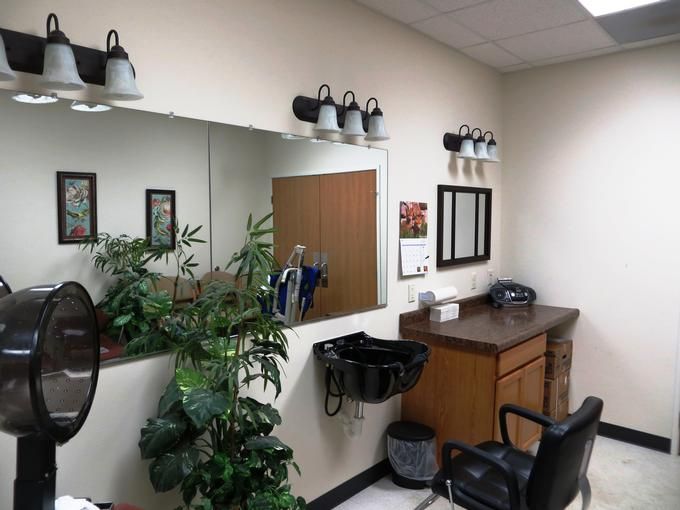
 Beautician on-site
 Cable or satellite TV
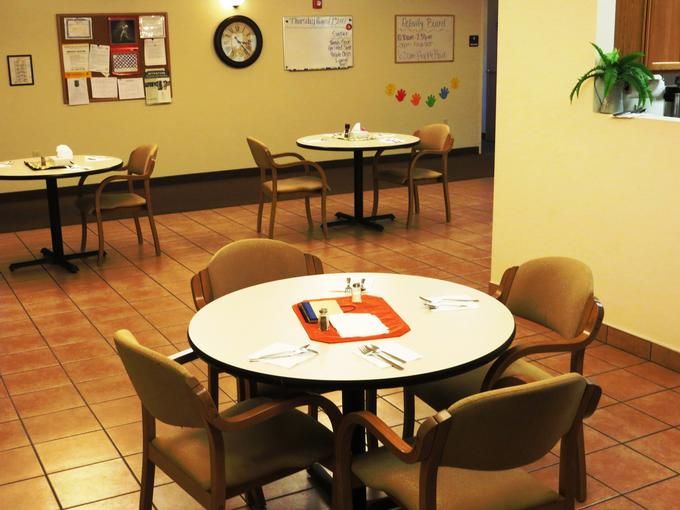
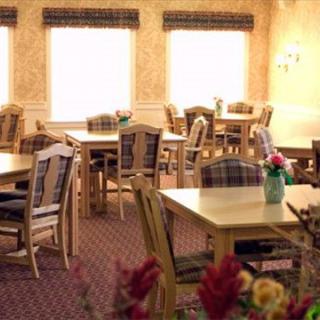
 Dining room
 Fully furnished
 Garden
 Housekeeping services
 Kitchenette
 Laundry
 Move-in coordination
 Outdoor space
 Respite or short term stays offered
 Telephone
 Wi-Fi/high-speed internet available
 Central Wisconsin (9 miles away)
 24-hour call system
 Activities of daily living assistance
 Assistance with bathing
 Assistance with dressing
 Assistance with transfers
 Diabetes diet
 Hospice waiver
 Meal preparation and service
 Medication management
 Mental wellness program
 Special dietary restrictions
 Transportation arrangement (medical)
 Transportation to doctors appointments
 Religious services
 English



 Choosing the Right Senior Care: A Detailed Exploration of Assisted Living and Nursing Homes
 Safeguarding Your Memory Through the Golden Years: Eight Ways to Preserve Cognitive Health
 Comprehensive Insights into Activities of Daily Living (ADLs) and Their Assessment