
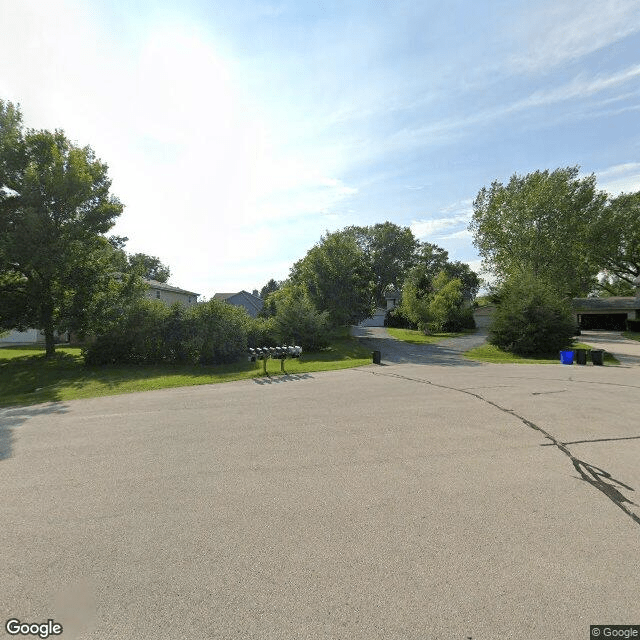
21470 Lees Ct., Brookfield, WI 53045
To contact a resident: (262) 827-0666
For more information about senior living options: (866) 208-4318
A Loving Home Costs & Pricing
A Loving Home offers competitive pricing for its accommodations, with all room types available at a consistent monthly rate of $3,200. This cost stands in stark contrast to the higher average rates found in Waukesha County, where private rooms are priced at approximately $4,205 and semi-private options exceed $4,300. Even when compared to broader state averages across Wisconsin - where private rooms can reach up to $4,339 - A Loving Home maintains a favorable position as an affordable choice for residents seeking quality care. Both studio and semi-private options follow this trend, demonstrating that A Loving Home provides an economical alternative without sacrificing comfort or care.
| Floor plans | A Loving Home | Waukesha County | Wisconsin |
|---|---|---|---|
| Studio | $3,200 | $4,225 | $3,999 |
| Private | $3,200 | $4,205 | $4,339 |
| Semi-Private | $3,200 | $4,369 | $3,977 |
Memory care communities with a similar price nearby
-
from +$300 / mo
Dolphin Manor
$3,500 / month21.8 miles away -
from -$100 / mo
Serenity Villa
$3,100 to $5,500 / month19.5 miles away -
About the same
Home Share North Shore House
$3,150 / month15.3 miles away -
from -$110 / mo
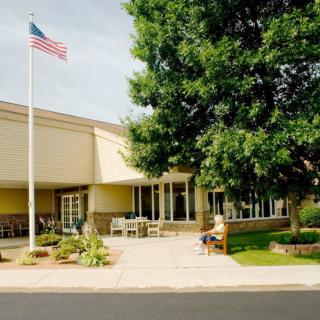
Wellington Place at Hartford
$3,090 to $4,020 / month20.7 miles away -
from -$355 / mo
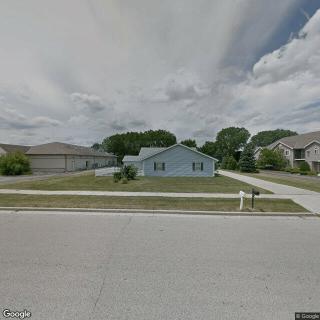
Deerview Meadows - Hartford I
$2,845 to $3,195 / month20.5 miles away
Overall Review of A Loving Home
Pros
 They were very impressed by Molly's home.
- They would have liked to move Dad here.
- They were very well staffed.
- The home was lovely.
Cons
 They would have had to move Dad eventually as his care needs advanced.
Review
A Loving Home in Brookfield is best suited for seniors who want a warm, home-like assisted-living environment and for families that prioritize steady, attentive staffing over a large, impersonal campus. The setting gives the impression of a small, close-knit residence where daily routines are handled with care, and residents enjoy a comfortable, intimate living arrangement that supports companionship and personal attention. Those seeking a true “small-house” feel with a strong sense of community will likely find this location appealing, especially if the plan is to stay within the assisted-living level for the near term.
That said, this option may not fit families facing progressive or escalating care needs. The family who toured noted they would have liked to move their loved one here, but only as a step before requiring a longer-term arrangement that could accommodate higher levels of care. For households aiming for a durable continuum of care on one campus, or for residents who will eventually need in-house skilled nursing or advanced dementia services, alternatives with broader, built-in care pathways should be considered.
The strongest positives are concrete and meaningful. A well-staffed home translates into reliable assistance, quicker response times, and careful supervision of daily activities. The intimate setting and well-maintained, inviting surroundings help sustain resident comfort and mood, reducing stress for both residents and their families. These attributes often translate into better quality of life for those who respond well to a home-like routine, where staff consistency and personal interactions matter as much as medical intensity.
However, the central limitation is real: the potential necessity to relocate if care needs rise beyond what the community can sustain in-house. That possibility complicates long-range planning and can disrupt a resident’s sense of stability. Prospective families should probe how the facility handles rising care requirements, what escalation paths exist, and whether there is a clear, trustworthy plan for transitioning to a partner facility or an on-site option if the resident’s needs surpass the current level of care. Without a guaranteed in-place, long-term stay, this option works best when the trajectory remains comfortably within assisted living territory for the foreseeable future.
Decision-making should be anchored to care trajectory and peace of mind. If the priority is a bright, comfortable home with dependable staffing and tolerance for a potential move later on, this community stands out as a strong, low-stress fit. It is essential to verify the level of medical oversight, the availability of on-site nursing, and the exact process for transitions if a resident’s needs shift. Compare costs but weigh soft factors, staff warmth, atmosphere, and daily owner-supervised routines, as heavily as medical metrics, since those elements determine whether a later move would be worth the disruption. Map out a realistic plan for future housing if care needs advance, and test whether there are collaboration agreements with nearby facilities that ensure a seamless transition.
Bottom line: A Loving Home shines as a solid choice for seniors seeking a cozy, well-supported assisted-living environment in Brookfield, with a clear strength in staffing and home-like ambiance. It is particularly well-suited for residents whose care requirements are steady or slowly evolving within the assisted-living boundary. Those needing a long-term, unlimited continuum of care or robust memory-care services should explore alternatives that guarantee in-house skilled nursing or dementia care. For families with plans that assume future escalation, visiting campuses with stronger in-house care pathways will save time and reduce risk, making a well-informed decision much more straightforward.
 Board and Care Home
 Memory Care
 Activities off-site
 Beautician on-site
 Indoor common areas
 Outdoor common areas
 Private
 Respite or short term stays offered
 General Mitchell International (16 miles away)
 Ambulatory care
 Incontinence care
 Kosher


 Illuminating Insights About Alzheimer's Disease: Ten Crucial Realities
 A Thorough Discussion of Medications Potentially Linked to Dementia Risk
 Why Do Dementia Patients Sleep So Much? Understanding Oversleeping, Stages, and Care Approaches