Hil Jordan House

2165 Laura Lane, Waukesha, WI 53186

For more information about senior living options: (844) 490-3973

1 from 2 reviews
Assisted Living

What level of care are you interested in?

Assisted Living

Memory Care

Independent Living

Skilled Nursing Facility

Continuing Care Retirement Community (CCRC)CCRC

Other


Request a tour at Hil Jordan House

    Overall Review of Hil Jordan House

    Cons

    • pro They claimed that bank loans were used to fund employee bonuses rather than budgets.
    • pro They alleged staff took clients on unauthorized outings that had nothing to do with the clients.
    • pro They described an emergency where staff and supervisors decided not to seek emergency medical care for a client.
    • pro They stated there were no independent living skills taught, with staff sitting around on their phones.
    • pro They claimed one staff member tried to provoke anger in another client for amusement.
    • pro They alleged a manager covered up a client getting into a fight during police involvement.
    • pro They criticized a program coordinator for telling a client to "google it" when asked what should be taught.

    Review

    A long and troubling narrative emerges from a resident's perspective on Jordan House, a facility in Wisconsin's Waukesha County that was meant to provide support within the mental health system. The account spans years, beginning with the author's forced move out of their home in 2015 and continuing through 2017, by which time the author still found themselves living in the same place. The overall tone is one of disillusionment and anger, with a persistent undercurrent of fear for personal safety and a deep mistrust of the governance and practices surrounding the facility. The reviewer paints a picture of mismanagement, neglect, and systemic flaws that they believe permeate the operation and oversight of the program.

    Central to the grievances is a claim about financial priorities that allegedly misalign with residents' needs. The reviewer asserts that banks' loans were diverted not toward budgets for residents' care or development, but into funding staff hiring bonuses and recruitment incentives. This, they argue, represents a fundamental misallocation of resources: money that should have supported the people living there instead appears to have flowed toward staff gain rather than client welfare. The complaint casts a long shadow over how funds are used, suggesting that financial incentives for staff were favored above the actual developmental and living needs of residents.

    Another major thread concerns the boundaries and safety of residents. The reviewer alleges that staff took clients on unauthorized outings that had little or nothing to do with the clients' care plans or therapeutic goals. These excursions, described as being outside the scope of the residents' needs, are portrayed as a breach of trust and a potential risk to safety and well-being. The emphasis is on autonomy violations and the sense that residents were sometimes treated as afterthoughts in the operational machinery of the facility, rather than as individuals entitled to care and protection within appropriate guidelines.

    Emergency situations are described in the most alarming terms. The reviewer recounts an incident in which a client faced a medical emergency and, rather than seeking urgent care, staff consulted supervisors and managers who allegedly decided not to seek emergency medical treatment. The claim is that those decisions could have had life-or-death consequences, turning a moment of crisis into a potentially fatal outcome. The gravity of this accusation underscores a perception of callousness or procedural failure in crisis management at the facility.

    A broader critique concerns the day-to-day quality of care and the lack of meaningful skill-building opportunities. The reviewer asserts that there were no independent living skills being taught to residents; instead, staff were described as largely idle, "sitting around on their phones." The implication is that residents were not receiving the education, practice, or structure needed to develop autonomy and practical competencies, leaving them more dependent and less prepared to navigate life outside the program.

    Perceived cruelty and a culture of insensitivity are also part of the narrative. The reviewer describes an incident in which one staff member allegedly tried to provoke anger in one client for the staff member's own amusement, a detail that paints a picture of emotional abuse or exploitation. In addition, there is a disturbing claim about a manager who allegedly covered up a fight between two clients during police involvement, suggesting a pattern of lack of accountability and possible complicity in misconduct. Together, these episodes contribute to an atmosphere of fear and erosion of trust among residents.

    The critique extends to the program's approach to resident input and professional standards. The coordinator is described as having asked a client what they think should be taught, only for the client's answer to be met with a dismissive reply: "google it." This moment is presented as emblematic of a broader disrespect for client agency and a failure to engage with residents as active participants in their own development. It is framed as a disheartening contradiction to any stated commitment to collaborative, person-centered care.

    Towards the end of the account, the author grounds the experiences in a personal testimony of displacement and persistent confinement. They recount being forced out of their home in 2015 and remaining in Jordan House for the ensuing years, with 2017 marking another year still spent within the same setting. Alongside the specific grievances, the writer brands the broader structure as part of a larger "corruption" within Waukesha County's mental health system, conveying a sense of systemic failure rather than isolated incidents. The narrative closes with a plea for change and a call for a better living arrangement.

    The overall voice is urgent and unsparing, conveying a deep sense of betrayal, danger, and neglect. The writer's closing sentiment is a marked plea for relief and improvement: a request for a safer, more competent, and more respectful living environment, paired with a stark accusation that the status quo is a "sick twisted game" that has endured far too long. The account leaves little doubt about the author's demand for accountability, better care, and a path to a different living situation that will genuinely support their welfare and dignity.

    Features

    Housing

    • 8 resident community capacity 8 resident community capacity

    Types of Care

    • Assisted Living Assisted LivingAssisted living facilities provide crucial support and care for seniors who may need help with daily tasks such as medication management, bathing, and meal preparation. These communities offer a safe and comfortable environment where seniors can maintain their independence while receiving the assistance they need to thrive in their golden years.

    Amenities

    • Cable or satellite TV Cable or satellite TVCable or satellite TV is important for seniors because it provides entertainment, news, and companionship, helping to combat loneliness and boredom. It also offers a wide range of programming options tailored to different interests and preferences.
    • Dining room Dining roomDining rooms are important for seniors as they provide a space for socialization, connection, and nutritious meals. They offer opportunities for residents to bond over shared meals, foster a sense of community, and promote healthy eating habits. Dining rooms also ensure that seniors have access to well-balanced meals tailored to their dietary needs and preferences.
    • Fully furnished Fully furnishedFully furnished senior living communities are important for seniors because they provide convenience, comfort, and a hassle-free moving experience. Seniors can easily settle into their new living space without the stress of having to buy and move furniture. This allows them to focus on enjoying their new home and community.
    • Garden GardenGardens are important for seniors as they provide a peaceful and therapeutic environment for relaxation, physical activity, and socialization. Being in nature has been shown to reduce stress, improve mood, and promote overall well-being. Gardens also offer opportunities for seniors to engage in gardening activities, which can improve mobility, flexibility, and cognitive function. Additionally, gardens create a sense of community and connection with others who share a passion for plants and outdoor spaces.
    • Housekeeping services Housekeeping servicesHousekeeping services are important for seniors because they help maintain a clean and safe living environment, promote independence, and reduce the risk of accidents or illnesses. Additionally, having assistance with household chores can alleviate physical strain and allow seniors to focus on other aspects of their well-being.
    • Move-in coordination Move-in coordinationMove-in coordination is important for seniors because it helps ease the transition into their new living environment. It ensures that all logistics, such as packing, organizing movers, and setting up utilities are taken care of, allowing seniors to focus on settling in and adjusting to their new home. Having a smooth move-in process can alleviate stress and anxiety, making the transition smoother and more enjoyable for seniors.
    • Outdoor space Outdoor spaceOutdoor spaces are important for seniors as they provide opportunities for physical activity, social interaction, exposure to natural light and fresh air, and a sense of connection to nature. Having access to outdoor spaces can improve overall well-being and quality of life for older adults living in senior communities.
    • Telephone TelephoneTelephones are important for seniors as they provide a lifeline for communication with loved ones, emergency services, and healthcare providers. They offer a sense of security and independence, enabling seniors to stay connected and access assistance when needed.
    • Wi-Fi/high-speed internet available Wi-Fi/high-speed internet availableWi-Fi/high-speed internet is important for seniors to stay connected with loved ones, access online resources, and participate in virtual activities to combat feelings of loneliness and isolation. It also allows them to easily manage healthcare needs, access entertainment, and engage in lifelong learning opportunities.

    Transportation

    • General Mitchell International (16 miles away) General Mitchell International (16 miles away)

    Care Services

    • 24-hour supervision 24-hour supervision24-hour supervision is important for seniors to ensure their safety, well-being, and access to immediate assistance in case of emergencies or health issues. This constant support provides peace of mind for both seniors and their loved ones, allowing them to age in place with dignity and security.
    • Activities of daily living assistance Activities of daily living assistanceActivities of daily living assistance are important for seniors because they provide essential support with tasks such as eating, bathing, dressing, and mobility. This assistance helps seniors maintain their independence, dignity, and overall quality of life as they age.
    • Assistance with bathing Assistance with bathingAssistance with bathing is crucial for seniors as it helps maintain personal hygiene, prevents infections, and ensures their overall well-being and comfort. It also provides a sense of dignity and independence for seniors who may struggle with this task on their own.
    • Assistance with dressing Assistance with dressingAssistance with dressing is important for seniors because it helps maintain their independence, promotes personal hygiene, prevents accidents and injuries, and improves overall quality of life. This service ensures that seniors can continue to dress comfortably and confidently, despite any physical limitations they may have.
    • Assistance with transfers Assistance with transfersAssistance with transfers is crucial for seniors as it helps prevent falls and injuries, maintains their independence, and ensures they can safely navigate their living environment. It also provides peace of mind for both seniors and their loved ones.
    • Coordination with health care providers Coordination with health care providersCoordination with health care providers is crucial for seniors to ensure proper medical care, medication management, and overall well-being. This collaboration helps prevent overlapping treatments, track progress more effectively, and provide comprehensive support tailored to individual needs.
    • Diabetes diet Diabetes dietA diabetes diet is crucial for seniors as it helps manage blood sugar levels, reduce risks of complications, and improve overall health and well-being. By following a balanced and nutritious diet tailored to their specific needs, seniors can better control their diabetes and enhance their quality of life.
    • Meal preparation and service Meal preparation and serviceMeal preparation and service are crucial for seniors as they may have limited mobility or energy to cook nutritious meals. Having access to healthy and convenient food options can ensure they are getting the proper nutrition needed to maintain their overall health and well-being.
    • Medication management Medication managementMedication management is crucial for seniors to ensure they are taking the right medications at the correct dosages and times. This helps prevent adverse drug interactions, reduces the risk of medication errors, and promotes overall health and well-being. Proactive management also allows for adjustments as needed based on changing health conditions or new prescriptions.
    • Special dietary restrictions Special dietary restrictionsSpecial dietary restrictions are important for seniors because age-related changes in metabolism and health conditions can make it difficult for their bodies to process certain foods. By following a diet tailored to their specific needs, seniors can maintain their overall health and well-being, manage chronic conditions, and reduce the risk of complications such as malnutrition or food interactions with medications.
    • Transportation arrangement (medical) Transportation arrangement (medical)Transportation arrangements for medical purposes are essential for seniors as they may have difficulty driving themselves to appointments or accessing public transportation. Having reliable and safe transportation options ensures that seniors can receive timely medical care and maintain their health and well-being.
    • Transportation to doctors appointments Transportation to doctors appointmentsTransportation to doctors' appointments is crucial for seniors as it ensures they have access to necessary medical care and support for their health needs. Without reliable transportation, seniors may struggle to attend important appointments, leading to potential delays in treatment and health complications. Providing transportation services helps seniors maintain their overall well-being and quality of life.

    Dining

    • Diabetes diet Diabetes dietA diabetes diet is crucial for seniors as it helps manage blood sugar levels, reduce risks of complications, and improve overall health and well-being. By following a balanced and nutritious diet tailored to their specific needs, seniors can better control their diabetes and enhance their quality of life.
    • Special dietary restrictions Special dietary restrictionsSpecial dietary restrictions are important for seniors because age-related changes in metabolism and health conditions can make it difficult for their bodies to process certain foods. By following a diet tailored to their specific needs, seniors can maintain their overall health and well-being, manage chronic conditions, and reduce the risk of complications such as malnutrition or food interactions with medications.

    Activities

    • Community-sponsored activities Community-sponsored activitiesCommunity-sponsored activities are important for seniors as they provide opportunities for social interaction, mental stimulation, and physical activity. These activities can help improve overall well-being, combat loneliness and isolation, and promote a sense of belonging and purpose among older adults.
    • Scheduled daily activities Scheduled daily activitiesScheduled daily activities are important for seniors because they provide structure, socialization, mental stimulation, and physical activity. Engaging in regular activities can improve overall well-being and quality of life for seniors living in a community setting.

    Description

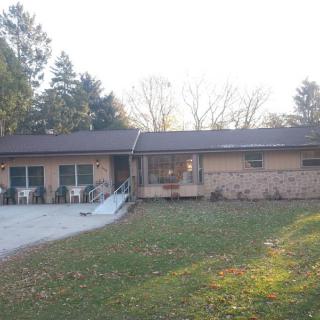
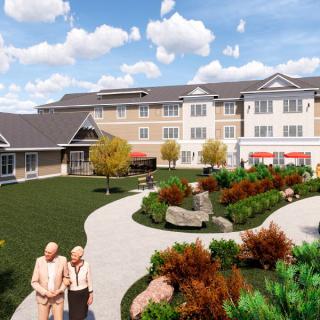
    Hil Jordan House in Waukesha, WI is a beautifully designed assisted living community that offers a wide range of amenities and care services to meet the unique needs of its residents. The community provides a comfortable and homely atmosphere with fully furnished living spaces and a well-maintained garden for residents to enjoy outdoor activities.

    Residents can expect exceptional housekeeping services and move-in coordination to ensure a smooth transition into their new home. The community also offers essential amenities such as telephone and Wi-Fi/high-speed internet access, allowing residents to stay connected with their loved ones.

    Care services at Hil Jordan House include assistance with daily activities like bathing, dressing, and transfers. The dedicated staff also ensures coordination with health care providers, medication management, and diabetes diet support. Meal preparation and service are provided, accommodating special dietary restrictions to cater to individual preferences.

    Transportation arrangements for medical appointments are available for the convenience of residents. Additionally, there are various dining options nearby, including cafes, restaurants, and places of worship. For entertainment purposes, residents have access to theaters and parks within close proximity.

    At Hil Jordan House, residents can also engage in scheduled daily activities that promote socialization and overall well-being. With numerous pharmacies nearby, residents have easy access to medication supplies when needed.

    Overall, Hil Jordan House offers a supportive environment where individuals can thrive while receiving personalized care in a vibrant community surrounded by essential amenities and conveniences.

    Nearby Places of Interest

    Restaurants

    • Albanese's Roadhouse (0.3 miles)
    • Cousins Subs (0.4 miles)
    • McDonald's (0.4 miles)
    • Meiji Cuisine (0.5 miles)
    • Oscar's Frozen Custard (0.5 miles)
    • Culver's (1.1 miles)
    • Andrea's Red Rooster (1.1 miles)

    Pharmacies

    • Walgreens (0.4 miles)
    • Express Scripts (2.7 miles)
    • Metro Market Pharmacy (2.8 miles)
    • Walgreens (2.8 miles)
    • CVS Pharmacy (3 miles)
    • Walgreens (3.5 miles)
    • Walgreens (3.6 miles)

    Physicians

    • West Suburban Center For Arthritis (1 miles)
    • Wheaton Franciscan Medical Group (2.4 miles)
    • ProHealth Care Building (2.6 miles)
    • Moreland Ear Nose & Throat (2.8 miles)
    • Wheaton Franciscan Medical GRP (4.2 miles)
    • Prohealth Care Medical Associates (4.4 miles)
    • Drs. Roy and Associates (4.8 miles)

    Theaters

    • Silverspot Cinema - The Corners of Brookfield (1.2 miles)
    • Ridge Cinema New Berlin, Wi (7.1 miles)

    Cafes

    • Mama D's Coffee (2.3 miles)
    • Starbucks (2.9 miles)
    • Starbucks (4.3 miles)
    • Panera Bread (4.7 miles)
    • Panera Bread (6.6 miles)

    Parks

    • Waukesha Parks Rec & Forestry (2.6 miles)
    • Fox Brook Park (2.9 miles)
    • Wagner Park (3.3 miles)
    • Dousman Stage Coach Inn Museum (4.1 miles)
    • The Big Backyard (4.6 miles)
    • Glacier Cone Park (4.9 miles)
    • Imperial Estate Park (5.2 miles)

    Places of Worship

    • First Congregational Church (2.6 miles)

    Hospitals

    • Waukesha Memorial Hospital (3.2 miles)
    • Rogers Memorial Hospital (7.2 miles)

    Frequently Asked Questions

    Where is Hil Jordan House?

    Nearby Communities

    Related Resources

    • active senior livingVibrant Senior Living: A Comprehensive Guide for Active Older Adults

      Vibrant Senior Living emphasizes active senior living communities that promote independence and engagement through diverse amenities and activities, fostering wellness and social interaction among older adults. These communities range from independent to assisted living, with a focus on personal growth, family involvement, financial planning, and leveraging technology to enhance residents' experiences.

    • when to move from assisted living to memory careWhen to Transition from Assisted Living to Memory Care: Key Indicators, Steps, and Finding the Right Community

      Transitioning from assisted living to memory care is driven by an individual's cognitive decline and specific needs, requiring careful evaluation of indicators like increased confusion and wandering. The process involves consulting medical professionals, researching suitable communities, considering financial and legal aspects, and ensuring effective communication for personalized care plans.

    • assisted living vs memory careAssisted Living and Memory Care: Understanding Their Core Differences

      Assisted living provides moderate support for seniors seeking independence, while memory care offers specialized support for individuals with dementia or cognitive impairments through structured routines and trained staff. Key differences include care approaches, environment security measures, staff training levels, activity types, and cost considerations.


    Get Pricing Ask A Question Schedule A Tour Contact Senior Advisor