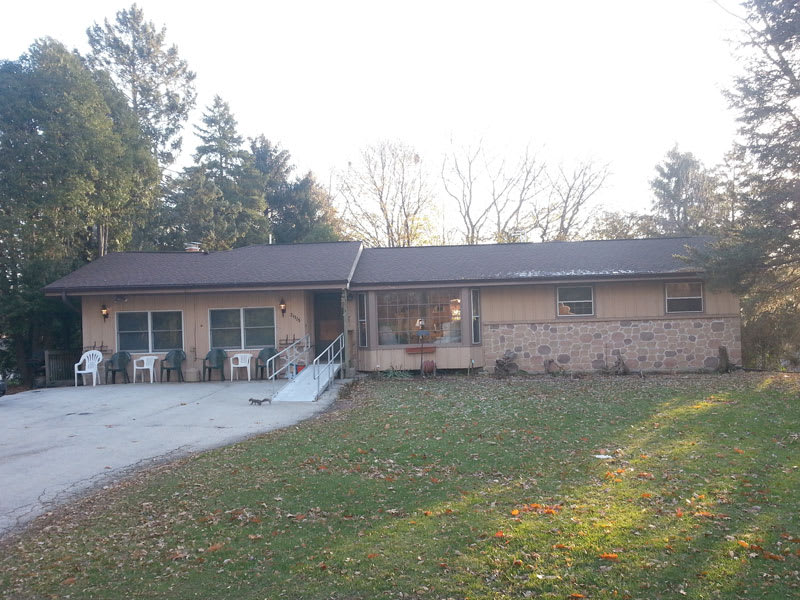
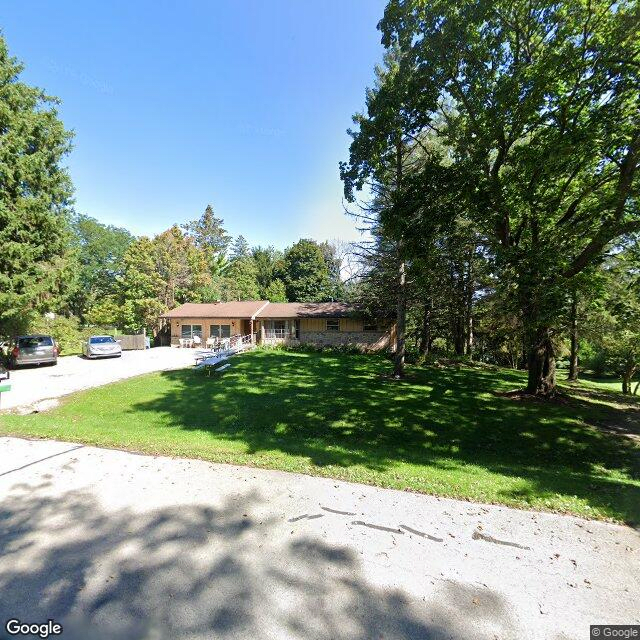
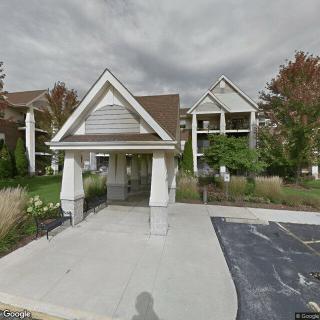
21325 Clarion Lane, Waukesha, WI 53186
For more information about senior living options: (866) 208-4318
Creative Living Environments Clarion Manor Costs & Pricing
Creative Living Environments Clarion Manor offers competitively priced room options that cater to a variety of needs and preferences. For private accommodations, monthly costs range from $3,200 to $4,632, which positions this facility as a more affordable alternative compared to the average rates in Waukesha County at $4,205 and the state average of $4,339. For those considering semi-private rooms, Clarion Manor's flat rate of $3,860 provides a cost-effective solution when considering the higher averages of $4,369 in the county and $3,977 statewide. Overall, Creative Living Environments Clarion Manor presents an appealing option for individuals seeking quality care without straining their budgets.
| Floor plans | Creative Living Environments Clarion Manor | Waukesha County | Wisconsin |
|---|---|---|---|
| Private | $3,200 to $4,632 | $4,205 | $4,339 |
| Semi-Private | $3,860 | $4,369 | $3,977 |
Memory care communities with a similar price nearby
-
from +$300 / mo

Dolphin Manor
$3,500 / month19.8 miles away -
from -$100 / mo
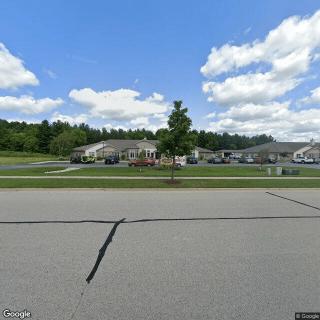
Serenity Villa
$3,100 to $5,500 / month21.6 miles away -
About the same
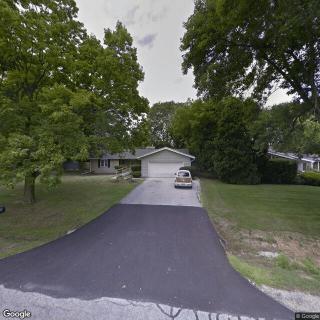
Home Share North Shore House
$3,150 / month16.1 miles away -
from -$110 / mo
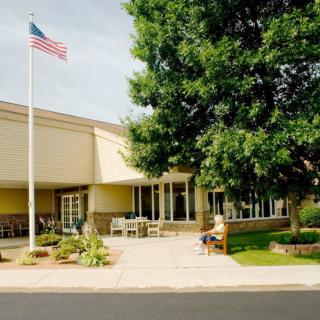
Wellington Place at Hartford
$3,090 to $4,020 / month22.7 miles away -
from -$355 / mo
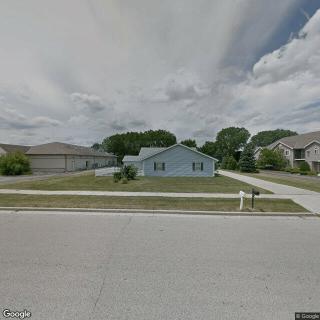
Deerview Meadows - Hartford I
$2,845 to $3,195 / month22.5 miles away
Overall Review of Creative Living Environments Clarion Manor
Cons
 Poor staffing.
- Tanisha is rude and treats residents and visitors like trash.
- The visit to the grandmother made them sick.
Review
Clarion Manor in Waukesha is best suited for residents who can function with limited daily assistance and for families willing to be actively involved or to arrange supplemental care. In practical terms, this community may work for someone who is largely independent but desires occasional help with tasks and social engagement, provided there is a trusted advocate on site to monitor care and respond quickly when needs arise. It is not a strong match for residents who count on consistent, empathetic hands-on support or for families who expect reliable, respectful interactions from every staff contact.
Owners and families should consider alternatives for anyone needing steady daily care, reliable supervision, or consistently professional treatment from staff. If a resident relies on timely help, medication oversight, or safety monitoring, other communities with proven staffing stability and a track record of courteous, resident-centered service will likely offer greater peace of mind. Those who value a consistently positive visitor experience, in addition to care quality, will want options where resident dignity is clearly prioritized in every interaction.
The primary red flag is staffing reliability. When staff coverage is inconsistent, response times lag, daily tasks fall through the cracks, and the rhythm of care becomes unpredictable. For residents, this translates into missed assistance with activities of daily living, delays in mobility support, and uncertainty during emergencies. For families, it creates ongoing vigilance needs, frequent follow-ups, and the stress of wondering whether critical needs will be met in a timely, considerate manner. In short, insufficient staffing erodes both safety and quality of life.
A second, equally troubling issue is the reported demeanor of staff toward residents and visitors. Instances of overt disrespect or condescension, described as rude treatment by a staff member, cast a shadow over the entire environment. When staff interactions are characterized by hostility or indifference, residents may withdraw from social programs, family visits, and community activities. This not only diminishes daily satisfaction but can accelerate declines in mood and engagement. Families face a difficult decision: tolerate a hostile atmosphere or relocate to a setting where staff accountability includes professional conduct and respectful communication as non-negotiables.
Given these core drawbacks, the few potential positives of a smaller, perhaps more intimate setting do little to offset the weight of the cons. An intimate campus can offer more direct, personal attention in theory, but without dependable staffing and respectful culture, that advantage dissolves quickly. The absence of visible, proactive management to address staffing gaps compounds the problem, leaving residents and families with little confidence in day-to-day stability or long-term planning. In practice, the negative impact of poor staffing and poor treatment eclipses any subtle benefits a smaller or quieter environment might offer.
For families weighing options, a clear path forward is essential. Request a candid meeting with the administrator to review staffing ratios by shift, turnover rates, and any current improvement plans. Ask for opportunities to observe interactions between staff and residents across different times of day, and interview several residents and family members about their experiences. Compare this site to communities with documented staffing consistency, strong codes of conduct, and proactive care management. If the decision leans toward keeping a presence on site, establish explicit expectations, a tangible escalation plan, and a defined trial period with measurable benchmarks for safety, responsiveness, and resident dignity. In the end, Clarion Manor presents a substantial risk for anyone prioritizing dependable care and respectful treatment; alternatives that deliver reliable staffing and a culture of courtesy are strongly recommended.
 8 resident community capacity
 Assisted Living
 Board and Care Home
 Memory Care
 Activities off-site
 Bath tubs
 Beautician on-site
 Cable or satellite TV
 Devotional services on-site
 Dining room
 Fully furnished
 Garden
 Housekeeping services
 Indoor common areas
 Move-in coordination
 Outdoor common areas
 Private
 Respite or short term stays offered
 Telephone
 Wi-Fi/high-speed internet available
 General Mitchell International (15 miles away)
 24-hour supervision
 Assistance with bathing
 Assistance with dressing
 Assistance with transfers
 Diabetes diet
 Diabetic care
 High acuity care
 Hospice waiver
 Incontinence care
 Meal preparation and service
 Medication management
 Mental wellness program
 Special dietary restrictions
 Transportation arrangement (medical)
 Transportation to doctors appointments
 BBQs or picnics
 Birthday parties
 Catholic services
 Day trips and outings
 Live musical performances
 Trivia games
 Yoga / chair yoga
 Friendly staff, clean, well-maintained grounds, and active social programs.

 Guiding Your Journey: Understanding Power of Attorney for Elderly Parents
 22 Remarkable Caregiver Support Groups Available Online and In-Person
 Understanding Medicaid Coverage for Assisted Living: A Comprehensive Guide