
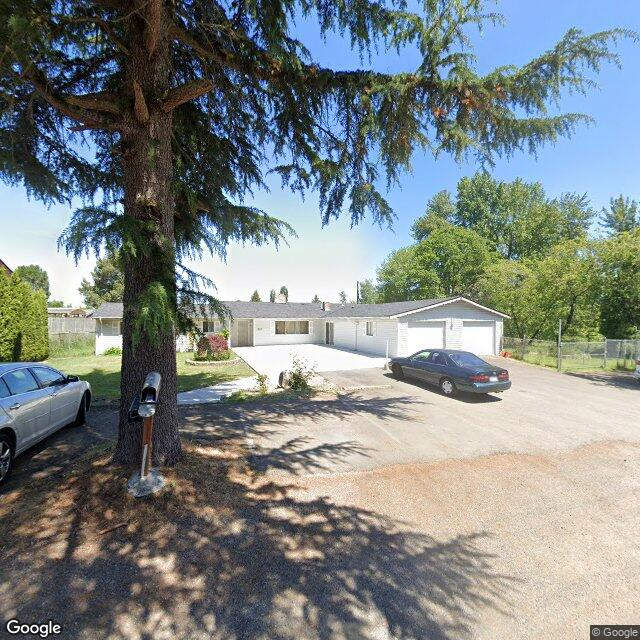
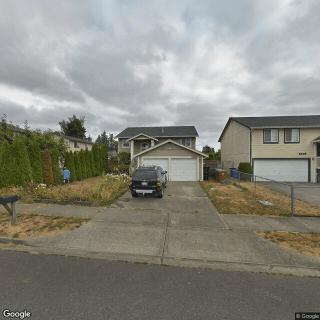
601 S 80th St, Tacoma, WA 98408
To contact a resident: (253) 468-2565
For more information about senior living options: (866) 208-4318
Renaissance Court AFH Costs & Pricing
Renaissance Court AFH offers competitive pricing for its accommodations, with both private rooms and studio options available at a monthly rate of $4,000. When compared to the average costs in Pierce County, which stand at approximately $4,623 for private rooms and $4,039 for studios, Renaissance Court provides a more economical choice. Similarly, on a state level in Washington, where the average prices reach about $4,772 for private rooms and $4,126 for studios, Renaissance Court positions itself as an attractive option for those seeking quality care without exceeding their budget. This thoughtful pricing structure reflects a commitment to accessible support within the community while ensuring residents receive exceptional service and care.
| Floor plans | Renaissance Court AFH | Pierce County | Washington |
|---|---|---|---|
| Private | $4,000 | $4,623 | $4,774 |
| Studio | $4,000 | $4,039 | $4,128 |
Memory care communities with a similar price nearby
-
About the same

Riverton Home Care
$4,000 to $5,000 / month21.3 miles away -
About the same
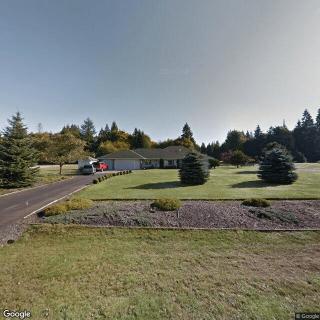
Canterwoods Estate AFH
$4,000 to $5,500 / month21.8 miles away -
About the same
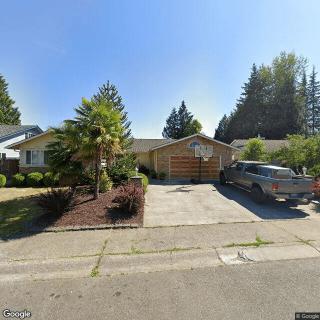
Gentle Care Home
$4,000 to $5,500 / month23.5 miles away -
from -$500 / mo

Twin Lakes Haven Adult Family Home
$3,500 to $8,000 / month9.8 miles away -
from -$500 / mo
Ahadi Care Adult Family Home
$3,500 to $4,000 / month8.6 miles away
Overall Review of Renaissance Court AFH
Pros
 They made my father feel right at home along with my mother.
- They have been very compassionate and caring, striving to make the whole experience positive for everyone involved.
Review
Renaissance Court AFH in Tacoma is best suited for families seeking a genuinely home-like, intimate caregiving environment where an older adult can receive daily assistance with warmth, compassion, and steady personal attention. This setting shines for residents who prosper with familiar routines, close-knit caregiver relationships, and a sense of belonging that feels more like a family arrangement than a clinical arrangement. It works especially well for someone who values emotional reassurance, personalized check-ins, and a transparent, nurturing approach to daily living. The emphasis here is on comfort, dignity, and a positive day-to-day experience rather than on high-visibility programming or hospital-level services. For seniors who prioritize feeling “at home” above all else, this community stands out.
Those who may want to consider alternatives are typically those with more demanding medical needs or a desire for expansive amenities. If 24/7 nursing oversight, on-site clinicians, or highly structured, expansive activity calendars are non-negotiable, a larger assisted living or specialized memory-care community may serve better. Prospective residents requiring robust care coordination, complex medication management, or secure memory-care placement might find a better fit elsewhere. Also, if transportation to varied outings, broad social opportunities, or diverse dining options are priorities, a bigger campus with more staff and resources could deliver more of what is sought.
The strongest pros here, most notably the compassionate, attentive staffing and the way the care team makes residents feel truly at home, offset most of the typical trade-offs associated with a smaller, home-style operation. When caregivers invest in meaningful relationships, worry about a loved one’s comfort decreases, and anxiety around daily routines relaxes. Families gain confidence knowing their relative is tended with patience, respect, and a consistent, personal touch. That kind of relational care often translates into steadier mood, better cooperation with routines, and fewer behavioral frictions, which in turn reduces downstream stress for family members.
In practice, those advantages materialize as familiar mealtimes, individualized pacing of daily activities, and a steady stream of supportive check-ins. Residents can expect a living environment that prioritizes dignity and ease of access, with caregivers who strive to anticipate needs rather than react to crises. The homey atmosphere can foster ongoing familiar rituals, pictures, and personal belongings that anchor a resident’s identity. For families, the upshot is continual reassurance that a loved one is not just supervised but warmly engaged, with staff who regard family input as central to care planning.
Nevertheless, the practical realities of a smaller AFH model mean certain constraints are worth acknowledging. The most common trade-offs involve fewer on-site nursing resources, a more limited existence of formal programming, and a tighter overall calendar of activities compared with larger communities. These factors can be offset by the strength of relationships and the ability to tailor every day to a resident’s preferences. Prospective residents should verify specifics: how care plans are developed and updated, how medical needs are addressed, the availability of on-call nursing, and the process for coordinating with outside providers. Tours, a clear outline of daily schedules, and a candid discussion about what happens if care needs escalate are essential steps.
Ultimately, Renaissance Court AFH stands as a compelling choice for families prioritizing a warm, individualized, and empathetic care experience in a Tacoma setting. It excels when the goal is to ensure a loved one feels embraced as part of a small, attentive community rather than as a number in a larger facility. For seniors whose needs revolve around companionship, consistent caregiver relationships, and a home-like daily rhythm, the pros decisively outweigh the cons. For those who require extensive medical oversight, specialized dementia programming, or a wider array of on-site services, exploring alternatives will help ensure the fit is optimal and the decision stands the test of time.
 Board and Care Home
 Memory Care
 Activities on-site
 Bath tubs
 Beautician on-site
 Indoor common areas
 Outdoor common areas
 Private
 Private bathrooms
 Respite or short term stays offered
 Seattle-Tacoma International (19 miles away)
 Ambulatory care
 Diabetic care
 High acuity care
 Incontinence care
 Medication management
 Meals provided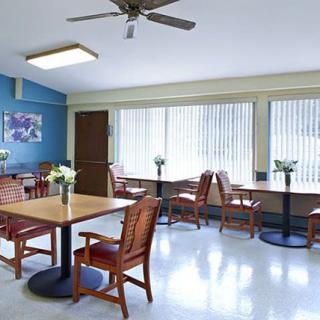
 Understanding Dementia Through Its Seven Stages: A Comprehensive Look at Progression and Expectations
 Safeguarding Your Memory Through the Golden Years: Eight Ways to Preserve Cognitive Health
 Comprehensive Insights into Activities of Daily Living (ADLs) and Their Assessment