The Oaks At Lakewood offers competitive pricing for its residents, particularly when compared to the broader market in Pierce County and the state of Washington. For a semi-private room, residents can expect to pay $5,850 per month, which is notably higher than the average cost of $4,264 in Pierce County and $4,267 across Washington. Similarly, the monthly fee for a private room at The Oaks At Lakewood is set at $6,300; this also exceeds both the county's average of $4,623 and the state's average of $4,772. While these costs may be above local benchmarks, they reflect the quality of care and comprehensive services that are central to The Oaks At Lakewood's offerings.
Floor plans
The Oaks At Lakewood
Pierce County
Washington
Semi-Private
$5,850
$4,264
$4,272
Private
$6,300
$4,623
$4,774
Skilled Nursing Facilities with a similar price nearby
Residents and visitors consistently describe staff who are kind and responsive.
Many reviews emphasize that nurses, aides, therapists, and administrative staff treat residents with respect and compassion. Several reviewers also mention clear communication with families and being able to get questions answered during visits or transitions. A minority of reviews disagree, describing situations they felt were uncaring, but the majority of experiences focus on supportive day-to-day interaction.
common14 reviews mention this
Clean facility, with some odor complaints
A lot of reviewers comment on the facility’s cleanliness.
Several reviews describe the building as spotless, well kept, and not smelling like the examples they’ve seen at other facilities. Other reviewers report ongoing bad odors and describe conditions they felt were unsanitary. Taken together, residents and visitors see cleanliness as a strong point, but a recurring negative theme is that odor and sanitation can be an issue for some families.
common10 reviews mention this
Food is generally well received
Food quality and flexible options show up often in feedback.
Multiple reviewers say the meals are enjoyable, with flexible choices that residents could appreciate. Some specifically mention menu options and that food was a positive part of the stay. A smaller number of reviews raise concerns about food being wrong for dietary needs or served cold, so experiences aren’t uniform.
common5 reviews mention this
Activities feel accessible to residents
Residents are described as having regular activities to join.
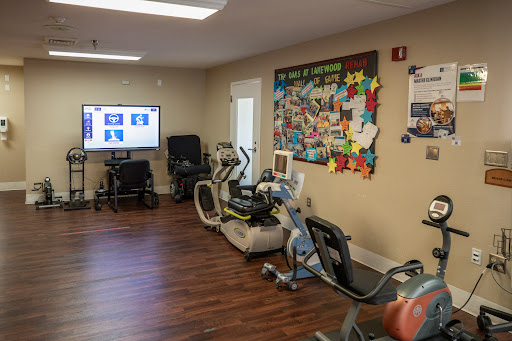
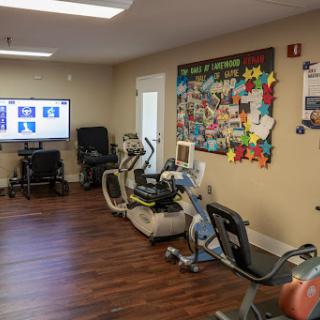
Several reviews mention that there are activities and that the facility keeps residents engaged, including events like bingo or karaoke and scheduled programming. Other comments are about visits and tours where reviewers saw activity areas, a gym, and the overall setup for recreation. While not every resident participated in activities, reviewers generally frame them as available options.
caveat10 reviews mention this
Understaffing complaints affect care timing
Some reviews describe delays when residents need help.
A set of reviews describe understaffing concerns and slow response times to call lights, including situations where help did not arrive quickly enough. There are also complaints about care basics not being delivered on schedule, like infrequent showers, missed assistance needs, and residents being left waiting. Even among overall positive reviews, the negative feedback focuses less on the facility look and more on the timeliness and consistency of hands-on care.
differentiator2 reviews mention this
Near Lakewood transit and dining
Nearby transit and everyday errands are close by.
Reviewers aren’t the only proof of convenience here; the location also places common destinations within a short drive or walk. Options include Lakewood Station Sounder train, several restaurants, and pharmacy stops that can help families during visits.
How we summarize
Counts show how many written reviews mention each theme; a review can touch several themes, and only frequently mentioned themes are displayed.
Features
Housing
80 resident community capacity
Types of Care
Skilled Nursing Facility
Amenities
Air-conditioning
Beauty salon
Cable or satellite TV
Computer center
Dining room
Fitness room
Fully furnished
Gaming room
Garden
Housekeeping services
Kitchenette
Move-in coordination
Outdoor space
Private
Private bathrooms
Restaurant-style dining
Small library
Telephone
Wellness center
Wi-Fi/high-speed internet available
Transportation
Seattle-Tacoma International (22 miles away)
Community operated transportation
Transportation arrangement
Transportation arrangement (non-medical)
Transportation to doctors appointments
Care Services
12-16 hour nursing
24-hour call system
24-hour supervision
Activities of daily living assistance
Assistance with bathing
Assistance with dressing
Assistance with transfers
Diabetes diet
Meal preparation and service
Medication management
Mental wellness program
Special dietary restrictions
Dining
Diabetes diet
Special dietary restrictions
Activities
Community-sponsored activities
Concierge services
Fitness programs
Planned day trips
Resident-run activities
Scheduled daily activities
Nearby Places of Interest
This part of Tacoma, Washington offers a convenient and diverse range of amenities for senior living. With easy access to transportation options such as the Lakewood Station Sounder train, seniors can easily travel around the area. There are numerous dining options nearby including Denny's, Jersey Mike's, and Chick-Fil-A, as well as pharmacies like Rite Aid and Walgreens for any medical needs. The area also boasts a variety of recreational opportunities with parks like Ft. Steilacoom Park and Sunnyside Beach Park within a short driving distance. Additionally, there are healthcare facilities such as Madigan Army Medical Center and MultiCare nearby to ensure seniors have access to quality medical care. Overall, this part of Tacoma provides a well-rounded community for comfortable senior living.
Transportation
Lakewood Station Sounder train (0.1 miles)
Restaurants
Denny's (0.3 miles)
Jersey Mike's (1 miles)
Rush Bowls (1 miles)
Chick-Fil-A (1 miles)
MOD Pizza (1 miles)
McDonald's (1 miles)
Applebee's (1.1 miles)
Theaters
AMC Lakewood Mall 12 (0.8 miles)
Cafes
Panera Bread (0.9 miles)
Starbucks (3.5 miles)
Starbucks (4.5 miles)
Panera Bread (4.6 miles)
Starbucks (5 miles)
Pharmacies
Rite Aid (1 miles)
Walgreens (1.5 miles)
CVS Pharmacy (1.5 miles)
Walgreens (2.8 miles)
Walgreens (3.2 miles)
Parkland Marketplace (3.2 miles)
Fred Meyer Pharmacy (3.5 miles)
Physicians
Hanmi General Medical Clinic (1.6 miles)
Liu Beth Beth Liu Md Lakewood (2.5 miles)
Pacific Medical Prosthetics and Orthotics (2.7 miles)
The Oaks At Lakewood offers competitive pricing for its residents, particularly when compared to the broader market in Pierce County and the state of Washington. For a semi-private room, residents can expect to pay $5,850 per month, which is notably higher than the average cost of $4,264 in Pierce County and $4,267 across Washington. Similarly, the monthly fee for a private room at The Oaks At Lakewood is set at $6,300; this also exceeds both the county's average of $4,623 and the state's average of $4,772. While these costs may be above local benchmarks, they reflect the quality of care and comprehensive services that are central to The Oaks At Lakewood's offerings.
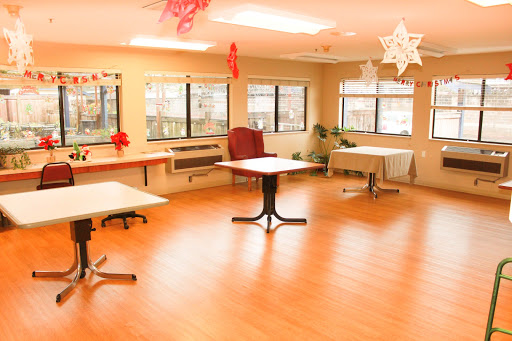
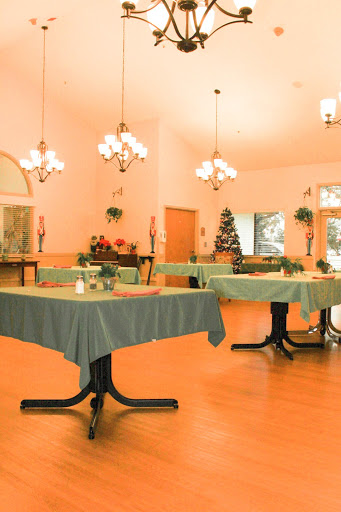
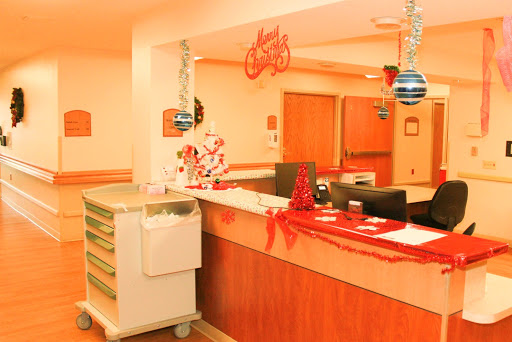
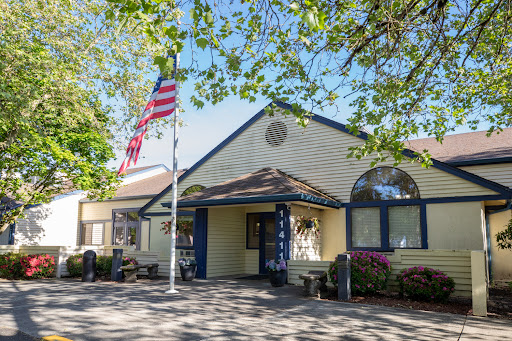
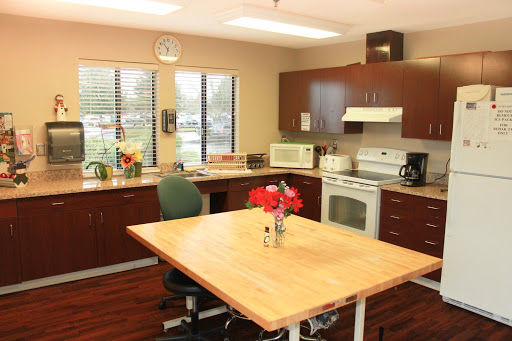
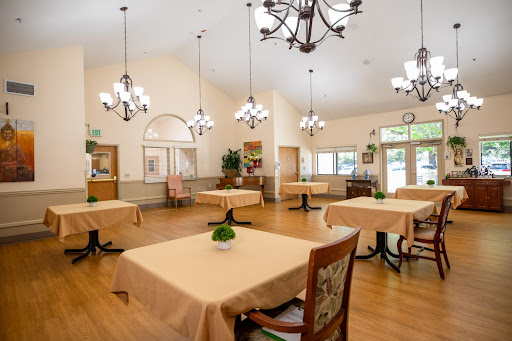
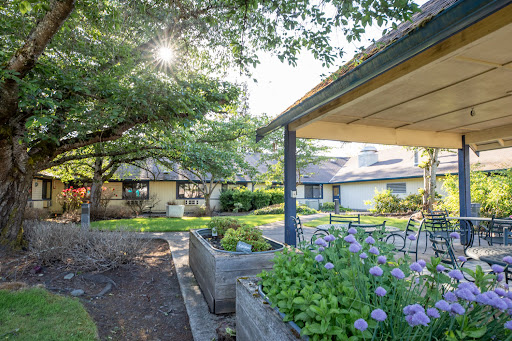
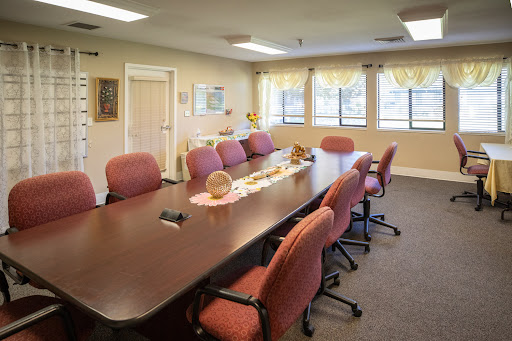
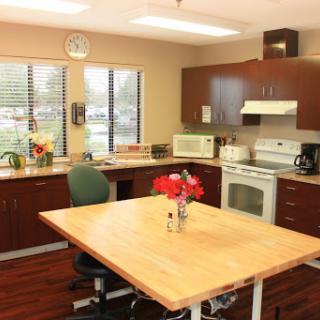
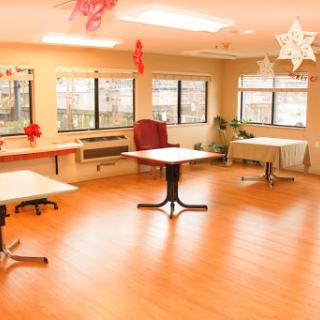
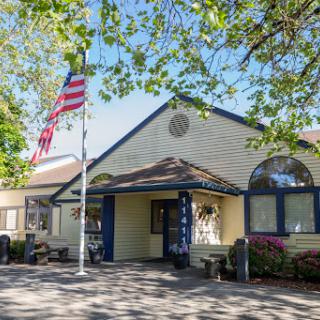
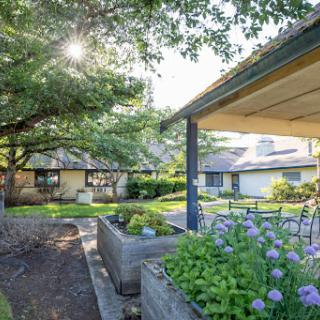
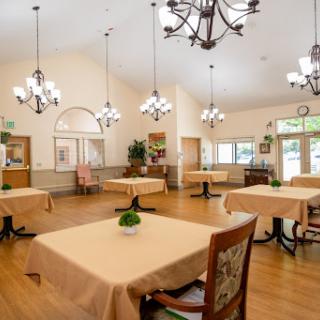
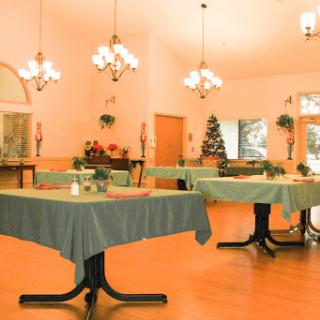
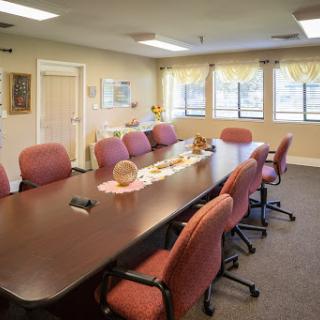
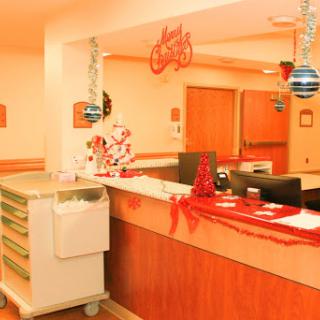
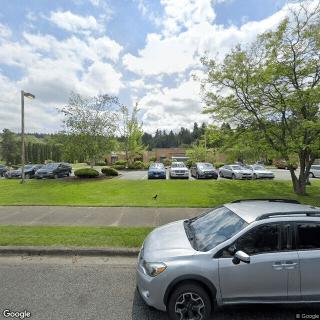
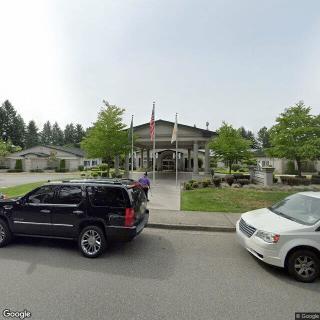
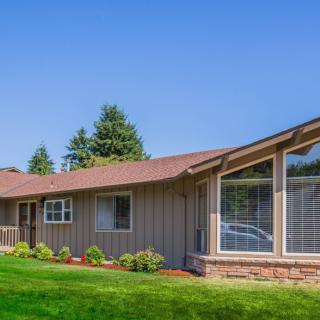
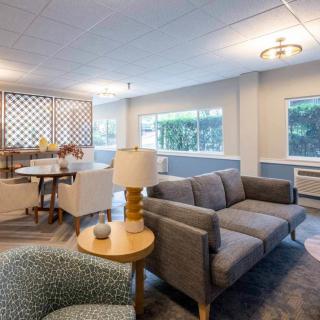
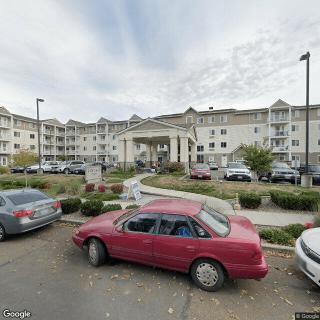
The Oaks At Lakewood on seniors.fyi includes 10 photos including images showing interior, dining, workspace, decor, chandelier, outdoor, architecture, windows, and more.
Nearby Communities
AssureCare Adult Home #4
Lakewood, WA
1 from 1 review
$3,500 / month
Memory-care focus with personalized care and affordable pricing.
AssureCare Adult Home #3
Lakewood, WA
1 from 1 review
$3,500 / month
Specialized memory care with private rooms and on-site activities
Katie's Adult Family Home
Lakewood, WA
1 from 1 review
$3,200 to $3,500 / month
Caring staff with personalized, well-maintained care and engaging activities.
Evergreen Care Home LLC
Lakewood, WA
5 from 4 reviews
$2,800 to $3,500 / month
Competitive pricing for semi-private to private rooms and a wheelchair-friendly layout.
Heartwarming Care
Lakewood, WA
Excellent access to nearby dining, parks, healthcare, worship, and hospitals.
Heart of Gold Adult Family Home
Lakewood, WA
4.2 from 10 reviews
$5,000 to $7,000 / month
The Village Senior Living
Tacoma, WA
4.1 from 84 reviews
$2,650 to $5,750 / month
Improved care and services under new management, with better meals, engaging activities, and a welcoming atmosphere.
Vintage at Tacoma
Tacoma, WA
3.1 from 100 reviews
$755 to $900 / month
Long-term resident engagement with pet-friendly amenities and on-site services.
Spring Ridge Assisted Living and Memory Care
Tacoma, WA
4.3 from 56 reviews
$3,106 to $4,523 / month
Engaging activities with attentive staff in a clean, well-maintained environment.
Older adults with urinary tract infections (UTIs) often present atypical symptoms, complicating diagnosis due to factors like incomplete bladder emptying and chronic health conditions that increase their susceptibility. Effective management involves prompt treatment with antibiotics, hydration, and preventive strategies while minimizing antibiotic resistance and focusing on holistic care approaches.
California's Form 602A is a vital tool for evaluating the health needs of seniors seeking residential care, detailing their medical conditions and daily living requirements to ensure proper service alignment. This standardized form enhances communication among physicians, families, and facilities, serving as a regulatory measure for admissions and ongoing care while adapting to changing healthcare practices.
The overview of blood pressure management for seniors emphasizes the importance of monitoring and interpreting blood pressure readings, noting that normal ranges can vary due to age-related factors and individual health conditions. It highlights tailored guidelines for systolic and diastolic levels, the necessity of early detection and consistent management to prevent serious health complications, and advocates for personalized care strategies that incorporate lifestyle changes and medication adherence.
Natural Light, Office, Conference Room, and Meeting Space
Reception
Workspace
Get PricingAsk A QuestionSchedule A TourContact Senior Advisor
By clicking submit, you agree to our Partner's Terms of Use. You
also consent to receive calls and texts, which may be autodialed, from our Partner. Your consent is not a condition to
using our Partner's service. Please visit our Partner's Privacy Policy for information about their privacy practices.


 80 resident community capacity
 Skilled Nursing Facility
 Air-conditioning
 Beauty salon
 Cable or satellite TV
 Computer center
 Dining room
 Fitness room
 Fully furnished
 Gaming room
 Garden
 Housekeeping services
 Kitchenette
 Move-in coordination
 Outdoor space
 Private
 Private bathrooms
 Restaurant-style dining
 Small library
 Telephone
 Wellness center
 Wi-Fi/high-speed internet available
 Seattle-Tacoma International (22 miles away)
 Community operated transportation
 12-16 hour nursing
 24-hour call system
 Activities of daily living assistance
 Assistance with bathing
 Assistance with dressing
 Assistance with transfers
 Diabetes diet
 Medication management
 Mental wellness program
 Special dietary restrictions
 Concierge services
 Planned day trips
 Memory-care focus with personalized care and affordable pricing.
 Urinary Tract Infections in Older Adults: Comprehensive Insights on Symptoms, Treatment, and Prevention
 California's Form 602A: An In-Depth Examination of Senior Care Assessment
 Comprehensive Look at Senior Blood Pressure Charts: Normal and Elevated Levels by Age