
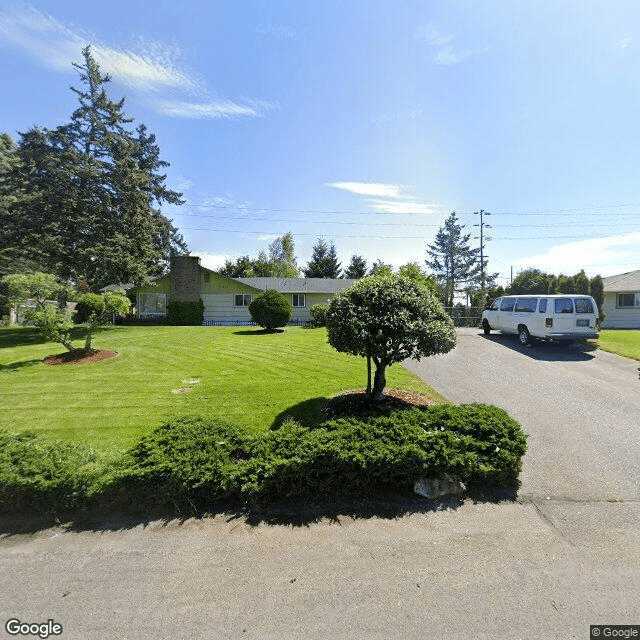
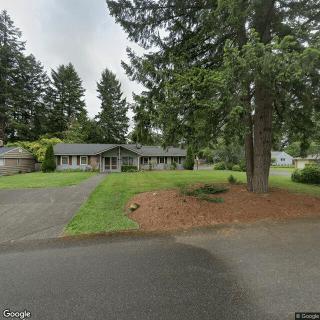
11803 Tomahawk Road SW, Lakewood, WA 98499
To contact a resident: (253) 267-1365
For more information about senior living options: (866) 208-4318
Katie's Adult Family Home Costs & Pricing
Katie's Adult Family Home offers competitive pricing for its services, with monthly costs significantly lower than both the county and state averages. For a semi-private room, residents pay $3,200, which is notably less than the Pierce County average of $4,264 and the state average of $4,267. Similarly, the private room rate at Katie's is $3,500, well below the county rate of $4,623 and the state average of $4,772. This pricing structure not only reflects Katie's commitment to providing affordable care but also highlights the value it offers compared to other options in Pierce County and across Washington State.
| Floor plans | Katie's Adult Family Home | Pierce County | Washington |
|---|---|---|---|
| Semi-Private | $3,200 | $4,264 | $4,272 |
| Private | $3,500 | $4,623 | $4,774 |
Memory care communities with a similar price nearby
-
from -$200 / mo

Hummingbird Homecare
$3,000 / month14.6 miles away -
from -$200 / mo
Home Care in Kent Inc.
$3,000 to $3,500 / month21.5 miles away -
from +$300 / mo

Twin Lakes Haven Adult Family Home
$3,500 to $8,000 / month13.3 miles away -
from +$300 / mo
Ahadi Care Adult Family Home
$3,500 to $4,000 / month11.2 miles away -
from -$200 / mo
Meridian AFH II
$3,000 to $3,500 / month12.2 miles away
Overall Review of Katie's Adult Family Home
Cons
 They decided not to visit the home due to civil fines recently.
- They did not want to see Herb in a home that has had past problems.
Review
Katie's Adult Family Home in Lakewood, WA is best suited for families that are prepared to do thorough due diligence and that prioritize a very small, home-like setting where regulatory history becomes a deciding factor. In practical terms, this community should be considered by those who are comfortable accepting some ambiguity around operations and who can tolerate the idea that the home’s record may raise concerns with regulators or lenders. It is not the default pick for families seeking a confident, transparent track record or a proven standard of care that comes with strong oversight. If a family wants a straightforward, low-friction placement with clear assurances, this would not be the first choice.
Those who should consider alternatives are families that require consistent, well-documented safety and compliance. Anyone prioritizing verifiable licensing history, regular inspections, and a transparent record of past issues should look elsewhere. Prospective residents with higher care needs, or relatives who want reliable evidence that the facility maintains strong governance and accountability, will find more confidence in options with clearer regulatory histories and proactive problem-solving records. In short, if regulatory assurance matters, this home deserves a lower priority in the search.
The core red flags from the review are explicit: civil fines recently incurred and references to past problems. The reviewer chose not to visit precisely because those issues raise questions about ongoing compliance and stability. The mention of a specific individual, Herb, in the context of past problems further colors the concern about leadership or day-to-day operations. This combination points to a potentially problematic risk profile, where questions about governance, accountability, and the ability to maintain consistent standards overshadow any appeal of a smaller, intimate setting.
Given this tone of concern, there are no clearly documented advantages in the review that would offset these drawbacks. The absence of highlighted positives means the cons aren’t counterbalanced by apparent strengths such as notable staff ratios, personalized care, or a transparent, evidence-based approach to operations. Without corroborating evidence of reliable oversight or positive resident experiences, the negatives dominate the decision calculus. Families should treat any implied benefits of a “home-like” environment as unsubstantiated in this case, unless further, independent information demonstrates otherwise.
If families still consider pursuing this option, a disciplined evaluation plan is essential. Schedule a direct, in-depth visit focused on governance, licensing status, and recent inspection records. Request copies of any corrective action plans for prior fines and ask about ongoing compliance monitoring. Speak with current residents and neighboring families to gauge day-to-day stability and responsiveness. Verify staffing levels, background checks, and ongoing training protocols. Cross-check with the state licensing agency and the local ombudsman for any open complaints or enforcement actions. Only with transparent documentation and a track record of sustained improvements can this home move from risky curiosity to a viable choice.
Ultimately, the recommendation is cautious and practical: this community is not the leading option for families seeking dependable safety and clear regulatory credibility. Alternatives that demonstrate consistent compliance history, proactive problem-solving, and a transparent leadership record should be prioritized. If a decision hinges on reducing uncertainty and maintaining confidence in daily oversight, move toward communities with verifiable records and fewer red flags. The goal remains clear: safeguard the resident’s wellbeing with a facility that can demonstrably uphold standards, not one where civil fines and past problems linger in the perception of care.
 Board and Care Home
 Memory Care
 Activities off-site
 Bath tubs
 Beautician on-site
 Devotional services off-site
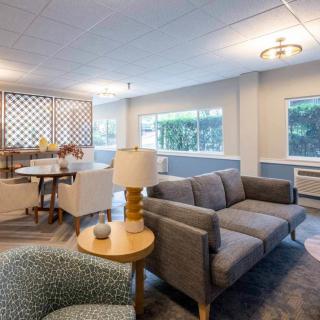
 Indoor common areas
 Outdoor common areas
 Private
 Private bathrooms
 Respite or short term stays offered
 Wheelchair accessible showers
 Seattle-Tacoma International (23 miles away)
 Ambulatory care
 Diabetic care
 High acuity care
 Incontinence care
 Medication management
 Kosher
 Competitive pricing for semi-private to private rooms and a wheelchair-friendly layout.


 Dementia Behaviors: In-Depth Understanding and Effective Coping Strategies
 5 Early Indicators of Dementia and What You Can Do
 8 Important Indicators That Memory Care May Be Necessary