
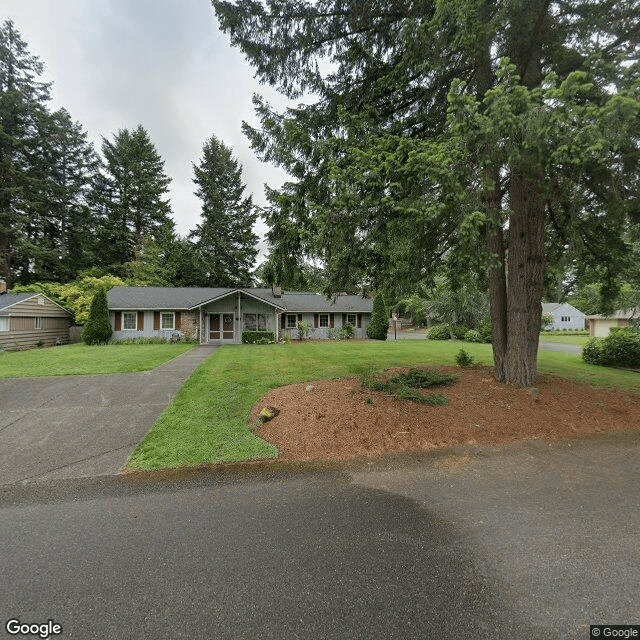
11713 Mount Book Lane Southwest, Lakewood, WA 98499
To contact a resident: (253) 588-1975
For more information about senior living options: (866) 208-4318
Heart of Gold Adult Family Home Costs & Pricing
Heart of Gold Adult Family Home offers a range of accommodation options at prices that reflect the quality of care and services provided. The costs for residents are higher than both county and state averages, with semi-private rooms priced at $5,000 monthly compared to Pierce County's average of $4,264 and Washington State's $4,267. Both private rooms and studio apartments are set at $6,000 per month, significantly exceeding the county's average rates of $4,623 for private accommodations and $4,039 for studios. Additionally, the one-bedroom option is available at $7,000 per month; this too surpasses the regional averages of $4,456 and $4,632 for similar living arrangements. While Heart of Gold Adult Family Home may be positioned at a premium price point in comparison to local facilities, these costs likely reflect superior amenities and personalized care tailored to enhance the well-being of its residents.
| Floor plans | Heart of Gold Adult Family Home | Pierce County | Washington |
|---|---|---|---|
| Semi-Private | $5,000 | $4,264 | $4,272 |
| Private | $6,000 | $4,623 | $4,774 |
| Studio | $6,000 | $4,039 | $4,128 |
| 1 Bedroom | $7,000 | $4,456 | $4,634 |
Memory care communities with a similar price nearby
-
from +$500 / mo

Twin Lake Adult Family Home
$5,500 to $6,500 / month12.6 miles away -
About the same
Peace and Pleasant Care Adult Family Home II
$5,000 to $6,000 / month20.6 miles away -
from -$695 / mo

Penrose Harbor at Heron's Key
$4,305 to $7,332 / month13.3 miles away -
from -$500 / mo
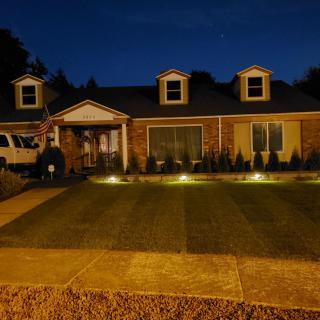
A Serenity AFH
$4,500 to $6,000 / month18.4 miles away -
from +$500 / mo

3 Tree Vista Adult Family Home, LLC
$5,500 / month22.6 miles away
Overall Review of Heart of Gold Adult Family Home
Pros
 The Heart of Gold staff treat residents like their own family, showing genuine compassion.
- The care team is professional, kind, and attentive to all daily needs while caring for others.
- Heart of Gold is described as a very caring home that takes excellent care of its residents.
- The director is organized, knowledgeable, in control, and pleasant, with extensive on-site experience.
- The home is clean, sanitized, and equipped with safety systems like centralized bed/floor alarms and wheelchair alarms.
- The facility offers useful amenities, including varied weekly menus, visiting hours, bed and TV in rooms, and included laundry/linens.
Cons
 The lack of knowledge and expertise caused the death of their loved one at this home.
- The reviewer regrets ever moving them there.
- A staff member was extremely rude in replying "no" to a caroling request.
- There is concern about whether patients are treated similarly.
Review
Heart of Gold Adult Family Home in Lakewood is best suited for families seeking a small, home-like setting where daily care feels personal and attentive. The community operates more like a family home than a large campus, with a capped number of residents and on-site leadership that keeps attention readily available. It appeals to families who want hands-on daily support, predictable routines, and a domestic atmosphere where staff interact with residents as if they were part of a close-knit household. This is not the option for those requiring heavy medical oversight or highly structured memory-care programming; for complex clinical needs, alternatives with stronger clinical staffing and specialized protocols should be explored.
Those who should consider alternatives include residents with significant medical fragility or complex dementia needs that demand frequent nursing assessments, rapid response to medical events, or advanced memory-care strategies. The reviews reveal a stark split in experiences: some residents receive extraordinary warmth and personalized attention, while a distressing claim about insufficient staff knowledge leading to a death cannot be ignored. A second one-star note about rude communication when approached with a community outreach request further signals variability in how the team handles sensitive interactions. Taken together, the picture suggests that reliability may hinge on individual staff performance and on-site leadership, not on a uniformly across-the-board standard.
The strongest positives center on warmth, compassion, and practical, hands-on care. Several accounts describe caregivers who treat residents like family, delivering care with genuine kindness, and a level of professionalism that feels consistent across shifts. The director is repeatedly portrayed as organized, knowledgeable, and actively present, with claims of eight years’ experience and on-site availability that help stabilize routines and address issues promptly. The environment is described as clean and sanitized, with safety features such as centralized bed/floor alarms and dedicated wheelchair alarms, and with tangible conveniences like on-site meds management, varied weekly menus, and structured visiting hours. Residents typically have beds and TVs provided, laundry services, and semi-private rooms, all contributing to a livable, reassuring daily life.
That said, the cons cannot be dismissed, and they temper the otherwise favorable impression. The most alarming concern is the allegation that insufficient knowledge or expertise contributed to a resident’s death, a claim that demands serious scrutiny of medical oversight, training, and crisis protocols. The interpersonal misstep noted in the caroling inquiry, described as a rude reply, raises questions about responsiveness and family-facing communication in moments that often define trust. When combined with a small sample size of reviews, these red flags mean prospective families should not assume consistency; they must verify competencies, safety nets, and escalation procedures before committing.
Overall, the pros can offset the cons for a particular resident profile: a resident whose needs are primarily supportive, who values a homey setting, and who benefits from an on-site director’s hands-on management may thrive here. The price point, about $4,800 for total care, signals a comprehensive package that covers room, meals, laundry, basic assistance, and daily supervision in a small, intimate environment. Yet this value proposition hinges on reliable staff performance and a robust local safety net; if any signs point toward higher medical acuity or inconsistent crisis handling, more robust options may be warranted. The balance tips toward “strong fit” for families prioritizing warmth and continuity, and toward caution for those worried about medical rigor and responsive governance.
In closing, Heart of Gold can be a compelling choice for families prioritizing a domestic, person-centered atmosphere where caregivers know residents well and leadership remains close to the floor. The favorable, heartfelt reviews speak to genuine compassion and daily reliability in many cases, but the negative accounts cannot be ignored. Pros offset cons when the loved one’s needs align with what a small, hands-on Home can deliver: steady routines, attentive care, and a trusting rapport with the on-site director. To proceed, schedule extended visits, observe interactions with staff, request conversations with multiple caregivers, and probe the facility’s medical oversight, crisis response, and staff training. If any uncertainty persists about medical risk or crisis management, keep looking, and return to Heart of Gold as an option only after confirming continuous, verifiable quality in those critical areas.
 Board and Care Home
 Day Program
 Memory Care
 Cats allowed
 Dogs allowed
 Bath tubs
 Beautician on-site
 Devotional services off-site
 Indoor common areas
 Outdoor common areas
 Private
 Private bathrooms
 Respite or short term stays offered
 Wheelchair accessible showers
 Seattle-Tacoma International (23 miles away)
 Diabetic care
 High acuity care
 Incontinence care
 Medication management
 Kosher






 Dementia, Paranoia, and Caregiver Guidance: Understanding the Connection
 Engaging Memory Care Activities That Enhance Quality of Life
 When to Transition from Assisted Living to Memory Care: Key Indicators, Steps, and Finding the Right Community