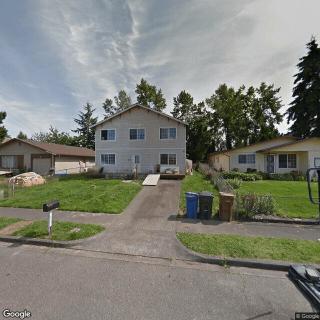
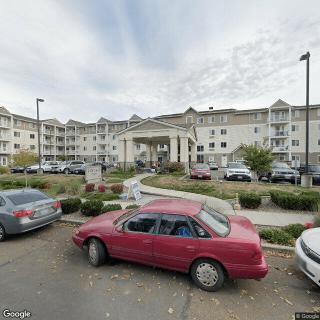
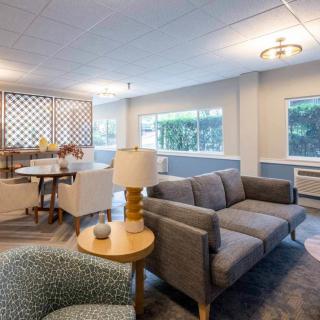
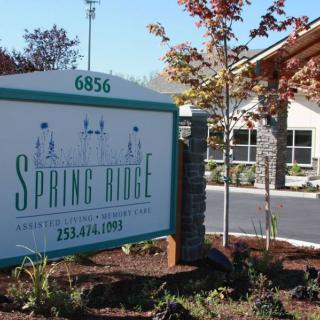
Spring Ridge Assisted Living and Memory Care in Tacoma, WA

Save

Spring Ridge Assisted Living and Memory Care in Tacoma, WA

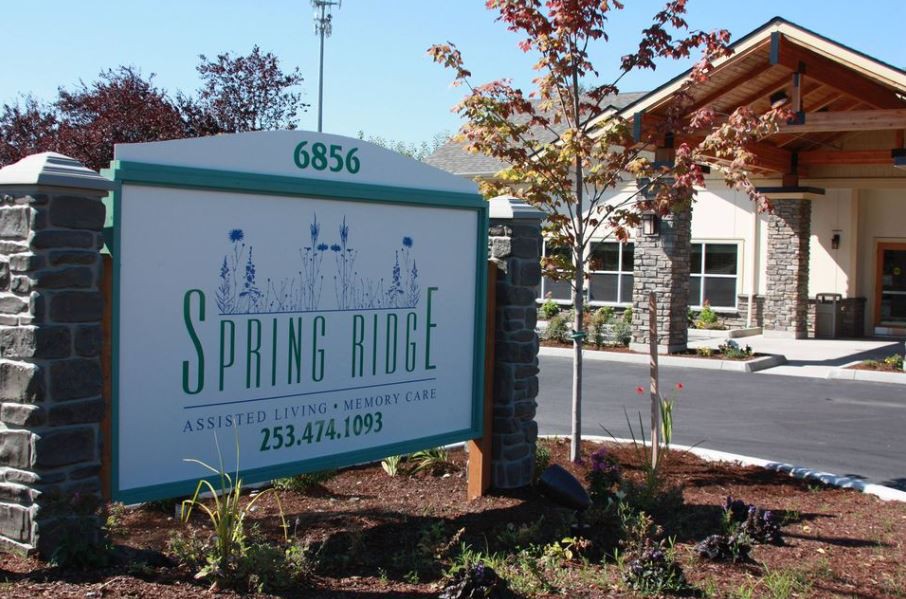
6856 Portland Ave, Tacoma, WA 98404

For more information about senior living options: (844) 490-3973

4.2 from 54 reviews
5 stars
36
4 stars
10
3 stars
0
2 stars
1
1 stars
7

Assisted Living Memory Care

Spring Ridge Assisted Living and Memory Care Costs & Pricing

Spring Ridge Assisted Living and Memory Care offers competitive monthly rates for its residents, especially when compared to the broader market in Pierce County and the state of Washington. For a studio apartment, Spring Ridge's cost is $3,106, significantly lower than both the county average of $4,039 and the state average of $4,126. Similarly, one-bedroom units at Spring Ridge are priced at $3,472, again offering notable savings compared to Pierce County's average of $4,456 and Washington's average of $4,632. While their semi-private accommodations are priced at $4,523 - slightly above the county's average of $4,264 and on par with the state's average - overall, Spring Ridge stands out as an appealing option for those seeking affordable assisted living solutions without compromising on quality care.

Floor plansSpring Ridge Assisted Living and Memory CarePierce CountyWashington
Studio$3,106$4,039$4,128
1 Bedroom$3,472$4,456$4,634
Semi-Private$4,523$4,264$4,272

Overall Review of Spring Ridge Assisted Living and Memory Care

Pros

  • pro Spring Ridge is a loving, caring, and compassionate place for loved ones.
  • pro The staff are some of the most caring people they have ever met.
  • pro The nurses care deeply for residents and go above and beyond to make them feel special.
  • pro The facility feels like home and offers five-star living with attentive care.
  • pro Families can rest easy knowing their loved ones are being well cared for by a dedicated team.
  • pro Michelle Wyse, the executive director, is a gem who cares about the seniors and leads with compassion.
  • pro The team is friendly, helpful, and well-informed, creating a welcoming, family-like atmosphere.
  • pro Spring Ridge is highly recommended by families and professionals for independent living, assisted living, and memory care.
  • pro The community feels like a big family, with staff showing kindness through everyday acts.
  • pro The facility is clean, well-maintained, and beautifully updated inside and out.

Cons

  • pro The facility is described as a horrible, abusive place.
  • pro The staff are understaffed, disorganized, and do not listen to input or instructions.
  • pro The care staff neglect residents and mislead families about the level of care.
  • pro The administration and receptionist are rude and not willing to help.
  • pro There are reports of equipment failures and unsafe conditions, including broken wheelchair pedals and residents left in cold rooms or without medications.
  • pro Some reviewers would not recommend Spring Ridge to others.

Review

Spring Ridge Assisted Living and Memory Care in Tacoma is best suited for families seeking a warm, intimate environment where residents receive personal attention and consistent, compassionate care. The community shines for those who anticipate a transition within the same campus - from assisted living to memory care - without a jarring change in setting. It is especially appealing to families who want staff who know residents by name, routines that feel familiar, and a home-like atmosphere where care feels genuinely relational rather than transactional.

The strongest positives center on staff dedication, leadership, and daily life. Families consistently praise the team for their kindness, calm professionalism, and willingness to go beyond the call to support residents and their families. The Executive Director, Michelle Wyse, and the on-site leadership earn frequent accolades for competence, accessibility, and a culture that treats residents like members of a family. Residents benefit from clean, well-maintained surroundings, attentive nursing care, reliable dietary service, and an activities program that includes outings, crafts, and social engagement. The facility's smaller, homelike setting helps staff form meaningful connections, contributing to calmer, more content residents, especially in memory care.

Yet this community is not without its caveats. A subset of reviews raises concerns about staffing adequacy, consistency of operations, and occasional lapses in safety or oversight. Some families report friction with administrative staff and argue that communication could improve during incidents or changes in care plans. Others recount historical safety concerns or service gaps, including equipment issues and neglected safety protocols. While the overwhelming majority of feedback is highly positive, these threads suggest that prospective families should enter with a clear asks of current staffing levels, incident reporting practices, and a plan for ongoing family communication.

The key pros - genuine caregiver warmth, proactive leadership, a clean and welcoming environment, and a smooth pathway between assisted living and memory care - offer meaningful counterweights to the concerns cited. When care teams are aligned, families note pronounced improvements in residents' mood, dignity, and daily functioning, along with strong collaboration on individualized care plans. The facility also delivers consistently good meals and patient-oriented service from kitchen and dining staff, plus visible attention to enrichment activities and the social fabric of the community. For many families, the bedrock of trust is the sense that staff know their loved one's preferences and respond with familiarity and respect.

For families evaluating options, Spring Ridge is especially compelling for those prioritizing relational care and a seamless care continuum. It is a prudent choice for loved ones who value a "small-community" feel, predictable routines, and staff who treat residents as extensions of a family. However, alternatives may be worth exploring for those who require larger campuses, broader activity calendars, or more formalized safety protocols with higher staffing ratios guaranteed by scale. In cases where past concerns about oversight linger, a careful, in-person assessment paired with direct conversations about current staffing levels and quality assurance processes is essential.

Decision guidance: schedule a visit and insist on speaking with the Executive Director and the head nurse about current staffing, turnover, and how incidents are documented and communicated to families. Request to meet frontline caregivers and observe a meal service and activity period to gauge engagement and responsiveness. Ask for a recent care plan example, and verify room configurations, nearby outdoor access, and how memory care needs are assessed as families consider transitions between levels of care. If the resident's priorities align with a home-like atmosphere, meaningful staff relationships, and a natural progression within the same campus, Spring Ridge stands out as a top option. If, instead, the priority is higher staffing guarantees, larger-scale programming, or a different neighborhood dynamic, alternative facilities may offer more aligned strengths. In the end, choosing Spring Ridge hinges on balancing the proven warmth and continuity of care with a clear-eyed review of current operations and oversight.

Features

Types of Care

  • Assisted Living Assisted LivingAssisted living facilities provide crucial support and care for seniors who may need help with daily tasks such as medication management, bathing, and meal preparation. These communities offer a safe and comfortable environment where seniors can maintain their independence while receiving the assistance they need to thrive in their golden years.
  • Memory Care Memory CareMemory care is crucial for seniors as it provides specialized support and services for individuals with dementia or Alzheimer's disease. These programs offer a safe and secure environment where residents receive personalized care, cognitive stimulation, and help with daily activities. Memory care helps seniors maintain their independence, quality of life, and dignity while also providing peace of mind for their families.

Pets

  • Cats allowed Cats allowed"Pet friendly" senior living communities are important for seniors because pets provide companionship, reduce feelings of loneliness and depression, promote physical activity and mental stimulation, and offer a sense of purpose and responsibility. Pets can improve overall well-being and quality of life for seniors in many ways.
  • Dogs allowed Dogs allowed"Pet friendly" senior living communities are important for seniors because pets provide companionship, reduce feelings of loneliness and depression, promote physical activity and mental stimulation, and offer a sense of purpose and responsibility. Pets can improve overall well-being and quality of life for seniors in many ways.

Amenities

  • Activities off-site Activities off-siteEngaging in off-site activities is crucial for seniors to maintain social connections, stay active, and stimulate their minds. It promotes overall well-being and helps combat feelings of isolation and loneliness.
  • Activities on-site Activities on-siteActivities on-site are important for seniors because they provide opportunities for socialization, mental stimulation, physical activity, and overall well-being. Engaging in activities can help seniors stay active, maintain their independence, and improve their quality of life.
  • Air-conditioning Air-conditioningAir conditioning is important for seniors as they are more vulnerable to heat-related illnesses and may have underlying health conditions that make it difficult for them to regulate their body temperature. It helps to keep them comfortable, safe, and healthy in hot weather.
  • Beautician on-site Beautician on-siteHaving a beautician on-site at a senior living community is important for seniors as it allows them to easily access grooming and personal care services, boosting their self-esteem and overall well-being. It also provides convenience and helps seniors maintain their sense of independence and personal style.
  • Devotional services off-site Devotional services off-siteDevotional services off-site are important for seniors as they provide spiritual nourishment, social engagement, and a sense of community outside of the senior living facility. This can enhance overall well-being and help combat feelings of isolation and loneliness often experienced by older adults.
  • Devotional services on-site Devotional services on-siteDevotional services on-site provide seniors with spiritual support and a sense of community, as well as an opportunity for reflection and guidance during their senior living experience. This can promote emotional well-being and connection to others, leading to a more fulfilling and enriching lifestyle in their later years.
  • Ground floor units Ground floor unitsGround floor units are important for seniors because they provide easy accessibility, reduced risk of falls and injuries, and convenience for those with mobility issues. Seniors can avoid climbing stairs or using elevators, making daily tasks and activities more manageable and enjoyable.
  • Handicap accessible Handicap accessible"Handicap accessible" amenities are crucial for seniors to ensure they can easily navigate and access facilities, services, and activities without barriers or limitations due to physical impairments. This promotes independence, safety, and inclusivity for seniors in senior living communities.
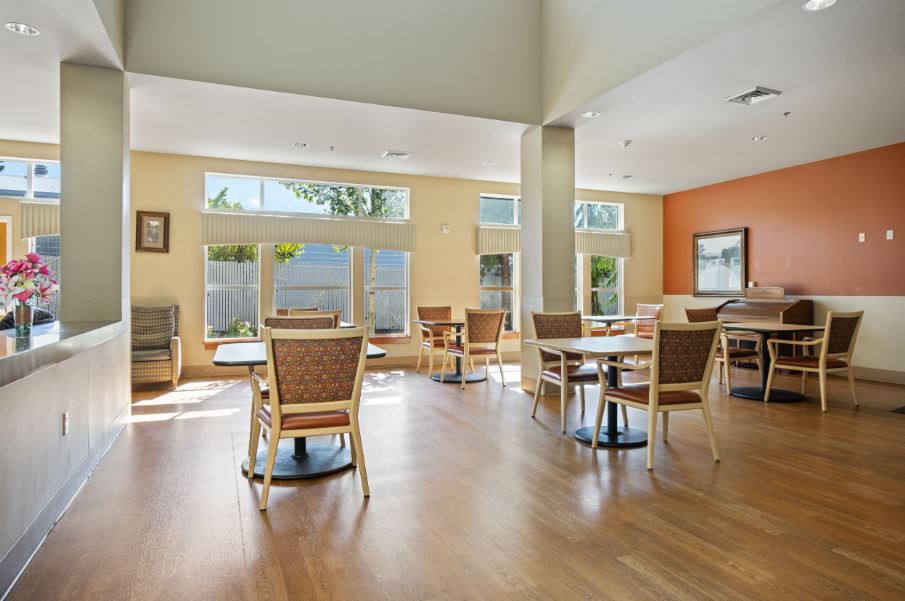
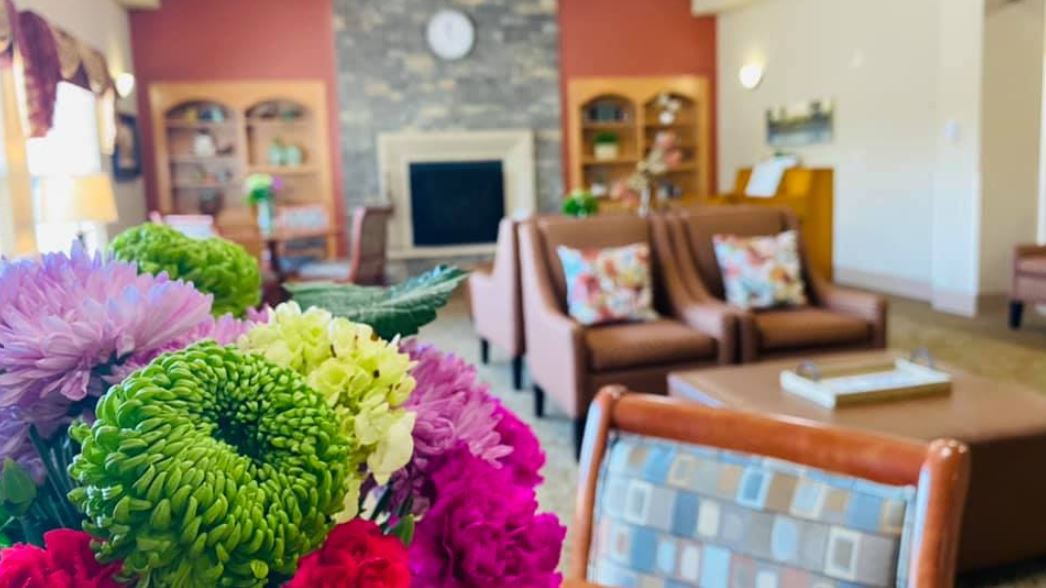
  • Indoor common areas Indoor common areasIndoor common areas are crucial for seniors as they provide a space for socialization, recreation, and community engagement, promoting overall well-being and reducing feelings of isolation and loneliness.
  • Kitchenette KitchenetteKitchenettes are important for seniors living in senior living communities because they provide the convenience and independence of being able to prepare simple meals and snacks in the comfort of their own living space. This can help promote a sense of autonomy and well-being for seniors, allowing them to maintain some level of control over their dietary choices and daily routines.
  • Outdoor common areas Outdoor common areasOutdoor common areas are important for seniors as they provide a space for socialization, physical activity, and relaxation. Being outside in nature can improve mood and overall well-being, while also encouraging movement and engagement with others. These spaces can help combat feelings of isolation and promote a sense of community among residents.
  • Wheelchair accessible showers Wheelchair accessible showersWheelchair accessible showers are crucial for seniors as they provide a safe and independent bathing option for those with mobility challenges. These showers help prevent falls and allow seniors to maintain their dignity and autonomy while ensuring they can bathe comfortably.

Transportation

  • Seattle-Tacoma International (18 miles away) Seattle-Tacoma International (18 miles away)

Care Services

  • Ambulatory care Ambulatory care"Ambulatory care services provide essential medical support and treatment to seniors without requiring hospitalization, allowing them to maintain their independence and quality of life while managing chronic conditions or receiving routine medical care."
  • Diabetic care Diabetic careDiabetic care is crucial for seniors as they are more susceptible to developing diabetes due to aging and other health conditions. Proper management of diabetes can help prevent complications such as heart disease, vision loss, and nerve damage, improving the overall quality of life for seniors in senior living communities.
  • Incontinence care Incontinence careIncontinence care is essential for seniors to maintain their dignity, hygiene, and overall quality of life. By addressing incontinence issues promptly and effectively, seniors can enjoy a sense of independence and comfort in their daily activities.
  • Medication management Medication managementMedication management is crucial for seniors to ensure they are taking the right medications at the correct dosages and times. This helps prevent adverse drug interactions, reduces the risk of medication errors, and promotes overall health and well-being. Proactive management also allows for adjustments as needed based on changing health conditions or new prescriptions.

Dining

  • Guest meals Guest mealsGuest meals are important for seniors living in senior living communities because they provide an opportunity for socialization and companionship. Sharing a meal with friends, family, or new acquaintances can help combat feelings of loneliness and isolation, promote a sense of community, and enhance overall well-being. Additionally, guest meals allow seniors to enjoy delicious food in a comfortable setting without the hassle of cooking or cleaning up, making dining a pleasurable and stress-free experience.
  • Low / no sodium Low / no sodiumLow/no sodium options are important for seniors because excessive sodium intake can lead to high blood pressure, heart disease, and other health issues commonly experienced by older adults. By choosing low/no sodium foods, seniors can better manage their health and reduce their risk of developing these conditions.
  • Meals provided Meals provided"Meals provided" are crucial for seniors in assisted living communities as it ensures they have access to nutritious, balanced meals without the stress of meal planning and preparation. This can help promote overall health and well-being for seniors who may have limited mobility or cognitive abilities.
  • No Sugar No SugarNo sugar diets are important for seniors because they can help prevent or manage chronic conditions such as diabetes, heart disease, and obesity. Sugar can also contribute to cognitive decline and inflammation in the body, so reducing sugar intake can lead to overall improved health and well-being in older adults.
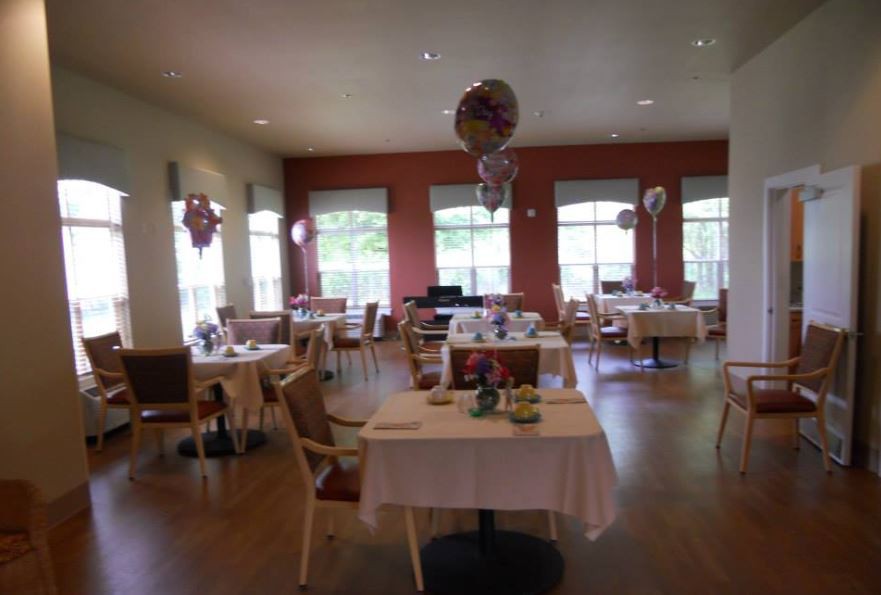
  • Restaurant style dining Restaurant style diningRestaurant style dining is important for seniors as it offers them a social and enjoyable dining experience, promotes healthy eating habits, and provides personalized menu options to cater to their dietary needs and preferences. This type of dining setting can enhance their overall quality of life and create a sense of community within the senior living facility.
  • Special dining programs Special dining programsSpecial dining programs are important for seniors because they provide nutritious meals tailored to their dietary needs and preferences. These programs also offer socialization opportunities, promote overall health and well-being, and can help prevent malnutrition.
  • Vegan VeganVegan diets can provide numerous health benefits for seniors, including lower risk of chronic diseases, improved digestion, and increased energy levels. Additionally, plant-based diets are often rich in essential nutrients that can support overall well-being and longevity in older adults.
  • Vegetarian VegetarianA vegetarian diet is important for seniors because it can help lower the risk of chronic diseases, maintain a healthy weight, and provide essential nutrients needed for aging bodies. Additionally, plant-based diets are often easier on digestive systems and can contribute to overall well-being in older adults.

Activities

  • Art classes Art classesArt classes are important for seniors because they provide a creative outlet, improve cognitive function, reduce stress and anxiety, promote socialization, and enhance overall well-being and quality of life.
  • Bible study group Bible study groupBible study groups provide seniors with a sense of community, spiritual growth, and support during their later years. It helps them stay connected to their faith, find comfort in difficult times, and build meaningful relationships with others.
  • Cooking classes Cooking classesCooking classes are important for seniors as they provide opportunities for social interaction, enhance cognitive skills, promote healthy eating habits, and boost confidence in the kitchen.
  • Day trips and outings Day trips and outingsDay trips and outings are important for seniors as they provide opportunities for socialization, mental stimulation, physical activity, and a break from daily routines. These experiences can enhance overall well-being and quality of life for older adults living in senior communities.
  • Devotional activities offsite Devotional activities offsiteDevotional activities offsite are important for seniors because they provide social engagement, spiritual growth, and a sense of community outside of their living environment. This can improve overall well-being, mental health, and combat feelings of isolation or loneliness.
  • Devotional activities on-site Devotional activities on-siteDevotional activities on-site provide seniors with a sense of community, spiritual fulfillment, and emotional support, promoting overall well-being and a positive sense of purpose in their lives.
  • Educational speakers / life long learning Educational speakers / life long learningEducational speakers and lifelong learning opportunities are crucial for seniors as they provide mental stimulation, promote social engagement, and contribute to overall well-being. Continuous learning helps seniors stay mentally sharp, build new skills, and maintain a sense of purpose and fulfillment in their lives. It also allows them to stay connected to the world around them and fosters a sense of community within senior living facilities.
  • Live dance or theater performances Live dance or theater performancesLive dance or theater performances are important for seniors because they provide opportunities for socialization, mental stimulation, and emotional engagement. These performances can help combat feelings of isolation and loneliness, while also offering a sense of connection to the arts and culture. Additionally, watching live performances can bring joy and create lasting memories for seniors in their later years.
  • Live musical performances Live musical performancesLive musical performances can provide seniors with a sense of joy, nostalgia, and connection. Music has the power to evoke emotions and memories, improve mood and cognitive function, and foster social interaction among seniors. It can also serve as a form of therapy and stress relief for older adults, making it an important activity to include in senior living communities.
  • Stretching classes Stretching classesStretching classes are important for seniors because they help improve flexibility, reduce the risk of injury, and promote overall health and well-being. Regular stretching can also help alleviate joint pain and stiffness, enhance balance and coordination, and increase range of motion.

Description

Spring Ridge Assisted Living and Memory Care in Tacoma, WA is a senior living community that specializes in memory care services. Our dedicated staff provides personalized care for seniors who are living with Alzheimer's disease or other forms of dementia.

At Spring Ridge, we understand the importance of keeping our residents engaged and active. That's why we offer a wide variety of on-site activities to cater to different interests and abilities. From Bible study groups and cooking classes to day trips and outings, there is always something exciting happening at our community. We also provide devotional activities both on-site and off-site for those looking to nurture their spiritual well-being.

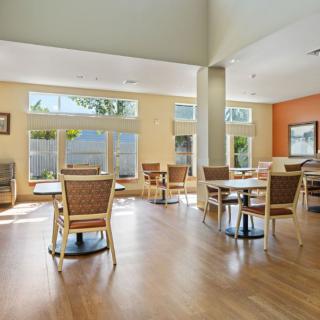
Our spacious common areas are designed to promote socialization among residents, offering comfortable spaces for conversations or relaxation. We also have indoor and outdoor areas where residents can enjoy fresh air and take in the beautiful surroundings. All our units are located on the ground floor for easy accessibility, and our showers are wheelchair accessible.

The health and well-being of our residents is one of our top priorities. Our professional staff provides specialized care including diabetic care, incontinence care, and medication management. We also cater to specific dietary needs with low/no sodium, no sugar, vegan, vegetarian options available for meals served restaurant-style in our dining area.

When it comes to amenities nearby, Spring Ridge is conveniently surrounded by numerous cafes, parks, pharmacies, physicians' offices, restaurants, places of worship, theaters, and hospitals. This ensures that additional services or entertainment options are easily accessible for both residents and their loved ones.

At Spring Ridge Assisted Living and Memory Care in Tacoma, WA, we strive to create an environment where seniors can live comfortably while receiving the support they need. With a variety of amenities and care services available, we aim to enhance the quality of life for all our residents.

Nearby Places of Interest

This part of Tacoma, Washington offers a variety of amenities and services that cater to the needs of seniors. With several restaurants nearby such as Taco Bell, Olive Garden, and BJ's Restaurant & Brewhouse, there are plenty of dining options to choose from. The area also has a number of pharmacies including Safeway Pharmacy and Walgreens for easy access to medications. For those looking for spiritual fulfillment, there are several places of worship in the vicinity such as Bethlehem Baptist Church and St Mary's Catholic Church. Additionally, there are healthcare facilities like MultiCare Regional Cancer Center and Group Health Cooperative nearby for medical needs. Seniors can also enjoy cafes like Starbucks and Panera Bread for socializing or relaxing. For recreation, Sheridan Park is a short distance away while theaters like Grand Cinema provide entertainment options. With transportation options like Lakewood Station Sounder train close by, getting around the area is convenient for seniors living in this part of Tacoma.

Restaurants

  • Taco Bell (0.2 miles)
  • Park Avenue Tavern (1.6 miles)
  • Cassidy S Pub (1.7 miles)
  • Tami’s In Tacoma (1.9 miles)
  • Taqueria El Antojo (2.1 miles)
  • Olive Garden (2.5 miles)
  • BJ's Restaurant & Brewhouse (3.1 miles)

Pharmacies

  • Safeway Pharmacy (0.3 miles)
  • Highway 7 Recreational Marijuana Store (1.2 miles)
  • Walgreens (1.5 miles)
  • Costless Pharmacy (1.5 miles)
  • Walgreens (1.5 miles)
  • Walgreens (2.4 miles)
  • Walgreens (3.4 miles)

Places of Worship

  • Bethlehem Baptist Church (1.3 miles)
  • Iglesia Ni Cristo (1.8 miles)
  • St Mary's Catholic Church (4.6 miles)
  • Christ Episcopal Church (5.1 miles)

Physicians

  • Baby Catchers and Beyond (2.4 miles)
  • Group Health Hear Center (2.6 miles)
  • Hanmi General Medical Clinic (3.7 miles)
  • St Joseph Medical Clinic (4 miles)
  • Pacific Northwest Maternal Fetal Medicine (4 miles)
  • Oral Surgical Associates (4.1 miles)
  • Sound Retina (4.4 miles)

Cafes

  • Panera Bread (3.1 miles)
  • Alfred's Cafe (3.3 miles)
  • Starbucks (3.5 miles)
  • Starbucks (3.8 miles)
  • Starbucks (3.9 miles)
  • Dutch Bros Coffee (4.1 miles)
  • Panera Bread (5.2 miles)

Parks

  • Sheridan Park (3.6 miles)

Theaters

  • Grand Cinema (4.7 miles)
  • AMC Lakewood Mall 12 (5.3 miles)

Hospitals

  • MultiCare (4.8 miles)
  • MultiCare Regional Cancer Center - Tacoma (4.9 miles)
  • Group Health Cooperative (5.1 miles)
  • Multicare Health System (5.4 miles)

Transportation

  • Lakewood Station Sounder train (5 miles)

Frequently Asked Questions

How much does it cost to live at Spring Ridge Assisted Living and Memory Care in Tacoma, WA?
Where is Spring Ridge Assisted Living and Memory Care?
Does Spring Ridge Assisted Living and Memory Care provide care for residents with dementia or Alzheimer's disease?
Does Spring Ridge Assisted Living and Memory Care allow residents to have pets?
What photos are available for Spring Ridge Assisted Living and Memory Care in Tacoma, Washington?

Nearby Communities

  • Spring Ridge Retirement

    Spring Ridge Retirement

    Tacoma, WA

    3.7 from 6 reviews
     

    pro Comprehensive memory care with 24/7 supervision, medication management, engaging activities, and restaurant-style dining.


  • Heartwood Extended Healthcare

    Heartwood Extended Healthcare

    Tacoma, WA

    2.9 from 88 reviews
     

    pro Improved leadership with engaged staff, clean facilities, and regular activities.

  • Peoples Retirement Community

    Peoples Retirement Community

    Tacoma, WA

    3.9 from 93 reviews
    $1,700 to $3,300 / month

    pro Friendly, compassionate staff in a renovated, engaging community.

  • The Arbor Rose II

    The Arbor Rose II

    Tacoma, WA

    4.4 from 18 reviews
    $3,500 to $5,720 / month

    pro Competitive pricing relative to county/state averages (private and studio options).

  • The Arbor Rose AFH

    The Arbor Rose AFH

    Tacoma, WA

    4.5 from 20 reviews
    $4,500 / month

    pro Intimate setting with highly personalized, attentive care.

  • Gandy Adult Family Home

    Gandy Adult Family Home

    Tacoma, WA

    5 from 8 reviews
    $9,999 / month

    pro Private rooms with private bathrooms and personalized care; pet-friendly with on-site and off-site activities.

  • Vintage at Tacoma

    Vintage at Tacoma

    Tacoma, WA

    3.1 from 100 reviews
    $755 to $900 / month

    pro Long-term resident engagement with pet-friendly amenities and on-site services.

  • The Village Senior Living

    The Village Senior Living

    Tacoma, WA

    4.1 from 80 reviews
    $2,650 to $5,750 / month

    pro Improved care and services under new management, with better meals, engaging activities, and a welcoming atmosphere.

  • The Oaks At Lakewood

    The Oaks At Lakewood

    Tacoma, WA

    4.2 from 80 reviews
    $5,850 to $6,300 / month

    pro Extensive amenities and active programs; convenient location

Related Resources

  • assisted living vs memory careAssisted Living and Memory Care: Understanding Their Core Differences

    Assisted living provides moderate support for seniors seeking independence, while memory care offers specialized support for individuals with dementia or cognitive impairments through structured routines and trained staff. Key differences include care approaches, environment security measures, staff training levels, activity types, and cost considerations.

  • assisted living vs nursing homeChoosing the Right Senior Care: A Detailed Exploration of Assisted Living and Nursing Homes

    Choosing between assisted living and nursing homes involves evaluating emotional and financial factors, with assisted living offering independence and support for daily activities at a lower cost, while nursing homes provide intensive medical care for individuals with significant health needs. The decision is influenced by personal preferences, health status, cognitive function, and varying Medicaid coverage across states.

  • how to prevent memory loss in old ageSafeguarding Your Memory Through the Golden Years: Eight Ways to Preserve Cognitive Health

    The article presents eight strategies for preserving cognitive health and memory in older adults, emphasizing a nutrient-rich diet, regular exercise, intellectually stimulating activities, adequate sleep, social connections, stress management techniques, limiting harmful substances, and regular medical checkups to mitigate age-related memory decline.