
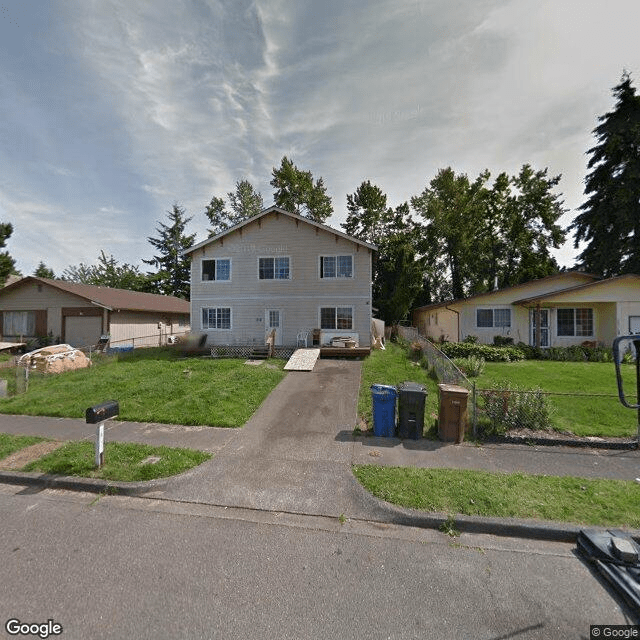
1314 East 61 Street, Tacoma, WA 98404
To contact a resident: (253) 225-4115
For more information about senior living options: (866) 208-4318
Gandy Adult Family Home Costs & Pricing
Gandy Adult Family Home offers a premium living experience with its monthly costs significantly exceeding the average rates in both Pierce County and the broader state of Washington. For a private room, Gandy charges $9,999, which is notably higher than the county's average of $4,623 and the state's average of $4,772. Similarly, the cost for a semi-private room at Gandy matches this premium pricing at $9,999, compared to Pierce County's average of $4,264 and Washington state's average of $4,267. This substantial difference in costs may reflect enhanced services, personalized care options, or exceptional amenities provided by Gandy Adult Family Home that cater to individuals seeking a higher standard of assisted living.
| Floor plans | Gandy Adult Family Home | Pierce County | Washington |
|---|---|---|---|
| Private | $9,999 | $4,623 | $4,774 |
| Semi-Private | $9,999 | $4,264 | $4,272 |
Senior living communities with a similar price nearby
-
from -$1499 / mo
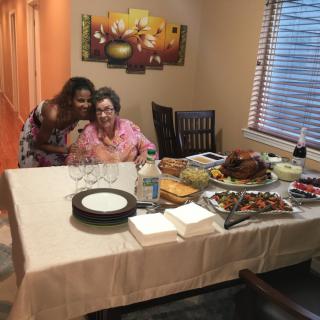
Blue Haven
$8,500 / month16.5 miles away -
from -$1599 / mo
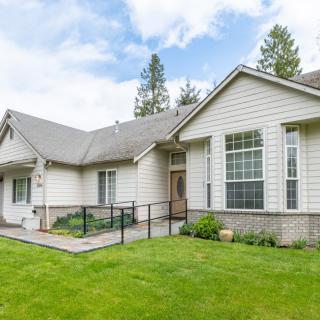
Lakota Hills Senior Care
$8,400 / month8.8 miles away -
About the same

Maple Creek of Lakewood
$10,000 / month5.9 miles away -
from -$1999 / mo
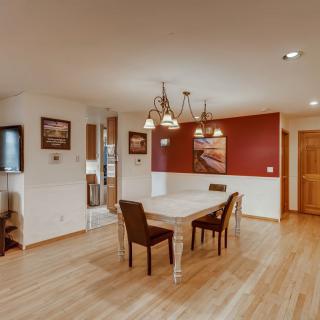
Golden Care
$8,000 / month17.7 miles away -
from -$1999 / mo

Gramma's House Inc
$8,000 / month17.2 miles away
Overall Review of Gandy Adult Family Home
Pros
 The AFH offers patient and loving care, making it a golden place for the golden years.
- The service is good.
- The home is nice, clean, and provides high-standard care.
- The environment is beautiful, calm, and homely, where residents find inner peace.
- The caregivers are truly golden.
- The home is a very clean, warm, and welcoming family home.
Review
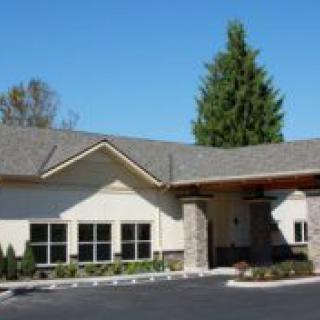
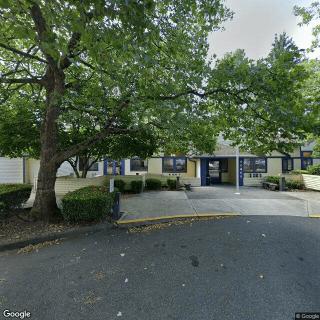
Gandy Adult Family Home in Tacoma, WA is best suited for seniors who prize a warm, home-like environment where daily life feels personal, predictable, and truly cared for. The setting is intimate rather than institutional, allowing caregivers to provide patient, consistent attention and a level of warmth that reinforces dignity and security. This community excels for those who want a quiet, peaceful living arrangement that supports daily routines, accessible help with activities of daily living, and a sense that a resident’s comforts come first, without the bustle and formality of larger facilities.
Families should consider alternatives if the priority is robust medical oversight, a wide range of on-site amenities, or specialized memory care. Residents requiring frequent skilled nursing, intensive on-site rehab, or a highly structured program with extensive social activities may be better served by a larger assisted living community or a dedicated memory-care setting. For those who expect round-the-clock clinical staff available for complex health needs or who desire a calendar packed with coordinated outings and programs, the intimate AFH model may feel restrictive.
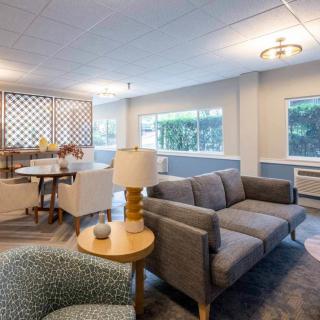
The strongest pros of Gandy AFH center on cleanliness, a calm atmosphere, and high-quality daily care delivered in a homey frame. The residence is described as clean, warm, and welcoming, with a sense of “inner peace” that comes from living in a space that feels like a true home rather than a facility. Caregivers are portrayed as patient and loving, capable of forming trustworthy relationships with residents, which translates into consistent routines, respectful interactions, and responsive support. For families seeking reassurance that their loved one will be treated with kindness, patience, and personal regard, these elements are meaningful and hard to replicate in larger settings.
These advantages offset the potential trade-offs typical of a smaller, family-style home in several practical ways. The intimate staff-to-resident dynamic enables more individualized attention, easier daily supervision, and quicker responsiveness to changes in mood or need. The non-institutional vibe tends to reduce anxiety and confusion for seniors, supporting better sleep, steadier behavior, and a sense of belonging. While the calendar of activities may be less expansive than those offered by bigger communities, the focused, personal care often yields higher emotional well-being, stronger resident–caregiver trust, and more meaningful daily interactions, outcomes that many families prioritize over breadth of activities.
Still, it pays to align expectations with the AFH model. Prospective residents should assess whether there is enough activity, stimulation, and social engagement to meet their loved one’s preferences, especially if they thrive on a bustling social life or require ongoing therapeutic services. Safety and accessibility features deserve careful verification, along with clear communication channels for families to participate in care planning. The positive character of the reviews implies receptive staff and a resident-centered atmosphere; confirming consistence across shifts and the availability of emergency support can ensure that the emotional benefits are matched by practical reliability.
Bottom line: for families prioritizing a deeply homelike, clean, and emotionally supportive environment, Gandy Adult Family Home stands out as a compelling option in Tacoma. It is especially well-suited for seniors who value steady routines, personal attention, and a sense that caregivers truly see them as individuals worthy of comfort and respect. If the resident’s needs tilt toward intensive medical oversight, a broad activity program, or specialized memory-care services, it is wise to explore larger assisted living or memory-care communities where those specific capabilities are foundational. This AFH offers a high likelihood of genuine warmth and serene daily living for the right fit.
 Board and Care Home
 Cats allowed
 Dogs allowed
 Activities off-site
 Bath tubs
 Devotional services off-site
 Indoor common areas
 Outdoor common areas
 Private
 Private bathrooms
 Seattle-Tacoma International (18 miles away)
 Ambulatory care
 Diabetic care
 Incontinence care
 Meals provided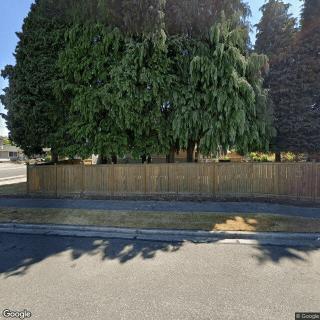
 Seniors and Modern Transportation: Exploring Uber, Lyft, and Other Ride-Hailing Options
 Comprehensive Guide to Qualifying for Home Health Care Services
 Powerful Realities of Elder Abuse and the Most Effective Ways to Report It