
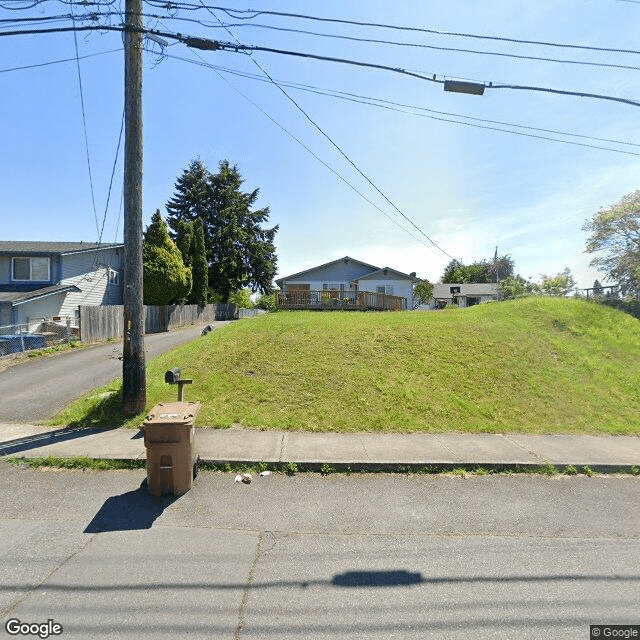
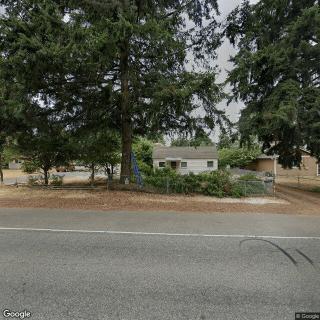
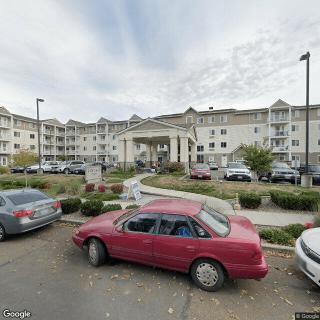
1016 South 92nd Street, Tacoma, WA 98444
To contact a resident: (253) 539-4520
For more information about senior living options: (866) 208-4318
Hermie's AFH III Costs & Pricing
Hermie's AFH III offers competitive pricing for its living arrangements compared to the broader market in Pierce County and the state of Washington. For a semi-private room, residents find that Hermie's charges $3,500 per month, which is significantly lower than both the county average of $4,264 and the state average of $4,267. Similarly, the cost of a private room at Hermie's AFH III is set at $4,000, again providing a more affordable option compared to Pierce County's average of $4,623 and Washington's average of $4,772. This pricing strategy positions Hermie's as an attractive alternative for those seeking quality care without straining their finances.
| Floor plans | Hermie's AFH III | Pierce County | Washington |
|---|---|---|---|
| Semi-Private | $3,500 | $4,264 | $4,272 |
| Private | $4,000 | $4,623 | $4,774 |
Senior living communities with a similar price nearby
-
from -$500 / mo
Hummingbird Homecare
$3,000 / month11.5 miles away -
from +$500 / mo

Riverton Home Care
$4,000 to $5,000 / month22.2 miles away -
from +$500 / mo
Canterwoods Estate AFH
$4,000 to $5,500 / month21.0 miles away -
from -$500 / mo
Home Care in Kent Inc.
$3,000 to $3,500 / month18.6 miles away -
from +$500 / mo
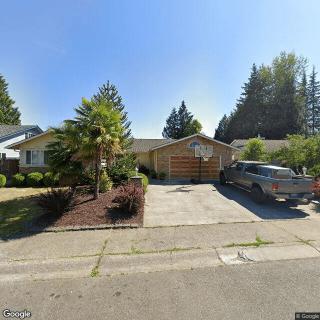
Gentle Care Home
$4,000 to $5,500 / month24.3 miles away
Overall Review of Hermie's AFH III
Pros
 Marina welcomed the mom from day one, making the transition smooth and comforting.
- Harbor Ridge is a warm, compassionate environment that truly prioritizes residents.
- The home is bright, meticulously clean, and full of light, with lovely gardens outside.
- Marina and Ben are knowledgeable, attentive caregivers who communicate clearly.
- The family feels welcomed and part of a larger, loving community during visits.
- Harbor Ridge offers healthy, home-cooked meals and personalized care.
- The house is spotless, cozy, and well maintained, with residents enjoying social time.
- The staff manages health needs well, such as diabetes, in a clean and loving environment.
- Harbor Ridge AFH is described as an answer to prayers, providing peace of mind and a sense of family.
Cons
 Mom had been a resident at two different memory care units at larger facilities nearby that were impersonal and chaotic.
- Before coming to Harbor Ridge AFH, Dad had been in two large facilities and got lost in the shuffle.
Review
This Tacoma community is best suited for families seeking a small, home-like setting where memory-care needs can be met with hands-on, personalized attention and a genuine sense of family. It works well for residents who thrive on daily warmth, routine, and the feeling of being part of a household rather than a facility. Those who require extensive clinical oversight, rigid medical protocols, or widespread, formal programming may want to consider alternatives. The strongest fit is a resident who benefits from intimate staffing, consistent caregiver relationships, and the comfort of a bright, private space shared with a few companions rather than a large, impersonal campus.
The most compelling strengths are the warmth and accessibility of care. From arrival, the environment projects welcome and stability: a clean, bright, and airy home setting that feels more like a well-loved residence than a care institution. Meals are prepared with care, and daily life is anchored by attentive caregivers who treat residents as family members. Family members consistently note the openness of communication, with staff who are available to answer questions and address concerns in a timely manner. The sense of belonging is reinforced by visible affection and normal family rituals, including frequent visits, which helps residents stay anchored in familiar routines.
Care that centers on individual needs stands out in several concrete ways. Residents reportedly enjoy social time in common spaces, with opportunities to engage in conversation, light activities, and shared meals that reinforce dignity and purpose. The physical upkeep, the home’s cleanliness, attention to grooming, and tidy rooms, contributes to a calm, respectful atmosphere that supports self-esteem. For families managing chronic conditions, the ability to count on steady day-to-day management, such as diabetes oversight and consistent medication routines, provides a reassuring layer of stability. The home environment also tends to be close to family members, making regular visits practical and emotionally sustainable.
Where the approach shines, it also reveals its limits. The core advantage, a highly personalized, cottage-like care model, comes with tradeoffs in scale and clinical reach. The setting relies on a small team led by owners who are deeply invested in each resident, which can mean fewer on-site clinicians and less access to the wide array of therapies and rapid escalation options common in larger facilities. This is not a match for families needing around-the-clock nursing oversight, comprehensive specialty services, or highly structured dementia programming that spans multiple shifts. The upside is precisely the intimate, predictable rhythm; the downside is that medical intensity and rapid decision-making may depend more on the family’s involvement and the home’s established network.
For families choosing between options in Tacoma, the decision hinges on resident needs and family priorities. If the goal is a comforting, homelike atmosphere where the resident is treated as a cherished member of the household, Harbor Ridge-style homes excel and can deliver peace of mind that’s hard to match in larger settings. If the resident’s care plan requires extensive 24/7 clinical nursing, frequent care transitions, or aggressive dementia interventions, it makes sense to explore facilities with bigger clinical staffs and formalized programming. Prospective families should verify staffing patterns, access to licensed nursing, and the care plan review process, while also gauging how a home’s culture aligns with the resident’s personality and preferences.
Ultimately, Harbor Ridge-type arrangements present a compelling option for those who value intimate, personalized care delivered in a bright, clean, and welcoming home. They are distinctly well-suited for memory-care needs within a family-centric framework, where communication is open, meals are nourishing, and residents appear to flourish in a small, respectful community. This is not a one-size-fits-all solution, but for families prioritizing trust, continuity, and a living-room atmosphere over institutional formality, it stands out as a very strong choice in Tacoma.
 Board and Care Home
 Activities off-site
 Bath tubs
 Beautician on-site
 Devotional services off-site
 Indoor common areas
 Outdoor common areas
 Private
 Respite or short term stays offered
 Wheelchair accessible showers
 Seattle-Tacoma International (20 miles away)
 Diabetic care
 High acuity care
 Incontinence care
 Medication management
 Kosher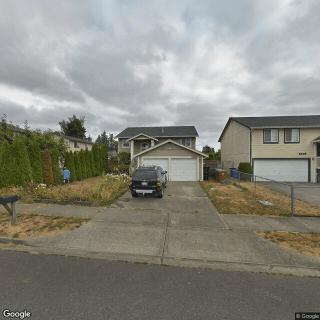

 Understanding Hospice Care at Home: Comprehensive Services, Key Benefits, and Eligibility
 Understanding the Full Cost of 24/7 In-Home Care: A Detailed Overview
 Exploring the World of Home Health Nurses: Qualifications, Roles, and Hiring Tips