
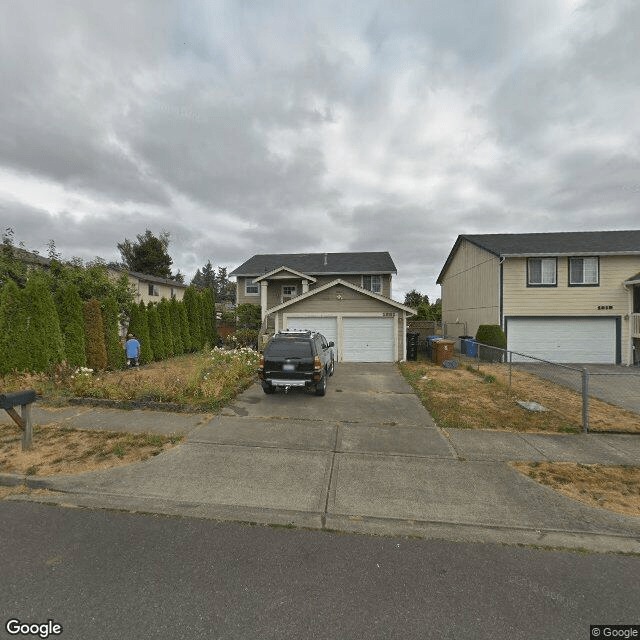
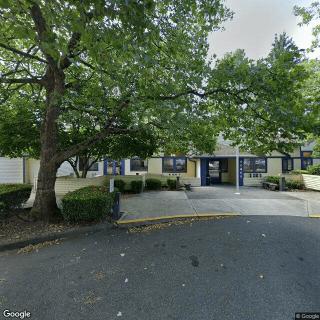
1321 South 90th Street, Tacoma, WA 98444
To contact a resident: (253) 539-4520
For more information about senior living options: (866) 208-4318
Hermie's AFH II Costs & Pricing
At Hermie's AFH II, the monthly costs for both private and semi-private rooms stand at $4,000, positioning it competitively within the financial landscape of Pierce County and the broader state of Washington. In comparison, the average cost for a private room in Pierce County is approximately $4,623, while the state average reaches $4,772. Similarly, for semi-private accommodations, Hermie's rates are notably more affordable than the county's average of $4,264 and marginally lower than the state's rate of $4,267. These figures highlight Hermie's AFH II as an attractive option for those seeking quality care without straining their budget.
| Floor plans | Hermie's AFH II | Pierce County | Washington |
|---|---|---|---|
| Private | $4,000 | $4,623 | $4,774 |
| Semi-Private | $4,000 | $4,264 | $4,272 |
Memory care communities with a similar price nearby
-
About the same

Riverton Home Care
$4,000 to $5,000 / month22.1 miles away -
About the same
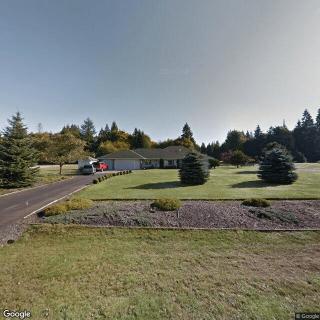
Canterwoods Estate AFH
$4,000 to $5,500 / month21.0 miles away -
About the same
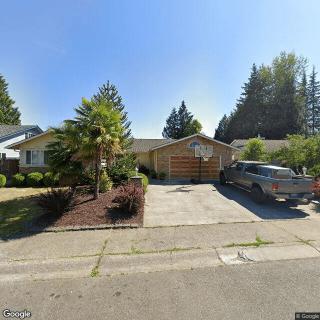
Gentle Care Home
$4,000 to $5,500 / month24.3 miles away -
from -$500 / mo

Twin Lakes Haven Adult Family Home
$3,500 to $8,000 / month10.6 miles away -
from -$500 / mo
Ahadi Care Adult Family Home
$3,500 to $4,000 / month9.0 miles away
Overall Review of Hermie's AFH II
Pros
 The home feels like a real home—personal, intimate, and fully attentive to each resident.
- It decorates for each season and gives small gifts, reflecting thoughtful care.
- Nadiya is evident in the residents’ care and is also noted as a great cook.
- The environment is loving, family-like, and spiritually oriented.
- The staff provide attentive medical care along with nourishment for the heart and soul, including socialization, music, and activities.
- The Spinus are described as a special, loving family who treat residents as their own in a spotless, comfortable setting.
- Nadea is a strong communicator who keeps excellent medical records and coordinates with other providers.
- Families would recommend the home without hesitation.
Review
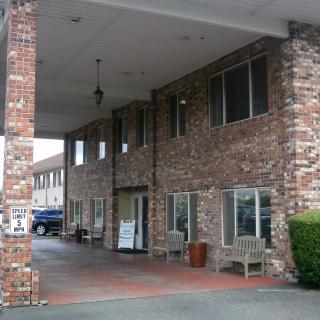
Hermie's AFH II in Tacoma is best suited for seniors who crave a truly home-like, family-run environment where caregivers know residents well, celebrate seasons, and provide meals cooked with care. The vibe is intimate and personalized, with staff consistently engaging residents through music, dancing, and meaningful interactions. The home atmosphere is felt in the décor and routines, and the care team, led by Nadia, demonstrates a genuine commitment to treating residents as members of a close-knit family. This is the kind of setting where a resident’s day revolves around warmth, familiarity, and steady, personable attention rather than institutional formality.
This community will appeal most to families seeking spiritual warmth alongside practical care. The Christian, Spirit-filled tone emerges as a defining feature, and families repeatedly note that loved ones feel included, cherished, and part of a caring circle rather than a transaction. If faith and family-like connections are priorities, Hermie's AFH II delivers with consistency. Those who value open communication and transparent, personal updates will find the partnership with caregivers especially reassuring, given the reported reliability in sharing medical and daily-life information.
On the positive side, the strongest draws are the pros that translate into daily life: a true sense of belonging, high caregiver attentiveness, and a rich social calendar. Residents enjoy regular socialization, music, and seasonal activities that keep life vibrant rather than clinical. The home also shines in practical, hands-on care, nutritious cooking, reliable supervision, and a clean, cozy environment that invites residents to linger in common spaces as well as visit private rooms. The staff’s willingness to accommodate preferences and provide affectionate, individualized attention stands out, and the role of Nadia as a steady, capable communicator helps families feel connected and informed about day-to-day well-being.
Where the discussion must acknowledge trade-offs, the primary consideration is scale. An adult family home like Hermie's AFH II naturally operates on a smaller footprint than larger assisted living communities, which means fewer on-site medical resources and a more limited roster of high-level therapies or specialized memory-care programming. Yet these constraints are precisely what generate the upside: care that is intimate and tailored, with staff who know each resident’s rhythms, routines, and needs. For families managing complex medical regimens or requiring round-the-clock clinical oversight, the advantages of a larger, more clinical setting may outweigh the warmth of a familial home. In short, the offset is a deliberate trade: highly personalized, emotionally supportive care versus broad-scope clinical services.
When evaluating this option, prospective families should test a few practical questions during visits. Observe how staff interact with residents, whether conversations feel sincere and respectful, and whether residents’ natural preferences are honored in daily routines. Taste the cooking, note the cleanliness and comfort of living spaces, and ask about how care plans are documented and updated, including communications with external medical providers. Inquire about how activities are scheduled, who coordinates outings or worship services, and how seasonal or cultural traditions are incorporated. It’s also wise to discuss transportation, emergency response, and the ease of inviting family into the home environment, elements that reinforce the sense of belonging that defines Hermie's AFH II.
Ultimately, this community is a strong fit for families seeking a heartfelt, faith-centered, home-like living arrangement where caregivers know residents intimately and create daily life around connection, affection, and meaningful activity. It is less suited for those whose loved one requires extensive clinical staffing, advanced medical equipment, or the wide-ranging programming typical of larger facilities. For seniors who prioritize emotional nourishment, personal attention, and a sense of family, Hermie's AFH II offers a rare blend of warmth and reliability. In practical terms, it’s a compelling choice when the goal is to preserve dignity, foster joy, and keep everyday life deeply human.
 Board and Care Home
 Memory Care
 Activities off-site
 Beautician on-site
 Devotional services off-site
 Indoor common areas
 Outdoor common areas
 Private
 Seattle-Tacoma International (20 miles away)
 Ambulatory care
 Diabetic care
 High acuity care
 Incontinence care
 Medication management
 Meals provided

 22 Remarkable Caregiver Support Groups Available Online and In-Person
 Understanding Medicaid Coverage for Assisted Living: A Comprehensive Guide
 How and When Medicaid May Cover Assisted Living Costs