
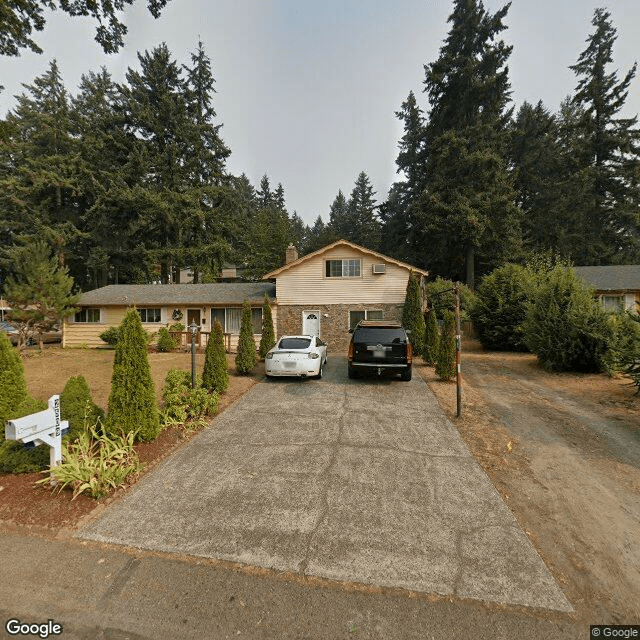
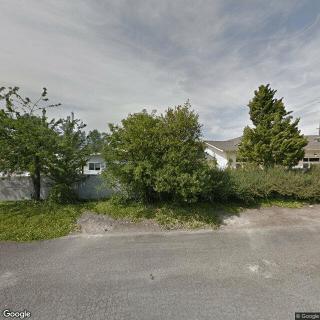
2509 91st Ave S, Lakewood, WA 98499
To contact a resident: (253) 589-8461
For more information about senior living options: (866) 208-4318
Ivy Manor AFH Costs & Pricing
Ivy Manor Adult Family Home offers competitive pricing for its residents, with semi-private rooms available at $4,000 per month, which is slightly lower than the average costs in Pierce County and across Washington state, currently at $4,264 and $4,267 respectively. Additionally, the private room option at Ivy Manor is priced at $4,500, also more affordable compared to the county's average of $4,623 and the state's average of $4,772. This positioning makes Ivy Manor an attractive choice for families seeking quality care that balances affordability with comfort in a supportive environment.
| Floor plans | Ivy Manor AFH | Pierce County | Washington |
|---|---|---|---|
| Semi-Private | $4,000 | $4,264 | $4,272 |
| Private | $4,500 | $4,623 | $4,774 |
Senior living communities with a similar price nearby
-
About the same

Riverton Home Care
$4,000 to $5,000 / month22.5 miles away -
About the same

Canterwoods Estate AFH
$4,000 to $5,500 / month20.3 miles away -
About the same
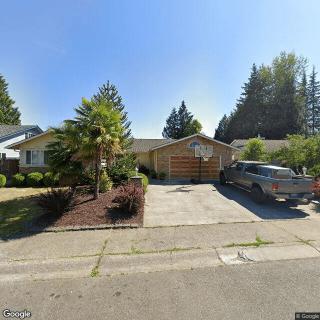
Gentle Care Home
$4,000 to $5,500 / month24.9 miles away -
from -$500 / mo

Twin Lakes Haven Adult Family Home
$3,500 to $8,000 / month11.1 miles away -
from -$500 / mo
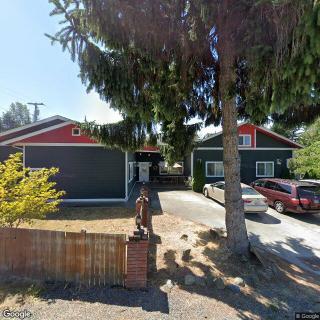
Valley Home Care
$3,500 / month22.4 miles away
Overall Review of Ivy Manor AFH
Pros
 The facility is clean and well suited for adult home care.
- The staff at Ivy Manor is very friendly and accommodating and provides tours of the facility.
- The visitors were glad they had the opportunity to visit Ivy Manor.
- Ivy Manor has been very good overall, with a great staff.
- The location near the I-5 freeway is convenient.
Cons
 The place is a bit worn down in parts.
- There are a few areas where Ivy Manor could improve.
- There was no answer when the doorbell was rung, and no one answered the telephone.
Review
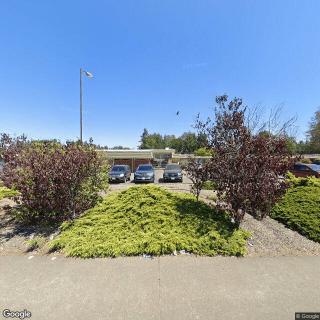
Ivy Manor AFH in Lakewood is best suited for families seeking a small, home-like care arrangement where caregivers live on-site and participate directly in day-to-day support. It works for seniors who don’t require round-the-clock medical nursing yet want a warm, attentive environment and a level of continuity that a family-run setting tends to provide. The upstairs living quarters for the family caregivers reinforce a personal touch and rapid responsiveness, which many residents find reassuring. Those who prize quiet, clean surroundings and familiar routines over glossy common areas will feel at home here. However, for residents who demand formal nursing oversight, standardized routines, and a broader array of on-site amenities, this model is unlikely to meet those expectations.
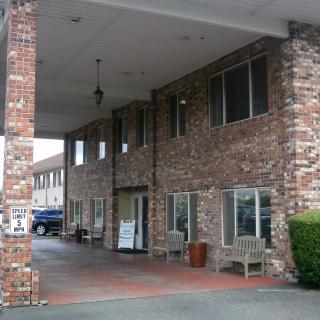
Strengths center on the warmth of the caregiving team and the practical, home-like setting. Visitors describe the staff as friendly and accommodating, and the facility itself is kept clean and orderly, attributes that matter when daily living depends on trust and comfort. The two-story layout, with clients downstairs and the family-owners upstairs, creates a transparent caregiving dynamic in which the family can respond quickly to needs. The location near I-5 offers convenient access for family visits or physician appointments. For some inquiries, a semi-private room was noted at around $3,000, hinting at a potential cost advantage compared with more formal facilities, though pricing can vary with services and room size.
On the downside, several red flags emerge. The facility shows signs of wear in certain areas, suggesting maintenance and updates may lag behind what some families expect for long-term residence. The caregiving model itself is a primary caveat: care depends heavily on the family’s time and availability, which can create gaps if schedules conflict or if part-time caregiving is relied upon. Responsiveness can be inconsistent, with reports of doors or phones going unanswered. The upstairs residence for caregivers also raises questions about boundaries, privacy, safety, and the degree of professional oversight present in daily operations. These are meaningful considerations for families evaluating risk versus comfort.
Yet the positives narrow the impact of the negatives in practical ways. A clean, quiet indoor environment paired with highly engaged staff can translate into reliable routines and personal attention that larger facilities sometimes struggle to deliver. The intimate setting often enables more flexible scheduling, quicker problem-solving, and a sense of being known by name rather than by a room number. For budget-conscious families, there may be perceived cost savings when family members shoulder caregiving duties. In this context, the genuine warmth of the team and the home atmosphere can offset some operational inefficiencies, but not all expectations about professional staffing and consistent responsiveness.
Families who require predictable, professional staffing around the clock, robust medical oversight, or specialized care, such as memory care or complex medication management, should look elsewhere. Larger assisted living communities or certified adult family homes with licensed staff and formal policies typically provide better coverage, documented care plans, and more structured activities. If privacy, clear boundaries between home life and caregiving, and consistent, responsive communication are priorities, exploring other options may prevent future frustration. Ivy Manor serves a niche, and the match depends on tolerance for intimate, family-driven care versus the reassurance of a more formal operation.
For those who decide to pursue Ivy Manor, approach with a practical checklist: tour with specific questions about staffing coverage and on-site supervision, request to meet the caregiver family, review a current care plan, and confirm emergency procedures and licensing status. Ask for recent references and, if possible, observe a routine day to gauge responsiveness and safety. If these criteria align with what is valued, personalized, low-key, home-like care at a potentially lower price, Ivy Manor can be a viable fit. If not, proceed to more conventional assisted living options that deliver steadier professional oversight and predictable service.
 Board and Care Home
 Activities off-site
 Bath tubs
 Beautician on-site
 Devotional services off-site
 Indoor common areas
 Private
 Respite or short term stays offered
 Wheelchair accessible showers
 Seattle-Tacoma International (20 miles away)
 Ambulatory care
 Diabetic care
 High acuity care
 Incontinence care
 Medication management
 Meals provided


 8 Essential Assistive Devices for Older Adults
 Navigating the Financial Road to Nursing Home Care: In-Depth Guidance and Resources
 Supportive Employee Benefits That Help Caregivers Attain Better Work-Life Harmony