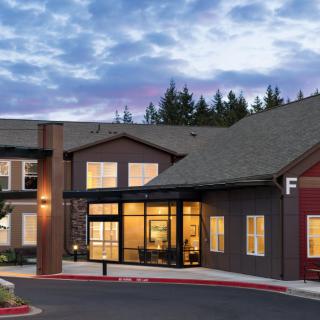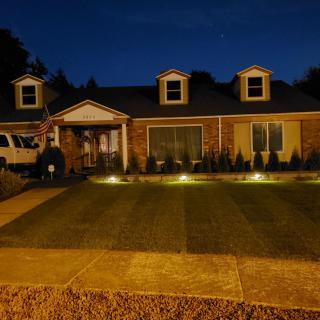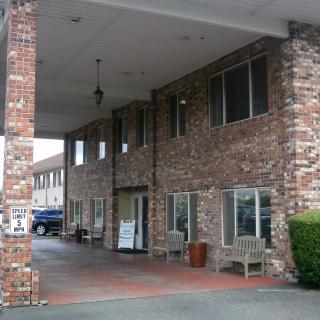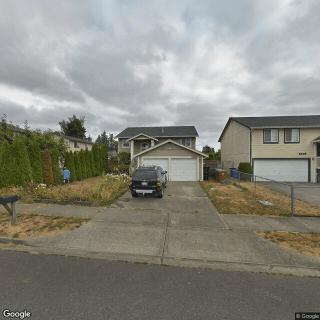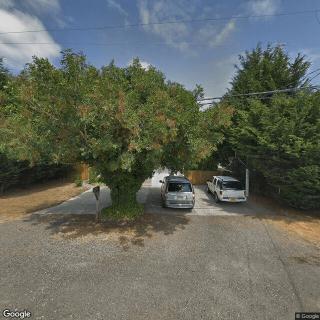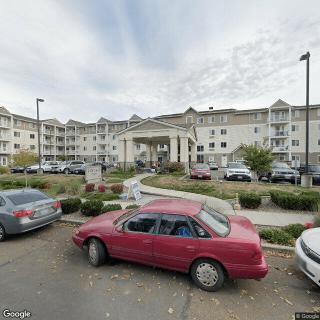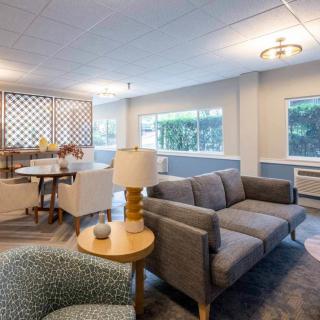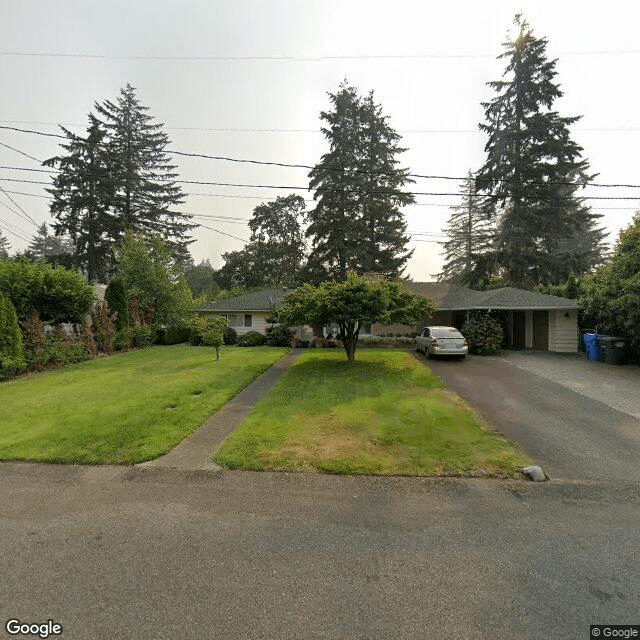
Grace Garden in Lakewood, WA

Save
Grace Garden

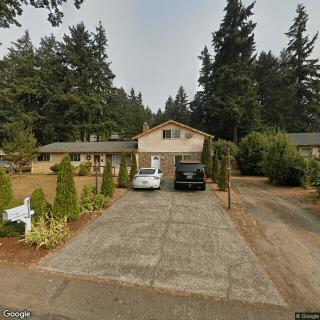
Grace Garden in Lakewood, WA

9029 Carol Avenue South, Lakewood, WA 98499

For more information about senior living options: (844) 490-3973

4.4 from 5 reviews
5 stars
2
4 stars
3
3 stars
0
2 stars
0
1 stars
0

Board and Care Home Memory Care

Grace Garden Costs & Pricing

At Grace Garden, the monthly costs for various room types reflect our commitment to providing premium care and comfort. For a semi-private room, residents can expect to pay $4,500, which is slightly above the average rates in Pierce County and Washington state, both of which range around $4,264 to $4,267. Similarly, our private accommodations are priced at $6,000, surpassing the county's average of $4,623 and the state's $4,772. The same pricing applies to our one-bedroom units. While these figures may be higher compared to other local options, they signify the exceptional quality and comprehensive services we offer at Grace Garden.

Floor plansGrace GardenPierce CountyWashington
Semi-Private$4,500$4,264$4,272
Private$6,000$4,623$4,774
1 Bedroom$6,000$4,456$4,634

Overall Review of Grace Garden

Pros

  • pro The staff were nice and friendly.
  • pro The care provided was excellent and all needs were met.
  • pro They did everything they could to make her comfortable.
  • pro Katie was outstanding.
  • pro The facility was pleasant and clean.
  • pro The home is well equipped for handicapped persons.

Cons

  • pro The community felt too sterile and lacked a welcoming or homey atmosphere.
  • pro It was too quiet and lacked personality for her.
  • pro Despite friendly staff, residents were not seen in the common areas, suggesting limited social interaction.
  • pro The hallways to the bathroom were cramped.
  • pro The floors were not completely level, which could pose a problem.
  • pro The room was a little small.

Review

Grace Garden in Lakewood is best suited for seniors who need steady, hands-on support and end-of-life or high-need care delivered in a clean, safety-forward setting. The community excels in nursing oversight, with a nurse available when needed and a care team capable of coordinating with major insurers such as UnitedHealthCare and Molina. For families, the appeal rests in a predictable, all-inclusive rate around $4,500 for total care, paired with accessibility-focused design and rooms that offer outdoor patios. This combination makes Grace Garden a practical choice for those who prioritize medical reliability, clear care planning, and straightforward budgeting over a warm, homey vibe.

However, those who crave a warm, bustling, home-like atmosphere should consider alternatives. Several reviewers describe the environment as almost sterile and quiet, with little resident interaction in the common areas. If daily social engagement, active activity calendars, and a sense of neighborhood life are non-negotiable, Grace Garden may feel distant or impersonal. Additionally, the layout can feel cramped, with hallways and room sizes that may limit movement and furniture arrangement, a factor for residents who value a more expansive, comfortable living space.

On the upside, the strongest pro is the quality of care, especially in hospice scenarios. A family member spoke highly of hospice care, noting comfort and confidence in the staff's ability to manage difficult moments. Another review highlighted attentive, friendly staff and a consistently clean facility, reinforcing confidence in day-to-day operations. The combination of professional nursing, accessible healthcare providers, and a dedicated hospice posture creates a compelling value for families facing substantive medical needs, where the goal is reliable support rather than resort-like amenities.

The cost argument is not trivial either. At roughly $4,500 for total care, Grace Garden presents a transparent, manageable price point for the level of service offered, particularly when insurance coordination and nurse availability are factored in. The facility's compatibility with insurers, plus the presence of a nurse on call, helps reduce friction around ongoing treatment and medication management. For residents who require hands-on supervision and quick access to medical input, the financials line up with the practical realities of high-acuity care, making the financial aspect easier to justify to family decision-makers.

Yet the design and atmosphere limitations remain meaningful. The most cited drawback is the atmosphere's sterility and quietness, which can dampen motivation for residents to socialize or linger in common spaces. The physical footprint - small rooms and narrow hallways, with some concern about level flooring - may pose daily usability and safety questions for mobility-limited residents. These factors do not negate the quality of clinical care, but they do tilt the decision toward families who prize warmth, engagement, and more generous living space.

For families weighing Grace Garden, the prudent approach is to match the decision to the resident's care priority. If dependable, nurse-led care with strong hospice capabilities, clear pricing, and insurer integration are paramount, Grace Garden delivers with proven effectiveness. If a vibrant, home-like, socially active setting is non-negotiable, or if larger, more open living areas are essential, alternatives should be explored. Practical next steps include visiting at different times to observe activity levels, requesting information on room size options, and confirming how insurance and nursing support would apply to the anticipated care plan. In the right scenario, Grace Garden is a solid, low-fuss choice for structured care and medical reliability; the fit hinges on tolerance for a quieter, more clinical ambiance in exchange for dependable services.

Features

Types of Care

  • Board and Care Home Board and Care HomeBoard and care homes provide a smaller, more intimate setting for seniors who require assistance with daily tasks but do not need the level of care offered by a nursing home. They offer personalized care, meals, and social activities in a homelike environment, ensuring that seniors receive individualized attention and support in their golden years.
  • Memory Care Memory CareMemory care is crucial for seniors as it provides specialized support and services for individuals with dementia or Alzheimer's disease. These programs offer a safe and secure environment where residents receive personalized care, cognitive stimulation, and help with daily activities. Memory care helps seniors maintain their independence, quality of life, and dignity while also providing peace of mind for their families.

Pets

  • Dogs allowed Dogs allowed"Pet friendly" senior living communities are important for seniors because pets provide companionship, reduce feelings of loneliness and depression, promote physical activity and mental stimulation, and offer a sense of purpose and responsibility. Pets can improve overall well-being and quality of life for seniors in many ways.

Amenities

  • Activities off-site Activities off-siteEngaging in off-site activities is crucial for seniors to maintain social connections, stay active, and stimulate their minds. It promotes overall well-being and helps combat feelings of isolation and loneliness.
  • Activities on-site Activities on-siteActivities on-site are important for seniors because they provide opportunities for socialization, mental stimulation, physical activity, and overall well-being. Engaging in activities can help seniors stay active, maintain their independence, and improve their quality of life.
  • Air-conditioning Air-conditioningAir conditioning is important for seniors as they are more vulnerable to heat-related illnesses and may have underlying health conditions that make it difficult for them to regulate their body temperature. It helps to keep them comfortable, safe, and healthy in hot weather.
  • Cable or satellite TV Cable or satellite TVCable or satellite TV is important for seniors because it provides entertainment, news, and companionship, helping to combat loneliness and boredom. It also offers a wide range of programming options tailored to different interests and preferences.
  • Devotional services off-site Devotional services off-siteDevotional services off-site are important for seniors as they provide spiritual nourishment, social engagement, and a sense of community outside of the senior living facility. This can enhance overall well-being and help combat feelings of isolation and loneliness often experienced by older adults.
  • Devotional services on-site Devotional services on-siteDevotional services on-site provide seniors with spiritual support and a sense of community, as well as an opportunity for reflection and guidance during their senior living experience. This can promote emotional well-being and connection to others, leading to a more fulfilling and enriching lifestyle in their later years.
  • Full kitchen Full kitchenHaving a full kitchen in a senior living facility is important for seniors because it allows them to maintain their independence and prepare their own meals. This promotes healthy eating habits, saves money on dining out, and provides a sense of familiarity and comfort for residents.
  • Ground floor units Ground floor unitsGround floor units are important for seniors because they provide easy accessibility, reduced risk of falls and injuries, and convenience for those with mobility issues. Seniors can avoid climbing stairs or using elevators, making daily tasks and activities more manageable and enjoyable.
  • Indoor common areas Indoor common areasIndoor common areas are crucial for seniors as they provide a space for socialization, recreation, and community engagement, promoting overall well-being and reducing feelings of isolation and loneliness.
  • Kitchenette KitchenetteKitchenettes are important for seniors living in senior living communities because they provide the convenience and independence of being able to prepare simple meals and snacks in the comfort of their own living space. This can help promote a sense of autonomy and well-being for seniors, allowing them to maintain some level of control over their dietary choices and daily routines.
  • Outdoor common areas Outdoor common areasOutdoor common areas are important for seniors as they provide a space for socialization, physical activity, and relaxation. Being outside in nature can improve mood and overall well-being, while also encouraging movement and engagement with others. These spaces can help combat feelings of isolation and promote a sense of community among residents.
  • Private PrivatePrivacy is important for seniors as it allows them to maintain their independence, dignity, and sense of control over their own lives. It also gives them the space and freedom to relax, reflect, and engage in activities that bring them joy and fulfillment. Creating private spaces within senior living facilities is crucial for promoting overall well-being and quality of life.
  • Respite or short term stays offered Respite or short term stays offeredRespite or short term stays provide seniors with a temporary solution when their regular caregiver is unavailable, offering them the opportunity to receive additional care and support during times of need, while also giving caregivers a chance to rest and recharge.
  • Wheelchair accessible showers Wheelchair accessible showersWheelchair accessible showers are crucial for seniors as they provide a safe and independent bathing option for those with mobility challenges. These showers help prevent falls and allow seniors to maintain their dignity and autonomy while ensuring they can bathe comfortably.
  • Wi-Fi/high-speed internet available Wi-Fi/high-speed internet availableWi-Fi/high-speed internet is important for seniors to stay connected with loved ones, access online resources, and participate in virtual activities to combat feelings of loneliness and isolation. It also allows them to easily manage healthcare needs, access entertainment, and engage in lifelong learning opportunities.

Transportation

  • Seattle-Tacoma International (20 miles away) Seattle-Tacoma International (20 miles away)

Care Services

  • Ambulatory care Ambulatory care"Ambulatory care services provide essential medical support and treatment to seniors without requiring hospitalization, allowing them to maintain their independence and quality of life while managing chronic conditions or receiving routine medical care."
  • Diabetic care Diabetic careDiabetic care is crucial for seniors as they are more susceptible to developing diabetes due to aging and other health conditions. Proper management of diabetes can help prevent complications such as heart disease, vision loss, and nerve damage, improving the overall quality of life for seniors in senior living communities.
  • High acuity care High acuity careHigh acuity care is important for seniors because it provides specialized medical attention and support for individuals with complex medical needs. This level of care ensures that seniors receive the appropriate treatment and assistance to maintain their health and quality of life as they age.
  • Incontinence care Incontinence careIncontinence care is essential for seniors to maintain their dignity, hygiene, and overall quality of life. By addressing incontinence issues promptly and effectively, seniors can enjoy a sense of independence and comfort in their daily activities.
  • Medication management Medication managementMedication management is crucial for seniors to ensure they are taking the right medications at the correct dosages and times. This helps prevent adverse drug interactions, reduces the risk of medication errors, and promotes overall health and well-being. Proactive management also allows for adjustments as needed based on changing health conditions or new prescriptions.

Dining

  • Gluten-free Gluten-freeGluten-free options are important for seniors as they are more prone to digestive issues and dietary sensitivities. Offering gluten-free meal choices in senior living communities can help improve their overall health and well-being.
  • International cuisine International cuisineInternational cuisine is important for seniors because it offers a variety of flavors, ingredients, and cultural experiences that can help keep their meals interesting and enjoyable. Trying new dishes can also stimulate the senses and provide different nutrients that contribute to overall health and well-being. Additionally, exploring international cuisine can bring back fond memories of travels or childhood experiences, making mealtime more nostalgic and fulfilling for seniors.
  • Low / no sodium Low / no sodiumLow/no sodium options are important for seniors because excessive sodium intake can lead to high blood pressure, heart disease, and other health issues commonly experienced by older adults. By choosing low/no sodium foods, seniors can better manage their health and reduce their risk of developing these conditions.
  • Meals provided Meals provided"Meals provided" are crucial for seniors in assisted living communities as it ensures they have access to nutritious, balanced meals without the stress of meal planning and preparation. This can help promote overall health and well-being for seniors who may have limited mobility or cognitive abilities.
  • No Sugar No SugarNo sugar diets are important for seniors because they can help prevent or manage chronic conditions such as diabetes, heart disease, and obesity. Sugar can also contribute to cognitive decline and inflammation in the body, so reducing sugar intake can lead to overall improved health and well-being in older adults.
  • Restaurant style dining Restaurant style diningRestaurant style dining is important for seniors as it offers them a social and enjoyable dining experience, promotes healthy eating habits, and provides personalized menu options to cater to their dietary needs and preferences. This type of dining setting can enhance their overall quality of life and create a sense of community within the senior living facility.
  • Room service Room serviceRoom service is important for seniors in a senior living community because it provides convenience and allows them to have their meals delivered directly to their room. This can be especially beneficial for seniors who may have mobility issues or difficulty accessing the dining area. Room service ensures that seniors are able to receive nutritious meals without having to navigate through the facility, allowing them to maintain their independence and overall well-being.
  • Vegetarian VegetarianA vegetarian diet is important for seniors because it can help lower the risk of chronic diseases, maintain a healthy weight, and provide essential nutrients needed for aging bodies. Additionally, plant-based diets are often easier on digestive systems and can contribute to overall well-being in older adults.

Activities

  • Art classes Art classesArt classes are important for seniors because they provide a creative outlet, improve cognitive function, reduce stress and anxiety, promote socialization, and enhance overall well-being and quality of life.
  • Brain fitness Brain fitnessBrain fitness is important for seniors as it helps to maintain cognitive function, memory, and overall mental well-being. Engaging in activities that challenge the brain can help prevent cognitive decline and promote a healthier, more fulfilling quality of life in older adults.
  • Cooking classes Cooking classesCooking classes are important for seniors as they provide opportunities for social interaction, enhance cognitive skills, promote healthy eating habits, and boost confidence in the kitchen.
  • Day trips and outings Day trips and outingsDay trips and outings are important for seniors as they provide opportunities for socialization, mental stimulation, physical activity, and a break from daily routines. These experiences can enhance overall well-being and quality of life for older adults living in senior communities.
  • Devotional activities offsite Devotional activities offsiteDevotional activities offsite are important for seniors because they provide social engagement, spiritual growth, and a sense of community outside of their living environment. This can improve overall well-being, mental health, and combat feelings of isolation or loneliness.
  • Devotional activities on-site Devotional activities on-siteDevotional activities on-site provide seniors with a sense of community, spiritual fulfillment, and emotional support, promoting overall well-being and a positive sense of purpose in their lives.
  • Live dance or theater performances Live dance or theater performancesLive dance or theater performances are important for seniors because they provide opportunities for socialization, mental stimulation, and emotional engagement. These performances can help combat feelings of isolation and loneliness, while also offering a sense of connection to the arts and culture. Additionally, watching live performances can bring joy and create lasting memories for seniors in their later years.
  • Live musical performances Live musical performancesLive musical performances can provide seniors with a sense of joy, nostalgia, and connection. Music has the power to evoke emotions and memories, improve mood and cognitive function, and foster social interaction among seniors. It can also serve as a form of therapy and stress relief for older adults, making it an important activity to include in senior living communities.
  • Protestant services Protestant servicesProtestant services are important for seniors because they provide spiritual nourishment, community support, and a sense of belonging. These services can help seniors connect with others who share their faith, find comfort and guidance in times of need, and maintain a sense of purpose and fulfillment in their later years.
  • Visiting chaplain or priest Visiting chaplain or priestHaving a visiting chaplain or priest at a senior living community is important for seniors because it provides spiritual support, comfort, and guidance during a time of life that can be challenging and uncertain. Their presence can help seniors feel connected to their faith, find peace of mind, and cope with the emotional and mental struggles they may face in their later years.

Description

Grace Garden is a welcoming and comfortable assisted living community located in Lakewood, WA. Our dedicated staff provides specialized memory care services for individuals with Alzheimer's disease or other forms of dementia.

Within our community, residents enjoy a variety of amenities designed to enhance their quality of life. They can participate in a range of stimulating activities right on-site, ensuring that they remain engaged and fulfilled. Our spacious indoor common areas provide ample space for socializing and relaxation, while the outdoor common areas offer opportunities for fresh air and enjoyment of nature.

Each resident's living quarters feature ground floor units that are wheelchair accessible, ensuring convenience and ease of mobility. Rooms are equipped with air-conditioning and cable or satellite TV for added comfort and entertainment. Additionally, we provide Wi-Fi/high-speed internet access to keep residents connected with their loved ones.

Our dining options cater to various dietary needs and preferences. The international cuisine served at our restaurant-style dining area ensures a diverse array of flavorful meals, including options for low/no sodium, no sugar, and vegetarian diets. Room service is also available for those who prefer to dine in the privacy of their own space.

We understand the importance of comprehensive care services, which is why we offer specialized support in medication management, diabetic care, high acuity care, and incontinence care. Our compassionate staff members are trained to handle these specific needs with utmost professionalism and compassion.

At Grace Garden, we believe that spiritual well-being is essential. We provide both devotional services on-site as well as opportunities for off-site devotional activities led by visiting chaplains or priests. Residents can also engage in brain fitness exercises to promote mental agility or participate in cooking classes to foster creativity.

Moreover, we prioritize residents' physical health by organizing day trips and outings to explore the surrounding area. They can also look forward to live dance or theater performances as well as musical concerts right within our community walls. Protestant services are offered regularly for those interested.

Our location in Lakewood offers convenience and accessibility, with several cafes, parks, pharmacies, physicians, restaurants, transportation options, places of worship, theaters, and hospitals in close proximity.

At Grace Garden, we are dedicated to providing exceptional care and creating a comfortable and engaging living environment for our residents.

Nearby Places of Interest

This section of Lakewood, Washington offers a variety of amenities and services that may appeal to those considering senior living. With several physicians, pharmacies, and hospitals in close proximity, residents can easily access healthcare services. There are also plenty of dining options, including family-friendly restaurants like Black Bear Diner and Olive Garden. For those who enjoy cafes, there are multiple Starbucks and Panera Bread locations nearby. Additionally, there are recreational spots like Ft. Steilacoom Park and the Off-Leash Dog Park for outdoor activities. The area is also well connected with public transportation options such as the Lakewood Station Sounder train. Overall, this part of Lakewood provides a convenient and diverse range of offerings for seniors looking to settle in the area.

Physicians

  • Hanmi General Medical Clinic (0.4 miles)
  • Liu Beth Beth Liu Md Lakewood (1.9 miles)
  • Group Health Hear Center (2.1 miles)
  • Pacific Medical Prosthetics and Orthotics (2.4 miles)
  • Cascade Eye & Skin Centers, PC (2.7 miles)
  • Maureen A. Mooney, MD (2.7 miles)
  • Oral Surgical Associates (3.2 miles)

Restaurants

  • Black Bear Diner Lakewood (0.8 miles)
  • McDonald's (0.9 miles)
  • Olive Garden (1.4 miles)
  • Hans's Place (1.7 miles)
  • Chick-Fil-A (1.8 miles)
  • Rush Bowls (1.9 miles)
  • Park Avenue Tavern (1.9 miles)

Pharmacies

  • Rite Aid (1.8 miles)
  • Walgreens (1.9 miles)
  • Walgreens (2.1 miles)
  • CVS Pharmacy (2.1 miles)
  • Highway 7 Recreational Marijuana Store (2.2 miles)
  • Walgreens (2.7 miles)
  • Walgreens (2.8 miles)

Transportation

  • Lakewood Station Sounder train (1.8 miles)

Cafes

  • Panera Bread (1.9 miles)
  • Panera Bread (2.9 miles)
  • Starbucks (3.3 miles)
  • Alfred's Cafe (5 miles)
  • Starbucks (5.1 miles)
  • Starbucks (5.2 miles)
  • Starbucks (5.4 miles)

Theaters

  • AMC Lakewood Mall 12 (2 miles)

Places of Worship

  • Iglesia Ni Cristo (2 miles)
  • St Mary's Catholic Church (3.3 miles)
  • Bethlehem Baptist Church (4 miles)

Parks

  • Conservation Park (3.4 miles)
  • Fort Steilacoom Off-Leash Dog Park (4 miles)
  • Ft. Steilacoom Park (4.1 miles)
  • Sheridan Park (4.4 miles)
  • Chambers Bay Park Playground (5.2 miles)

Hospitals

  • Child Study & Treatment Center (3.8 miles)
  • MultiCare (4.7 miles)
  • Va Hospital American Lake (5.5 miles)

Frequently Asked Questions

How much does it cost to live at Grace Garden in Lakewood, WA?
Where is Grace Garden?
Does Grace Garden provide care for residents with dementia or Alzheimer's disease?

Nearby Communities

  • Ivy Manor AFH

    Ivy Manor AFH

    Lakewood, WA

    2.8 from 6 reviews
    $4,000 to $4,500 / month

    pro Clean, peaceful environment with friendly, accommodating staff.

  • Josephine Manor

    Josephine Manor

    Lakewood, WA

     
    $2,000 / month

    pro Very affordable memory care at $2,000 per month, lower than Pierce County and state averages.

  • Tacoma Nursing And Rehabilitation Center

    Tacoma Nursing And Rehabilitation Center

    Tacoma, WA


    pro 24/7 care with medication management and extensive amenities.

  • Charlton Place

    Charlton Place

    Tacoma, WA

    3.4 from 11 reviews
    $2,245 to $3,245 / month

    pro Spacious, well-maintained rooms with friendly staff and quality dining.

  • Hermie's AFH II

    Hermie's AFH II

    Tacoma, WA

    5 from 5 reviews
    $4,000 / month

    pro Affordable memory care with on-site activities and comprehensive care services.

  • Trinity Alliance Adult Family Home

    Trinity Alliance Adult Family Home

    Tacoma, WA

    5 from 5 reviews
    $3,000 / month

    pro Competitive memory care pricing at $3,000 per month.

  • The Oaks At Lakewood

    The Oaks At Lakewood

    Tacoma, WA

    4.2 from 80 reviews
    $5,850 to $6,300 / month

    pro Extensive amenities and active programs; convenient location

  • Vintage at Tacoma

    Vintage at Tacoma

    Tacoma, WA

    3.1 from 100 reviews
    $755 to $900 / month

    pro Long-term resident engagement with pet-friendly amenities and on-site services.

  • The Village Senior Living

    The Village Senior Living

    Tacoma, WA

    4.1 from 80 reviews
    $2,650 to $5,750 / month

    pro Improved care and services under new management, with better meals, engaging activities, and a welcoming atmosphere.

Related Resources

  • can you die from dementiaAre Dementia and Alzheimer's Disease Lethal? A Comprehensive Exploration

    Dementia, including Alzheimer’s disease, is often mischaracterized in terms of lethality as it leads to complications that can be fatal rather than being a direct cause of death; it causes a progressive decline in cognitive and physical health, making patients vulnerable to infections and other health crises. Effective management of nutrition, hydration, and communication is crucial in patient care, with palliative care becoming vital in advanced stages to enhance comfort and quality of life while caregivers play a key role amidst the challenges posed by the disease.

  • reminiscence therapyExploring the Power of Reminiscence Therapy for Individuals With Dementia

    Reminiscence therapy helps individuals with dementia recall past memories through structured discussions and meaningful objects, enhancing mood, relationships, and sense of identity while celebrating their lives. It can be practiced in formal settings or at home, requiring sensitivity to personal histories and cultural backgrounds.

  • reminiscence therapyAn In-Depth Look at Reminiscence Therapy in Dementia Care

    Reminiscence therapy is a structured method for older adults, especially those with dementia, to share life stories using prompts and sensory cues, fostering emotional well-being, social engagement, and self-identity. It aims to improve quality of life by enhancing interpersonal connections and cognitive stimulation while requiring careful facilitation to avoid distressing memories.