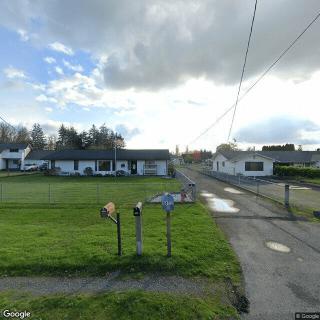
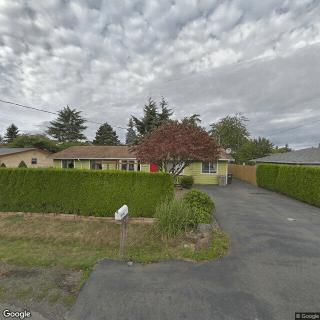
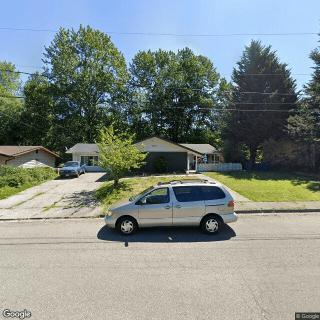
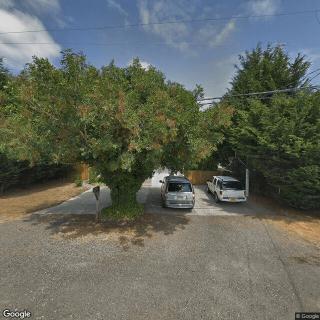
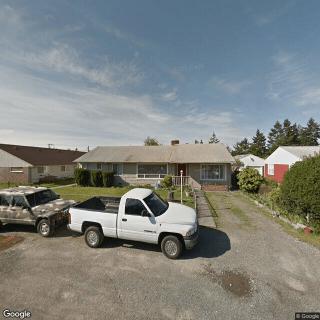
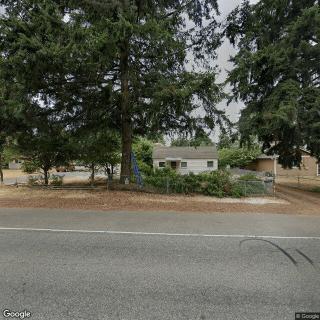
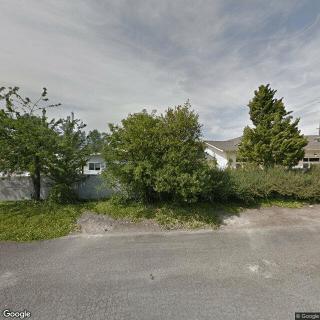
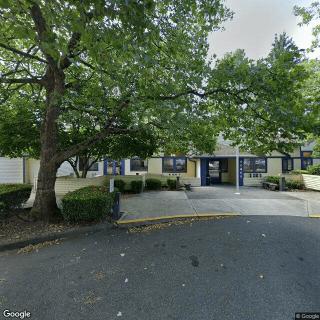
Elitecare AFH in Tacoma, WA

Information last verified:

10228 Patterson Street South, Tacoma, WA 98444

For more information about senior living options: (844) 490-3973

4.5 from 2 reviews

Elitecare AFH Costs & Pricing

Elitecare AFH offers competitive pricing for its residential care services, particularly when compared to the broader market in Pierce County and the state of Washington. For a private room, Elitecare AFH charges $3,000 per month, significantly lower than the county average of $4,623 and the state average of $4,772. Similarly, their one-bedroom option is priced at $3,500, again offering a more economical choice relative to the county's average of $4,456 and the state's average of $4,632. This pricing structure highlights Elitecare AFH's commitment to providing high-quality care while ensuring affordability for residents and their families.

Floor plansElitecare AFHPierce CountyWashington
Private$3,000$4,623$4,774
1 Bedroom$3,500$4,456$4,634

Overall Review of Elitecare AFH

Pros

  • pro The staff are always cheerful and helpful.
  • pro Mom has been a resident for over a year and continues to thrive.
  • pro The care staff is on top of Mom's every need and communicates if there's any reason to be alarmed.
  • pro A staff member sometimes sleeps in the lounger in Mom's room to ensure closer attention.
  • pro Mom's hygiene needs are met in a professional way and she is always dressed and groomed.
  • pro They celebrate birthdays and other occasions and holidays.
  • pro Employees are attentive and compassionate.
  • pro Mom is liking it very much.

Cons

  • pro The mother is slowly fading.
  • pro The mother is indifferent to joining activities.
  • pro The mother has lost interest in activities.
  • pro The mother's cognitive skills are fleeting.
  • pro The mother is embarrassed by seeming ignorant to things she used to excel in.

Review

Elitecare AFH in Tacoma is best suited for seniors who want hands-on, vigilant care in a home-like setting. The facility excels for residents who require close supervision, daily grooming, and ready access to staff who will intervene quickly. The experiences captured show a nonagenarian mother thriving under consistently attentive care; staff even sleep in a lounger to monitor overnight needs. The atmosphere seems cheerful, professional, and focused on dignity, with routine celebrations and adaptive support. This is not a faded, impersonal facility; it reads as a small-scale operation where caregivers know residents’ habits, preferences, and medical signals, and families gain confidence from ongoing contact with caregivers.

Those who should consider alternatives include families seeking robust, scheduled social programming with a wide variety of group activities and a larger campus-based environment. The second review highlights a resident who enjoys conversation and meeting people but does not engage in activities; this may reflect the resident’s preference, not a facility failure. Still, if an elder uses activity calendars as a primary source of stimulation or if predictability and social integration are paramount, a bigger community with formal activity directors may be more suitable. For residents with more complex medical needs requiring on-site clinicians or Memory Care, look elsewhere.

The strongest positives hinge on staff attentiveness and professional care. Caregivers are described as compassionate, ready to address hygiene, dressing, and daily routines with a level of dedication that eases family concern. The willingness of staff to provide extra coverage, such as staying with a resident through the night when needed, speaks to a safety-first culture. This translates into reliable management of routine health signals, timely updates to family, and consistent, cheerful service. Celebrations, birthdays, and holidays are not afterthoughts but integrated into the social fabric of the home, supporting emotional well-being and belonging.

The small size and intimate setting contribute to a sense of security and personal attention that larger campuses struggle to match. Families gain reassurance from direct, frequent contact with caregivers rather than through middle managers. This direct visibility reduces ambiguity around care plans and daily status. The price of this intimacy is a potential limit on the breadth of programming and on-site resources; there may be fewer therapists, activity coordinators, or specialty programs compared with larger communities. For seniors who prize consistent touchpoints and familiar faces, these trade-offs are acceptable.

Yet the reviews reveal a meaningful caveat: the resident’s cognitive trajectory and desire for activities can influence perceived quality of life. One resident’s decline and lack of interest in formal activities underscore that even excellent hands-on care cannot fully substitute for cognitive engagement and purposeful social interaction. The facility’s strength in daily support does offset risk of neglect and ensures dignity, but families should assess whether memory-support options or structured cognitive activities exist, and how the home adapts as needs evolve. If cognitive therapies, reminiscence programs, or specialized memory care are priorities, alternatives may perform better.

Bottom line: Elitecare AFH is a practical choice for families prioritizing vigilant, personalized care in a compact, compassionate setting. It suits elders who want consistent grooming, safety, and a warm atmosphere, with staff who stay engaged through the night if needed and celebrate life’s moments. For residents who crave broad activity calendars, expansive social programming, or formal memory-care pathways, consider alternatives. Pros offset cons when the home’s mission aligns with the resident’s temperament and care needs; the key is a clear assessment of how important social programming and cognitive stimulation are relative to the proven, high-touch care model here.

Features

Types of Care

  • Board and Care Home Board and Care HomeBoard and care homes provide a smaller, more intimate setting for seniors who require assistance with daily tasks but do not need the level of care offered by a nursing home. They offer personalized care, meals, and social activities in a homelike environment, ensuring that seniors receive individualized attention and support in their golden years.
  • Memory Care Memory CareMemory care is crucial for seniors as it provides specialized support and services for individuals with dementia or Alzheimer's disease. These programs offer a safe and secure environment where residents receive personalized care, cognitive stimulation, and help with daily activities. Memory care helps seniors maintain their independence, quality of life, and dignity while also providing peace of mind for their families.

Amenities

  • Activities on-site Activities on-siteActivities on-site are important for seniors because they provide opportunities for socialization, mental stimulation, physical activity, and overall well-being. Engaging in activities can help seniors stay active, maintain their independence, and improve their quality of life.
  • Bath tubs Bath tubsBath tubs are important for seniors because they provide a safe and relaxing way to bathe, helping to prevent slips and falls while promoting independence and overall well-being.
  • Beautician on-site Beautician on-siteHaving a beautician on-site at a senior living community is important for seniors as it allows them to easily access grooming and personal care services, boosting their self-esteem and overall well-being. It also provides convenience and helps seniors maintain their sense of independence and personal style.
  • Devotional services off-site Devotional services off-siteDevotional services off-site are important for seniors as they provide spiritual nourishment, social engagement, and a sense of community outside of the senior living facility. This can enhance overall well-being and help combat feelings of isolation and loneliness often experienced by older adults.
  • Devotional services on-site Devotional services on-siteDevotional services on-site provide seniors with spiritual support and a sense of community, as well as an opportunity for reflection and guidance during their senior living experience. This can promote emotional well-being and connection to others, leading to a more fulfilling and enriching lifestyle in their later years.
  • Indoor common areas Indoor common areasIndoor common areas are crucial for seniors as they provide a space for socialization, recreation, and community engagement, promoting overall well-being and reducing feelings of isolation and loneliness.
  • Outdoor common areas Outdoor common areasOutdoor common areas are important for seniors as they provide a space for socialization, physical activity, and relaxation. Being outside in nature can improve mood and overall well-being, while also encouraging movement and engagement with others. These spaces can help combat feelings of isolation and promote a sense of community among residents.
  • Private PrivatePrivacy is important for seniors as it allows them to maintain their independence, dignity, and sense of control over their own lives. It also gives them the space and freedom to relax, reflect, and engage in activities that bring them joy and fulfillment. Creating private spaces within senior living facilities is crucial for promoting overall well-being and quality of life.
  • Private bathrooms Private bathroomsPrivate bathrooms are important for seniors in senior living communities because they provide independence, dignity, and comfort. Having a private bathroom allows seniors to maintain their personal hygiene routines without the need for assistance, promoting a sense of autonomy and privacy. Additionally, private bathrooms help prevent the spread of infections and provide a safe and clean environment for seniors to navigate safely.
  • Respite or short term stays offered Respite or short term stays offeredRespite or short term stays provide seniors with a temporary solution when their regular caregiver is unavailable, offering them the opportunity to receive additional care and support during times of need, while also giving caregivers a chance to rest and recharge.
  • Wheelchair accessible showers Wheelchair accessible showersWheelchair accessible showers are crucial for seniors as they provide a safe and independent bathing option for those with mobility challenges. These showers help prevent falls and allow seniors to maintain their dignity and autonomy while ensuring they can bathe comfortably.

Transportation

  • Seattle-Tacoma International (21 miles away) Seattle-Tacoma International (21 miles away)

Care Services

  • Diabetic care Diabetic careDiabetic care is crucial for seniors as they are more susceptible to developing diabetes due to aging and other health conditions. Proper management of diabetes can help prevent complications such as heart disease, vision loss, and nerve damage, improving the overall quality of life for seniors in senior living communities.
  • High acuity care High acuity careHigh acuity care is important for seniors because it provides specialized medical attention and support for individuals with complex medical needs. This level of care ensures that seniors receive the appropriate treatment and assistance to maintain their health and quality of life as they age.
  • Incontinence care Incontinence careIncontinence care is essential for seniors to maintain their dignity, hygiene, and overall quality of life. By addressing incontinence issues promptly and effectively, seniors can enjoy a sense of independence and comfort in their daily activities.
  • Medication management Medication managementMedication management is crucial for seniors to ensure they are taking the right medications at the correct dosages and times. This helps prevent adverse drug interactions, reduces the risk of medication errors, and promotes overall health and well-being. Proactive management also allows for adjustments as needed based on changing health conditions or new prescriptions.

Dining

  • Kosher KosherKosher options are important for seniors because they adhere to dietary laws that are significant to many Jewish individuals, providing them with peace of mind and an opportunity to maintain their cultural traditions and beliefs while living in a senior living community.
  • Meals provided Meals provided"Meals provided" are crucial for seniors in assisted living communities as it ensures they have access to nutritious, balanced meals without the stress of meal planning and preparation. This can help promote overall health and well-being for seniors who may have limited mobility or cognitive abilities.
  • Vegetarian VegetarianA vegetarian diet is important for seniors because it can help lower the risk of chronic diseases, maintain a healthy weight, and provide essential nutrients needed for aging bodies. Additionally, plant-based diets are often easier on digestive systems and can contribute to overall well-being in older adults.

Activities

  • Activities on-site Activities on-siteActivities on-site are important for seniors because they provide opportunities for socialization, mental stimulation, physical activity, and overall well-being. Engaging in activities can help seniors stay active, maintain their independence, and improve their quality of life.
  • Devotional activities offsite Devotional activities offsiteDevotional activities offsite are important for seniors because they provide social engagement, spiritual growth, and a sense of community outside of their living environment. This can improve overall well-being, mental health, and combat feelings of isolation or loneliness.
  • Devotional activities on-site Devotional activities on-siteDevotional activities on-site provide seniors with a sense of community, spiritual fulfillment, and emotional support, promoting overall well-being and a positive sense of purpose in their lives.

Description

Elitecare AFH in Tacoma, WA is an assisted living community that specializes in Memory Care. Our residents with memory impairments receive specialized care and attention from our compassionate staff who are trained to provide support and assistance tailored to their individual needs.

Our community offers a range of amenities designed to enhance the comfort and well-being of our residents. Each resident has their own private room, complete with a private bathroom for their convenience and privacy. Bath tubs and wheelchair accessible showers are also available for those who require extra assistance.

To ensure that our residents always look and feel their best, we have an on-site beautician who provides grooming services. Additionally, we offer devotional services both on-site and off-site for those who wish to engage in spiritual activities.

We understand the importance of socialization, which is why we provide indoor and outdoor common areas where residents can relax, socialize, or participate in group activities. We also offer respite or short-term stays for those who may need temporary care or for family members who need a break from caregiving responsibilities.

At Elitecare AFH, we take pride in providing high acuity care for our residents with complex medical needs. Our dedicated staff ensures that medication management is properly handled and that each resident receives the appropriate level of care they require.

Dining is an important aspect of overall well-being, which is why we provide delicious meals to our residents. We offer vegetarian options for those with specific dietary preferences or restrictions.

Engaging in various activities helps promote cognitive health and enjoyment among our residents. We offer devotional activities both on-site and off-site so residents can continue practicing their beliefs and find meaning in daily life.

Located in Tacoma, WA, our community benefits from its proximity to numerous amenities such as cafes, pharmacies, physicians' offices, restaurants, transportation options, places of worship, and theaters. This allows our residents to easily access services that cater to their everyday needs.

At Elitecare AFH, we are dedicated to providing exceptional care, comfort, and support for our residents in a warm and welcoming environment. We strive to ensure that each resident's unique needs are met with dignity and respect, allowing them to live their lives to the fullest.

Nearby Places of Interest

Places of Worship

  • Iglesia Ni Cristo (0.7 miles)
  • St Mary's Catholic Church (2.2 miles)
  • Bethlehem Baptist Church (3.7 miles)

Pharmacies

  • Walgreens (1.1 miles)
  • Walgreens (1.2 miles)
  • Parkland Marketplace (1.9 miles)
  • Highway 7 Recreational Marijuana Store (2 miles)
  • Safeway Pharmacy (2.4 miles)
  • Walgreens (3 miles)
  • Costless Pharmacy (3 miles)

Restaurants

  • Cassidy S Pub (1.6 miles)
  • Park Avenue Tavern (1.9 miles)
  • Lucky's Drive In (2 miles)
  • Black Bear Diner Lakewood (2.1 miles)
  • McDonald's (2.1 miles)
  • Olive Garden (2.3 miles)
  • Taco Bell (2.4 miles)

Physicians

  • Oral Surgical Associates (1.8 miles)
  • Hanmi General Medical Clinic (2.2 miles)
  • Group Health Hear Center (3 miles)
  • Liu Beth Beth Liu Md Lakewood (3.8 miles)
  • Baby Catchers and Beyond (4.2 miles)
  • Pacific Medical Prosthetics and Orthotics (4.2 miles)
  • Cascade Eye & Skin Centers, PC (4.4 miles)

Transportation

  • Lakewood Station Sounder train (2.9 miles)

Cafes

  • Panera Bread (3.4 miles)
  • Panera Bread (3.9 miles)
  • Starbucks (4 miles)
  • Starbucks (4.4 miles)
  • Alfred's Cafe (5.3 miles)
  • Starbucks (5.7 miles)
  • Starbucks (6.1 miles)

Theaters

  • AMC Lakewood Mall 12 (3.5 miles)

Parks

  • Sheridan Park (5.2 miles)
  • Conservation Park (5.2 miles)
  • Fort Steilacoom Off-Leash Dog Park (5.7 miles)
  • Ft. Steilacoom Park (5.8 miles)

Hospitals

  • Child Study & Treatment Center (5.6 miles)
  • MultiCare (5.9 miles)

Frequently Asked Questions

How much does it cost to live at Elitecare AFH in Tacoma, WA?
Where is Elitecare AFH?
Does Elitecare AFH provide care for residents with dementia or Alzheimer's disease?

Nearby Communities

  • Morningstar

    Morningstar

    Tacoma, WA

     
    $5,000 to $7,000 / month

    pro Vibrant location with abundant nearby amenities and private room options.

  • Trinity Alliance Adult Family Home

    Trinity Alliance Adult Family Home

    Tacoma, WA

    5 from 5 reviews
    $3,000 / month

    pro Competitive memory care pricing at $3,000 per month.

  • Absolute Care AFH

    Absolute Care AFH

    Tacoma, WA

     
    $3,500 to $4,000 / month

    pro Competitive pricing with comprehensive services.

  • Angel Manor LLC

    Angel Manor LLC

    Tacoma, WA

     
    $3,500 / month

    pro Competitive private-room pricing with private bathrooms and access to specialized diabetic and high-acuity care.

  • Kats Care Center

    Kats Care Center

    Tacoma, WA


    pro 24/7 supervision with medication management and diabetes-friendly dining.

  • Hermie's AFH III

    Hermie's AFH III

    Tacoma, WA

    5 from 10 reviews
    $3,500 to $4,000 / month

    pro Competitive pricing with extensive on-site amenities and care.

  • Spring Ridge Assisted Living and Memory Care

    Spring Ridge Assisted Living and Memory Care

    Tacoma, WA

    4.3 from 55 reviews
    $3,106 to $4,523 / month

    pro Engaging activities with attentive staff in a clean, well-maintained environment.

  • The Oaks At Lakewood

    The Oaks At Lakewood

    Tacoma, WA

    4.2 from 81 reviews
    $5,850 to $6,300 / month

    pro Extensive amenities and active programs; convenient location

  • Vintage at Tacoma

    Vintage at Tacoma

    Tacoma, WA

    3.1 from 100 reviews
    $755 to $900 / month

    pro Long-term resident engagement with pet-friendly amenities and on-site services.

Related Resources

  • assisted living vs nursing homeChoosing the Right Senior Care: A Detailed Exploration of Assisted Living and Nursing Homes

    Choosing between assisted living and nursing homes involves evaluating emotional and financial factors, with assisted living offering independence and support for daily activities at a lower cost, while nursing homes provide intensive medical care for individuals with significant health needs. The decision is influenced by personal preferences, health status, cognitive function, and varying Medicaid coverage across states.

  • how to prevent memory loss in old ageSafeguarding Your Memory Through the Golden Years: Eight Ways to Preserve Cognitive Health

    The article presents eight strategies for preserving cognitive health and memory in older adults, emphasizing a nutrient-rich diet, regular exercise, intellectually stimulating activities, adequate sleep, social connections, stress management techniques, limiting harmful substances, and regular medical checkups to mitigate age-related memory decline.

  • activities of daily livingComprehensive Insights into Activities of Daily Living (ADLs) and Their Assessment

    Activities of Daily Living (ADLs) are fundamental tasks vital for an individual's independence, particularly in older adults over 85, and include functions like bathing and dressing; assessing ADLs alongside Instrumental Activities of Daily Living (IADLs) helps determine the level of required assistance due to age-related health challenges. Tailored support plans, involving family and community resources, are essential for maintaining dignity and autonomy in assisted living environments.