

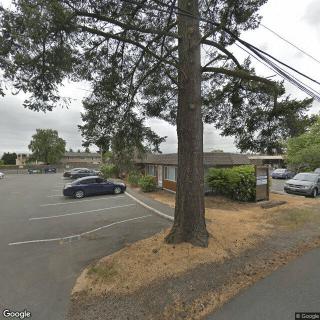
14054 Military Rd S, Tukwila, WA 98168
To contact a resident: (206) 679-5605
For more information about senior living options: (866) 208-4318
Riverton Home Care Costs & Pricing
Riverton Home Care offers competitive pricing for its services compared to the broader market in King County and the state of Washington. The cost for a semi-private room at Riverton is $4,000 per month, which is notably lower than the county average of $4,430 and slightly under the state average of $4,267. For those seeking more privacy, both the one-bedroom and private room options are priced at $5,000 each - this compares favorably against King County's one-bedroom rate of $5,127 and private room rate of $5,034. Riverton's pricing structure reflects a commitment to providing quality care while remaining accessible within the local landscape, making it an attractive option for families considering home care solutions.
| Floor plans | Riverton Home Care | King County | Washington |
|---|---|---|---|
| Semi-Private | $4,000 | $4,430 | $4,272 |
| 1 Bedroom | $5,000 | $5,127 | $4,634 |
| Private | $5,000 | $5,034 | $4,774 |
Memory care communities with a similar price nearby
-
from -$625 / mo
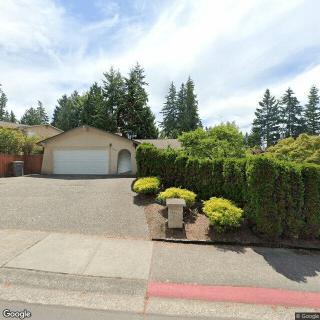
Evergreen Manor Senior Care Inc
$3,375 to $7,500 / month16.2 miles away -
About the same
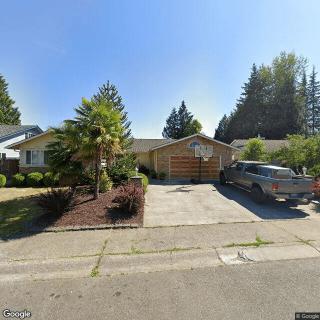
Gentle Care Home
$4,000 to $5,500 / month7.8 miles away -
from -$500 / mo

Twin Lakes Haven Adult Family Home
$3,500 to $8,000 / month11.5 miles away -
from -$500 / mo
Ahadi Care Adult Family Home
$3,500 to $4,000 / month23.1 miles away -
from +$305 / mo

Penrose Harbor at Heron's Key
$4,305 to $7,332 / month17.0 miles away
Overall Review of Riverton Home Care
Pros
 The service is absolutely wonderful, professional, friendly, and flexible.
- Right at Home and its caregivers are highly recommended for responsive, professional, and thorough care.
- Katung is responsive, professional, and thorough in his assessments.
- Ann is reliable, knowledgeable, and kind, well liked by both clients and family.
- Ibrahim is a great caregiver—respectful, patient, and hardworking.
- Trey is an incredible caregiver—comforting, helpful, and attentive.
- Right at Home goes the extra mile to ensure quality caregiver care.
- The caregivers provide exceptional care and support with professionalism and genuine compassion.
- Proactive communication and thoughtful attention to detail reassure families that daily needs are met with high standards.
- Katung is deeply involved in care planning and training, instilling trust in the agency.
Review
Riverton Home Care in Tukwila is best suited for families seeking a premium, hands‑on in‑home caregiving partner for an aging loved one who requires flexible, attentive support. The reviews depict a team that operates with professionalism, warmth, and agility, making it a strong match for seniors with dementia, complex medical needs, or challenging caregiving scenarios where a trusted outside advocate is invaluable. When a 93‑year‑old father needed care during a caregiver’s vacation, the agency delivered a caregiver who fit the temperament, history, and routines, an outcome that matters as much as skill. The provider’s ability to tailor assignments, coordinate quickly, and keep a careful eye on day‑to‑day needs means families dealing with distance or busy schedules can rely on consistent oversight. In short, this is a practical, high‑touch option for those who want dependable, person‑centered care in the familiar surroundings of home.
However, this is not the right fit for every family. If the goal is a campus setting with built‑in social life and around‑the‑clock nursing oversight, a traditional assisted living or skilled nursing facility may be preferable. For households prioritizing predictable monthly costs of a fixed community, in‑home services can be more expensive over time, even when the value is clear. If a dedicated, single caregiver relationship is essential, the fluctuating realities of agency staffing, though managed intentionally here, can still involve substitutions. And when medical supervision or high‑acuity care must be delivered 24/7 on site, an on‑premise clinical team will usually outperform a private or in‑home model. These factors push some families toward alternative care paths, even as they acknowledge the strong human touch of the in‑home option presented here.
From the positive side, the core strengths are unmistakable. Leadership by Katung and Will permeates every interaction, from a thorough initial assessment to a detailed care plan that guides caregivers and families alike. The caregiver pool is described as skilled, patient, and genuinely kind, with notable success in matching personalities to patient needs, from dementia care to highly specific behavioral challenges. The ability to mobilize a replacement caregiver at short notice, if needed, eliminates the anxiety of sudden gaps in care. Families consistently cite proactive communication, daily updates, and a willingness to go beyond the assigned duties as the norm rather than the exception. The depth of involvement, training caregivers directly, staying engaged in planning, and even coordinating with distant relatives, creates measurable reassurance that daily needs are met with precision and empathy. Those wanting companionship as well as practical support will feel the benefit.
Those strengths mitigate common drawbacks of in‑home care by turning flexibility into reliability. The reviews repeatedly highlight the practical benefits: help with medications, groceries, light housekeeping, and even specialized support for conditions like OCD or Pathological Demand Avoidance, all delivered with respect and patience. The availability of substitutes when a regular caregiver is unavailable reduces the risk of abrupt gaps, while the owner’s hands‑on approach to training helps ensure a consistent standard across shifts. The result is less stress for families coping with medical transitions and distance management, plus a level of trust that makes it easier to entrust daily routines to someone unseen but intimately involved. In this arrangement, the main tradeoffs, cost, and the absence of a fixed, on‑site care community, are managed through transparent communication, clear expectations, and a policy of collaboration between family, caregiver, and leadership.
For families moving toward a decision, the practical test is straightforward. Request a written care plan with goals, specifics on medication management, activity guidelines, and safety routines. Ask about caregiver matching criteria and the process for placing substitutes when needed. Confirm how updates are delivered (daily calls, messages, or portal access) and how quickly leadership responds to concerns. Inquire about dementia‑specific training, strategies for managing challenging behaviors, and whether hospice‑oriented support is accommodated if care goals shift. Finally, discuss cost structure, sample schedules, and whether a trial period or short‑term engagement is available to validate fit before committing long‑term. These questions translate the positives in the reviews into a practical, decision‑driven framework.
When a family prioritizes highly responsive staffing, compassionate, well‑trained caregivers, and meticulous coordination that keeps care consistent despite distance, Riverton Home Care stands out in Tukwila. It is a strong recommendation for those who need in‑home support that blends professional rigor with genuine warmth. Those seeking a more affordable option, a campus community with built‑in social programs, or continuous on‑site medical supervision may want to explore alternatives. For the right case, a senior with dementia or complex needs, a family that values proactive management, and a desire to keep loved ones at home, the combination of skilled caregiving, owner involvement, and reliable backup creates an experience that many families will find transformative. The decision should hinge on whether the home environment, supported by this team, aligns with the patient’s goals and the family’s capacity to participate in ongoing planning and oversight.
 Board and Care Home
 Memory Care
 Activities off-site
 Air-conditioning
 Bath tubs
 Beautician on-site
 Cable or satellite TV
 Devotional services off-site
 Indoor common areas
 Outdoor common areas
 Private
 Private bathrooms
 Respite or short term stays offered
 Wheelchair accessible showers
 Wi-Fi/high-speed internet available
 Seattle-Tacoma International (2 miles away)
 Diabetic care
 Medication management
 International cuisine
 BBQs or picnics
 Birthday parties



 Understanding Dementia Behaviors: Practical Insights and Strategies for Caregivers
 When Dementia Sparks Anger and Aggression: Understanding the Connection and Ways to Cope
 Dementia Behaviors: In-Depth Understanding and Effective Coping Strategies